REVIEW · KATHMANDU
Annapurna Poonhill Trek
Book on Viator →Operated by Himalayan Circuit · Bookable on Viator
Some mornings you earn the view. This private Annapurna Poon Hill trek pairs a smart warm-up hike with a classic Poon Hill sunrise route over Annapurna and Dhaulagiri. I like that it’s designed for real people: you get a mix of steep steps, forest walking, village scenery, and big mountain payoffs without needing summit ambition. The possible downside is timing: the best viewpoint day starts before 5 am, and the route depends on good weather.
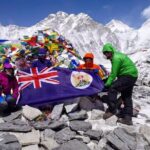
Two things I’d put at the top of my list are the included logistics and the mountain lineup. You get private transportation from Kathmandu to Pokhara and back, plus trekking support that covers the big admin pieces like the Annapurna Conservation fee and the Trekkers Information Management System. And from Poon Hill (3,210m) you’re set up for sunrise views that highlight peaks like Machhapuchhre (Fish Tail), Annapurna South, Hiunchuli, and Dhaulagiri.
One more reality check: you’re responsible for key cold-weather gear. A sleeping bag and warm jacket aren’t included, and you’ll be at high elevation early in the day, so packing for chill matters. Also, lunch in Kathmandu and Pokhara isn’t listed as included, so you’ll want a small buffer.
In This Review
- Key Highlights You’ll Actually Feel on the Trek
- Why the Poon Hill Sunrise Is Worth the 4 a.m. Stretch
- Getting Started in Thamel: Kathmandu Transfers That Reduce Stress
- Trek Day by Day: Ulleri Steps, Ghorepani Views, and the Poon Hill Loop
- Day 3: Getting Your Trek Legs (Tikhedhunga)
- Day 4: The Ulleri Step Climb (to Ghorepani)
- Day 5: Sunrise at Poon Hill, Then Continue to Tadapani
- From Tadapani to Ghandruk: Forest Switchbacks and the Gurung Village Feel
- Ghandruk to Dhampus and Phedi: Terraces, Village Views, and a Controlled Finish
- Sarangkot Sunrise and Back to Kathmandu: Two Morning Views, One Travel Beat
- Price and Value: What $1,562.67 Covers (and What You Still Pay For)
- How Hard Is This Trek, Really? Altitude, Steep Steps, and Weather
- Who Should Choose This Private Poon Hill Trek?
- Should You Book It? My Honest Take
- FAQ
- What time does the experience start in Kathmandu?
- How many days is the trek?
- What is the highest altitude on the route?
- Are meals included during the trekking days?
- Do I need to bring a sleeping bag and warm jacket?
- What happens if the weather is poor?
Key Highlights You’ll Actually Feel on the Trek
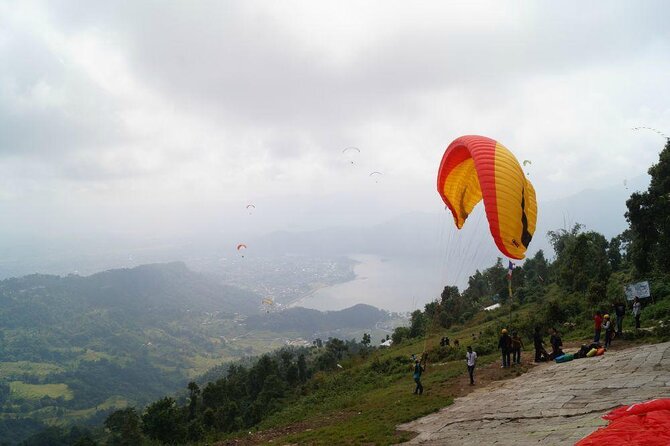
- Poon Hill sunrise at 3,210m with views spanning Dhaulagiri and Annapurna (and the Fish Tail)
- Private, door-to-door style transfers: Kathmandu–Pokhara–Kathmandu by air-conditioned car
- A trekking plan with built-in pacing, including a shorter acclimatization day at the start
- Ghorepani staging so you’re already high before sunrise morning
- Village-to-village hiking with forests, terraces, and Gurung community stops like Ghandruk
- Sarangkot sunrise on the way back, giving you a second shot at dramatic morning light
Why the Poon Hill Sunrise Is Worth the 4 a.m. Stretch
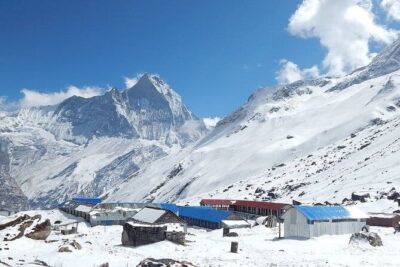
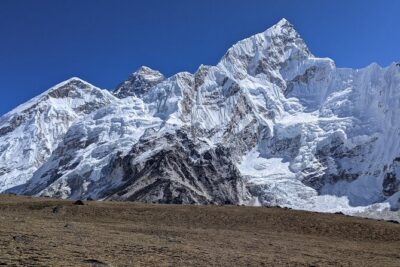
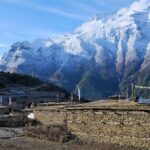
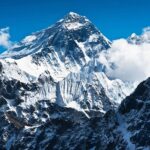
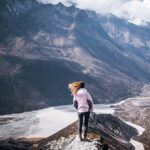
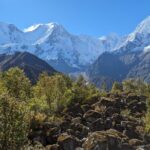
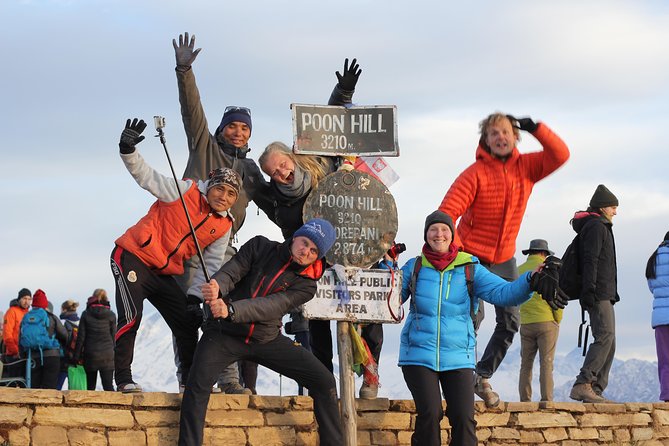
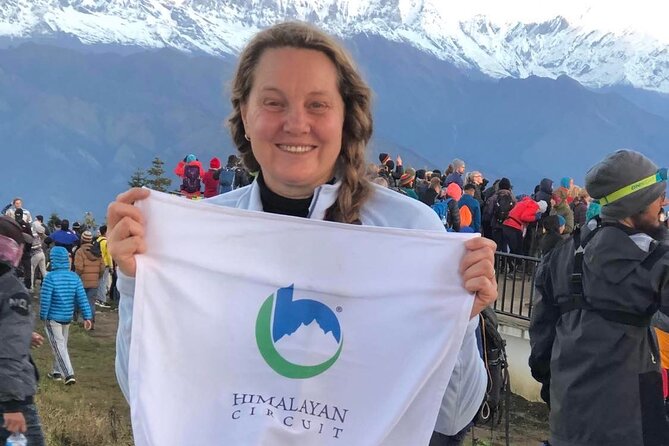
If your dream is one of those Himalayan mornings where the mountains look close enough to touch, Poon Hill is the obvious target. You head up early, with the plan calling for a wake-up around 4:00 am and then a move from Ghorepani to the summit area before sunrise. That early start isn’t just tradition; it’s how you catch clear light on peaks like Machhapuchhre (Fish Tail), Tukuche Peak, Nilgiri, Hiunchuli, Annapurna South, and Dhaulagiri.
You’ll also get a built-in rhythm: after the sunrise moment, you return to Ghorepani for breakfast and then continue on the trek. In practice, that means you’re not stuck dragging through the day with no food or no plan—you’re feeding, regrouping, and then walking again.
The part to consider is plain: you won’t be sleeping in. If you hate early wake-ups, you’ll feel it, but you’ll also understand why this stop is such a magnet for mountain lovers.
You can also read our reviews of more tours and experiences in Kathmandu.

Getting Started in Thamel: Kathmandu Transfers That Reduce Stress
The trek begins in Thamel, central Kathmandu, with a start time of 8:15 am. You clear arrival steps, then a representative meets you with a name card and you’re driven to your accommodation. For a first day in Nepal, that matters more than people think. Getting your bearings fast helps your body and your nerves, especially if you arrived the same day.
Then you shift into the big overland leg: the route moves from Kathmandu to Pokhara, a drive of about 7 hours. The road is long, and you can expect mountain-road views along the way—hills, rivers, and the kind of scenery that makes you pay attention instead of stare at your phone.
This is a private setup, so you’re not stuck negotiating shared timing. Your group moves together, and you’re not playing transportation roulette.
Trek Day by Day: Ulleri Steps, Ghorepani Views, and the Poon Hill Loop
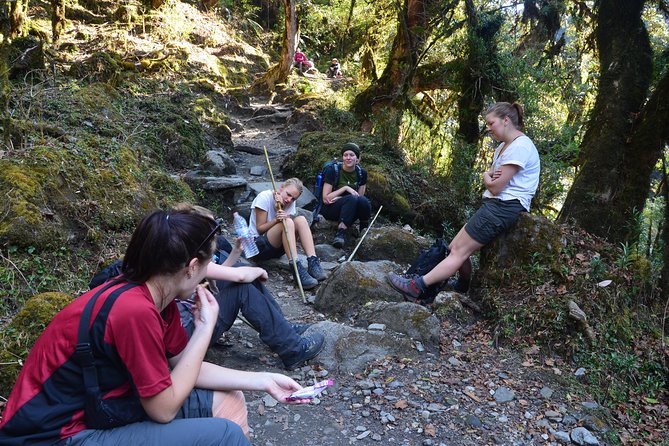
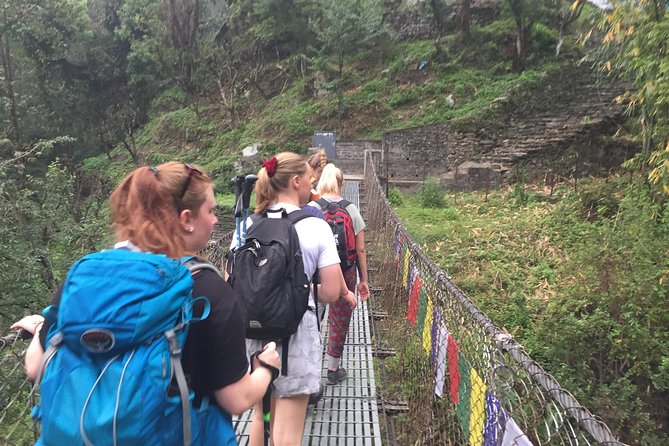
Your hiking begins after a short drive toward the trailhead area near Nayapul. From there, you walk along the banks of the Modi Khola, then through villages and river valleys that gradually pull you uphill.
Day 3: Getting Your Trek Legs (Tikhedhunga)
This is a helpful first hiking day because it’s not trying to crush you on day one. The route follows the river corridor, reaches Birethanti at 1,015m, then continues uphill with a mix of forest and terraces. The climb gets steeper as you work up toward Hille (1,495m) and then Tikhedhunga (1,570m). You’re walking about 6 hours, and it’s described as relatively short and easier—exactly what you want for Nepal’s first exposure.
Day 4: The Ulleri Step Climb (to Ghorepani)
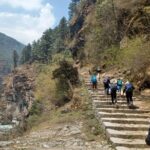
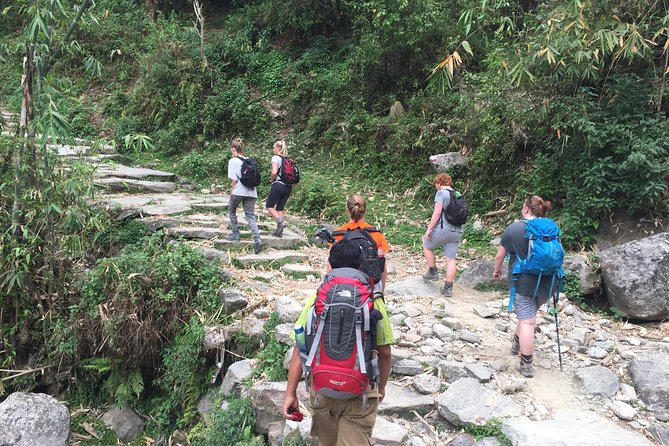
Day 4 is where the legs get a workout. You’ll tackle longer walking—about 6 hours—and much of it is steep climb via countless stone steps to Ulleri (2,070m). After Ulleri, the trail continues upward more gently through oak and rhododendron forests, reaching Banthanti (2,250m) and Nangethanti (2,460m) before arriving at Ghorepani (2,840m).
Ghorepani is also a practical staging point. It’s a relatively large village with good views of the Annapurna range plus Nilgiri and Dhaulagiri, and you can stock up on essentials like drinking water.
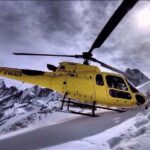
Day 5: Sunrise at Poon Hill, Then Continue to Tadapani
This is the “early bird gets the mountain” day. You move from Ghorepani to Poon Hill (3,210m) before sunrise, spend time up at the viewpoint, then return to Ghorepani for breakfast. After that, you start trekking toward Tadapani.
One thing I like about this structure: it protects your energy. You’re not forced to choose between sunrise and a full day of climbing with no recovery plan.
From Tadapani to Ghandruk: Forest Switchbacks and the Gurung Village Feel
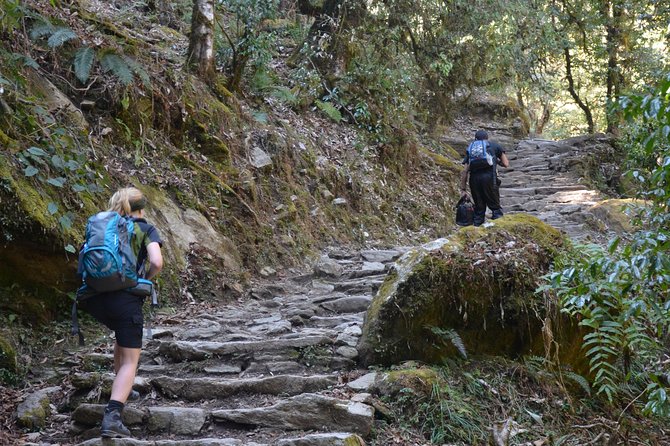
After Poon Hill, the trek turns into a classic Nepal rhythm: forests, descents, then rebuilding elevation as villages open up below and ahead of you.
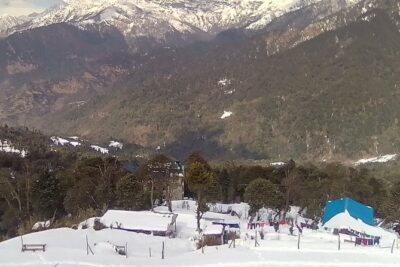
On the way to Ghandruk, the route goes through subtropical jungles and then into rhododendron and pine areas. You’ll descend steeply at first through forests and pass stream crossings as you work toward Ghandruk (1,940m). Total walking time is about 5 hours.
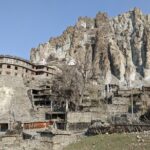
Ghandruk is one of those places where mountain scenery and community life meet. The route highlights views toward Annapurna South and Machhapuchhre, and it’s described as a major Gurung settlement. If you like trekking that feels grounded—less “only mountains, no people”—this is one of the best stops on the whole circuit.
Also, this is where you might feel that your body has adjusted. You’re no longer just climbing toward altitude—you’re moving through it with purpose.
Ghandruk to Dhampus and Phedi: Terraces, Village Views, and a Controlled Finish
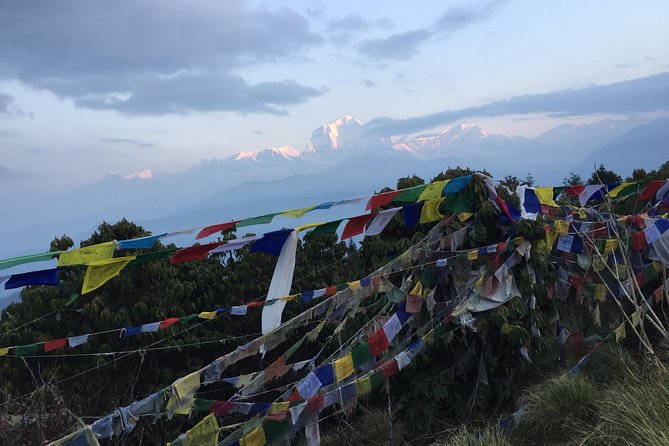
After Ghandruk, the trek shifts toward a descent-and-stretch finish. The route described here drops steeply through villages and terraced paddy fields, then climbs again toward Dhampus and Phedi.
Walking time is about 4 hours, and along the way you get glimpses of peaks that you might have been seeing earlier from other angles—like Machhapuchhre, Annapurna South, Lamjung Himal, and Annapurna III. Then the trek ends and you drive back to Pokhara.
I like this ending for practical reasons. It gives you a less punishing final hiking day after the big sunrise moment, and it lines up well with your travel day back to Kathmandu. It’s not just a “get off the mountain” walk—it’s a scenic one with enough time to enjoy it.
Sarangkot Sunrise and Back to Kathmandu: Two Morning Views, One Travel Beat
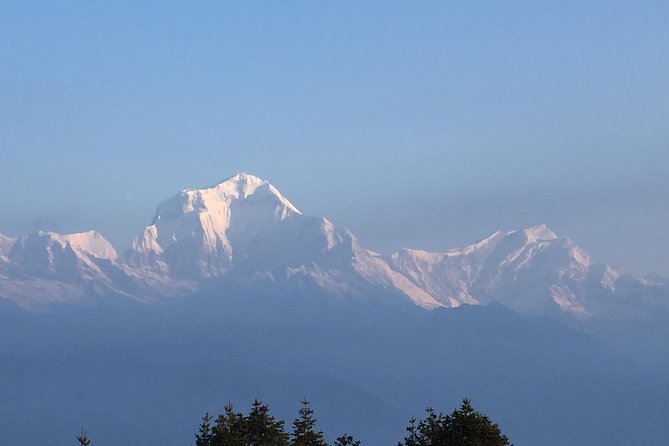
Once trekking finishes, you shift to a different kind of mountain experience: viewpoint time near Pokhara.
On the next early morning, you’re guided to Sarangkot hill station for a sunrise view over the Annapurna and Dhaulagiri ranges. After sunrise, you go back for breakfast, then travel to Kathmandu and settle into Thamel for rest.
This matters because it gives you a second sunrise option. If you worried that the Poon Hill sunrise is your one chance, Sarangkot helps you avoid that stress. It’s also a calmer way to end: you still get the morning magic, but without a steep climbing day attached.
Price and Value: What $1,562.67 Covers (and What You Still Pay For)
At $1,562.67 per person for roughly 9 days, you’re not just paying for walking. You’re paying for a private, organized route with transportation, meals, and park-related fees handled for you.
What’s included:
- Air-conditioned vehicle and private transportation
- Kathmandu–Pokhara–Kathmandu by private car
- Full meal plan during trek, with breakfast (4) and dinner (5) listed
- Trek-related fees: Annapurna Conservation fee and all fees/taxes
- Trekkers Information Management System
What’s not included:
- Sleeping bag and warm jackets (you’ll need to bring or rent them separately)
- Travel/Medical insurance
- Nepal visa fees
- Lunch and dinner in Kathmandu and Pokhara
- Any personal expenses like bar bills
So is it good value? For many people, yes—because the big cost drivers are already handled: car transfers, trekking support, conservation fees, and key meals. Your cost control is mostly about what you do outside the included meal plan (especially lunches in cities) and whether you bring gear you’ll actually need.
If you plan to travel light, budget for how you’ll cover warmth at altitude. That’s the one “not included” item that can make or break comfort.
How Hard Is This Trek, Really? Altitude, Steep Steps, and Weather
This route is often a great fit for people who want a real Himalayan trek without pushing into the extreme. You’re trekking daily for about 4 to 6 hours, with one day that includes a tough stone step climb to Ulleri. Day 3 is described as a shorter, easier acclimatization climb, which helps most bodies ease in.
Altitude wise, you’ll be moving through:
- Tikhedhunga: 1,570m
- Ghorepani: 2,840m
- Poon Hill: 3,210m (highest point)
- Ghandruk: 1,940m
That’s not summit altitude, but it is enough elevation to feel cooler air and slightly breathier hiking, especially on early mornings. Drink water, move at a steady pace, and don’t treat the sunrise day like a sprint.
Weather is another key point. The experience notes it requires good weather. If conditions are poor, you should expect the operator to adjust your plan rather than just send you uphill into bad visibility.
Who Should Choose This Private Poon Hill Trek?
This private version is best if you want:
- A curated route with fewer logistics headaches
- Shared timing with your own group (no waiting on strangers)
- A sunrise-first mindset, because Poon Hill is the star
Most travelers can participate, and the itinerary includes a gradual start plus a strong viewpoint payoff. If you’re new to trekking, the plan’s pacing helps you build confidence. If you’re an experienced hiker, you’ll still get scenery and variety, but you should know this is more about viewpoints and village walking than big-day endurance.
Should You Book It? My Honest Take
I’d book this if you want the Annapurna region highlights with less stress and more structure. The biggest selling point is simple: you’re paying for a smooth flow between Kathmandu, Pokhara, trekking, and two sunrise viewpoints—Poon Hill and Sarangkot—with transportation and key fees taken care of.
I’d think twice if you hate early starts or you’re not willing to pack for cold. The sunrise timing is non-negotiable, and the “bring your own sleeping bag and warm jacket” note is serious at elevation.
If you’re aiming for one of Nepal’s most famous view days, this is the route that turns that dream into an actual plan.
FAQ
What time does the experience start in Kathmandu?
The meeting point is Thamel, Kathmandu, and the start time is listed as 8:15 am.
How many days is the trek?
The itinerary is listed as 9 days (approx.).
What is the highest altitude on the route?
Poon Hill is the highest point mentioned, at 3,210m.
Are meals included during the trekking days?
Yes. The included list covers a full meal plan during the trek, including breakfast (4) and dinner (5). Lunch isn’t listed in the included items.
Do I need to bring a sleeping bag and warm jacket?
Yes. A sleeping bag and warm jackets are listed as not included.
What happens if the weather is poor?
The experience requires good weather. If it’s canceled due to poor weather, you’ll be offered a different date or a full refund.