REVIEW · POKHARA
Pokhara: 7-Day Annapurna Base Camp Trek with Hot Spring
Book on GetYourGuide →Operated by Snow Peak Tours and Travels pvt.ltd. · Bookable on GetYourGuide
Some routes look good on paper. This one feels real fast. You’ll start near Nayapool, walk through rhododendron forests and Nepali village life, and build up to Annapurna Base Camp at 4,130m. I love the steady rhythm of the days: long enough to feel like a trek, broken into clear stages with overnight stops.
My second big plus is the mix of culture and payoff. You pass through places like Chhomrong and keep moving upward with panoramic Annapurna and Dhaulagiri views at your side. One drawback to plan for: it’s not for people who already struggle with altitude, and tea houses are basic (so comfort is simple, not luxury).
In This Review
- Key highlights you’ll care about
- Why this Annapurna trek starts at Nayapool (and why that matters)
- The route you’ll walk: villages, rhododendrons, and real mountain days
- Day-by-day: from Ghandruk to Base Camp and back via Jhinu Danda
- Day 1: Nayapool to Ghandruk (about 5–6 hours, to ~1,940m)
- Day 2: Ghandruk to Chhomrong (about 6 hours, to ~2,170m)
- Day 3: Chhomrong to Himalaya (about 5 hours, to ~2,920m)
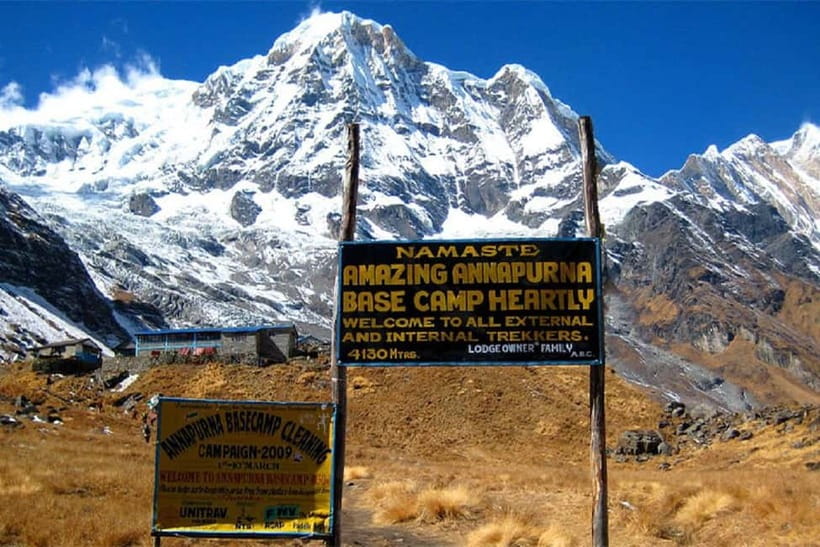
- Day 4: Himalaya to Annapurna Base Camp (about 4,130m, overnight at Base Camp)
- Day 5: Annapurna Base Camp to Bamboo (down to ~2,335m)
- Day 6: Bamboo to Jhinu Danda for hot springs (down to ~1,610m)
- Day 7: Jhinu Danda to Nayapool, then drive back to Pokhara
- Tea houses, guides, and gear: how comfort works on a budget trek
- Price and value: is $207 actually a good deal here?
- Altitude reality check: when to listen to your body
- Who this trek fits best (and who should choose another style)
- My booking verdict: should you go?
- FAQ
- FAQ
- Where do we start the trek from?
- What is the highest altitude on this trek?
- Is the hot spring actually included?
- Are meals included during the trekking days?
- What kind of accommodation should I expect?
- What’s included besides the trek itself?
- What languages does the guide speak?
- Who should not take this trek?
Key highlights you’ll care about
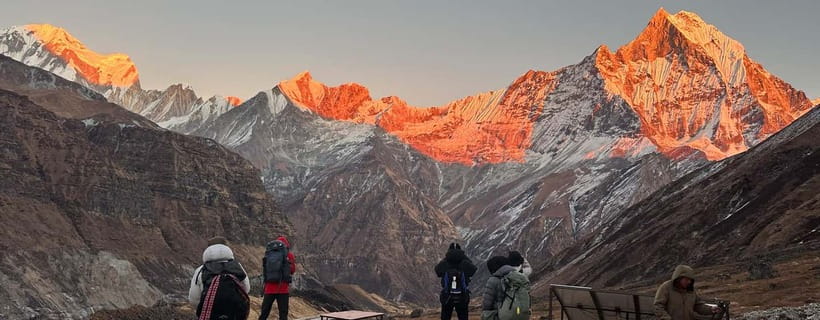
- Annapurna Base Camp at 4,130m with the kind of views that make the climb feel worth it
- Tea house nights along the route (basic lodges, not plush hotels)
- Rhododendron forests + traditional villages with Gurung, Magar, and Tibetan-influenced communities along the way
- Jhinu Danda hot spring for sore-leg recovery after trekking downhill
- English-speaking guide and porter support (guide is government-certified)
- ACAP permit included so you don’t have to sort paperwork on the fly
Why this Annapurna trek starts at Nayapool (and why that matters)
Pokhara is a strong launch point, but where you start your first hike matters more than most people think. This trek begins after a private vehicle ride to Nayapool, and then you hit the trail the same day. That setup helps you waste less time in transit and gives you an early taste of the Annapurna foothills.
Day 1 is a hike to Ghandruk (around 1,940m) over about 5–6 hours along the Modi Khola. In plain terms, you’ll feel your legs work, but it’s not the kind of day where you’re already dying on minute 30. It’s a good way to settle into the altitude and the trail rhythm.
You can also read our reviews of more tours and experiences in Pokhara.
The route you’ll walk: villages, rhododendrons, and real mountain days
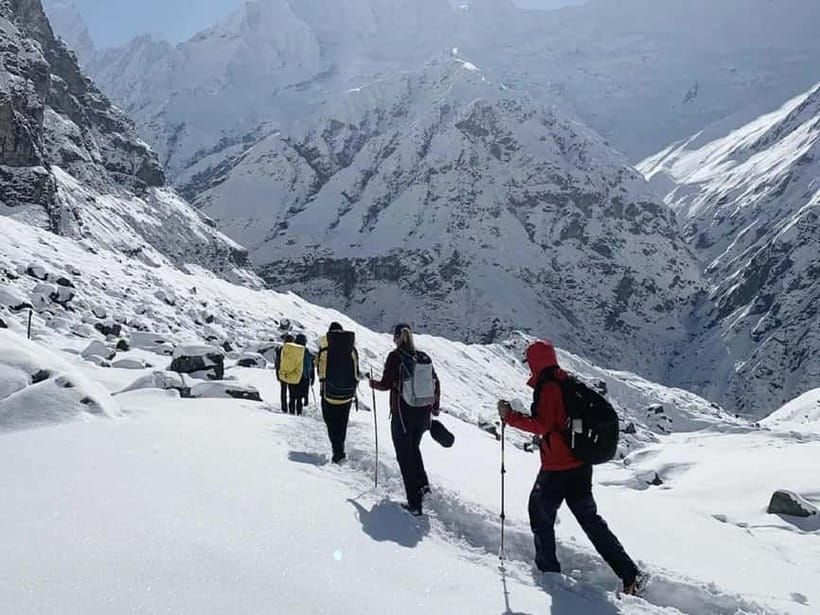
This trek is more than a straight line to a summit view. Your path is full of small moments that add up.
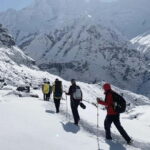
You’ll move through terraced farmland and forests filled with rhododendrons, which means your hike often feels like it’s changing texture: downhill dirt, uphill stone steps, forest shade, then a view opening up. And you’re not just passing by scenery. You’re walking through traditional settlements where Gurung, Magar, and Tibetan tribe culture shows up in daily life around the trail.
Along the way, you’ll pass through notable stops described on this route, including Chhomrong, Dovan, and Machhapuchhre Base Camp before reaching the highlight: Annapurna Base Camp. Some days feel like a steady climb through wooded paths; other days feel like you’re walking from one viewpoint to the next, collecting mountain panoramas as you go.
If you like travel that’s grounded in daily life—how people eat, sleep, and build homes at altitude—this trek rewards you more than the average box-check experience.
Day-by-day: from Ghandruk to Base Camp and back via Jhinu Danda
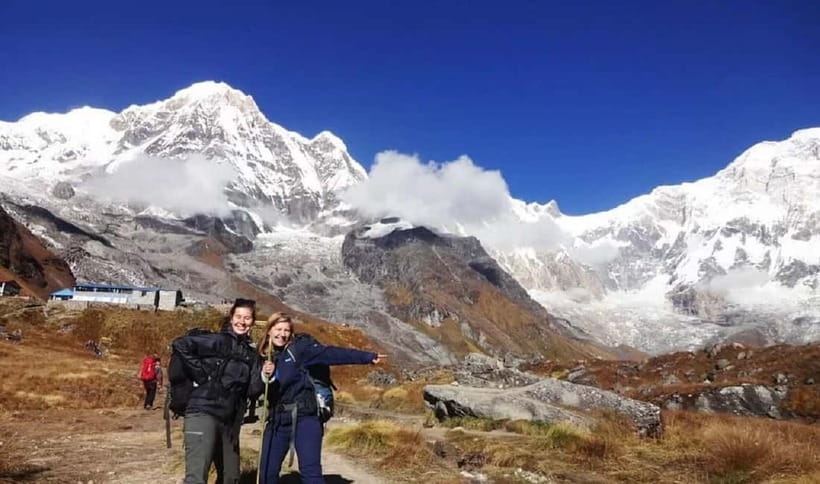
Here’s how the week plays out, with what each section does to your body and what it offers your eyes.
Day 1: Nayapool to Ghandruk (about 5–6 hours, to ~1,940m)
After breakfast in Pokhara, you ride to Nayapool and start hiking. The route follows the Modi Khola and runs past ethnic villages and forested stretches. You’re aiming for Ghandruk, a classic trekking stop with village energy and a strong sense of being “in” the Annapurna region rather than just touring through it.
What to expect: lots of steps, frequent pauses for views, and a first night in a tea house-style setup.
Day 2: Ghandruk to Chhomrong (about 6 hours, to ~2,170m)
You hike from Ghandruk to Chhomrong, another major village on this circuit. Expect rhododendron forests, settlements on the hillsides, and the Annapurna range showing up in the background more clearly as you gain height.
Why this day matters: Chhomrong is where the trek starts feeling more alpine. Even if the altitude isn’t extreme yet, you’ll notice the air and the way your pace slows naturally.
Day 3: Chhomrong to Himalaya (about 5 hours, to ~2,920m)
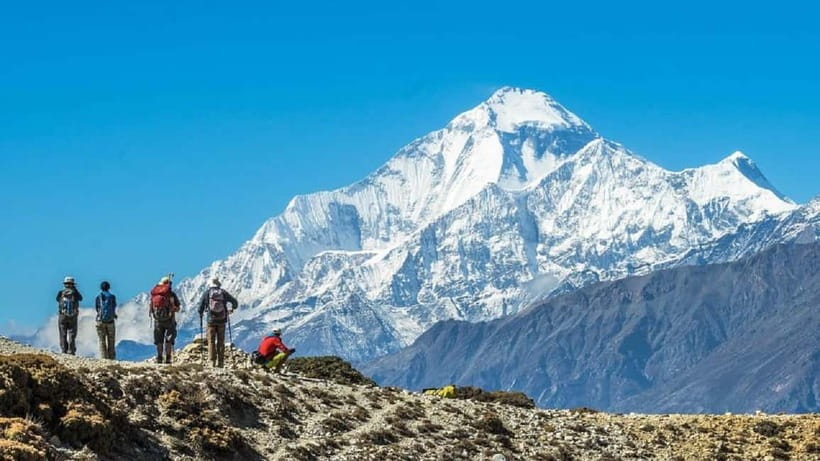
Today’s route climbs you toward Himalaya (a trek stop around 2,920m). You’ll keep moving through rhododendron forests and village areas, but the higher you go, the more the mountains start looking imposing rather than distant.
Practical note: this is the day where good pacing pays off. If you go fast early, you’ll pay later.
Day 4: Himalaya to Annapurna Base Camp (about 4,130m, overnight at Base Camp)
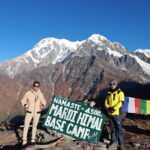
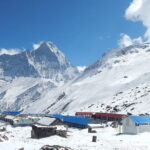
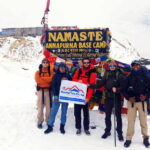
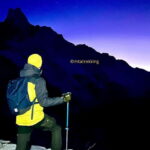
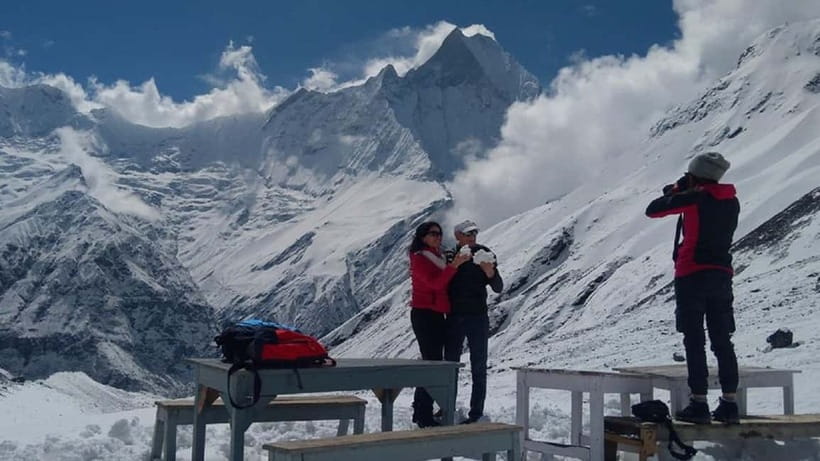
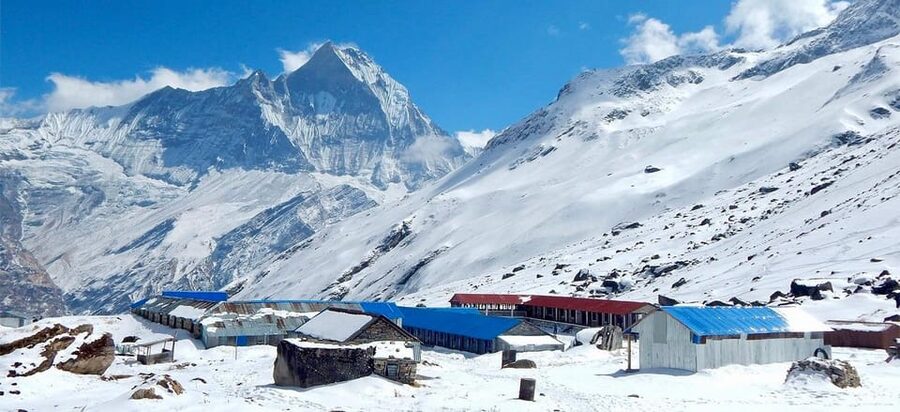
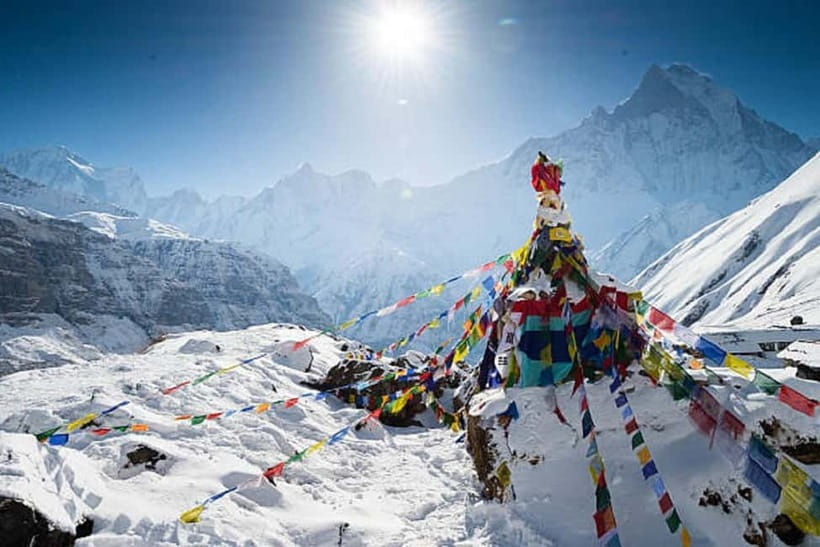
This is the big moment: the push up to Annapurna Base Camp at 4,130m (13,550 feet). You’ll reach the camp area and stay overnight so you can actually be there when the mountain light changes, not just pass through.
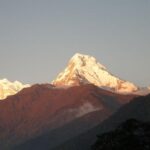
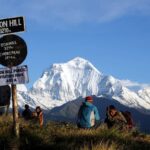
What you’ll notice fast: the air is thinner, your breathing becomes the main soundtrack, and the views feel close enough to touch. You’re surrounded by towering peaks, and the Annapurna and Dhaulagiri panoramas dominate the horizon.
What to watch: even if you feel okay at the start, altitude has a way of making you humble. Take breaks. Drink water. Keep your effort steady.
Day 5: Annapurna Base Camp to Bamboo (down to ~2,335m)
After being at the top, today brings you down to Bamboo (around 2,335m). It’s still trekking work, but it’s different work—more downhill impact on knees and shins, and less “thin air stress.”
Expect rhododendron forests again, with natural spring/waterfall scenery and ethnic settlements along the way.
Why this day matters: it’s part recovery, part reset. You’ll feel better overall than on the climb day, but your legs may still complain.
Day 6: Bamboo to Jhinu Danda for hot springs (down to ~1,610m)
This is where the trek turns from hard work into a reward. You’ll reach Jhinu Danda (about 1,610m), and the highlight is the natural hot springs. This is the day you soak sore muscles and let your body start feeling normal again.
What makes it special: after multiple days of elevation gain and downhill walking, hot spring recovery is the classic payoff on this route. It’s simple, but it works.
Day 7: Jhinu Danda to Nayapool, then drive back to Pokhara
Your final day walks back toward Nayapool and then you ride to Pokhara. The goal here is to finish strong without turning the last day into a body-battering sprint.
What you’ll feel: relief, plus that familiar trek-afterglow where every step feels lighter because the climb days are done.
Tea houses, guides, and gear: how comfort works on a budget trek
This trek is built around basic tea houses or lodges. That doesn’t mean miserable. It means you should set expectations correctly.
Rooms are simple. Hot showers are not guaranteed by the data you were given. You’ll share spaces and follow the lodge routine because that’s how these mountain stops function. If you want Wi-Fi and fluffy pillows, you’ll be happier choosing a different style of travel.
What keeps things smooth is support. You get a professional, friendly, and experienced English-speaking trekking guide certified by the Nepal Government, plus a guide and porter package that covers foods, accommodation, insurance, salary, transportation, and equipment. Translation: you’re not carrying everything, and you’re not navigating the route alone.
You’ll also have luggage storage in Pokhara, which is a quiet win if you’re traveling light and want to keep the good stuff in town until you’re back.
Bring what the route asks for—especially warm layers. The “what to bring” list is solid: comfortable shoes, warm clothing, sunglasses, hat, rain gear, gloves, towel, flashlight, sunscreen, cash, passport (copy accepted), and a sleeping bag (or what the tour considers sleeping bag as needed).
It’s also smart to pack a good power bank. You’re at high altitude and you’ll want to store photos and maps.
And yes, guides can make or break your week. The experiences tied to this route highlight guides like Sun, Laxman, and Bishnugiri—people who take care of questions, pace, and comfort along the way.
Price and value: is $207 actually a good deal here?
At $207 per person, you’re not paying just for “walking days.” Your price includes several high-friction items:
- Round-trip private transportation between your hotel (or the option you select) and the trek starting point, plus drive back to Pokhara
- ACAP permit (Annapurna Conservation Area Permit)
- Accommodation in basic tea houses/lodges during the trek
- A government-certified English-speaking guide
- Porter support with included coverage for their food/lodging/insurance/salary/equipment
- Trekking gear support like trekking stick and sleeping bag as needed
- Luggage storage in Pokhara
- First aid kit
- Local taxes
What’s not included: all meals during the trek (you purchase them as you go), personal expenses, and optional extra porter hire at $20 per day if you want more help.
So is it good value? For me, the deal is that you’re buying reduced logistics stress. You shouldn’t have to negotiate permits, figure out transport timing, or carry more weight than necessary. Meals being extra is normal on treks, and it gives you flexibility to choose what you’re actually craving at each stop.
If you travel with a tighter budget, this is one of the more efficient ways to do Annapurna Base Camp: the price covers the hard parts so you can focus on the hike.
Altitude reality check: when to listen to your body
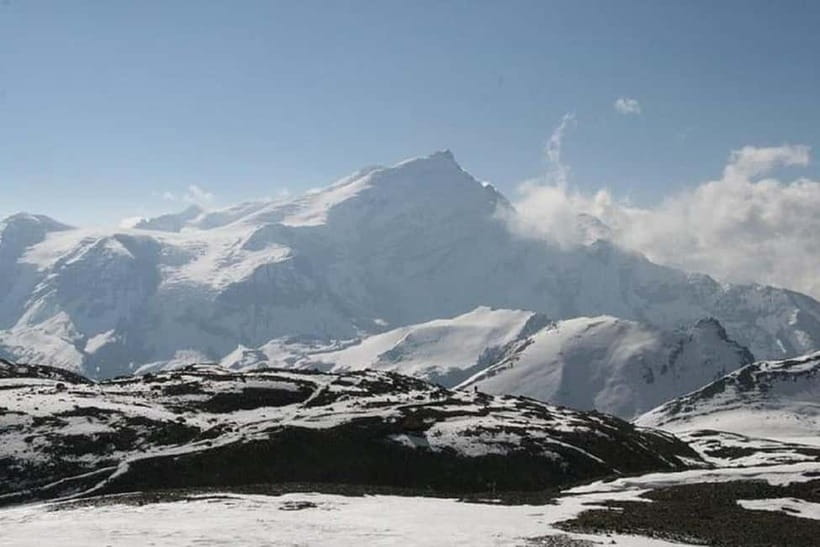
The highest point on this route is 4,130m at Annapurna Base Camp. That’s not a “walk it off” height. The tour also states it is not suitable for people with altitude sickness, which is a big clue that this program expects you to be altitude-ready.
What you can do: pace yourself. Take breaks. Eat what you can, hydrate, and avoid sprinting uphill just because the scenery looks great. If you’ve had altitude issues before, be honest now. This is one trek where bravado can make things worse.
Also note: it’s not suitable for people with mobility impairments, which matters because mountain steps and uneven trails are a daily part of your route.
Who this trek fits best (and who should choose another style)
This Annapurna Base Camp trek works well if you:
- Want an authentic tea house trekking experience rather than hotel comfort
- Like structured days with clear overnight stops
- Are okay with basic accommodation and buying meals during the trek
- Enjoy village life and cultural encounters in the Gurung/Magar sphere
It’s less ideal if you:
- Need mobility-friendly routes
- Are dealing with altitude sickness risk
- Want full meal plans and all-inclusive creature comforts
It’s also best for travelers who don’t mind that it’s a private group experience with a guide who sets the pace and keeps things organized.
My booking verdict: should you go?
I’d book this trek if your goal is Annapurna Base Camp with a practical plan, real mountain villages, and a satisfying recovery day at Jhinu Danda hot springs. The value looks strong because transport, permits, guide/porter support, and tea house lodging are built into the price.
I wouldn’t book if you’re looking for high-end comfort or you already know altitude hits you hard. In that case, you’ll likely be happier with a lower-altitude trek or a route that fits your body better.
FAQ
FAQ
Where do we start the trek from?
The trek starts from Nayapool after a private vehicle ride from your hotel in Pokhara (or from the option you select). After the trek, you’ll return to Pokhara by drive.
What is the highest altitude on this trek?
The highest point is Annapurna Base Camp at 4,130m / 13,550 feet, where you also spend the night.
Is the hot spring actually included?
Yes. You trek to Jhinu Danda, and the plan includes relaxing in the natural hot springs to recover from the hike.
Are meals included during the trekking days?
No. All meals during the trek are not included, and you purchase them along the way.
What kind of accommodation should I expect?
You’ll stay in basic tea houses or lodges during the trek, including an overnight at Annapurna Base Camp.
What’s included besides the trek itself?
Included items cover the ACAP permit, private transportation between Pokhara and the trek starting point, tea house lodging, a government-certified English-speaking guide, porter support, luggage storage in Pokhara, trekking gear as needed (like a trekking stick/sleeping bag), and a first aid kit.
What languages does the guide speak?
The live tour guide speaks English, Hindi, and Nepali.
Who should not take this trek?
The activity is listed as not suitable for people with mobility impairments and not suitable for people with altitude sickness.