REVIEW · KATHMANDU
Upper Mustang Trek – 13 Days
Book on Viator →Operated by Welcome Nepal Treks P.ltd · Bookable on Viator
You can feel the Himalayas shift in Upper Mustang. This 13-day short trek blends Tibetan Plateau-style scenery with walking through the dramatic Kali Gandaki gorge area and into the walled city world of Lo Manthang. If the timing lines up, you may even catch the Tiji Festival on the route.
What I like most is the mix of big scenery and specific cultural stops. I especially appreciate the focus on monasteries and wall-city sites, plus the chance to see long-ago art, like the rock paintings at Ghar Gompa in Dri.
One consideration: you’re traveling on a set schedule that depends on weather, and domestic flights plus mountain conditions can force changes.
In This Review
- Key Things That Make This Trek Worth Your Time
- Upper Mustang: Desert-High Country With a Lo Manthang Twist
- Price and Logistics: What $2,300 Buys You (and Why It Adds Up)
- Getting There: Kathmandu to Pokhara to Jomsom (Then Into Trek Mode)
- Day-by-Day: What You’ll Do and Why Each Stop Matters
- Day 1: Kathmandu to Pokhara
- Day 2: Jomsom to Kagbeni
- Day 3: Kagbeni area to Chele (via Tangbe and Chhusang)
- Day 4: Chele to Syangbochen via Taklam La Pass and Ramchung Cave
- Day 5: Syangbochen to Ghami
- Day 6: Ghami to Tsarang
- Day 7: Tsarang to Lo Manthang (the long-walled city)
- Day 8: Lo Manthang exploration (Durbar + multiple gompas)
- Day 9: Lo Manthang to Dri and Ghar Gompa rock paintings
- Day 10: Dri to Tange via stream crossings, Damodar Kunda, and chortens
- Day 11: Tange to Muktinath, then onward to Jomsom
- Day 12: Jomsom to Pokhara (rest day)
- Day 13: Pokhara back to Kathmandu
- The Real Value: Monasteries, Painting, and the Feeling of Living Faith
- Tiji Festival: A Big Cultural Bonus If Dates Match
- Guides, Porters, and Group Size: How the Trip Feels Day to Day
- Packing Reality for Upper Mustang Short Trek
- Who Should Book This Trek (and Who Might Rethink It)
- Should You Book This Upper Mustang 13-Day Trek?
- FAQ
- What is the duration of the Upper Mustang short trek?
- Where does the tour start and what time?
- Do I get pickup from my hotel in Kathmandu?
- How do you travel from Pokhara to Jomsom?
- How much walking is there during the trek days?
- What does the trek include for permits?
- Is Lo Manthang part of the experience?
- Does the tour include meals?
- What about the Tiji Festival?
- What is the group size?
Key Things That Make This Trek Worth Your Time
- Upper Mustang permits + ACAP included, so you don’t have to sort the paperwork yourself
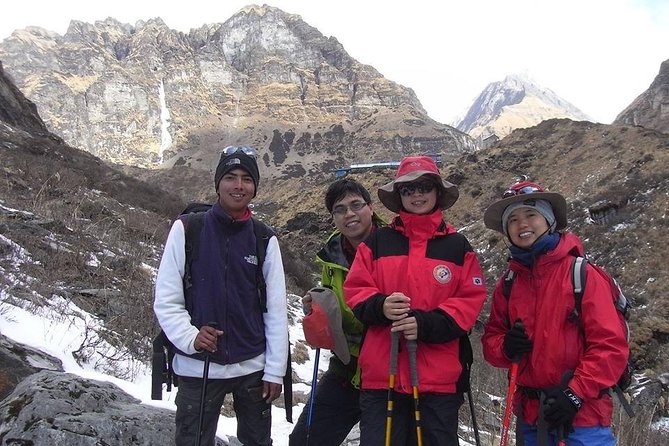
- Small group size (max 15) with an English-speaking guide and porter support
- Lo Manthang wall-city exploration with multiple gompas and historic sites
- Big walking days (about 6 hours daily) mixed with quieter rest time
- Possible Tiji Festival if your dates match the festival calendar
Upper Mustang: Desert-High Country With a Lo Manthang Twist
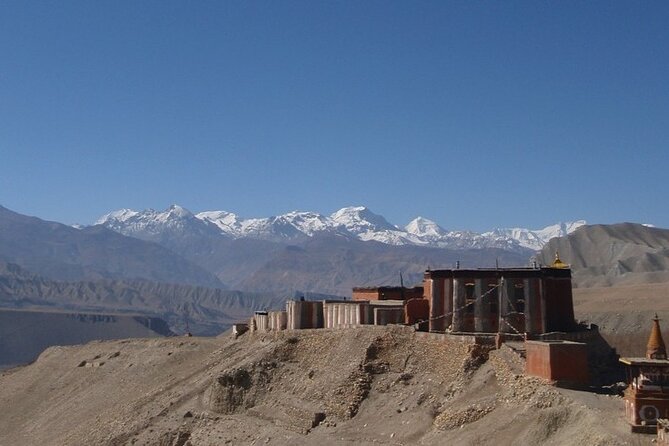
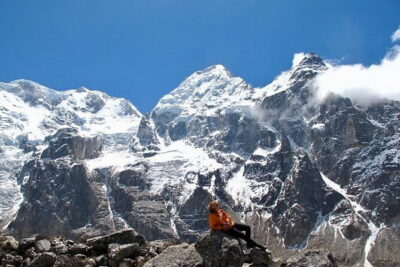
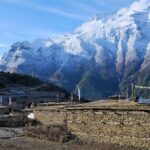
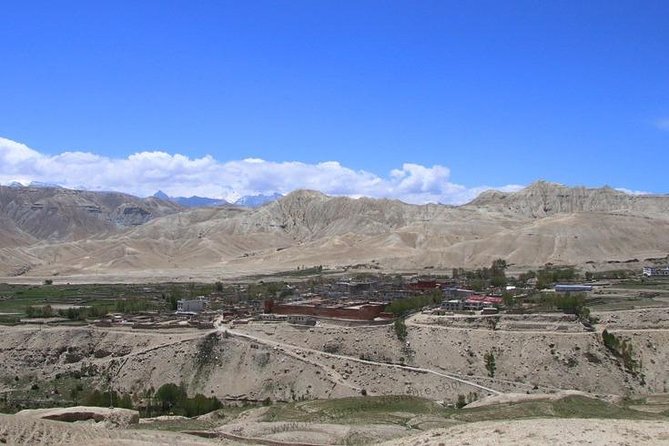
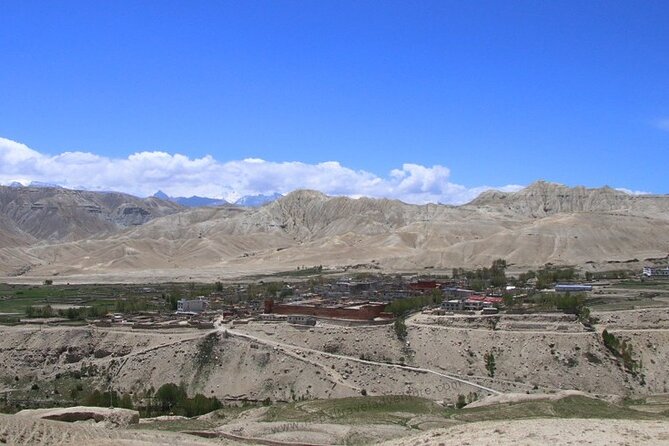
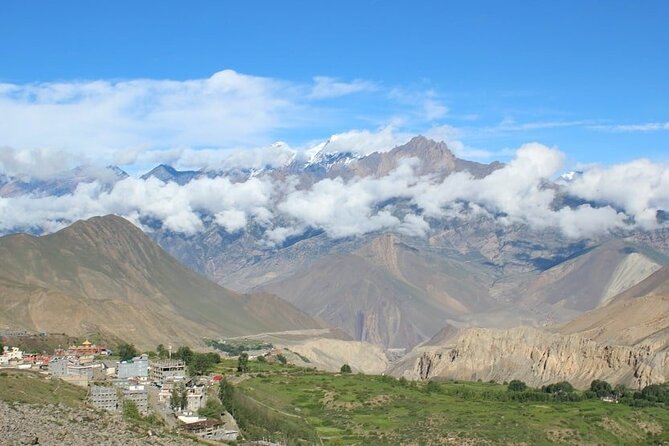
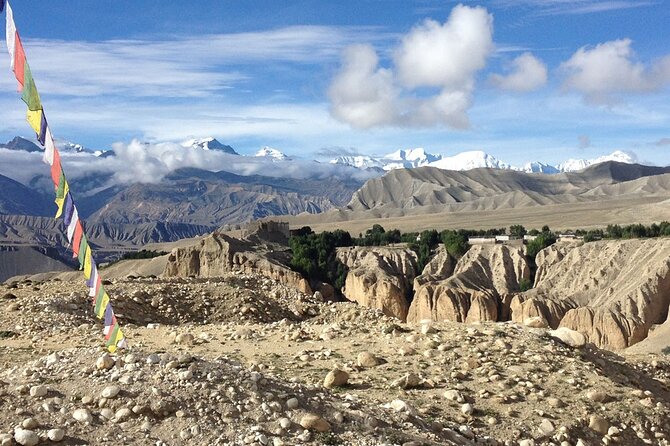
Upper Mustang is often described as a “Himalayan desert,” and the feeling matches: dry air, stark terrain, and wide views that make you look farther than you normally would. Here, the famous Kali Gandaki gorge area frames the walking days, while the route gradually pulls you toward Mustang’s Tibetan-influenced culture.
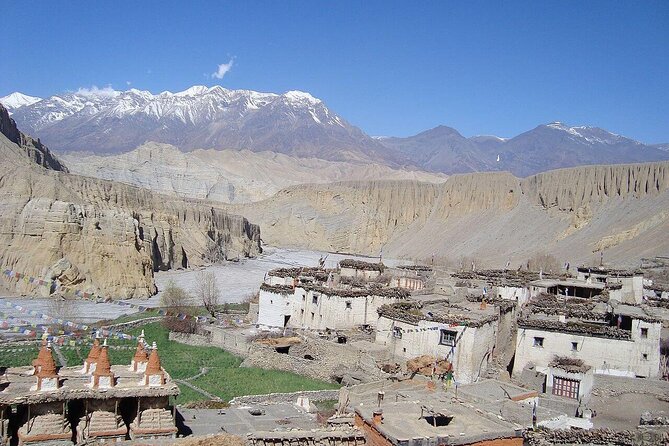
What makes this trip especially interesting is that it’s not just about hiking. You’re also moving through a string of villages—starting in Kagbeni territory and gradually reaching the capital of Lo Manthang—so you get the sense of a living place, not just a viewpoint. And if your timing aligns, you may add the Tiji Festival, one of the biggest cultural moments in the region.
The “short trek” format matters, too. With about a week and change of steady hiking, you still get the remote-feeling Middle Kingdom vibe of Mustang without stretching into an open-ended expedition.
You can also read our reviews of more tours and experiences in Kathmandu.
Price and Logistics: What $2,300 Buys You (and Why It Adds Up)
At $2,300 per person, this trek isn’t budget travel. But it’s also not just a “walking tour” with basic support. Your package includes the stuff that often costs real money and causes real hassle on your own.
You get:
- Domestic flights (Pokhara–Jomsom–Pokhara) plus airport departure taxes
- Upper Mustang special permits and ACAP permits
- An English-speaking guide and porters for trek luggage
- Hotel in Pokhara as listed in the plan
- Meals on trek days (Breakfast 12, Lunch 10, Dinner 10)
That’s a lot of moving pieces handled in one go. It also helps you budget for the “hard parts” of Upper Mustang—permits and air schedules—rather than discovering them later at higher cost.
Two practical notes for your money, though:
1) Major meals in Kathmandu and Pokhara aren’t included, so factor that in.
2) If weather disrupts flights, there can be extra costs for changes or emergencies (the plan notes weather/flight cancellation can affect things).
Getting There: Kathmandu to Pokhara to Jomsom (Then Into Trek Mode)
The trip starts with a morning pickup in Kathmandu. You drive to Pokhara and get an evening at your own pace. This is useful because Pokhara is where you reset—sleep, eat normally for a night, and handle any last packing questions.
Then the route shifts into a very Mustang-style rhythm. You fly from Pokhara to Jomsom, and after landing, you continue by foot toward Kagbeni. The timing here matters: you’re not just sightseeing; you’re transitioning from city travel into high-country village walking.
On paper it looks like “day two = flight + walk.” In real life, that combination is a key reason this trek works well as a short version. You avoid the longest approach routes and still start building altitude and terrain familiarity quickly.
Day-by-Day: What You’ll Do and Why Each Stop Matters
Day 1: Kathmandu to Pokhara
You’re picked up early and driven to Pokhara, then you have free time in the evening. I like this setup because it prevents you from starting trekking the same day you arrive with jet lag energy.
What to expect: easy start, overnight hotel in Pokhara.
Consideration: city meals aren’t included, so plan for one meal on your own.
Day 2: Jomsom to Kagbeni
After breakfast you fly to Jomsom, then continue on foot to Kagbeni. Along the way you pass Ekle Bhatti. The walk is listed around 4–6 hours and ends with an overnight in Kagbeni.
Why it matters: Kagbeni is the “first door” into Mustang’s cultural zone, and the terrain feels noticeably different from classic trekking valleys.
Day 3: Kagbeni area to Chele (via Tangbe and Chhusang)
You gear up for Chele, with Tangbe and Chhusang on the route. The day ends with an overnight in Chele.
What you’re building: walking stamina and a sense of Mustang’s village-to-village pacing.
Reality check: the day is still a solid hike (listed about 6 hours), so don’t plan heavy sightseeing at stops—keep it functional.
Day 4: Chele to Syangbochen via Taklam La Pass and Ramchung Cave
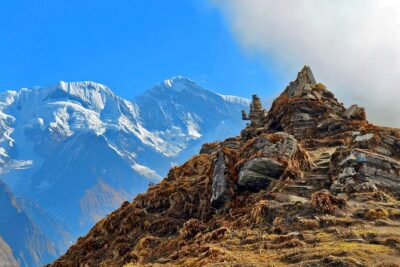
This day is built around a high view moment. You pass Ekle Bhatti again, climb to Taklam La Pass, and it’s described as a spot where you can see Tilicho Peak, Yakwa Kang, and Damodar Dada. You also pass through Samar village and Ramchung cave before reaching Syangbochen.
Why it’s memorable: pass days are where your photos actually look like “I’m in the Mustang universe” rather than “I hiked somewhere pretty.”
Possible drawback: pass climbs can feel long. If you’re not used to sustained uphill, pace early and keep your breathing calm.
Day 5: Syangbochen to Ghami
You move toward Ghami, and the route notes barley fields and mountains. Overnight in Ghami.
Why it’s worth it: this is your “human-scale” day—farms, stone, and a softer rhythm compared to pass day intensity.
Day 6: Ghami to Tsarang
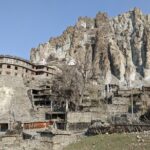
You head to Tsarang, passing features that give you a sense of daily life: willow trees, maze fields, stone-walled houses, and a gompa that pulls your focus.
Why it matters: Tsarang is where Mustang’s built environment starts to look familiar—stone, faith sites, and terraced forms.
Day 7: Tsarang to Lo Manthang (the long-walled city)
Today you push to Lo Manthang, described as the capital city of Manang Lo. You get big views along the way, including Nilgiri, Tilicho, and Annapurna peak (as listed), and then the main arrival moment is Lo Manthang’s long walls.
What you feel here: the trip stops being “walking route” and starts being “place you can explore.”
Day 8: Lo Manthang exploration (Durbar + multiple gompas)
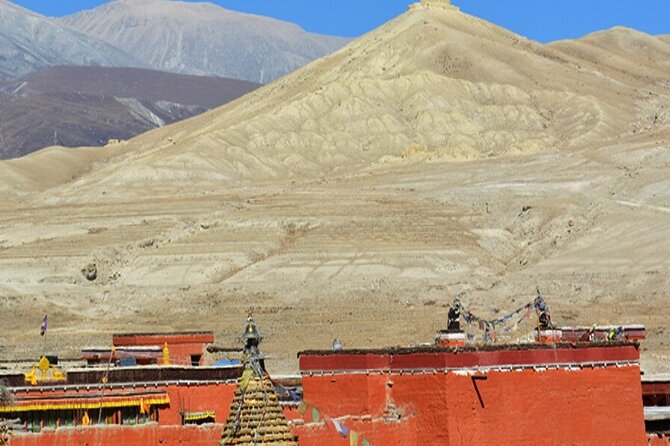
You get a full day in Lo Manthang. You’ll visit several major sites: a four-storey Durbar, Chyodi Gompa, Namgyal Gompa, Tingkhar, and Tall Champa Lakhang Gompa.
Why this day is a highlight: a wall-city day is more than photos. You get history you can point at, buildings you can compare, and a chance to understand how religion is woven into daily life here.
Practical note: this is sightseeing on uneven ground—comfortable shoes matter.
Day 9: Lo Manthang to Dri and Ghar Gompa rock paintings
After breakfast you head up to Dri. The day is connected to the 1200-year-old Ghar Gompa, noted for its rock paintings.
Why it’s special: it’s one of the most “culture-forward” stops on the whole trek because art and age are part of the attraction, not just the view.
Day 10: Dri to Tange via stream crossings, Damodar Kunda, and chortens
You go toward Tange and cross streams (listed as shallow crossings). You also visit Damodar Kunda and pass a series of chorten before reaching Tange.
What to expect: a mix of small watery crossings and spiritual waypoints, which can be a nice contrast after the heavier wall-city day.
Day 11: Tange to Muktinath, then onward to Jomsom
This day includes the climb toward Muktinath. After the long walk, you reach Jomsom and overnight there.
Why it’s valuable: Muktinath is a cultural destination, not just a dot on a map—so you’re combining Mustang trekking with a place that’s meaningful in the region.
Day 12: Jomsom to Pokhara (rest day)
The schedule lists a rest time in Pokhara, with an overnight hotel. This is your decompression day.
How to use it well: eat well, hydrate, and let tired legs become less dramatic.
Day 13: Pokhara back to Kathmandu
After breakfast you drive to Kathmandu by tourist bus.
Why the timing works: it gives you a final morning reset instead of another scramble through mountain days.
The Real Value: Monasteries, Painting, and the Feeling of Living Faith
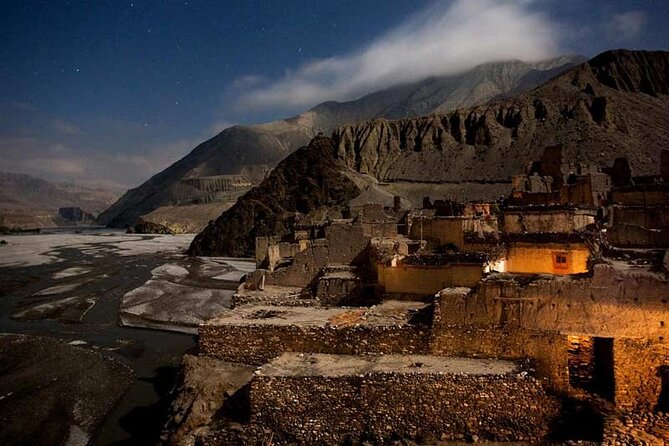
The itinerary keeps pointing you toward spiritual architecture: gompas, durbar structures, and named monastery sites throughout Lo Manthang and beyond. That matters because Upper Mustang isn’t just about altitude; it’s about belief systems, symbols, and art you can actually see.
Ghar Gompa in Dri, especially, is the kind of stop that makes this trip different from generic “views only” trekking. A place with long-lived rock paintings shifts the way you look at the walls and caves. You start noticing what’s preserved and why it’s still relevant.
Even the way the walk moves—village to village, gompa to gompa—creates a gentle pace of cultural learning. You’re not always reading history panels. You’re watching how places are used and remembered.
Tiji Festival: A Big Cultural Bonus If Dates Match
One of the most interesting additions to this trek is the chance to experience the Tiji Festival. It’s not guaranteed, because it depends on when the festival falls compared to your trekking dates.
If you’re set on festival timing, you’ll want to treat your travel dates as flexible if possible. When it does align, it turns a normal “trek with visits” into a shared event moment—color, movement, and ritual centered on the Mustang cultural calendar.
Since the trip explicitly calls it out, it’s worth asking your operator at booking time if your specific departure date lines up with the expected festival window.
Guides, Porters, and Group Size: How the Trip Feels Day to Day
This trip caps out at 15 travelers, which is a sweet spot for Upper Mustang. Big enough to feel social when you want it, small enough that the guide can manage pace and questions without turning into a production line.
You also get a government licensed English-speaking guide and porters to carry your trek luggage. That support can make a real difference, especially when the walk days are listed at about 6 hours.
From the kind of feedback this trek route tends to receive, the guide-and-porter pairing is usually the difference between “hard trip” and “hard trip that you actually enjoy.” A strong guide helps you read terrain, plan timing, and keep group energy steady.
Packing Reality for Upper Mustang Short Trek
Your included support helps, but you still need to pack smart. The listing mentions a duffle bag if necessary, so you’ll want to keep your gear in the format you’ll be handing over.
Practical things to plan around (based on how the route is described):
- Expect steep, pass-including days (Taklam La pass is on the schedule)
- Expect dry, high-country conditions typical of a Mustang desert feel
- Bring layers for mornings and evenings, not just midday comfort
- Wear shoes that handle uneven stone villages and gompa areas
For water and snacks: the package doesn’t include personal expenses like water, tea/coffee, and snacks, so budget for those.
If you’re a first-timer to this kind of trek, prioritize comfort over gear flex. Your main job is to keep moving smoothly.
Who Should Book This Trek (and Who Might Rethink It)
This isn’t a gentle stroll. It’s built for people with moderate physical fitness, and it includes multiple days of about 6 hours of walking.
You’ll likely love it if you:
- want a culture-heavy Himalayan trip, not just scenery
- like village history and monastery visits
- want a “short” version that still reaches Lo Manthang
- care about logistics being handled, including permits and permits paperwork
You might reconsider if you:
- hate scheduled travel days with flights involved
- are very sensitive to fatigue from repeated uphill walks
- need every meal and drink included (cities meals aren’t included)
Should You Book This Upper Mustang 13-Day Trek?
If your priority is a trek that reaches Lo Manthang, includes permit handling, and keeps the focus on monasteries plus named cultural stops (including the rock paintings at Ghar Gompa), then this looks like a strong fit. The price is high, but a lot is already built into it—especially the permits and domestic flights.
Before booking, I’d make two checks:
- Confirm whether your departure dates line up with a possible Tiji Festival window.
- Be honest about your fitness for several days of roughly 6-hour walking plus at least one major pass day.
If those two boxes work for you, you’re likely to come home with more than photos—you’ll have a clear sense of a place where faith, stone, and age-old art are part of the trail.
FAQ
What is the duration of the Upper Mustang short trek?
The trip is listed as 13 days (approx.).
Where does the tour start and what time?
It starts in Kathmandu, with a start time of 6:45 am.
Do I get pickup from my hotel in Kathmandu?
Yes, morning pickup from your hotel is offered.
How do you travel from Pokhara to Jomsom?
You use domestic flights from Pokhara to Jomsom, and the plan includes airport departure taxes.
How much walking is there during the trek days?
Most trek days are listed around 6 hours of walking.
What does the trek include for permits?
You get Upper Mustang special permits and ACAP permits included.
Is Lo Manthang part of the experience?
Yes. You reach Lo Manthang and spend time exploring multiple major sites there.
Does the tour include meals?
Yes. Lunch is listed 10 times, breakfast 12 times, and dinner 10 times. Major meals in Kathmandu and Pokhara are not included.
What about the Tiji Festival?
The trip says you can experience the Tiji Festival if it falls during the days you are on the trek.
What is the group size?
The maximum group size is listed as 15 travelers.