REVIEW · LOMBOK
Mount Rinjani 2D 1N trekking to summit
Book on Viator →Operated by lombok trekking info · Bookable on Viator
Two days to chase Rinjani sunrise. This Mount Rinjani 2D 1N trek to summit is built for people who want the high payoff of a summit-before-dawn climb without spending a week on the mountain, starting and ending in Sembalun. I like how the guides (like Nas and Surya) keep the climb human—clear pacing, friendly energy, and solid English for questions.
My favorite part is the support on the ground: you get real meal planning and camp comfort, plus porters who handle a lot of the heavy lifting so you can focus on your steps. The main thing to consider is that extra costs and access rules can bite: the national park entrance fee isn’t included, and one late-access problem was reported when the park limited entries, and the booking terms are non-refundable.
In This Review
- Key things to know before you hike Rinjani in 2 days
- Why This 2D 1N Rinjani Summit Plan Works for Tight Schedules
- From 7:00 a.m. Pickup to Crater Rim Camp: Day 1 in Plain Terms
- The 2:00 a.m. Summit Push: Day 2 Realities for Sunrise
- Food, Water, and Camp Comfort: What You’ll Actually Get
- Meals and drinks (included)
- Camp setup (included)
- Guides, Porters, and the Pace of a Max-10 Trek
- Price and Logistics: Is $160 Good Value?
- What to Bring (Because Some Key Things Aren’t Included)
- The One Risk to Know: Park Admission Limits Can Change Your Outcome
- Who This Trek Is Best For
- Should You Book This Mount Rinjani 2 Days 1 Night Summit Trek?
- FAQ
- How long is the Mount Rinjani 2D 1N trek?
- What time does the pickup start?
- Where does the trek start and end?
- What’s the daily schedule like?
- What’s included in the price?
- What’s not included?
Key things to know before you hike Rinjani in 2 days
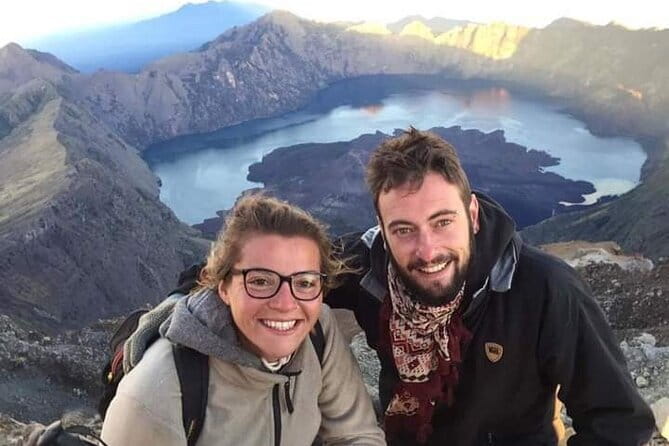
- Crater rim camp on Day 1: you’ll sleep high enough to make the next morning feel serious but doable
- A 2:00 a.m. wake-up: expect a very early start for the final ascent
- Sunrise timing is the point: the summit push is timed so you’re up before the light
- Gear + meals are included: gloves, trekking poles, tent setup, sleeping bag, and mattress are part of the package
- Small-group size (max 10): easier flow on the trail and at camp
- You still need your own footwear and headlamp: those are not in the provided list
Why This 2D 1N Rinjani Summit Plan Works for Tight Schedules
A short trek up Mount Rinjani sounds tempting, and it can be a great fit—if you’re clear-eyed. This route is designed around a fast rhythm: registration in Sembalun, a Day 1 climb to Sembalun Crater Rim for overnight camp, then a Day 2 summit sprint aimed at sunrise.
What makes this plan interesting is how it balances logistics with the big moment. Most time-based stress comes from waking early and keeping energy for the summit push, not from complicated route juggling. You also get a clear start-and-finish pattern: pickup from your area, transfer to Sembalun for the park office, and then return you back to Senaru or Sembalun after the trek.
If you’ve got limited vacation days on Lombok, this format gives you “mountain time” without swallowing your whole trip. It also leaves more calendar space to explore the rest of the island after you’re back down.
You can also read our reviews of more tours and experiences in Lombok.
From 7:00 a.m. Pickup to Crater Rim Camp: Day 1 in Plain Terms
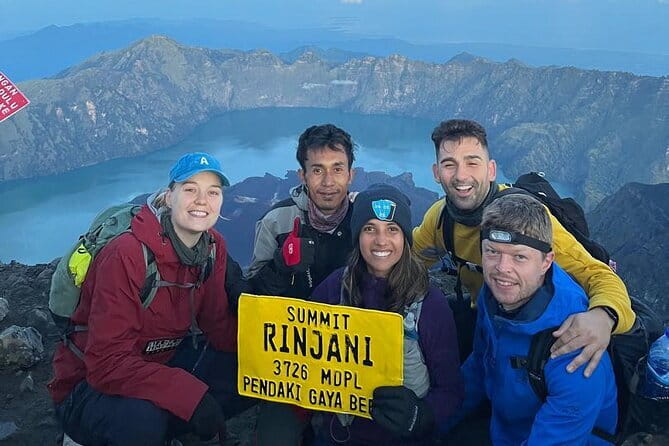
Day 1 starts with pickup around 7:00 a.m., with transfer to Sembalun Village for registration at the Rinjani National Park Office. The trek itself begins around 8:00–8:30 a.m. Depending on where you’re staying (Senaru or Sembalun pickup is listed), plan for travel time and a bit of waiting around registration.
Once you’re on the trail, you’ll pass through different posts as you climb. The goal by the end of the day is to reach Sembalun Crater Rim, where you’ll camp overnight. This matters more than it sounds. Sleeping near the rim helps you avoid a super long Day 1 “all day scramble,” and it sets you up for the early-morning summit attempt.
A practical note: bring patience. Even when the route is “only” 2 days, the altitude and effort stack up fast. Your guides are the difference-maker here. On this trek, the guides you might meet—people like Nas, Surya, Anci, and Reno—are described as kind, funny, and attentive, and that style helps you keep moving without panicking.
What Day 1 feels like: steady effort, lots of time in your legs, and a “we’re here now” feeling once you reach the crater rim camp site.
The 2:00 a.m. Summit Push: Day 2 Realities for Sunrise
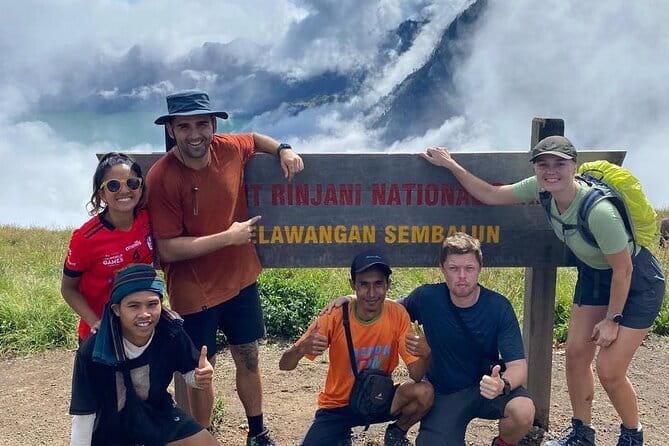
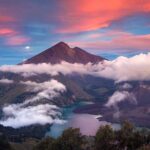
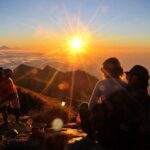
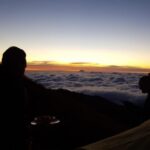
Day 2 is where Mount Rinjani becomes a wake-up-call. You’ll wake up around 2:00 a.m., have a light breakfast, and then begin the challenging ascent to the summit. The timing is built around sunrise photos and views, so you’ll climb in the dark or low light.
This is also why a few items on your own packing list matter. A head lamp/hand torch is explicitly not included, so you should plan to bring one. Without it, you’ll feel slow and clumsy in the final stretches when every step counts.
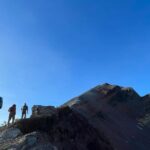
As you climb, keep your expectations grounded: even with guide support and porters handling camp gear, the final ascent is hard. One useful detail from real-world experience on this route is that the last part of the climb—described as a sharp, ridge-like section (the comb)—can feel intense. The payoff is that once the sunrise starts, it tends to wipe out the discomfort fast.
After you reach the summit and enjoy the early light, you descend back to Sembalun Village using the same path as the ascent. That last part is important for planning your energy. Descending isn’t “easy mode.” It can be just as demanding on your knees and thighs, especially when you’re already tired.
Food, Water, and Camp Comfort: What You’ll Actually Get
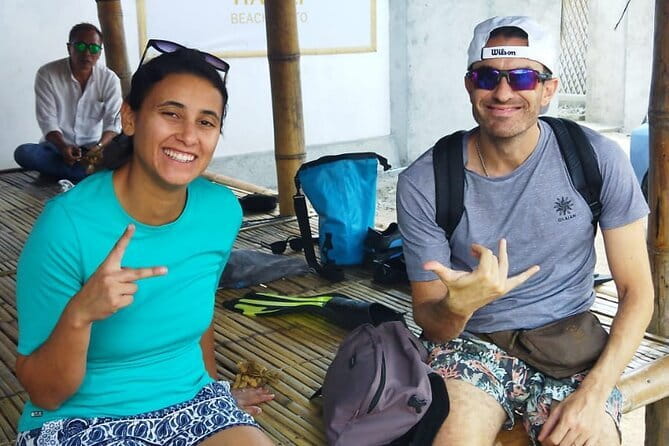
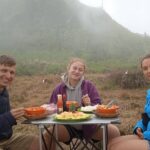
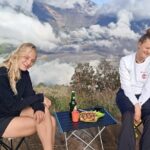
Most 2-day treks live or die by how well they feed you and how workable camp is. Here, meals and camp setup are included, and that’s a big part of why people rate this trek highly.
Meals and drinks (included)
You’ll get lunch, dinner, and breakfast, plus energy-rich snacks. The listed meals are very specific:
- Lunch: fried chicken special with fried potatoes, fried vegetables, fried egg, and steamed rice
- Dinner: chicken curry with egg, vegetable, and rice
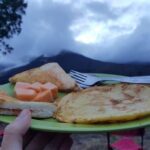
- Breakfast: cheese toast and banana pancake
- Coffee and/or tea
On top of that, you receive food and water during the trek: 3 litres of mineral water per day per person is listed. That’s a practical amount—because on a mountain, “a little water” isn’t enough when you’re working hard in cool air and then back in heat.
Camp setup (included)
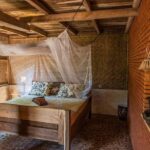
For overnight comfort, you’re provided with:
- Tent, toilet tent, and paper
- Sleeping bags and mattress
- Pillow
- Gloves and trekking poles
This is one of the best value signals in the package. If you’re traveling light, the gloves/poles and sleeping setup reduce the need to rent or buy gear separately.
What you still need to bring: the trek’s item list says trekking shoes and rain jacket/long pants aren’t included. Also, the headlamp/hand torch is not included. Those are non-negotiables for safety and comfort.
Guides, Porters, and the Pace of a Max-10 Trek
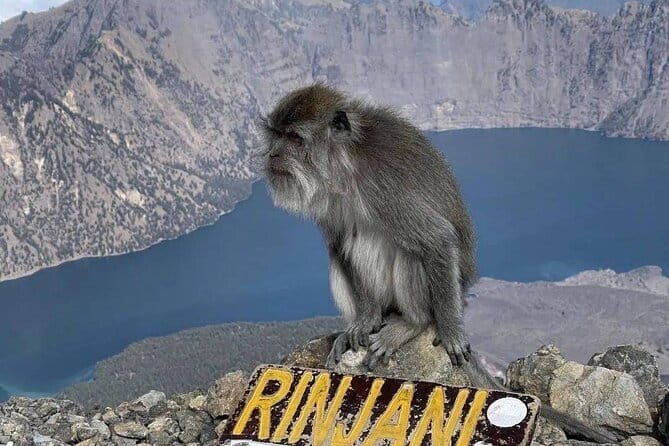
This trek runs with a group limit of 10 travelers, which is a sweet spot for a short mountain climb. Big enough to feel social, small enough to avoid trail chaos and to let the guide manage pacing without constant waiting.
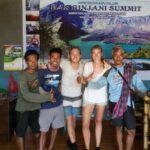
The support structure is also clear: you’ll have experienced, friendly, English-speaking guides, plus porters. Porters aren’t just “extra help.” They’re a core part of how this trek feels manageable. In multiple accounts, porters carry food and cook for the group, and some focus was placed on how they handled the load and made the experience more comfortable.
If you’re hiking with family or mixed ages, this kind of team setup can help. One account described a family of four with two teenagers and emphasized how porters carried so much and helped keep things organized as a unit.
Also, there’s an added bonus that you might notice in how the team behaves on the way up: one report highlighted ecology awareness and picking up rubbish along the route. That’s the kind of good habit you want in a guide team, especially on a place that gets heavy foot traffic.
Price and Logistics: Is $160 Good Value?
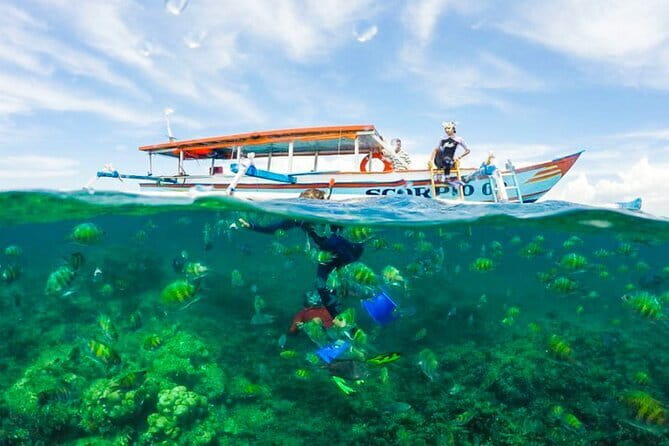
The listed price is $160 per person, and booking is noted as averaging 68 days in advance. On paper, that sounds “reasonable” for a 2-day guided summit trek, but the real question is what’s included versus what costs extra.
What you do get for that price:
- Pickup and transfer from Senaru or Sembalun
- Drop-off after the trek back to Senaru or Sembalun
- English-speaking guides
- Meals: lunch, dinner, breakfast, plus snacks
- Water: 3 litres mineral water per person per day
- Trekking poles and gloves
- Tent + sleeping gear setup
- Toilet tent and paper
What costs extra:
- Rinjani National Park entrance fee: listed as IDR 250,000 per day per person (also stated as IDR 500,000 per person, which fits a 2-day trek)
- Trekking shoes, rain jacket, long pants
- Head lamp/hand torch
- Tips for guide and porters
So is it good value? For most people, yes—because the included camp setup and meals remove the biggest “hidden hassle” costs of a self-arranged climb. The biggest value-loss risk isn’t the price itself; it’s the park entry factor. If access gets limited or denied close to your dates, you can get stuck with disappointment because the booking terms are non-refundable.
What to Bring (Because Some Key Things Aren’t Included)
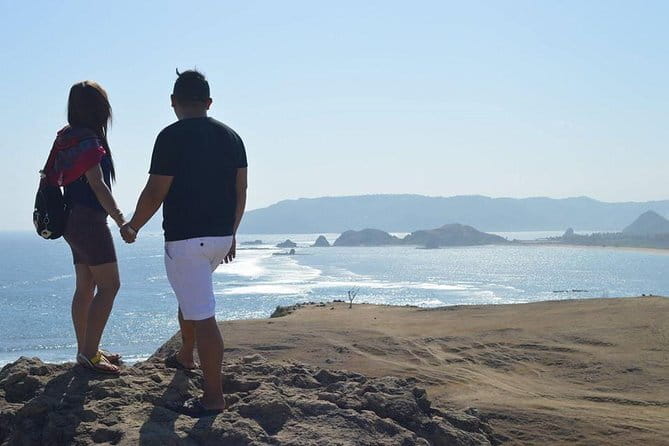
Use the included gear list as your baseline, then fill the gaps.
Bring:
- Trekking shoes (required; not provided)
- Headlamp/hand torch (not provided; important for the 2:00 a.m. start)
- Long pants and a rain jacket (not provided)
- Layers for cold early climbing and possible rain
If you forget layers, you’ll feel it on the early ascent. If you forget footwear, you’ll feel it later on the descent. And if you forget light, you’ll feel it immediately when you’re climbing before sunrise.
The One Risk to Know: Park Admission Limits Can Change Your Outcome
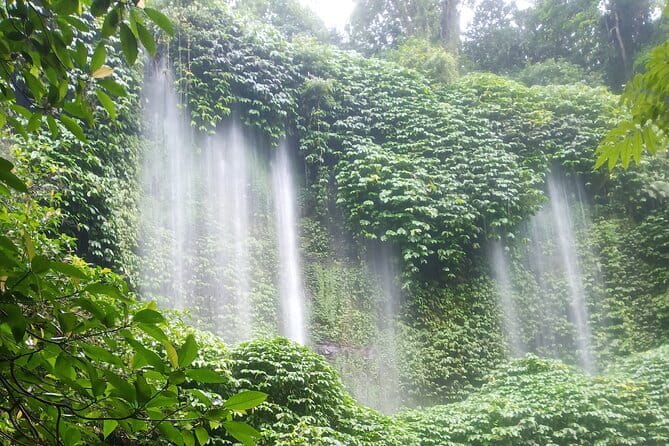
Here’s the part I don’t want you to skip.
One experience described a late problem: the trek was booked well in advance, then the agency said it wasn’t possible to go to the planned viewpoint because the park put a cap on admissions (maximum 250 admissions), and there was no space. That’s not something you can easily predict once you’re close to travel dates.
What you can do with that information:
- Confirm the trek status early once you have your exact date
- Be cautious if you’re planning this as your one “must do” on a single day
- If the operator offers guidance around access timing, treat it as essential, not optional
Also remember: cancellation terms are strict (non-refundable, no changes listed). So plan your dates carefully.
Who This Trek Is Best For
This Rinjani 2D 1N summit trek suits you if:
- You have at least moderate physical fitness
- You’re okay with a very early wake-up and a dark/low-light summit push
- You prefer a guided setup with camp comfort and included meals
- You want a fast route that gives you time to explore Lombok afterward
It might be less ideal if:
- You hate steep climbs and quick turns in altitude and effort
- You don’t have your own proper shoes and you were hoping to borrow everything
- You’re the type who needs zero uncertainty in entry access
Should You Book This Mount Rinjani 2 Days 1 Night Summit Trek?
I’d book it if you want a high-reward climb, you like the idea of small-group guidance (max 10), and you value included camp gear and solid food. The guide team vibe—people described as kind, funny, and attentive—also matters a lot on a tough route like this, and it sounds like this operator puts effort into that.
I’d pause before booking if you’re traveling on a strict schedule where a last-minute access issue would ruin your plans, since at least one account points to admission limits causing trouble late in the process. If you’re flexible and you confirm close to the date, this can be one of your most memorable “short but intense” trips in Lombok.
FAQ
How long is the Mount Rinjani 2D 1N trek?
It’s listed as 2 days (about 2 days total), with an overnight camp on Day 1 and a sunrise summit on Day 2.
What time does the pickup start?
Pickup is listed as 7:00 am, then you’ll transfer to Sembalun Village for registration.
Where does the trek start and end?
The trek starts in Sembalun Village (registration at the National Park Office) and ends back at the meeting point, with drop-off after the trek to Senaru or Sembalun.
What’s the daily schedule like?
Day 1 trekking begins around 8:00–8:30 am after pickup and registration, reaching the Sembalun Crater Rim for overnight camping. Day 2 includes an early wake-up around 2:00 am, a light breakfast, the summit ascent for sunrise, then descent back to Sembalun.
What’s included in the price?
Included items are pickup/drop-off (Senaru or Sembalun), English-speaking guides, meals (lunch, dinner, breakfast) and energy snacks, 3 litres mineral water per day, gloves and trekking poles, and camp gear like tents, toilet tent and paper, sleeping bags, mattress, and pillow.
What’s not included?
Not included are the national park entrance fee (listed as IDR 250,000 per day per person, or IDR 500,000 per person for the 2 days), trekking shoes, rain jacket, long pants, headlamp/hand torch, and tips for guide and porters.