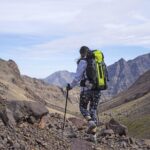
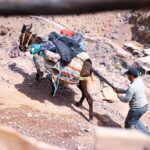
Sunrise on Toubkal is the main event. This fast two-day trek runs from Marrakech to Imlil and up to the mountain on a tight schedule, with meals and an overnight stay planned for you. I like that the logistics feel controlled—pickup, a bilingual driver, and a team that gets you moving early—so you can focus on the altitude and the views. A good guide makes a difference up high, and the names Rachid, Mohamed, and Omar came up as experienced, friendly people in this group’s past trips.
What I really like is the pacing and the food rhythm: a 5:00 am breakfast on summit morning, then snacks on the climb (nuts, oranges, and water) before you head back down. Day one also includes a planned lunch picnic in the mountains, plus dinner and accommodation so you’re not scrambling when you arrive tired and dusty. You’re also in a small group (up to 10), which usually means fewer delays and more attention on the trail.
The one drawback to think about: this experience depends on good weather, and the high start is not optional. If you’re not into early mornings or you’re sensitive to altitude, the schedule could feel demanding even though most travelers can participate.
In This Review
- Key highlights worth knowing before you go
- Marrakech to Imlil: the drive that sets the tone
- Day 1 on foot: Sidi Chamharouch, picnic lunch, and a high refuge night
- Summit morning: the 5:00 am breakfast and the 5:30 am climb
- How “comfortable” is this overnight refuge stay?
- Guides and drivers: what smooth logistics look like in real life
- Price vs. value: is $128.55 a fair deal?
- What to bring so you don’t suffer (and so you can enjoy it)
- Weather, reschedules, and the real meaning of good conditions
- Who this two-day Mt Toubkal trek is best for
- Should you book this Mt Toubkal trek from Marrakech?
- FAQ
- What time does the trek start in Marrakech?
- How long is the Mountain Toubkal trek from Marrakech?
- What’s included in the price?
- Where do we travel to first before the hike?
- What happens on summit day?
- Do you provide food during the climb?
- Is lodging comfortable, and do we sleep in tents?
- How many people are in a group?
- What if weather is bad?
Key highlights worth knowing before you go
- Hotel pickup at 8:00 am sharp with a smooth, air-conditioned drive toward Imlil
- Imlil as your altitude warm-up, sitting about 1,740 m (5,700 ft) above sea level
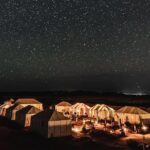
- A refuge overnight (and in summer, an option to use tents) so you’re set up before darkness
- Early summit strategy: breakfast at 5:00 am, start climbing around 5:30 am
- Snacks on the climb (nuts, oranges, water) plus a short summit rest for photos
- Small group size (max 10), which helps the day run without chaos
Marrakech to Imlil: the drive that sets the tone
The whole trip hinges on one simple thing: you leave Marrakech at 8:00 am and head for Imlil, the classic base in the foothills of the Atlas Mountains. The ride is part of the value here. You get pickup from your accommodation and travel in an air-conditioned car with a driver who’s described as bilingual and easygoing—exactly what you want before you swap comfort for climbing boots.
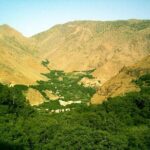
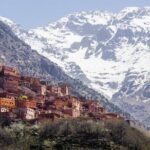
Once you’re out of Marrakech and closer to the Atlas, you start to feel the altitude shift in your lungs and legs. Imlil sits at about 1,740 m (5,700 ft). That’s not “mountain summit” altitude, but it’s enough to remind you you’re not just doing a city stroll. The payoff is that your body gets time to adjust before the steeper stuff.
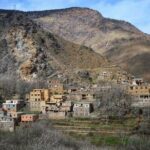
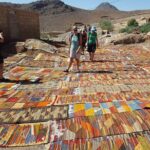
There’s also a cultural thread built into day one: you pass the mountain shrine of Sidi Chamharouch. It’s a small moment, but it helps you see the trek as more than just exercise. This is how people move through these mountains—religion, village life, and trail paths all mixed together.
You can also read our reviews of more tours and experiences in Marrakech.

Day 1 on foot: Sidi Chamharouch, picnic lunch, and a high refuge night
Day one is where the trip earns its “two-day” label. You start walking from the Imlil area, then gradually climb through mountain paths rather than jumping straight into an extreme ascent. The approach is practical: your pace matters more than speed when altitude is in the picture.
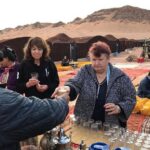
A planned picnic lunch is prepared beforehand by a cook. That matters because it removes decision-making when you’re tired and hungry. Instead of hunting food in remote places, you stop for a break and eat, then continue uphill afterward. You’ll also be gaining elevation steadily—by the time you’re moving upward, you’re described as being over 8,000 feet, and later you reach a refuge around 10,500 feet (as noted in the day one description).
That refuge stop is a key part of the experience. You’re not expected to solve lodging at the end of a long day. Accommodation is included, and the stay is described as comfortable enough that some hikers didn’t feel the need to bring a sleeping bag because they were given a blanket. Still, I’d treat this as a “pack smart” moment: if you run cold at night, bring a warm layer or sleep kit even if the refuge provides bedding.
Why this works: a two-day trek gives you just enough time to feel the mountains without turning it into a week-long mission. The tradeoff is intensity—day one needs to do its job fast, and that’s exactly how this route is set up.
Summit morning: the 5:00 am breakfast and the 5:30 am climb
If you only care about one part, it’s day two morning. The schedule is built around good light and a safer, more manageable climb.
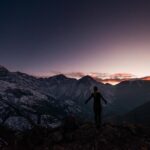
Breakfast is served at 5:00 am, and the climb typically starts around 5:30 am. The early start isn’t just for romance—it’s for conditions. Morning hiking often means cooler air and better visibility, and it helps keep the day from stretching too long.
Most of the ascent is uphill walking, and it’s estimated to take around four hours to reach the summit, including a short break about halfway. On the way up, you’ll be fed nuts, oranges, and water, which is a very workable combination for a quick energy boost without getting heavy meals in your stomach.
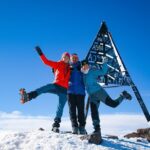
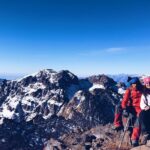
Then comes the reward: once you reach Toubkal’s summit, you get time to rest for about 45 minutes before heading back down. In that window, plan on photographs, short breaks, and taking in the full sense of scale. High mountains don’t look real until you’re above the last bend in the trail.
The return follows the same route, so you’re not stuck guessing where the trail goes. That reduces stress, especially when you’re tired at the end of a big effort.
How “comfortable” is this overnight refuge stay?
This trek is priced like a guided adventure, not a luxury tour. But it also isn’t rough camping, either.
Accommodation is included, and the overnight is described as a refuge with bedding like blankets, and at least one note says the shelter is large enough that a sleeping bag wasn’t required for their comfort level. In the summer months, there’s also an option to use tents at night. That means the “sleep setup” you’ll experience may depend on season and weather.
So here’s the practical takeaway: plan to sleep in mountain conditions. Even if the refuge provides warmth, your comfort will come down to layers and personal temperature preferences. Bring what you need to stay warm, especially because summit day starts extremely early and you’ll want to rest the night before.
Food is one more comfort factor. Dinner is included on day one, and breakfast is included on day two. Lunch is included as well (with the day one picnic). That’s a big deal on a short trek—when meals are organized, you don’t burn energy worrying about where you’ll eat.
Guides and drivers: what smooth logistics look like in real life
A guided trek isn’t just about pointing the way. It’s about pacing, timing, and knowing how to keep a group from turning into a scattered line of impatience on a mountain trail.
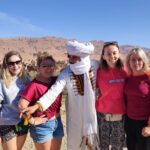
This experience is built around that kind of coordination. You’re picked up from your place in Marrakech, driven in comfort, then met by your tour guide once you reach the mountains. In past experiences, guides like Mohamed, Omar, Rachid, and transport organizers like Abderrahman abbassi were described as friendly, informative, and experienced in the mountains. Drivers like Zacharia were also praised for kindness and for explaining culture along the route.
That last point is underrated. If someone explains what you’re seeing—Berber village life in Imlil, the meaning of places like Sidi Chamharouch, how mountain travel works—you’ll enjoy the walk more. You’ll also understand why certain stops happen when they do.
Group size helps too. With a max of 10 travelers, it’s easier for a guide to adjust pace and keep everyone together, especially when people are managing altitude and energy levels.
Price vs. value: is $128.55 a fair deal?
At $128.55 per person for about two days, this trek’s value comes from what’s already folded in:
- Pickup and transport from Marrakech
- Guide
- Overnight accommodation in a refuge (or tent setup in summer)
- Meals: breakfast, dinner, and lunch (including a day one picnic lunch)
- Small group size
A lot of cheaper-looking options don’t include as much, and then you end up paying separately for guide support, meals, or transport—usually at the worst possible moment, when you’re tired and altitude is knocking you around.
That said, it’s still not a trivial expense for a two-day adventure, so I’d match it to your travel style. If you want guidance, organized meals, and a set plan that gets you to the summit window, the price makes sense. If you’re a confident independent hiker who prefers to manage your own lodging and timing, you might consider DIY planning. But for most people, the included support is the point.
What to bring so you don’t suffer (and so you can enjoy it)
The tour notes say you should take your equipment and passport, and if you don’t have hiking gear, you can rent it there. That’s good, but I’d still think ahead.
At minimum, plan for:
- Layering (cold mornings, possible temperature swings at elevation)
- Comfortable hiking shoes you trust
- A daypack for snacks and water handling
- Passport since it’s specifically mentioned
If you run cold at night, pack for that too—even if blankets are provided. And if you’re sensitive to early mornings, take sleep seriously the night before; this trek starts fast on purpose.
Weather, reschedules, and the real meaning of good conditions
The experience requires good weather. If weather forces cancellation, you’ll be offered another date or a full refund. That’s standard for mountain work, but it’s worth reading as a planning hint: build flexibility into your Marrakech itinerary.
Since the climb is time-sensitive (early start, sunrise conditions, and a planned summit window), the operator needs safe trail conditions. You don’t want to be the person who arrives without a backup day.
Who this two-day Mt Toubkal trek is best for
This is a strong pick if you want:
- A guided summit experience without a long trek
- A plan that includes meals and lodging
- A team that handles timing, so you’re not constantly checking logistics
It’s also a good fit for friends or family who want a shared adventure and appreciate a small group.
It may be less ideal if:
- You dislike very early starts
- You’re managing significant mobility limits (the days involve uphill walking for hours)
- You’re extremely altitude-sensitive
Should you book this Mt Toubkal trek from Marrakech?
I’d book it if you want a structured, small-group climb to Toubkal with pickup, guided pacing, and meals already taken care of. The best part is that the schedule is tight but not chaotic: drivers and guides keep things moving, breakfast and snacks fuel you for the ascent, and the refuge setup means you’re not stuck solving the biggest practical problem of all—where you’ll sleep after hiking all day.
I’d pause and rethink if early mornings and high-altitude hiking feel like a rough match for your body right now. In that case, consider a slower route or another plan that gives more time for acclimatization.
If you’re flexible, comfortable with mountains, and you like the idea of getting real views in a short window, this trek is a solid bet.
FAQ
What time does the trek start in Marrakech?
Pickup is arranged starting at 8:00 am sharp.
How long is the Mountain Toubkal trek from Marrakech?
The experience runs for about 2 days (roughly two days total).
What’s included in the price?
The tour includes a tour guide, accommodation, breakfast, dinner, and two lunches. Personal expenses are not included.
Where do we travel to first before the hike?
You travel to Imlil, a Berber village in the Atlas foothills, about 65 km (40 miles) south of Marrakech.
What happens on summit day?
You get breakfast at 5:00 am, then begin the ascent around 5:30 am. After climbing for about four hours, you reach the summit, rest for about 45 minutes, and then hike back down the same route.
Do you provide food during the climb?
Yes. On summit day you’re fed nuts, oranges, and water, and meals are included across both days.
Is lodging comfortable, and do we sleep in tents?
You stay in a refuge at night. In summer months, there may be an option to sleep in tents.
How many people are in a group?
The tour has a maximum of 10 travelers.
What if weather is bad?
This experience requires good weather. If it’s canceled due to poor weather, you’ll be offered a different date or a full refund.