REVIEW · ETHIOPIA
6 Days Bale Mountains Trekking
Book on Viator →Operated by Armaye Ethiopia Tours · Bookable on Viator
The Bale Mountains are the kind of place you remember. This 6-day trek in Ethiopia strings together big-sky hiking, wildlife moments, and serious elevation, with camping nights at Dinsho, Sodota, and Wasema. You start with park HQ mammals and birds, then work your way toward the rainforest feel of Harenna Forest.
I like the tight, small-group feel (max 10 people) because it keeps the day-to-day pace calm enough to actually enjoy the stops. I also like that the plan is built around specific wildlife targets—Ethiopian wolf odds, mountain nyala territory, and Bale monkey habitat—so you’re not just walking because walking is the thing to do.
One possible drawback: you’re hiking at high altitude, up to around 3,900 meters, so this is not the best choice if your legs and lungs need an easy vacation pace. If you’re comfortable with moderate fitness and steady climbs, you’ll be fine; if not, plan for slower days or consider a gentler itinerary.
In This Review
- Key things that make this trek work well
- Bale Mountains trekking in Ethiopia: what you’re really signing up for
- Price and value: is $488 “fair” for what’s included?
- Start time, pickup, group size, and daily rhythm
- Day-by-day: Dinsho HQ to Sodota, Wasema, and Harenna Forest
- Day 1: Park HQ, juniper woodland birds, and first camp at Dinsho
- Day 2: The 18 km hike to Sodota, plus river views and predator-country odds
- Day 3: Mararo Valley trekking, eagles near verros, and more Ethiopian wolf chances
- Day 4: Geology day—super-volcano history you can feel in the terrain
- Day 5: Drive to Harenna Forest—rainforest trail, bamboo, waterfall, and Bale monkey habitat
- Day 6: Transfer to the airport and end with an easy finish
- Wildlife and birding: what to focus on each day
- Comfort on the trail: food, water, and what camping nights really mean
- Practical tips that matter more than fancy gear
- Who this trek suits best (and who should reconsider)
- Should you book this 6 days Bale Mountains trekking?
- FAQ
- What time does the trekking tour start?
- How long is the Bale Mountains trekking experience?
- Is pickup included from the airport?
- What meals and drinks are included?
- What isn’t included in the price?
- What fitness level do I need?
Key things that make this trek work well
- Small group size (max 10) keeps the hike, spotting, and logistics from feeling chaotic
- High-altitude camps at Dinsho, Sodota, Wasema, and Tokuma give you that real mountain atmosphere
- Wildlife-focused days near park HQ and river corridors improve your odds for endemic species sightings
- A big hike day (18 km) on Day 2 sets a clear challenge level from the start
- Harenna Forest add-on brings a totally different environment: rainforest trail, bamboo, and waterfalls
- A local operations team (Armaye Ethiopia Tours) has a strong track record of smooth coordination and support
Bale Mountains trekking in Ethiopia: what you’re really signing up for
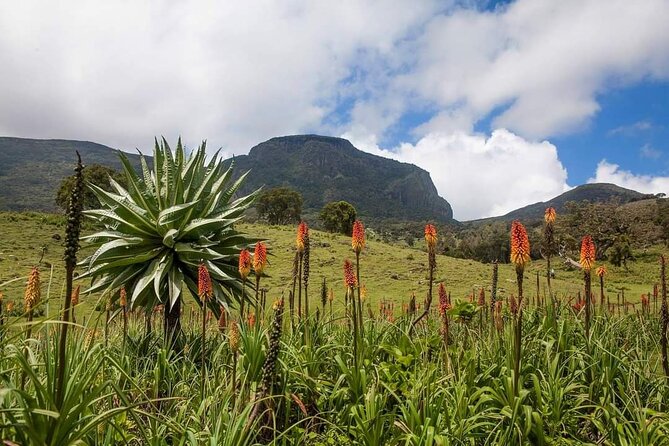
If you’re drawn to Ethiopia for history and culture, the Bale Mountains still deliver something different: wide open space, cold-to-chilly mornings, and long views that feel earned. This trek is designed for nature first travelers who want animals, birds, and terrain changes—not a museum tour dressed up as hiking.
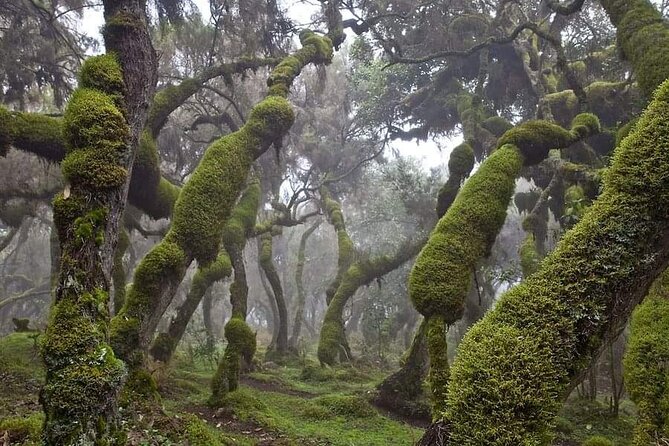
What makes it especially appealing is the mix of ecosystems packed into a short 6 days. You start around park headquarters in the juniper woodland zone, hike through valleys and river country, then drop into the Harenna Forest region, which the itinerary describes as Ethiopia’s second tropical rain forest. That switch matters because it changes the sights, the sounds, and the kinds of animals you might spot.
You’ll also be moving at a pace that’s steady rather than rushed. Some days are about 7 hours, one day about 8 hours, and one longer day at 9 hours—so you get a real trekking rhythm, but you’re not hiking all day with no breaks. The result is a trip that feels like walking through Ethiopia’s variety, one camp at a time.
You can also read our reviews of more tours and experiences in Ethiopia.
Price and value: is $488 “fair” for what’s included?
At $488 per person for ~6 days, the value comes from what’s bundled rather than from a low base price. This package includes all fees and taxes, your accommodation, and your meals: breakfast (5), lunch (5), and dinner (5), plus bottled water and coffee and/or tea. You also get an air-conditioned vehicle, which is a practical win on travel legs between trailheads and camps.
The other value piece is that the trip includes meaningful guided time for wildlife spotting. Even if you’re not chasing every animal, a good guide changes the hike. You’re more likely to notice endemic birds in juniper woodland, scan river corridors for the right mammals, and understand where to look along the trail for what you came for.
The big “watch it” item is what’s not included: domestic flight fee back into the region (if applicable), tips, and personal expenses like alcohol and souvenirs. If your schedule depends on a specific internal flight, budget for that separately. Also, if you prefer eating out or ordering snacks beyond what’s provided, factor in extra spending.
Bottom line: for a guided, camp-based, high-altitude trek with meals and fees handled, the price reads as reasonable—especially with max 10 travelers and an established operator like Armaye Ethiopia Tours.
Start time, pickup, group size, and daily rhythm
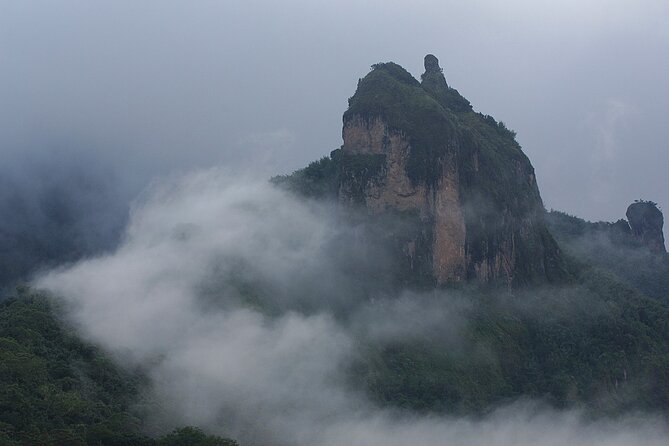
The tour starts at 8:30 am, and the first day includes pickup on arrival to Goba airport, then a drive to Dinsho town and the park headquarters area. That first-day transition is underrated. Showing up ready, not scrambling for transport, makes the whole trek feel smoother.
The group cap of 10 travelers also matters. On wildlife-focused hikes, smaller groups mean less noise, more time to pause, and better chances to see birds or mammals without everyone rushing past the same spot. It also keeps the guide-to-group ratio more workable, especially when you’re at altitudes where you’d rather pace yourself than sprint.
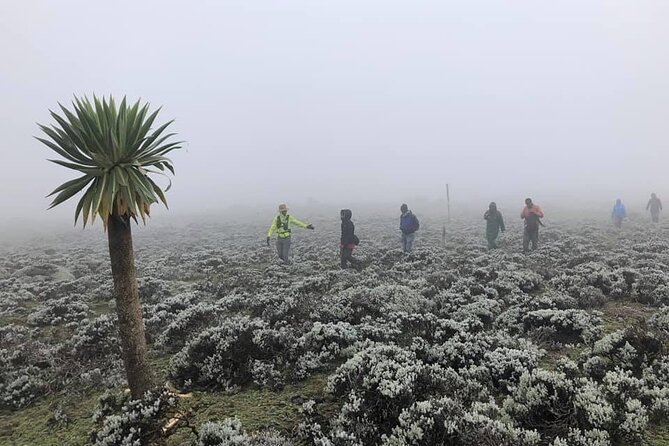
Fitness-wise, the tour asks for moderate physical fitness. The distances and hours suggest that you’ll get days with continuous hiking and some elevation strain. Day 2 lists an 18-kilometer hike, and other days are described in 7–9 hour windows, so think of this as an active camping trek, not an easy walk with frequent stops.
Day-by-day: Dinsho HQ to Sodota, Wasema, and Harenna Forest
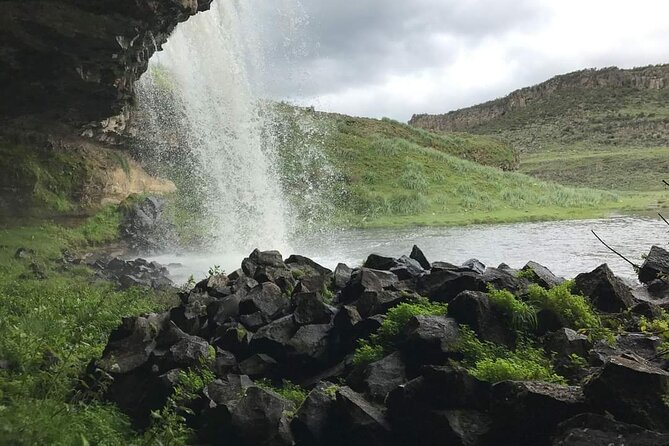
Day 1: Park HQ, juniper woodland birds, and first camp at Dinsho
Day 1 centers on the entrance to Bale Mountains National Park via Dinsho and the park headquarters area. This is where you get the first wildlife “wow” without waiting days: the itinerary mentions endemic/endangered mammals such as Menilik’s Buchbuck, Mountain Nyala, Warthog, Reedbuck, Gray Duikers, and Baboons.
Birding is a major part of the first day too. You’re in juniper woodland around HQ territory, and the plan calls out Ethiopian endemics like Black-headed siskin, Wattled Ibis, and Abyssinian cat bird. If you like the idea of seeing targeted species early, this day is built for you.
You sleep at Dinsho campsite at about 3,100 meters. Practical note: that altitude can affect your appetite and energy. Even if the hike time is manageable, your body will still take a few hours to settle into the mountain pace.
Day 2: The 18 km hike to Sodota, plus river views and predator-country odds
After breakfast, Day 2 is the big hiking effort: an 18-kilometer hike to Sodota Camp. The scenery focus includes the Wolla and Web rivers near Dinsho, and those river corridors are often where wildlife activity increases.
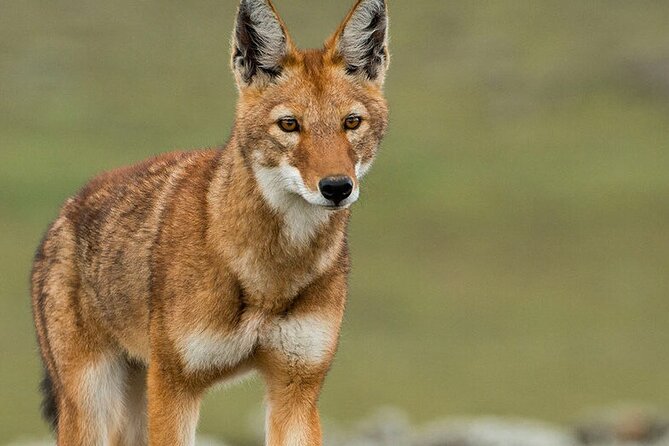
The itinerary also frames animal possibilities around this region, including Ethiopian Wolf, Rock hyrax, and birds of prey. You’re not promised sightings, but the way the day is shaped makes sense: rivers and prey base areas tend to be where you might see the species that eat near ground level or hunt along open patches.
You camp at Sodota around 3,500 meters. Expect nights to feel colder as you gain elevation. Bring layers that you’ll actually use without turning your pack into an overstuffed suitcase.
Day 3: Mararo Valley trekking, eagles near verros, and more Ethiopian wolf chances
Day 3 stays within park terrain and leans into a valley-and-nesting vibe. You pass through Mararo Valley, where the plan says you can look for eagles nesting alongside verros. That detail matters because it suggests the guide will aim you at specific features, not just “keep walking and hope.”
The day is described as about seven hours, with possible wildlife encounters including Ethiopian wolf and several distinctive bird species. If you’ve ever hiked with the wrong group, you know the difference: this sort of trek rewards patience. Slowing down to watch a cliff line or a nesting site can turn a normal walk into a memorable hour.
Overnight is at Wasema campsite at about 3,900 meters, which is the highest point mentioned on the trip. At that elevation, plan for reduced stamina. Even when the route doesn’t feel steep on paper, the air can take effort.
Day 4: Geology day—super-volcano history you can feel in the terrain
Day 4 shifts from animals to the “how this place was made” story. As you trek, you’ll see formation changes in the mountain range that the itinerary links to the eruption of a prehistoric super-volcano. It also notes that the ice age shaped Ethiopia’s relief.
You might not measure volcano history with a ruler, but you will feel it in how the terrain moves: ridges, slopes, and the way the land seems layered. This is the day for travelers who enjoy learning something real while still doing the hard part—walking.
Hiking time is around 8 hours, and the itinerary includes admission tickets, so you’re kept within park-appropriate areas as you move.
Day 5: Drive to Harenna Forest—rainforest trail, bamboo, waterfall, and Bale monkey habitat
Day 5 is a transition day, and those are often the ones that refresh you most. After breakfast you meet the vehicle, then drive toward Harenna Forest, described as the second tropical rain forest in Ethiopia. Even if you don’t know rainforest ecology, you’ll notice the difference: vegetation density, sound, and a trail that likely feels less exposed.
The wildlife list here is longer and more water-and-forest oriented. The plan includes Ethiopian wolf and Abyssinian hare, plus water birds like Blue-winged Goose, Ruddy shell duck, and Wattled Crane.
After the drive, there’s hiking in the forest to a waterfall and a bamboo trail. The itinerary calls out seeing Bale Monkey in the area, along with numerous bird species. This day is the one I’d recommend for anyone who wants a change in scenery more than another wildlife corridor.
You sleep at Tokuma or similar. Since the overnight is not pinned to a precise altitude in the provided info, treat this as your “comfort variance” night: you might feel warmer and more humid after the higher camps.
Day 6: Transfer to the airport and end with an easy finish
After breakfast, Day 6 is a transfer to the airport for your flight back to Addis. The itinerary lists about 2 hours for this move. It’s a good way to end because your body gets a gentle finale after a few days of elevation and full hiking days.
You’ll likely feel a bit emotionally mixed—happy you did it, and already thinking about a return trip. That’s the standard Bale Mountains effect.
Wildlife and birding: what to focus on each day
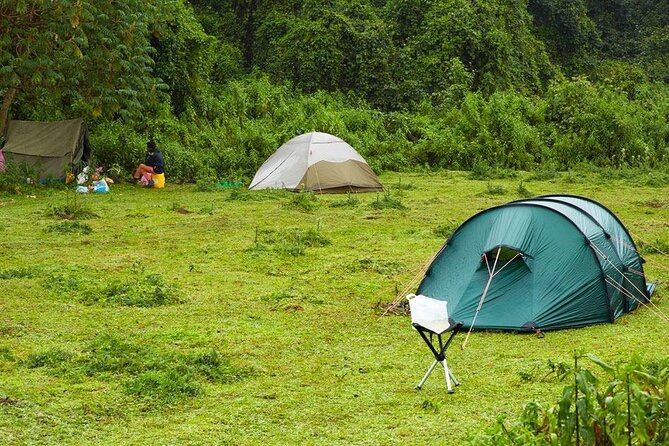
This trek works because it’s not vague about what you might see. The route keeps you in areas known for endemic or region-specific wildlife, and each day has a different “category” of targets.
- Day 1 (Dinsho / HQ) is for endemic woodland birds and a first pass at big mammals like Mountain nyala and Menilik’s Buchbuck.
- Day 2 (rivers to Sodota) is built around wolf-country odds plus small mammals like rock hyrax and raptors.
- Day 3 (Mararo Valley) adds nesting-focused bird watching—eagles near verros—plus another shot at Ethiopian wolf.
- Day 5 (Harenna Forest) turns the volume up on forest and water birds, plus Bale monkey along the bamboo and waterfall areas.
One smart mindset: don’t only fixate on one species. If your only goal is Ethiopian wolf, you can end the trip frustrated. But if you treat each day as “wildlife and birding opportunities with a theme,” you’ll enjoy the process even when the most elusive animal stays hidden.
And yes, you should expect some waiting. Mountain birds and mammals aren’t in a vending machine. The trek’s design—with specific habitat types like juniper woodland and river areas—means waiting is still productive.
Comfort on the trail: food, water, and what camping nights really mean
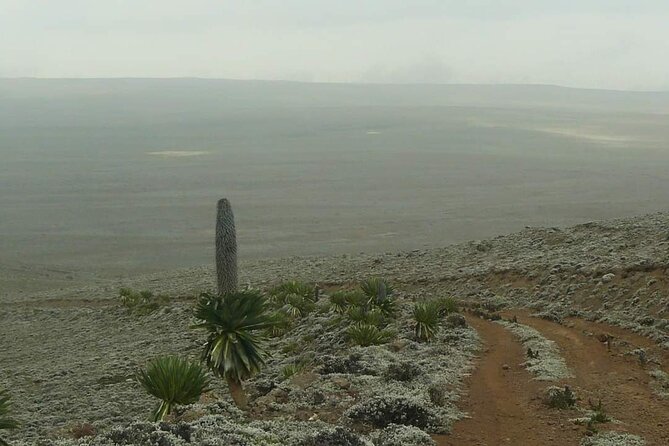
Meals are handled for you: breakfast, lunch, and dinner are included for 5 days. That’s the practical backbone of the trip. It keeps energy up so you can focus on walking and spotting wildlife instead of hunting for food at the end of every day.
The package also includes bottled water and coffee and/or tea. That helps on mornings when you’re trying to wake up and not negotiate with your own stomach at high altitude.
Accommodation is included, with nights at Dinsho, Sodota, Wasema, and Tokuma or similar. Since camping is part of the setup (these are campsites), you should plan for basic outdoor comfort rather than hotel-level convenience. If you’re the type who needs lots of heat and privacy, you might find the camping feel challenging. If you’re okay with “outdoors comfort,” you’ll get more out of the experience.
Practical tips that matter more than fancy gear
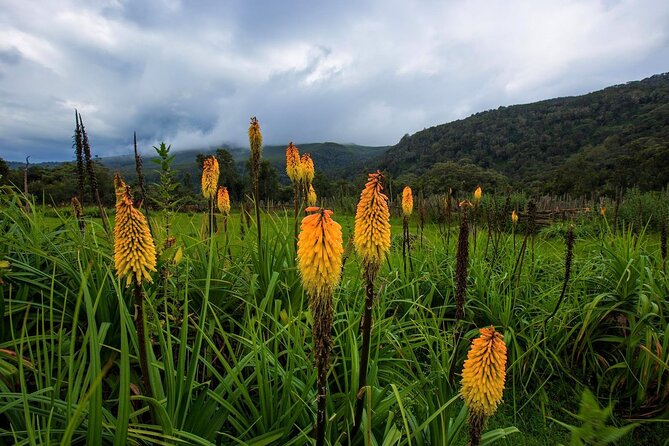
You don’t need mountaineering equipment for a trek like this, but you do need good basics.
First, think in layers. The itinerary climbs from about 3,100 m up toward 3,900 m, and your body will feel it in mornings and evenings. Bring clothing you can peel on during hiking and add back when you stop.
Second, pace yourself for Day 2’s 18 km. It’s the kind of distance that punishes going out too fast. Even if it feels fine early, altitude can catch up later. The best strategy is to move steady, breathe through the harder sections, and save energy for watching and pauses.
Third, keep your eyes open for the “quiet moments.” This trek includes birding and specific habitat scanning (juniper woodland, nesting areas, forest trails). Those are the times when your guide’s local knowledge shows up—especially with guides like Armaye or Awel being noted for care and attentiveness in past experiences.
Who this trek suits best (and who should reconsider)
This is a great fit for you if:
- you enjoy wildlife and birds more than just summiting points
- you like camp-based hiking with nature-focused days
- you’re comfortable with moderate physical fitness and high-altitude conditions
- you want a small group trek with a more personal feel
It may be a tougher choice if:
- you don’t handle altitude well or you need a very easy pace
- you dislike camping nights and basic outdoor accommodations
- you’re looking for a short walk with minimal time on your feet
One more note: the trek duration is listed as approx. 6 days, and the daily hour estimates vary. If you have strict timing for connections, plan buffer time for Ethiopia travel days.
Should you book this 6 days Bale Mountains trekking?
I’d book it if you want an Ethiopia trip that focuses on nature and doesn’t treat wildlife like a side quest. The structure is strong: targeted habitat days, a clear hiking effort profile, and a rainforest contrast with Harenna Forest’s waterfall and bamboo trail.
I’d hesitate if altitude or camping feels like a hard no for you. At 3,500–3,900 meters, the mountains demand respect. But if you can handle moderate hiking and you’re excited by Ethiopian wolf country and Ethiopian endemics in juniper and forest zones, this is a solid choice with practical inclusions like meals, water, and park access handled.
If you book, go in with two goals: walk your route safely, and look closely when your guide stops. That’s where the Bale Mountains pay off.
FAQ
What time does the trekking tour start?
The tour start time is 8:30 am.
How long is the Bale Mountains trekking experience?
The duration is listed as 6 days (approx.).
Is pickup included from the airport?
Yes. On arrival to Goba airport, you’ll be picked up by the tour team and driven to Dinsho and the park headquarters area.
What meals and drinks are included?
The tour includes breakfast (5), lunch (5), and dinner (5), plus bottled water and coffee and/or tea.
What isn’t included in the price?
Not included are the domestic flight fee, tips, and miscellaneous personal expenses such as alcoholic drinks and souvenirs.
What fitness level do I need?
The tour recommends moderate physical fitness.