REVIEW · ETHIOPIA
4 days semien mountain national park trekking,
Book on Viator →Operated by North Ethiopian Tour Operator · Bookable on Viator
Simien Mountains trekking feels wildly remote. This 4-day trek in Simien Mountains National Park takes you through one of Ethiopia’s most dramatic highland regions, with sights tied to iconic peaks like Ras Dashen (4,533m) and wildlife that’s hard to see anywhere else.
Two things I really like about this trip: the small group size (max 4), which keeps the pace and attention more human, and the solid camp setup with tent, sleeping bags, mattresses, and a professional cook so you’re not stuck figuring out logistics after a long day.
One consideration: timing matters. One past trekker specifically said they would not recommend it for the dry season and expected it to be much better after rains, so check season expectations with the operator before you commit.
In This Review
- Key highlights to look for
- Why the Simien Mountains trek is worth 4 full days
- Getting started: Gondar, Debark, and the park office handoff
- Sankaber: your first campsite and where the trip really begins
- Day 2 to Geech Camp: the core walking day feel
- Camp comfort that’s actually useful: tents, sleeping gear, and a cook
- Wildlife priorities in the Simien: Geladas, ibex, and the fox question
- Price and value: what $2,200 buys you in the real world
- Fitness, season, and what to plan around before you go
- Who this trek suits best (and who might feel it’s not right)
- Should you book this Simien trek?
- FAQ
- How long is the Simien trek?
- What’s the starting point for the trek from Gondar?
- How many people are in the group?
- What wildlife does the park mention for this trek?
- What’s included in the price?
- What’s not included?
- Do I need park tickets?
- Is there any requirement for physical fitness?
- Can I bring a service animal?
- Is weather an issue for booking?
Key highlights to look for
- World Heritage Site trek: you’re walking inside a protected area known for rare species and dramatic highland terrain.
- Ras Dashen country: Ethiopia’s highest peak is part of the park’s big-name scale (even if your route doesn’t top it out).
- Wildlife odds: chances for scarlet-chested Gelada baboons, plus Alia ibex and the Simien fox.
- Small group comfort: up to 4 people means less crowd energy and more flexibility with your guide.
- All camp basics handled: tent, sleeping gear, cooking materials, and daily bottled mineral water are included.
- English speaking team + scout: park-side setup includes a guide and a scout, not just a driver with a map.
Why the Simien Mountains trek is worth 4 full days
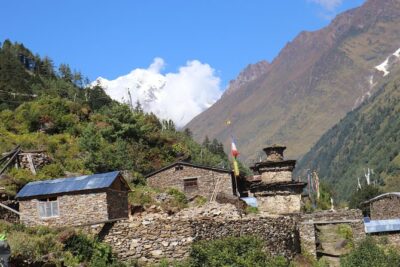
This trek is all about the Simien highlands: steep ridgelines, big drop-offs, and a sense that you’re far from normal life. The Simien Mountains National Park is a World Heritage Site, and that status isn’t just paperwork. It’s tied to a mix of dramatic scenery and wildlife that’s truly regional to these elevations.
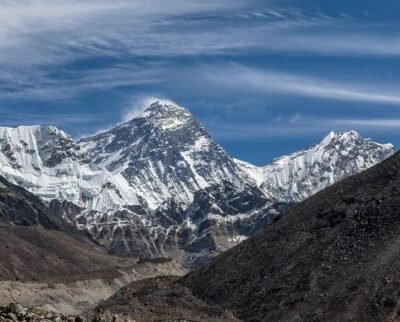
You’ll also be in peak Ethiopia “name-brand” territory. The park includes Ras Dashen, listed here at 4,533m, Ethiopia’s highest mountain. Even if you don’t reach that altitude on the walking route, the fact that this is the home region of the country’s top peak shapes the whole trip: the air feels thinner, the days feel longer, and the views (and patience) come with altitude.
Then there’s the animal factor. The Simien Mountains are known for species that feel almost like they were tailor-made for this place—especially the scarlet-chested Gelada baboon. Add the Alia ibex and the Simien fox, and you’ve got a wildlife-focused trekking experience rather than a hike that’s only about photos.
You can also read our reviews of more tours and experiences in Ethiopia.
Getting started: Gondar, Debark, and the park office handoff
Day 1 starts early, with a drive from Gondar to Debark. From Debark, you do the park-side admin: you arrange your visit with the park office, then receive a scout and guide before driving into the park toward Sankaber.
This part matters more than it sounds. That formal handoff usually sets the tone for the trip—who’s responsible for what, how your timing works, and how well you’ll be integrated into the park’s day-to-day rhythm. It’s also where you’ll start hearing how your route might be adjusted to conditions.
Once you’re inside the park approach, you may have a choice on how you get to camp. The plan can be to drive all the way into Sankaber, or you can opt for a shorter hike if the car drops you near Buyit Ras. That quick hike option is a smart way to stretch the first day and get some early views without turning your arrival day into a full endurance test.
Sankaber: your first campsite and where the trip really begins
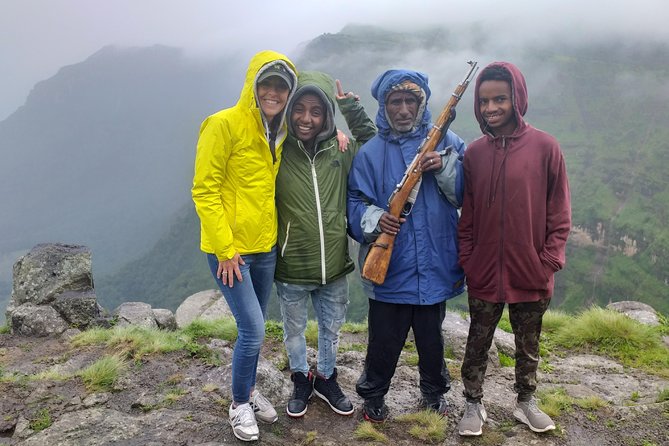
When you arrive in Sankaber, the biggest win is simple: you’re set up, not scrambling. You’ll be met with your supplies for the trek at the campsite, so you can focus on settling in and getting your bearings.
In practical terms, this is the moment to start thinking like a trekking team. Your scout and guide will already be operating with the park context, and camp time is where you’ll learn the daily rhythm—when to eat, when to set out, and how to handle the gear you’ve got on you versus what’s stored.
This is also where your first wildlife chances can show up. During the approach hike near Buyit Ras (if you choose it), the trip notes suggest you’ll likely see Gelada baboons. Even without guaranteeing anything, Geladas are a classic Simien encounter, and knowing that odds are in your favor helps you stay present instead of rushing past the first viewpoints.
Day 2 to Geech Camp: the core walking day feel
The second day is straightforward on paper: trekking from Sankaber to Geech Camp. That “A to B” simplicity is a good sign. It usually means you’ll spend your energy on walking and camp rather than dealing with too many route fragments.
What you should watch for is how altitude and footing stack up day after day. The Simien Mountains are high and steep by nature, and even if your route doesn’t hit the tallest summits, the days can still feel demanding because you’re hiking in a landscape built for elevation. You’ll likely spend time moving over ridges and descending and re-climbing along the way, so pace management becomes your best friend.
The fact that the plan names Geech Camp as a destination also tells you something useful: this is a staged trek with a clear camping point. That reduces uncertainty for your planning—meals, sleeping setup, and rest should all be organized around that camp schedule, not improvised on the fly.
Camp comfort that’s actually useful: tents, sleeping gear, and a cook
This trip includes the stuff that makes the difference between a tough trek and a miserable one: tent, sleeping bags, and mattresses, plus complete cooking materials and a professional cook.
Here’s why that matters for your enjoyment. After a long day of walking, your biggest problem shouldn’t be figuring out where your sleeping gear is, whether the cooking setup is adequate, or how you’ll eat something warm and decent. With camp tasks handled, you get your energy back for the next day.
You’ll also have plenty of food and bottled mineral water every day. That’s a big practical inclusion in remote trekking areas, where water planning can become stressful. It also helps keep your energy steady—especially when trekking days can make your appetite and hydration needs feel bigger than you expect.
Wildlife priorities in the Simien: Geladas, ibex, and the fox question
If wildlife is part of your reason for booking, the Simien Mountains National Park is a strong match. The park’s listed animals include the scarlet-chested Gelada Baboon, plus Alia ibex and the Simien Fox. You’re also in a region described as having over fifty species of bird, which means even if mammals are quiet, you’re not out of wildlife opportunities.
Geladas are often seen in social groups, and the trek description specifically flags the possibility of seeing them early during the approach hike. If you’re the kind of hiker who likes to stop and look rather than just keep walking, this trip rewards that habit.
As for the Alia ibex and the Simien fox, treat those as “target species” rather than automatic sightings. Even in well-known parks, timing, temperature, and trail activity change animal behavior. Your best strategy is to stay calm, walk steadily, and listen to your guide/scout if they point out animal sign.
Finally, don’t overlook birds. When a trek explicitly notes many bird species, it usually means there’s enough variety in elevation and habitat that you can spend time watching without the day feeling wasted.
Price and value: what $2,200 buys you in the real world
At $2,200 per group (up to 4), this isn’t a budget trek. But the value angle is that a lot of the hardest-to-organize parts are built in.
You’re paying for a package that covers:
- 4WD transportation to and from Gondar
- English speaking guide plus a scout
- All entrance fees
- Camp infrastructure like a tent, sleeping bags, and mattresses
- Plenty of food plus bottled mineral water
- Complete cooking materials and a professional cook
That’s not just “logistics.” In remote trekking areas, these items are where costs can balloon if you try to DIY. You also avoid the stress of hunting down reliable gear, figuring out who handles park access, or arranging kitchen capability when the schedule is tight.
What’s not included is equally important:
- Alcohol
- Personal insurance
- Flights
- Tips
If you’re comparing options, count the “hidden effort cost.” This trek includes the operational backbone—so your time goes to walking, wildlife, and camp life rather than problem-solving.
Fitness, season, and what to plan around before you go
This experience asks for moderate physical fitness. That’s a helpful baseline because it tells you this trek is not pitched as a casual stroll, but it also isn’t marketed as a technical climbing expedition. The hiking days are the product. Your best move is to train for sustained uphill/downhill walking and pack smart for long hours on your feet.
Season is your other big lever. The trek information notes that it requires good weather, and one past trek comment suggested avoiding the dry season and expecting better results after rains. That lines up with how many highland trekking routes behave: after rains you can get more dramatic conditions and greenery, while dry periods can feel harsher on the body and the ground.
So before you book, do two practical things:
- Ask what conditions are like during your dates
- Plan your expectations around weather windows, not calendar slogans
Altitude is part of the Simien deal. The park includes Ras Dashen (4,533m), so even if you don’t personally climb that high, your body may still react to high-country hiking. Go steady, drink water, and avoid turning every day into a race.
Who this trek suits best (and who might feel it’s not right)
This is a good fit if you want an organized Simien trek with a small group and real camp support. The maximum of 4 people tends to appeal to couples, friends, or solo hikers who want personal attention without feeling like they’re in a big herd.
It also fits you if wildlife is a priority. The park’s listed species—especially Geladas and the Alia ibex—make the trek feel like more than scenery-watching. Plus, the included scout and the named wildlife focus suggest you’ll have the human guidance to notice what’s around you.
Who might hesitate? If you strongly prefer predictable, dry, easy-footing trekking, the dry-season warning from a previous trek comment is worth taking seriously. And if you’re expecting a luxury experience, remember: this includes tents and sleeping gear, not hotel-style comforts.
Should you book this Simien trek?
I’d book if you want a well-run Simien Mountains National Park trekking trip that handles the hard parts—park access, English guidance, a scout, camp setup, meals, and transport. The $2,200 group price can feel steep until you price out what’s included here: 4WD, entrance fees, food, bottled water, and a professional cook.
I’d pause and ask extra questions if you’re set on specific dates tied to dry-season travel, or if you want a clearer sense of seasonal conditions for your route. And if you’re the kind of traveler who hates ambiguity, ask how your approach to Sankaber works (drive all the way versus the Buyit Ras hike option) so you can plan your first day energy.
If you want a short, focused highland adventure with strong wildlife odds and camp support that makes sense, this one is easy to recommend.
FAQ
How long is the Simien trek?
It runs for about 4 days.
What’s the starting point for the trek from Gondar?
You depart early from Gondar to Debark, then arrange with the park office and drive into the park toward Sankaber.
How many people are in the group?
The maximum group size is 4 travelers.
What wildlife does the park mention for this trek?
The park highlights scarlet-chested Gelada baboons, Alia ibex, Simien fox, and over fifty species of birds.
What’s included in the price?
It includes an English-speaking guide, scout, 4WD transportation to and from Gondar, all entrance fees, tent, sleeping bags and mattresses, plenty of food, and bottled mineral water daily, plus complete cooking materials and a professional cook.
What’s not included?
Alcohol, personal insurance, flights, and tips are not included.
Do I need park tickets?
Entrance fees are included, so you don’t need to purchase park admission separately for this experience.
Is there any requirement for physical fitness?
Yes. The trek is for people with a moderate physical fitness level.
Can I bring a service animal?
Service animals are allowed.
Is weather an issue for booking?
The experience requires good weather. If it’s canceled due to poor weather, you’ll be offered a different date or a full refund.