REVIEW · HANOI
Sapa Hard Trekking by Bus for 2 days
Book on Viator →Operated by Wati Travel · Bookable on Viator
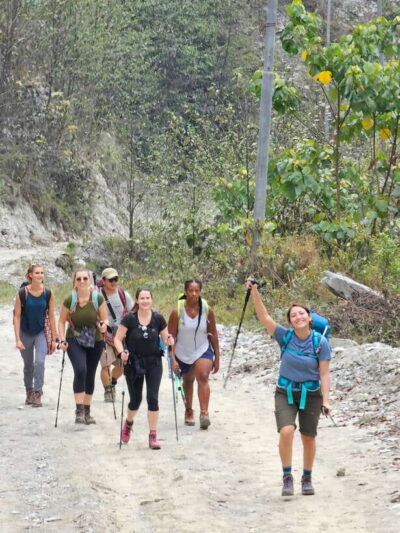
Sapa’s trails start with an early Hanoi pickup. What makes this trip interesting is that you do more than walk through the scenery: you spend the night in a homestay with a local family, then hike between ethnic villages (H’Mong, Tay, and Red Dzao) in mountain valleys. I also like how the day is paced around real human moments—lunch on arrival and cooking dinner with your hosts—rather than nonstop trekking with no context. One catch: it’s built for active people and rustic conditions, so if you want hotel-style comfort or an easy stroll, this may feel like too much.
You’ll walk about 10 miles (16 km) total, with Day 1’s trek lasting roughly 3–4 hours. That active level is the real decision point here, along with the long travel day by coach from Hanoi. If you’re the type who packs good walking shoes and doesn’t mind simple, village life, you’ll probably love the way the trek connects valley views to actual community routines.
In This Review
- Key highlights you should know
- Day 1 from Hanoi Old Quarter to Lao Chai and Ta Van
- The homestay night in Ta Van: cooking, learning, and starry skies
- Day 2 trek: bamboo forest to Giang Ta Chai and Red Dzao weaving
- How hard is this trek really? Fitness, gear, and real-world comfort
- Meals, bottled water, and what you should budget for drinks
- Transportation value: air-conditioned coach plus long travel days
- Is $97.44 good value for two days in Sapa?
- Should you book this Sapa Hard Trek by Bus?
- FAQ
- How far do you walk on the 2-day Sapa trek?
- Which villages will you visit during the trek?
- What does the schedule look like on Day 1?
- What happens during the homestay night?
- What meals and drinks are included?
- What age and fitness level do you need?
- Can I cancel for a full refund?
Key highlights you should know

- Homestay dinner with a local family: You cook together in their traditional way and eat where you sleep.
- Village-to-village hiking: Lao Chai (H’Mong) to Ta Van (Tay) on Day 1, then Red Dzao territory on Day 2.
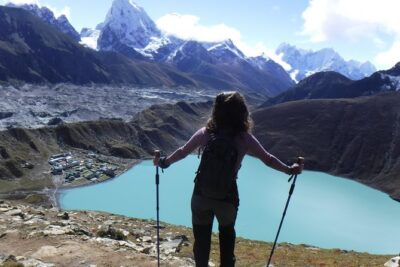
- Big valley viewpoints, both directions: You get stops with top views and bottom views of the rice paddies and mountains.
- Small-group feel: Maximum 20 travelers, with a local English-speaking guide.
- Rain-forest-to-village change of scenery: Day 2 includes a bamboo forest walk before reaching Giang Ta Chai.
- Meals handled for you: Breakfast, lunch, dinner, plus bottled water—drinks are the main extra cost.
Day 1 from Hanoi Old Quarter to Lao Chai and Ta Van
The day starts early, because the bus needs time to reach Sapa. Pickup runs between 6:15 and 6:30 am from the Hanoi Old Quarter, then you leave for the mountain region. There are one or two short breaks en route, which is helpful for stretching your legs before the walking begins.
You arrive in Sapa town around 12:30 pm. After check-in logistics with the staff, you go for lunch, then transition into trekking. Day 1 is where the trip earns its name: you trek about 3–4 hours, moving through the valley villages of Lao Chai (H’Mong people) and then Ta Van (Tay people).
What I like about this Day 1 route is the rhythm. You’re not just hiking a straight line; you’re moving through lived-in places where terraces, streams, and footpaths shape everyday life. The itinerary also builds in view moments, with spots that show you the valley from above and from lower down, so you can really read the terrain instead of just seeing a few pretty angles.
The possible drawback on Day 1 is the timing. You start the trek after a long coach ride and lunch, and you’ll likely feel it if you’re not used to uphill steps. Also, you’ll want to accept that by the time you reach your homestay late afternoon, you may be hungry and ready to rest rather than exploring for hours.
You can also read our reviews of more tours and experiences in Hanoi.
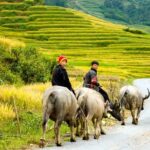
The homestay night in Ta Van: cooking, learning, and starry skies

You reach the homestay around 5:00 to 6:00 pm. The hosts welcome you, and one of the best parts is that you don’t just sit down to a meal—you have a chance to cook dinner together in a traditional way. That small shift matters. It turns the trip from sightseeing into something more human: you’re helping with dinner, asking questions, and seeing how the family’s day flows.
In a lot of homestays, you get a bed and a meal. Here, the program leans into interaction: you eat, you learn about the hosts’ life, and you enjoy the night sky in the village. You’ll likely be tired after the walk, so the starry night moment feels less like a staged add-on and more like a calm reward.
Rustic conditions are part of the deal. Comfort will vary by homestay setup, and you should assume this is not a modern hotel experience. If you’re fine with that—if you’re comfortable being flexible—this is where the trip usually becomes memorable.
Also, keep in mind that dietary needs should be shared at booking time. The tour includes meals, so the clearer you are about requirements, the less stressful the night will be.
Day 2 trek: bamboo forest to Giang Ta Chai and Red Dzao weaving
Day 2 starts with breakfast, then you head back out to walk again. The trekking route goes through a bamboo forest, which is a nice contrast to Day 1’s open valley views. Even if you’re already enjoying the scenery, a forest section changes the feel of the hike: less wide-panorama looking and more steady walking, shade, and quiet.
After the bamboo forest, you reach Giang Ta Chai, the village of the Red Dzao people, known for weaving skills. This is one of those “small time, big meaning” parts of a trek. You’re not just passing a point on a map—you’re entering a community where crafts are part of daily life and identity. Even with a brief visit, it gives your hike context: the terrain you walked through connects to how people earn a living and preserve skills.
Once trekking finishes, lunch comes next. After lunch, you transfer back toward Sapa by car or bus. Then the return journey to Hanoi begins: you get on the bus at 3:30 pm to go back to Hanoi city.
A practical detail I appreciate is that your dinner is prepared and given to you before the bus arrives in Sapa. It helps you avoid the common problem of being hungry but stuck in transit with no good food options nearby. Around 10:00 pm, you reach Hanoi, and the trip ends at a bus station or bus office.
How hard is this trek really? Fitness, gear, and real-world comfort
The tour is described as “hard trekking,” and the number that matters most is the walking total: about 10 miles (16 km) over two days. Day 1’s trek alone is 3–4 hours, so even before you add Day 2, you’re already doing a solid active day.
What does that mean for you? If you can handle a few hours of uphill or uneven paths without feeling completely cooked, you’ll probably be okay. The program notes that it’s suitable for active participants comfortable with rustic conditions, which is the other big factor. Rustic doesn’t just mean the homestay bed. It also means the trail itself might be muddy, the paths may be narrow, and you won’t have the kind of facilities you get in a city.
Gear recommendations are straightforward and worth taking seriously:
- Sporty clothes
- Good walking shoes
- Hat and sunglasses
I’d also bring a light rain layer if you’re traveling in cooler or wetter months, since Sapa weather can shift quickly. And bring a small daypack you don’t mind getting a bit dusty.
One more consideration: the minimum age is 14, and children must be accompanied by an adult. If you’re bringing teens, be honest about their hiking stamina and comfort with village overnight living.
Meals, bottled water, and what you should budget for drinks
The tour includes the meals mapped to the schedule:
- Breakfast
- Lunch
- Dinner
Plus bottled water
This is great value because it removes a lot of decision fatigue. You don’t have to hunt for food between bus legs and treks, and you won’t need to guess if the homestay kitchen can handle dietary needs—assuming you mention requirements at booking.
The part that costs extra is mainly drinks. The itinerary notes that drinks are not included. So, if you want soda, tea, coffee, or any other extras, plan to pay out of pocket. It’s also smart to have a little cash on hand for small purchases, since village options can be limited.
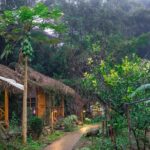

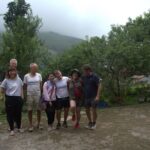

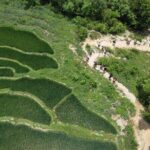
Transportation value: air-conditioned coach plus long travel days
The included transportation is round-trip by air-conditioned coach from Hanoi, and you get pickup within the Old Quarter only. That matters because Hanoi can scatter groups across different hotels, and pickup rules can affect your start time and convenience.
You should also be prepared for the travel rhythm:
- Early departure from Hanoi
- Arrival in Sapa around midday
- Return to Hanoi late evening
Long road time can make you feel stiff, so use those short breaks and do a little stretching. It also helps to travel light if possible, because you’ll be moving between vehicles, walking, and staying overnight.
One more practical note: the program says any transportation during the trekking isn’t included. That’s typical for hikes, but it’s worth understanding up front so you’re not expecting shortcuts or rides between village points.
Is $97.44 good value for two days in Sapa?
At $97.44 per person for roughly two days, you’re paying for more than a walking route. You’re paying for:
- Round-trip coach from Hanoi
- A local English-speaking guide
- Homestay overnight
- Multiple meals (breakfast, lunch, dinner)
- Bottled water and included taxes/fees
For Sapa treks, the big value piece is that logistics are handled. You don’t need to arrange transport, guide, and overnight village lodging separately. That reduces the common headache of piecing together a remote itinerary where schedules and handoffs can get messy.
That said, this is not a luxury outing. If you measure value by modern comfort and private transfers, the price might feel too high. If you measure value by guide-led access to village life plus meals plus transport in one package, it looks much more reasonable.
Also, with a maximum group size of 20 travelers, you should still feel like you’re in a manageable group. It’s big enough for practical coordination, small enough to keep the homestay conversations from feeling like a factory line.
Should you book this Sapa Hard Trek by Bus?
Book it if you want a trek that connects terraced valley views with real community time, not just a sightseeing walk. If you’re comfortable walking about 10 miles (16 km) total, and you’re okay with rustic overnight conditions, this is one of the more complete ways to experience Sapa in a short time.
Skip or switch to a gentler option if you need lots of comfort, if your fitness level is low, or if you’re traveling with someone who gets stressed by early mornings and long road days. This tour rewards people who show up ready to move, listen, and enjoy simple village moments.
If you do book, plan your packing around the walking (shoes, hat, sunglasses) and be clear about any dietary needs at booking time. That’s how you make the homestay night feel welcoming instead of complicated.
FAQ
How far do you walk on the 2-day Sapa trek?
The total walking distance is about 10 miles (16 km) over two days. Day 1 trekking typically lasts about 3–4 hours, and Day 2 includes a bamboo forest walk and trekking to Giang Ta Chai.
Which villages will you visit during the trek?
Day 1 passes through Lao Chai, the village of the H’Mong people, and then Ta Van, the village of the Tay people. Day 2 takes you to Giang Ta Chai, the village of the Red Dzao people.
What does the schedule look like on Day 1?
Pickup from the Hanoi Old Quarter is between 6:15 and 6:30 am, with one or two short breaks on the way. You arrive in Sapa town around 12:30 pm, have lunch, then trek for 3–4 hours through Lao Chai and Ta Van. You arrive at the homestay around 5:00 to 6:00 pm.
What happens during the homestay night?
You stay overnight in the homestay with a local family. The host family welcomes you, and you have a chance to cook dinner together in their traditional way. You then eat dinner, learn about the hosts’ life, and enjoy the night in the village.
What meals and drinks are included?
Meals included are breakfast, lunch, and dinner based on the itinerary, plus bottled water. Drinks are not included, so you’ll need to pay for anything extra you want to drink.
What age and fitness level do you need?
The minimum age is 14, and children must be accompanied by an adult. The tour requires good fitness and comfortable participation in rustic conditions.
Can I cancel for a full refund?
Yes. You can cancel for a full refund if you cancel at least 24 hours before the experience’s start time. Free cancellation is available, but changes within 24 hours of the start time are not accepted.