REVIEW · KATHMANDU
10-Days Private Langtang Valley Trek in Nepal
Book on Viator →Operated by Nepalaya Treks & Expedition · Bookable on Viator
Langtang Valley delivers big mountain moments fast. I like the way this private setup pairs an easy-to-follow route from Kathmandu with Kyanjin Gompa culture, then caps it with the Tserko Ri sunrise payoff. I also like that you get a real, English-speaking guide and solid planning support from Nepalaya Treks & Expedition, with Mr Basu as a key contact you can trust for smooth coordination. One consideration: you still need moderate fitness and you’ll spend several days walking and traveling through switchback roads, so go in ready for steady effort and changing mountain weather.
What really makes this trek feel practical is how the schedule blends village trekking with a high-altitude break. You’re not just rushing uphill; you get the monastery day and then the early-morning viewpoint day. And because it’s private, you can keep things calmer for your group than in bigger trekking crowds.
In This Review
- Key Points at a Glance
- Kathmandu Arrival: Hotel Night, Nepali Dinner, and Getting Oriented Fast
- The Drive to Syabrubesi: Switchbacks, Mountain Views, and Why It Matters
- Trek Day to Lama Hotel: Forest Footsteps, Rhododendron, and a Steady Climb
- Longtang Village to Ghoda Tabela: Meadows Views and Earthquake Reality
- Kyanjin Gompa Day: Monastery Life, Prayer Wheels, and Sacred Stages
- Tserko Ri Sunrise and the Return: High Views Without the Rush
- Walking Back to Lama Hotel: Forest Rhythm and Tamang Village Passing
- Syabrubesi Again: A Smoother Trek and a Real Sense of Ending
- Kathmandu Return and Shopping Time: Use It for Real Souvenirs
- Final Day: Departure Help and the Trek’s Last Chapter
- Price and Value: What $850 Really Covers (and What It Doesn’t)
- Who This Trek Fits Best: The Right Skill Mix for Langtang Valley
- Final Decision: Should You Book This Langtang Valley Private Trek?
- FAQ
- What is included in the trek meals?
- Does the tour include an English-speaking guide?
- Are trekking permits included?
- Is pickup available from Kathmandu?
- Where do I meet the tour provider?
- What fitness level do I need?
Key Points at a Glance
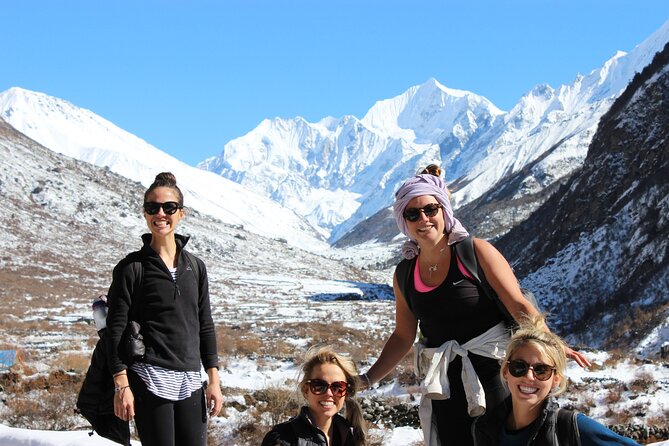
- Private group flow so your pace and needs stay in the foreground.
- English-speaking professional guide plus permits and trek documentation handled for you.
- Syabrubesi to Kyanjin Gompa rhythm, with a mix of forests, farmland, and villages.
- Tserko Ri sunrise as the main early-morning highlight.
- A monastery day at Kyanjin Gompa for prayer wheels, sacred spaces, and a slower feel.
- Value-packed inclusions like meals (including lunch and dinner on trek) and an air-conditioned vehicle.
Kathmandu Arrival: Hotel Night, Nepali Dinner, and Getting Oriented Fast
Day 1 is a smart reset. You land in Kathmandu, get picked up, and transferred to a hotel where you can breathe before the trek work starts. Then you sit down for a special Nepali dinner that helps you shift into the local rhythm—simple, warm, and a good way to understand what Nepalese food tastes like beyond a quick snack.
I appreciate this because trekking days don’t leave a lot of energy for logistics. If you arrive tired and confused, you’ll feel it later. This kind of hotel night plus a tour talk keeps you focused: what you’re doing, what to pack, and what to expect from the road journey the next morning.
You can also read our reviews of more tours and experiences in Kathmandu.
The Drive to Syabrubesi: Switchbacks, Mountain Views, and Why It Matters
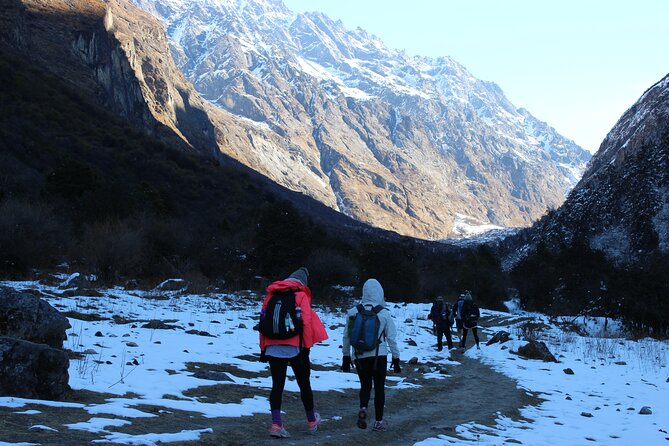
On Day 2, you leave Kathmandu and head toward Syabrubesi. This is one of those legs that seems like just transport until you realize how it sets the tone. The road winds with switchbacks and passes through settlements while offering chances to see major Himalaya peaks in the region. Even if you’re not thrilled by vehicle time, this part helps you build anticipation and gives your legs a gentle mental warm-up.
You’ll also see how the trek begins in a lived-in landscape. Syabrubesi isn’t a theme park. It’s a working village hub for Langtang treks, and the atmosphere there feels like the border between road Nepal and trail Nepal.
One practical point: a comfortable car helps. This tour includes an air-conditioned vehicle, which matters on warm days, but also when dust and long hours make everything feel harsher. I’d still bring a hat and something for dry air, because that road experience can be a bit gritty even with comfort.
Trek Day to Lama Hotel: Forest Footsteps, Rhododendron, and a Steady Climb
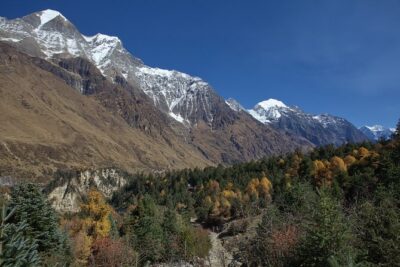
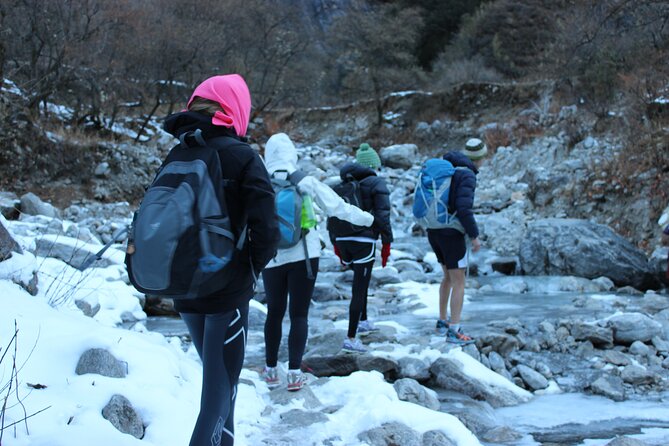
Day 3 takes you onward after breakfast, starting from the Langtang Khola area and moving through oak and rhododendron forests. That forest segment is more than scenery. It tends to feel more forgiving than exposed paths, and it helps you pace your walking. You’re working your body without being constantly exposed to harsh wind.
You finish at Lama Hotel for the night. This is a classic trek rhythm: walk, refuel, sleep, repeat. The included meals (breakfast, lunch, and dinner on trek) mean you’re not constantly hunting for food or trying to interpret menus after a long day. That’s a big value point, because hunger on a trek turns everything into a chore.
If you’re the type who gets cold easily, this forest-to-higher-feel transition is where you’ll notice it first. Dress in layers. Think quick-on, quick-off, so you can adjust as the temperature swings.
Longtang Village to Ghoda Tabela: Meadows Views and Earthquake Reality
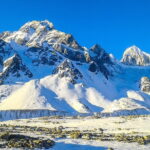
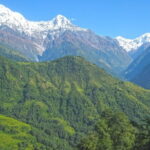
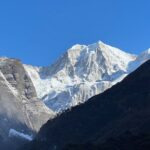
Day 4 goes through Longtang village toward Mandu, then up to Ghoda Tabela and its lush green meadows. From here, you get white peaks of the Langtang range—exactly the kind of reward that keeps you motivated when you feel like you’ve been walking forever.
There’s also an important reality check embedded in the area. Longtang village was hit by an earthquake in April 2015. You may see evidence of that and the way rebuilding has changed what the village looks and feels like. I like that this tour doesn’t treat the area like a postcard-only stop. You’re moving through communities with history, resilience, and scars you can’t ignore.
This is also one of the days where weather matters. If clouds roll in, the ridge views can fade. Still, the path through villages and meadows usually offers something even when visibility isn’t perfect—just don’t plan your emotions around clear skies only.
Kyanjin Gompa Day: Monastery Life, Prayer Wheels, and Sacred Stages
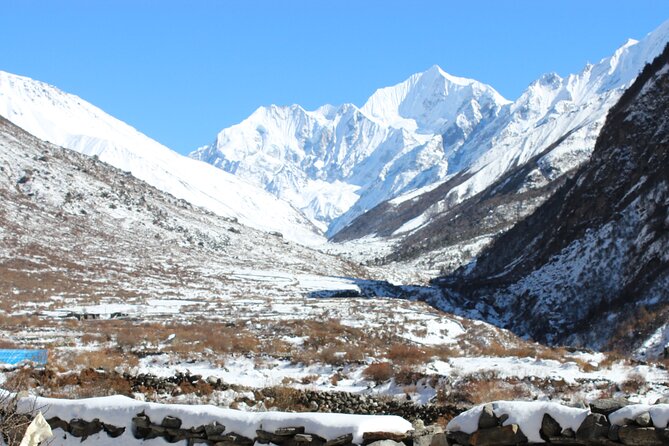
Day 5 brings you down toward Kyanjin Gompa, described as a major monastery in the region. What makes this stop feel special is how the route guides you through religious and cultural details: water mills, prayer wheels, sacred hills, and the overall monastery atmosphere.
This isn’t just a photo stop. It’s your chance to slow down and understand how the landscape connects to spiritual life in the area. When you’ve been hiking, it’s surprisingly refreshing to shift into something quieter—stone, ritual details, and a calm that’s different from the bustle of Kathmandu.
Accommodation here is part of the trek flow. You’re already higher up in the mind of the trek, so your body tends to feel the altitude more through fatigue and sleepiness. Not “panic fatigue,” just the slow reminder that you’re working at a higher elevation than your starting point.
Tserko Ri Sunrise and the Return: High Views Without the Rush
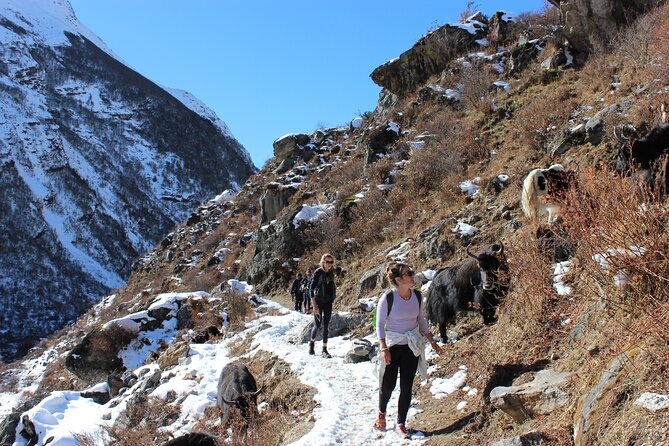
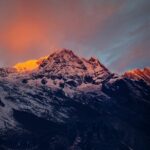
Day 6 is a highlight day, built around early morning sunrise. You rest and explore the high-altitude area around Tserko Ri, then head back to Kyanjin Gompa after taking in the views.
The key idea is pacing. This day gives you a sunrise payoff while still keeping the schedule realistic: you don’t just run up and down; you stay long enough to enjoy the morning light and the changing views over the Langtang ranges.
From a planning standpoint, this is a smart design for most people. Sunrise treks are tough in the dark, but once the light hits, everything feels worth it. And because you’re already staying in Kyanjin Gompa, you don’t need a long extra transport day to reach the viewpoint.
One consideration: mornings can be cold, especially when you’re excited and forget to cover up. Bring warm layers that you can access quickly. If you tend to get stiff, warm up before you start moving hard.
Walking Back to Lama Hotel: Forest Rhythm and Tamang Village Passing
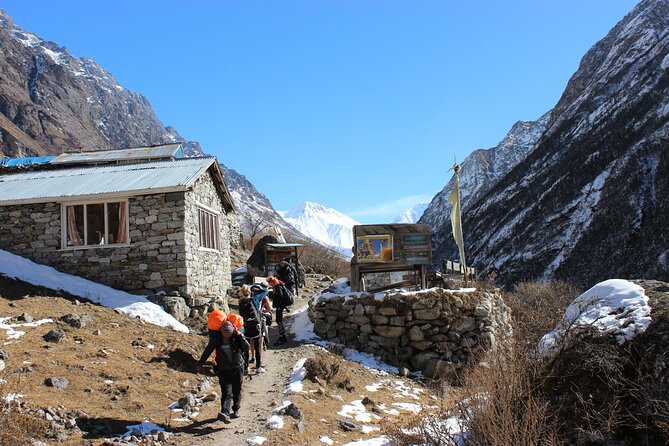
Day 7 turns the page from higher stops to return trekking. Early in the morning you head back to Lama Hotel. The route goes through forests and passes Tamang villages, which adds a more human, everyday feel to the trek’s second half.
This is the day where many people notice the difference between going up and going down. Descents can still strain your knees and calves, even when the pace feels easier mentally. Take short steps, watch your footing, and treat the walk back as real hiking, not a victory lap.
The included lodging at Lama Hotel keeps this stage simple. You’ll sleep somewhere familiar to the itinerary, and you can focus on recovery instead of planning where to stay for the night.
Syabrubesi Again: A Smoother Trek and a Real Sense of Ending
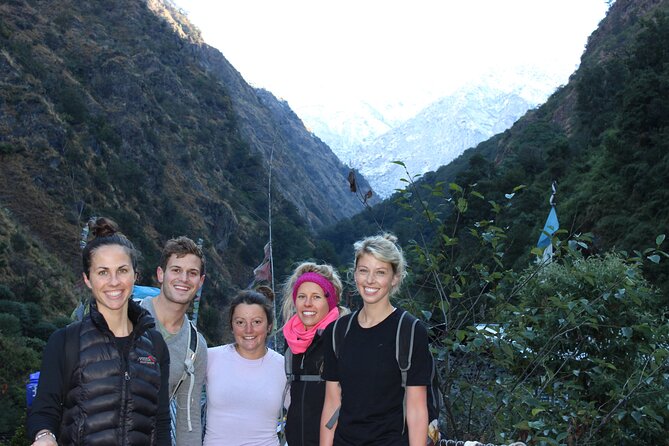
Day 8 brings you back to Syabrubesi. The trek becomes easier as you move toward the lower trails. That change matters because your body is probably ready for lighter walking after the longer effort of the middle days.
After you reach Syabrubesi, you sleep again at a hotel (the itinerary lists Hotel Garden Inn Shyfru Bensi). This gives you a comfortable cushion before the Kathmandu leg. I like these “return nights” because they reduce stress. You don’t have to scramble for last-minute details; the schedule already has you covered.
Kathmandu Return and Shopping Time: Use It for Real Souvenirs
Day 9 is your return to Kathmandu after an early breakfast. Once you’re back in the city, you can shop for presents for family and friends. This is a good moment for practical buying: snacks, small gifts, or anything that’s easier to find in Kathmandu than along the trail.
Even if you’re not a big shopper, use the day to reset your gear. Check your layers, dry anything you can, and make sure your essentials are ready for departure. Trekking takes a lot out of socks and jackets, even when you feel like you’re being careful.
Final Day: Departure Help and the Trek’s Last Chapter
Day 10 is the end of the trek experience. A representative helps with your final departure. The itinerary references India as part of the stop, which likely means it’s geared toward people continuing onward after Nepal.
This kind of wrap-up support is underrated. Treks can drain your decision-making energy. Having someone handle the last coordination helps you transition from the trail mindset to travel time without friction.
Price and Value: What $850 Really Covers (and What It Doesn’t)
At $850 per person for a private 10-day Langtang Valley trek, the value comes from how much is bundled into the essentials.
Included highlights that matter:
- English-speaking professional guide
- Trekking permit, National park, and TIMS card fees
- Accommodation in hotel or lodge along the route
- Air-conditioned vehicle for the road parts
- Breakfast, plus lunch and dinner on trek, along with hot drinks and tea/coffee
- Trekking map
- First aid medical kits
What’s not included:
- Meals (lunch and dinner) in Kathmandu
- Tips for trekking staff
That mix is pretty reasonable. Permit fees and guide time are often the pieces people underestimate when comparing prices. If you’re planning to go self-guided, those paperwork and documentation steps can turn into a headache fast. Here, you’re paying for smoother execution and fewer moving parts—especially useful if this is your first Himalayan trek.
Who This Trek Fits Best: The Right Skill Mix for Langtang Valley
This private trek fits best if you:
- Have moderate physical fitness
- Like a clear structure but still want the calm feel of a private group
- Want a blend of nature and culture, not only summit-chasing
It’s also a good match for people who appreciate thoughtful pacing. The itinerary includes a monastery day at Kyanjin Gompa and a sunrise morning at Tserko Ri. That combination tends to work for many travelers because it balances effort with breathing space.
If you’re looking for a totally leisurely walk with zero altitude discomfort, you might find trekking days demanding. But if you want a real trail experience with support and organization, this plan is built for you.
Final Decision: Should You Book This Langtang Valley Private Trek?
Yes, if you want a well-run trek where the key items are already handled: permits, guide, meals, lodging, and the road transport from Kathmandu. The Kyanjin Gompa day and Tserko Ri sunrise are the kind of highlights that make the work feel worth it.
I’d say book it confidently if:
- You like the idea of private pacing
- You want Nepal culture woven into the route (monastery life, prayer wheels, village passing)
- You want a team that’s responsive to your plan and comfort level, including coordination support associated with Mr Basu
Pass or reconsider if:
- You’re expecting an ultra-easy walk with minimal trekking effort
- You’re not comfortable with the reality of mountain weather changing your experience
If your goal is authentic Langtang Valley trekking with solid organization, this is a strong pick.
FAQ
What is included in the trek meals?
Breakfast is included, and the tour also includes lunch and dinner during the trekking days, plus hot drinks and tea/coffee.
Does the tour include an English-speaking guide?
Yes. The trek includes an English-speaking professional guide.
Are trekking permits included?
Yes. The price includes the trekking permit, National park fee, and TIMS card fee.
Is pickup available from Kathmandu?
Yes. The tour offers pickup, and it also includes an air-conditioned vehicle for the road portions.
Where do I meet the tour provider?
You meet at Nepalaya Treks & Expedition in Thamel, Kathmandu 21292, Nepal (ticket redemption point).
What fitness level do I need?
The tour is listed for travelers with moderate physical fitness. You should be comfortable with a multi-day trekking schedule.