REVIEW · KATHMANDU
14 Days Private Manaslu Circuit Trek in Nepal
Book on Viator →Operated by Heaven Himalaya · Bookable on Viator
Manaslu Circuit is all about big mountains and real villages. This trek links river valleys, Buddhist shrines, and Tibetan-border culture into one long, scenic plan, with the dramatic pay-off coming at Larkya La. I love that it’s set up as a private trek, so your pace and stops feel more human than “follow the herd.”
Two things I really like: the way the route is paced with walk days and built-in recovery (including a real rest day), and the planning support you get from the team. In feedback I’ve seen, guides like Prem Dahal were praised for warm help and prompt answers, and that matters when you’re dealing with weather, cold mornings, and route decisions.
One consideration: this is a serious trek in mountain weather. Your itinerary depends on conditions around the pass, and that can mean last-minute schedule changes if the weather turns.
In This Review
- Key things to know before you go
- Why the Manaslu Circuit feels different from busier mountain routes
- Kathmandu setup: getting your bearings without wasting time
- Soti Khola to Jagat: forest steps, suspension bridges, and hot-springs legend
- Deng and Namrung to Samagaon: shrines, mani walls, and Manaslu views
- Samagaon rest day: use it for monasteries and nearby hikes
- Samdo and Larkya Phedi: stepping into border-country atmosphere
- Larkya La to Bhimthang: the longest day and the moment it all clicks
- Dharapani back trail to Kathmandu: slow down after the pass
- Price and value with Heaven Himalaya handling the heavy lifting
- Who this trek suits best
- Should you book this Manaslu Circuit trek?
- FAQ
- Where is the meeting point, and how do you get me started?
- How long is the Manaslu Circuit trek?
- Is this a private tour or shared with others?
- What’s included in the trip?
- What are the big highlights on the route?
- Is there a rest day during the trek?
- What physical fitness level do I need?
- Can I bring a service animal?
- What happens if weather is bad, or if I need to cancel?
Key things to know before you go
- Private group trekking: only your group participates, so the experience stays focused on you instead of mixing travel styles.
- A true rest day at Samagaon: you get time to explore the village and monastery area, not just nonstop walking.
- Larkya La is the high point: one long, high day caps the trek, with a steep payoff after.
- Culture is part of the route: chortens, mani walls, and Gurung villages show up along the trail.
- Heaven Himalaya handling the logistics: pickup, transport, accommodation, and meals are part of what you’re paying for.
- A safety-and-comfort mindset: guidance is repeatedly described as making people feel safe and cared for.
Why the Manaslu Circuit feels different from busier mountain routes
The Manaslu Circuit has a calmer rhythm than the most famous Nepal trekking lanes. You’ll spend days moving through villages, crossing suspension bridges, and walking under pine and rhododendron before you ever reach the high drama. That village-to-village feel is the point.
Culturally, this route doesn’t just “pass by” places. You’ll see Buddhist shrines like chortens and prayer-inscribed mani walls, especially as you climb toward Namrung and Samagaon. And when the trail reaches the Samdo area, the vibe shifts toward Tibetan-border life with traditional Tibetan houses and culture.
The best part for most people is the contrast: quiet valleys by the Budhi Gandaki River, then a hard push toward Larkya La, and finally a downhill ribbon through forests and terraced fields.
You can also read our reviews of more tours and experiences in Kathmandu.

Kathmandu setup: getting your bearings without wasting time
Your trek starts in Kathmandu with an arrival pickup from Tribhuvan International Airport and a transfer to your hotel. Day 1 is intentionally light: the rest of the day is yours to rest or explore, which is exactly how you want it after a travel day.
This matters because your next day is a long one. You’re driving around 8–9 hours from Kathmandu to the trail start area at Soti Khola. When the first day is paced, you’re less likely to feel fried when the real rhythm starts.
Heaven Himalaya also uses a mobile ticket, which is a small thing but often reduces last-minute confusion. And the company states it aims to operate with responsible and sustainable tourism, with treks that support local communities and the environment—important in a region that lives and works close to the trail.
Soti Khola to Jagat: forest steps, suspension bridges, and hot-springs legend
Day 2 is all about transition. After breakfast, you drive to Soti Khola, where the trekking begins. Expect big Himalayan views during the drive, and then an immediate sense that you’re leaving city logic behind.
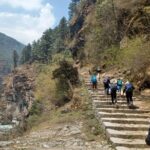
Day 3 brings the trail alive. You’ll walk through lush forests and pass small villages, cross the Budi Gandaki River, and deal with a few suspension bridges along the way. A highlight is passing through Lapu Besi and reaching Machhakhola, known for its waterfalls. You’ll feel the day’s work, but it’s the kind of walking that keeps your eyes busy.
Day 4 turns a bit more demanding. You’ll cross streams, climb up and down steep hills, and move through forests and terraced fields. The cultural anchor is the Gurung village of Tatopani, famous for natural hot springs—perfect for loosening up after the day’s effort—before continuing on to Jagat.
Deng and Namrung to Samagaon: shrines, mani walls, and Manaslu views
From Jagat to Deng on Day 5, you’ll descend toward the river and cross another suspension bridge. The trail then alternates between rocky sections and forest walking. Deng is described as offering stunning mountain views, and that’s a good theme here: you don’t only get views at the top, you get them on the way.
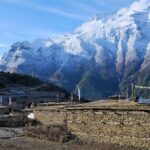
Day 6 to Namrung is a gradual climb through pine and rhododendron. This is where the route leans into Buddhist landmarks: you’ll pass chortens and mani walls, stone reminders of how faith and daily life sit side-by-side in the mountains. Namrung itself is a hillside village with strong Himalaya views.
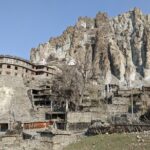
Day 7 to Samagaon continues the momentum. You’ll trek through the villages of Lihi and Hinang, then arrive in Samagaon, where you can see Mount Manaslu and surrounding peaks. The village is also known for a monastery and traditional houses, so you get that “people live here” feeling rather than only scenery.
One small drawback to mention: Samagaon and the days around it can feel busy compared with the earlier valleys, because it’s an important stop. Still, it’s the kind of village attention you can work with.
Samagaon rest day: use it for monasteries and nearby hikes
Day 8 is a true reset. You stay in Samagaon, and the plan gives you time to explore instead of pushing forward. You can visit the local monastery, and there are also hikes to nearby glaciers and lakes if you want a lighter effort day.
I like rest days that don’t feel like you’re losing progress. Here, you still get to be active. You’re just doing it on your terms, which helps you arrive fresher for what comes next—especially when the schedule tightens around Samdo and Larkya Phedi.
If you’re the type who likes routines, this day is also useful for practical tasks: drying gear, checking foot comfort, and getting your head right for a high, cold morning later. The trek gives you the time; you just have to use it.
Samdo and Larkya Phedi: stepping into border-country atmosphere
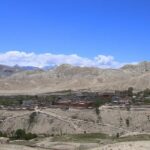
Day 9 takes you to Samdo. You’ll walk through forests of juniper and birch and then reach a village described as sitting on the border with Tibet. Traditional Tibetan houses and culture are part of what you’ll notice here, and the overall feel gets more “edge of the map” than “middle of a valley.”
Day 10 is shorter on paper but not easy. You’ll gain significant altitude while trekking for about 8 hours, then reach Dharamsala, also called Larkya Phedi—the base camp area for the Larkya La pass. This is the staging area day, and it’s where you’ll feel that the trek’s hardest segment is coming fast.
If you’re prone to overthinking, this is a good moment to focus on basics: warm layers, steady pacing, and trusting the plan. Weather matters here, and the pass isn’t something you rush.
Larkya La to Bhimthang: the longest day and the moment it all clicks
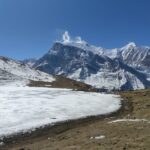
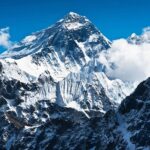
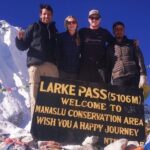
Day 11 is your big test. You cross Larkya La, the highest point of the trek, and the pass offers stunning views of surrounding peaks. From here, you can see as far as Annapurna II and Himlung Himal—those long-distance views are the reward for the effort.
Then comes the descent. After the crossing, you trek down to Bhimthang, described as having beautiful landscapes and lush forests. This downhill section can feel mentally easier than climbing, but it still demands good footing. Your legs will be tired; your balance and patience matter.
This is also the day where private guiding is worth real money. When you’re high up and weather shifts, having a guide who can respond—pacing, timing, and decision-making—adds confidence. In feedback about Heaven Himalaya, people specifically praised the team’s professionalism and care, including guide responsiveness with tough conditions.
Dharapani back trail to Kathmandu: slow down after the pass
Day 12 brings a gradual descent through forests and terraced fields. You’ll pass villages like Tilije and Thonje before reaching Dharapani, another village with strong mountain views and traditional homes.
By now, the trek feels more like winding down than pressing forward. That’s a good thing. You’ve already done the hard segment, so you can enjoy the walk rather than white-knuckle it.
Day 13 is a drive back to Kathmandu, about 8–9 hours. It’s not glamorous travel, but it’s practical. You get out of the trekking rhythm and return to civilization in time to rest properly. Day 14 is your departure day, with a transfer from Kathmandu to the airport.
Price and value with Heaven Himalaya handling the heavy lifting
At $1,800 per person for around 14 days, you’re paying for more than “someone leading you down a trail.” You’re paying for logistics: pickup in Kathmandu, transport to the start and back to the city, accommodation planning, and meals. The company’s overview also states their experienced guides help plan and execute the journey so you can focus on walking and noticing details.
This matters for value because the Manaslu Circuit isn’t a “buy a map and go” situation. Weather, trail conditions, lodge availability, and day-to-day decisions all affect your comfort. Private support reduces friction, especially if you want a quieter, more controlled experience.
What I like in the company’s track record is the human side of service. In examples shared from different treks (not just Manaslu), people highlighted professionalism from leadership like Ramhari and responsive planning with team members such as Sanjeev, plus care from guides like Bishal. One solo setup also described having both a guide and a porter, which is the kind of practical support that can make long trekking days feel manageable.
A quick practical note: the trek requires good weather. When weather shifts, your plan might shift too. That’s not something any company can fully control, but better-run operations handle uncertainty with less stress.
Who this trek suits best
This is a strong fit if you:
- want a private trek with your own pace
- like cultural walking (villages, shrines, monasteries), not just peak views
- can handle days around 5–9 hours of trekking
- have moderate physical fitness
If you want an easy vacation with short walks and lots of free time, this probably won’t feel like that.
Should you book this Manaslu Circuit trek?
Yes, if you want a real mountain circuit with a strong village culture focus and you value logistics handled for you. The combination of private guiding, a rest day at Samagaon, and a clear “big moment” day crossing Larkya La is a solid structure.
I’d only hesitate if you’re very weather-sensitive or you don’t like high-peak conditions. This route needs good mountain timing. If you’re okay with that reality, this plan offers one of the more meaningful trek experiences in Nepal—less crowded energy, more lived-in culture, and views that make the hardest day worth it.
FAQ
Where is the meeting point, and how do you get me started?
The meeting point is Tribhuvan Airport in Kathmandu. After you arrive, you’ll be picked up by a representative and transferred to your hotel, then you’ll drive to the trek start area on the next day.
How long is the Manaslu Circuit trek?
The duration is approximately 14 days. It includes trekking days, a rest day at Samagaon, and drive days between Kathmandu and the trail.
Is this a private tour or shared with others?
This is a private tour/activity. Only your group will participate.
What’s included in the trip?
The experience includes pickup, transportation, accommodation, and meals, and it uses a mobile ticket. Admission tickets are listed as free in the provided schedule.
What are the big highlights on the route?
You’ll trek through villages such as Machhakhola, Jagat, Namrung, Samagaon, Samdo, and Bhimthang. The highest point is the Larkya La pass, and the route also includes Larkya Phedi (Dharamsala) as the base-camp area for the pass.
Is there a rest day during the trek?
Yes. Day 8 is a rest day in Samagaon, with time to explore the village, visit the monastery, or take a hike to nearby glaciers and lakes.
What physical fitness level do I need?
The tour data says travelers should have moderate physical fitness.
Can I bring a service animal?
Yes. Service animals are allowed.
What happens if weather is bad, or if I need to cancel?
The experience requires good weather. If it’s canceled due to poor weather, you’ll be offered a different date or a full refund. The policy also allows free cancellation up to 24 hours in advance of the experience for a full refund.