REVIEW · SA PA
Sapa: Muong Hoa Mountain Views and Villages Trek with Lunch
Book on GetYourGuide →Operated by HELEN · Bookable on GetYourGuide
One-hour views change how you see Sapa. This Muong Hoa trek pairs a big Sa Seng summit payoff with village visits and a calm, human-scale lunch break.
What I like most is the mix of effort and payoff: you climb up to the top of Sa Seng and get wide views over Fansipan (3,143m) and Sapa town, then you walk back through village life instead of doing a quick drive-by. The second big win is the cultural stop—Hang Da and Hau Thao (Black Hmong communities) come with real talk from your guide about marriage traditions, rice field work, and house-building techniques.
One drawback to plan around: this is a real hike with steep inclines and some time on uneven paths, so it is not a comfortable fit if you have back issues, mobility limits, vertigo, or a strong fear of heights.
In This Review
- Key highlights worth your time
- Reaching Sa Seng Mountain: the climb that earns the views
- Hang Da village and the first taste of village life
- Lunch at a family-run spot: why this stop feels different
- Hau Thao: daily work in the fields, not just photos
- Giang Ta Chai walk and the return to Sapa
- Guides and group size: the difference between a good day and a great one
- Price and value: what $20 actually gets you
- What to bring so the day feels smooth
- Who should book this trek (and who should skip it)
- Final call: should you book this Sapa trek?
- FAQ
- How long is the tour?
- Where is the meeting point?
- Is lunch included?
- Is the guide available in English?
- How big is the group?
- What views will I see during the trek?
- Is there a massage discount included?
- What should I bring for the hike?
- Is the trek suitable for everyone?
Key highlights worth your time
- Sa Seng summit views over Sapa, Fansipan, and the Muong Hoa rice terraces
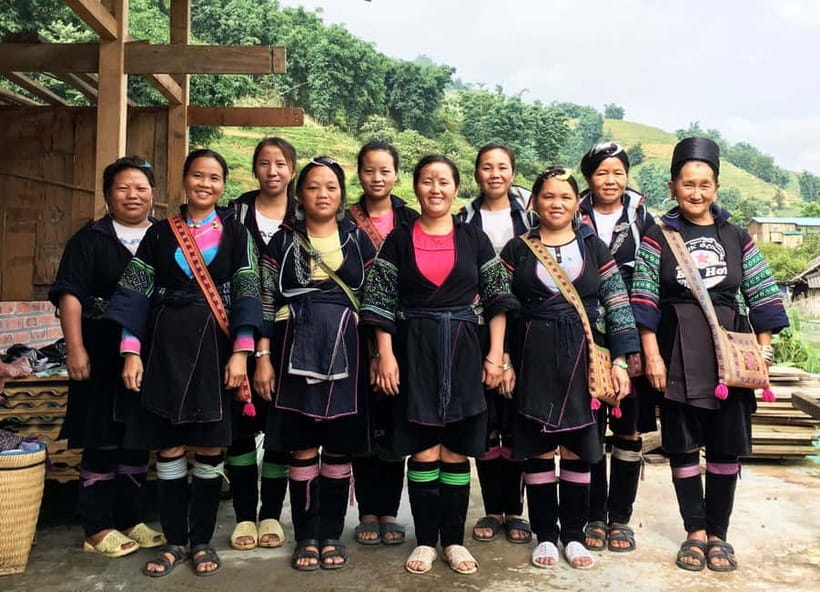
- Black Hmong village visits in Hang Da and Hau Thao for daily-life context
- Marriage traditions and village skills explained by your English-speaking guide
- Family-run lunch during a quieter mid-day stop on the route
- Animal sightings along the way, including buffaloes and pigs
- Small group size (up to 10) that makes questions easier on the trail
Reaching Sa Seng Mountain: the climb that earns the views
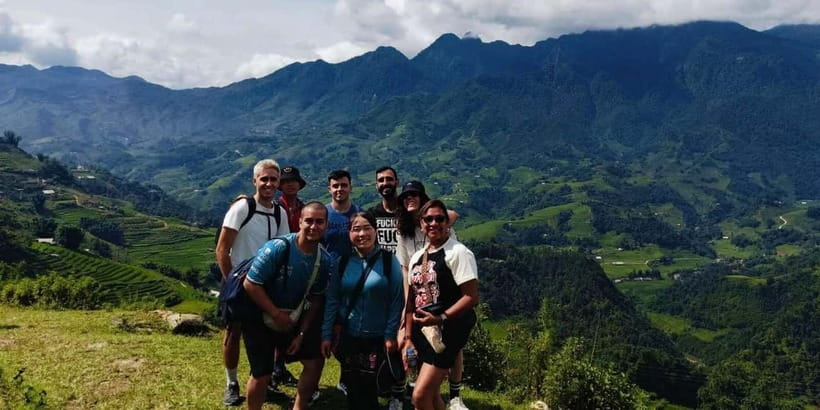
The day starts with pickup near the center of Sapa at Massage Lits, 01 Hoang Van Thu. After a quick hello, you head out on a small trail with about a kilometer of uphill walking to warm up your legs.
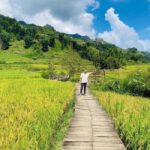
Then comes the hard part: about an hour of trekking to the top of Sa Seng Mountain. The route is not technical, but it is steep enough that you feel it in your calves. The altitude and cool air in northern Vietnam can trick you into moving too fast early—pace yourself. If you want good photos, slow down near the viewpoints so you can breathe and frame the shot instead of sprinting uphill and arriving out of sync.
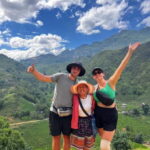
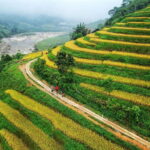
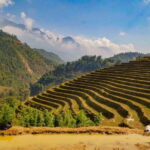
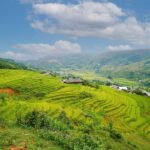
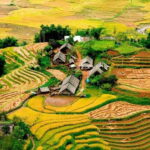
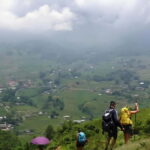
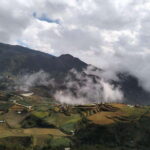
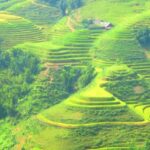
From the summit, the tour hits its main promise: you look out toward Fansipan (3,143m), the highest mountain in Indochina, and you can also see Sapa town laid out below. You are also in position to spot the famous rice terraced fields of the Muong Hoa valley and get a sense of the bigger river-and-valley scale that makes this area so dramatic. Even if you have seen Sapa views before, the angle from Sa Seng tends to feel more “real” because you see how the terraces stitch into the slopes.
You can also read our reviews of more tours and experiences in Sa Pa.
Hang Da village and the first taste of village life
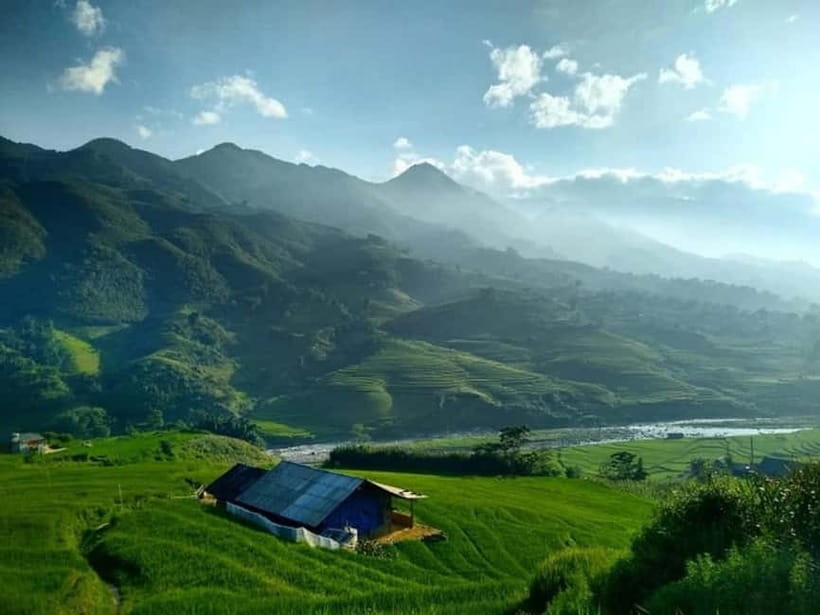
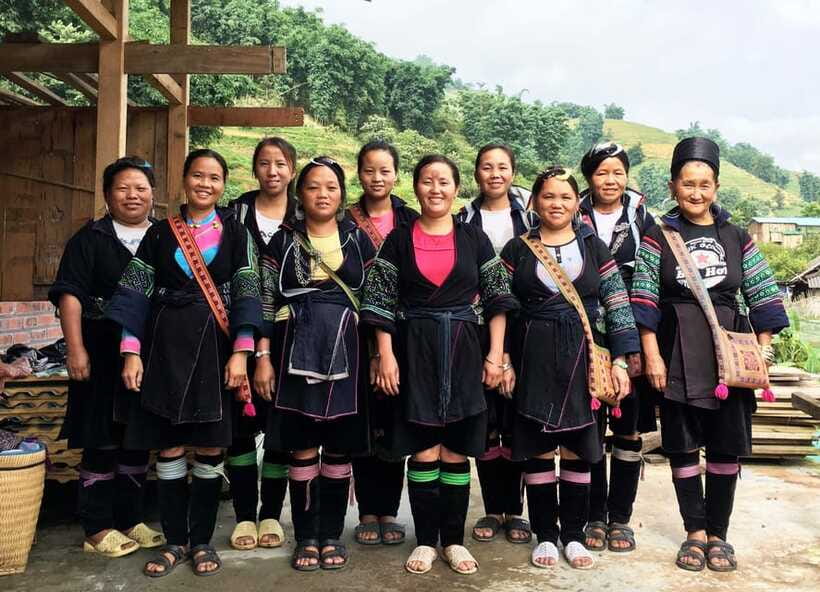
After the summit views, you start moving back down the mountainside toward Hang Da, a Black Hmong village. This part of the day matters because it transitions you from postcard views to everyday living. On the trek down, your guide keeps connecting what you’re seeing to how people live here—how the valley is shaped for farming, and why certain paths and houses make sense on these slopes.
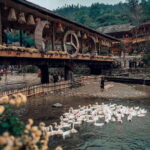
This is also where you might notice the soundtrack of rural Vietnam: quiet foot traffic, occasional animal calls, and the rhythm of a community that lives outdoors. Your tour description also points to animal sightings along the route—buffaloes, cores, and pigs are mentioned. They are not guaranteed, but the farmland setting makes it more likely than a city stroll. If you like gentle surprises like that, this segment can be a pleasant break from straight uphill walking.
Lunch at a family-run spot: why this stop feels different
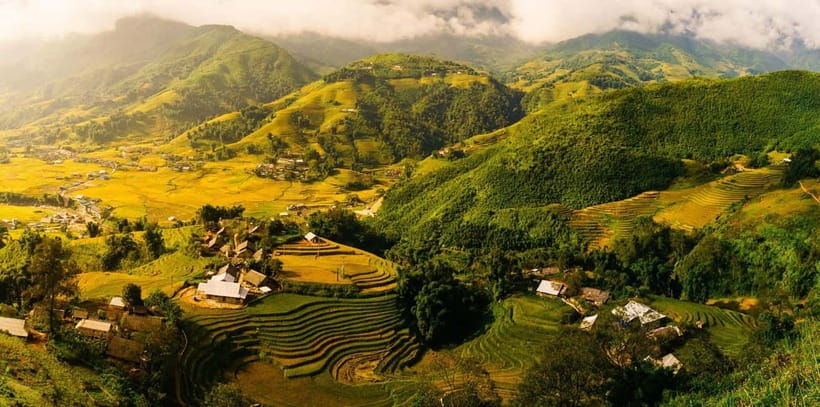
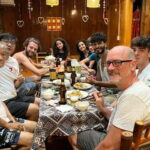
You’ll reach lunch after the village-and-animal stretch. The meal is at a small restaurant run by a local family, included in your ticket. This isn’t a giant buffet setup. For me, that’s part of the value: you are less likely to feel rushed, and you get a chance to settle your body after the morning climb.
What you can expect from a lunch like this is basic comfort plus local cooking—often hearty enough for trekkers. Even if you eat modestly, it helps that lunch is placed before the second village section. You are still out in the country, but you are not forcing food and walking at the same time.
If you have a sensitive stomach, stick to typical choices and drink water you bring. The tour includes lunch, but it does not mention bottled water—so plan to carry enough for the trek and keep yourself hydrated.
Hau Thao: daily work in the fields, not just photos
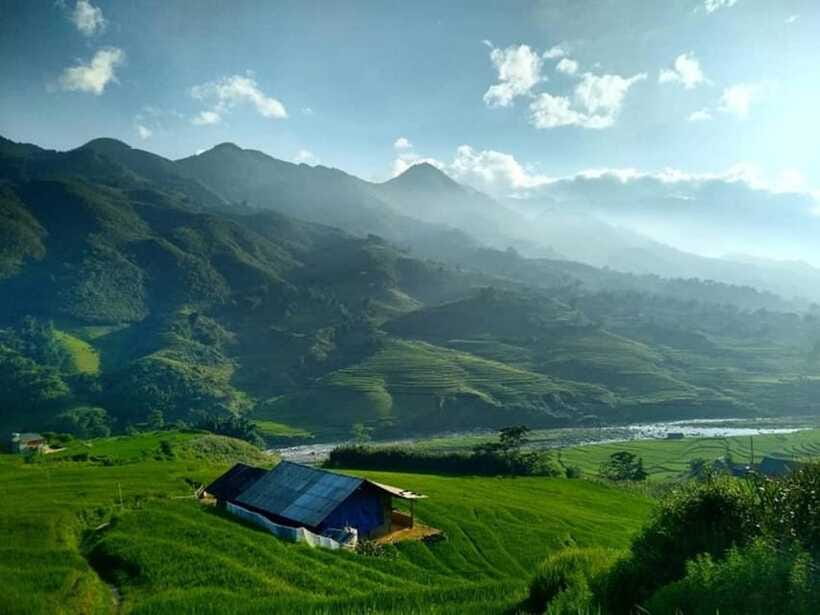
After lunch, the pace shifts again. You head down a small road to Hau Thao, another Black Hmong ethnic minority village. This is one of the most interesting sections because the tour is designed to explain what you’re seeing as you see it.
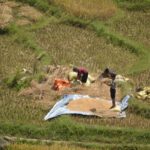
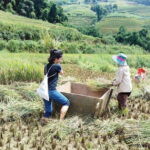
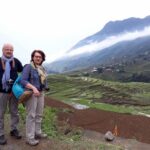
When timing works out, you may catch local people working in the fields—harvesting or planting rice. That matters because it turns the village from a sightseeing stop into a living schedule. You’re not only looking at houses; you’re watching tasks that make those terraces matter.
The guide also talks through the deeper parts of life here: Hmong marriage traditions, how rice field work is organized, and house building techniques. These topics are not just cultural trivia. They explain why communities repeat certain patterns—how family life shapes work, and how skills get passed down to build, farm, and survive on steep terrain.
One small caution: if you want casual, unstructured wandering time, this tour is more guided than free-form. That’s not bad—it just means you should come with curiosity and be ready to listen, not just take photos and move on.
Giang Ta Chai walk and the return to Sapa
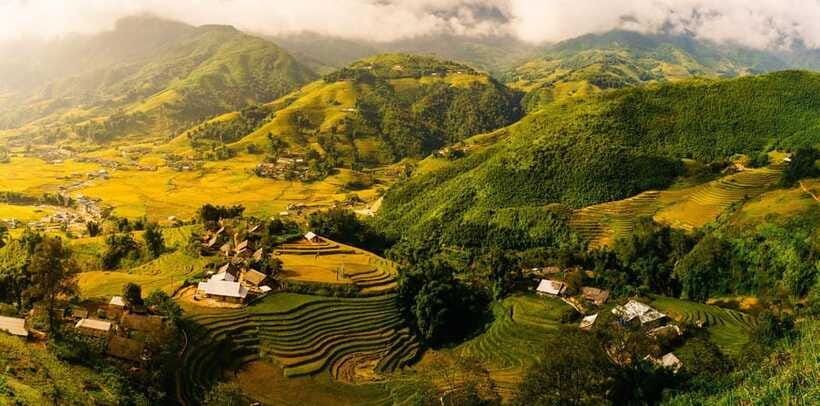
By mid-afternoon, the tour continues toward Giang Ta Chai village, and around 15:30 you walk there so the transport can pick you up on the main road. This final transition is often when tired legs start to feel extra heavy. The upside is that you are moving toward a clear finish line, not endlessly turning back uphill.
Once you’re collected, you ride back to Sapa. The full experience runs about 9 hours, so it feels like a full day even though you’re not on a marathon distance. Think of it as: one big morning climb, one cultural mid-day, one second village segment, then a controlled return.
Guides and group size: the difference between a good day and a great one
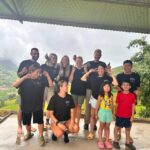
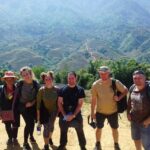
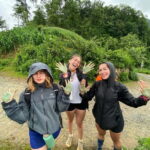
This is a small group tour, limited to 10 participants, with a live guide in English. That size helps a lot on the trail and at village stops. Questions don’t get lost, and your guide can manage the pace when slower hikers need a breather.
From the guide names shared in experience feedback, Châu A Su (often called Su) stands out as especially friendly and easy to talk with. If your tour is with Su, you can expect a warm style and a lot of conversation about what you’re seeing—nature, wildlife, and local surroundings. Your guide role is important here because the cultural parts depend on explanation, not just visuals.
Price and value: what $20 actually gets you
At about $20 per person for a 9-hour day, this tour can be excellent value if you’re the type who enjoys walking and learning. You get round-trip van transportation, a driver, a guide, lunch, and a massage voucher for a 20% discount at Massage Lits (01 Hoang Van Thu) after the trip.
That massage voucher is not huge money, but it’s a smart perk. After a steep morning and another village walk, a discounted massage is a practical way to recover without scrambling to find the cheapest option yourself.
The value equation changes if you’re mainly after a quick view without effort. If trekking is not your thing, $20 can start to feel like you paid for walking you didn’t want. For trekkers who like views plus culture, it tends to feel fair.
Also, keep in mind timing and pickup accuracy. A small number of unhappy experiences point to missed or late pickup. That’s the risk side of booking any group tour in a busy tourist town. Your best move is to show up early at Massage Lits (01 Hoang Van Thu) and keep your phone ready in case your guide calls.
What to bring so the day feels smooth
This kind of walk rewards practical packing. The basics matter more than fancy gear.
Bring:
- Comfortable shoes with grip
- A hat and sunscreen
- Camera or phone for summit and terrace views
- Water (trekking days get dry, even in cooler seasons)
- Trekking gear if you have it
Plan for uneven ground and steep sections. If you only bring sneakers with smooth soles, you might feel it on downhill segments.
And one clear rule: no smoking on the tour.
Who should book this trek (and who should skip it)
This is best for you if:
- You enjoy walking and don’t mind steep inclines
- You want panoramic views and also care about village culture
- You’re curious about Black Hmong traditions and rice field life
- You want a small group pace with an English-speaking guide
Consider skipping if:
- You are pregnant
- You have back problems
- You have mobility impairments
- You have a strong fear of heights or vertigo
- You want a mostly flat, low-effort day
If any of those apply, there’s a good chance the physical parts will outweigh the view payoff.
Final call: should you book this Sapa trek?
I’d book this tour if you want a full-day Sapa experience that mixes a real summit effort with meaningful village context. The strongest parts are the Sa Seng summit panoramas, the chance to see Muong Hoa rice terraces from above, and the guide-led explanations in Hang Da and Hau Thao—especially the talk about Hmong marriage traditions and daily work.
I’d be cautious if you’re highly sensitive to steep walking or if your schedule is tight enough that a late pickup would ruin your day. For peace of mind, arrive at the meeting spot early, keep your phone available, and wear shoes you trust.
If that sounds like your style of travel—walking with purpose, learning while you go—this one can be a memorable day in northern Vietnam.
FAQ
How long is the tour?
The tour lasts about 9 hours.
Where is the meeting point?
The meeting point is Massage Lits, 01 Hoang Van Thu, Sapa.
Is lunch included?
Yes. Lunch is included at a small restaurant run by a local family.
Is the guide available in English?
Yes. The live tour guide is listed as English-speaking.
How big is the group?
It’s a small group limited to 10 participants.
What views will I see during the trek?
At the top of Sa Seng Mountain, you’ll see panoramic views including Fansipan (3,143m), Sapa town, and the Muong Hoa rice terraces.
Is there a massage discount included?
Yes. You get a 20% discount voucher for Massage Lits at 01 Hoang Van Thu after the trip.
What should I bring for the hike?
Bring comfortable shoes, a hat, sunscreen, a camera, water, and trekking gear.
Is the trek suitable for everyone?
No. It is not suitable for pregnant women, people with back problems, people with mobility impairments, people afraid of heights, or people with vertigo. Smoking is also not allowed.