REVIEW · TILCARA
Trekking Purmamarca
Book on Viator →Operated by Purmamarca Aniacho Turismo · Bookable on Viator
A quiet hike away from town can change your day. This private trek from Purmamarca heads a few kilometers off the main area on a path made for space and story, not crowds. You walk a dry river bed where wind, water, and Pachamama-shaped forces shaped the rock forms, then you turn back after a restful stop near 2,700 meters.
I especially love the exclusive feeling of the route, with no one crossing your path, and the way the guide turns geology into something you can actually see and understand. I also really like the human side of it: history and native culture talk, plus medicinal-use flora explained along the way.
One thing to consider: there are no snacks included, and the hike depends on good weather, so plan for dry conditions and bring water.
In This Review
- Key points to know before you go
- The appeal of a private hike in the Purmamarca area
- What you do on the trek: the dry riverbed, the 2,700m stop, the return
- Why the off-town route feels different (and why it matters)
- What the guide focuses on: geology, native culture, and medicinal flora
- Pace, altitude, and who this trek suits best
- Price and value: is $60 per person a good deal?
- What to bring: water, and smart thinking for a dry hike
- When to book and how to plan your day around it
- Should you book Trekking Purmamarca?
- FAQ
- How long is Trekking Purmamarca?
- Where does the tour start and end?
- Is this a private tour?
- What fitness level do I need?
- Are snacks or water provided?
- What if the weather is bad?
Key points to know before you go
- Exclusive off-town path: You hike a few kilometers away without people crossing your route
- Dry riverbed geology: You see how wind and water carved sediment geoforms
- 2,700m rest break: You stop for about 30 minutes around 2,700 meters
- Culture + medicinal plants: History, native culture, and flora with medicinal use come into the walk
- Calm pace by design: Not a competition; it’s built to match the group’s physical conditions
The appeal of a private hike in the Purmamarca area
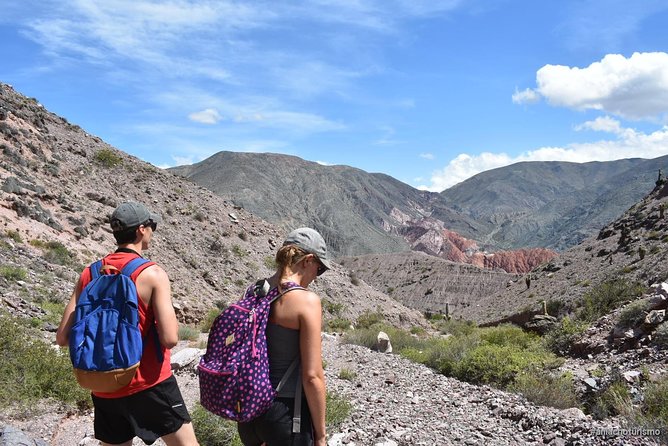
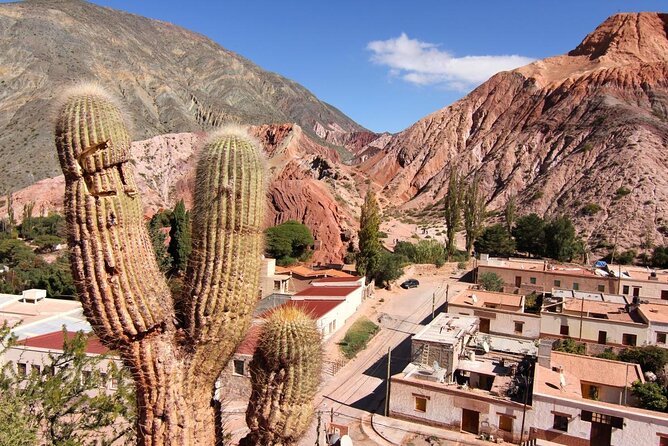
This is the kind of outing that makes the Andes feel personal. Instead of bouncing from viewpoint to viewpoint with a camera herd, you get a guide-led walk along a route that’s meant to stay quiet. The big draw is that you move away from the town to an exclusive path, so you can actually focus on what’s in front of you: rock, sediment, and the shapes carved over time.
It also helps that the trek is described as bearable and not a race. You’re not being timed, and you’re not being pushed beyond your comfort. That matters here, because the walk includes a climb to roughly 2,700 meters where you rest before heading back.
The practical trade-off is simple: no extras are included like snacks. You’re expected to handle your basics—especially water—and you’ll be happier if you come ready for a dry, open-environment hike.
What you do on the trek: the dry riverbed, the 2,700m stop, the return
The main action is a walk across a dry river bed. The route covers about 4 kilometers across the channel area, where geological shapes were carved by wind, water, and Pachamama force. Even if you’re not a geology nerd (no shame), the guide framing makes the rock forms easier to read. You’re walking through a natural “lesson” that you can experience with your eyes and your feet.
The pacing is built around a turning point: when you reach around 2,700 meters, you rest for about 30 minutes. That pause is not just for stretching. It’s also a chance to regroup mentally, look around, and take in what you just walked through—especially since you’ll be returning the way you came.
Then you do the return to the start point, finishing back at the meeting location. The total duration is about 4 hours. That timeframe is long enough to feel like a real trek, but short enough that you can still fit it into an active travel day.
Why the off-town route feels different (and why it matters)
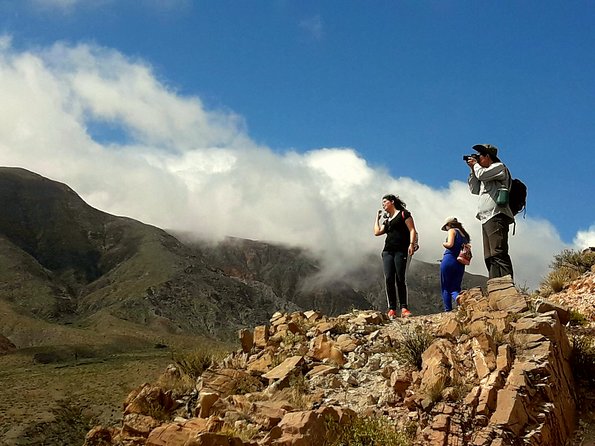
I like trips like this because they respect your attention span. An exclusive route means you spend less time negotiating crowds and more time noticing details—like how the sediment layers look, or how wind and water carving can produce patterns you can spot at walking distance.
In many places in Northern Argentina, you can see dramatic rock features from a car. This hike adds another layer: you experience the space at walking speed. You’re not just looking at formations; you’re moving alongside them, which makes the geological interpretation feel less abstract.
The guide also uses the walk to build context. As you walk, you’re told about history, native culture, and the flora’s medicinal use. That’s valuable because it connects the natural setting to how people have understood the area over time—not as a backdrop, but as part of lived knowledge.
What the guide focuses on: geology, native culture, and medicinal flora
A top-quality part of this trek is how the information is tied directly to your surroundings. The guide isn’t giving a distant lecture from a single spot. Instead, they interpret what you see as you go—especially the geological shapes carved in the dry river bed by wind and water.
You’ll also get cultural context. The plan calls out talk about history and native culture, which helps you understand that the setting isn’t random. It’s part of a worldview and a relationship with the land. You’ll hear about Pachamama force too, which gives the geology stories a local lens rather than a purely scientific one.
The other big theme is medicinal-use flora. That’s not just plant spotting for the photo. It’s explained in a way meant to show how living things link to traditional knowledge. Even if you don’t remember every plant detail, you’ll come away with a better sense of what the area’s plants mean to people.
One name that shows up in excellent accounts of this experience is Fabricio. The praise around his style is consistent: he’s described as doing a great job explaining geology and the local flora and fauna, and he’s good at adjusting to each hiking pace. If you see an option or assignment that includes him, it’s a strong sign you’ll get thoughtful guidance, not a rushed show-and-go.
Pace, altitude, and who this trek suits best
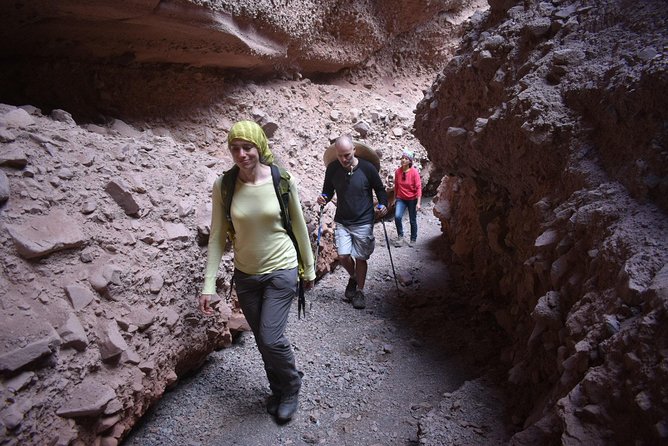
This trek is designed for moderate effort. The activity is described as not a competition and as bearable based on the physical conditions of participants. That’s the right mindset. If you come expecting a hard endurance test, you’ll likely be disappointed. If you come for a steady walk with stops and explanations, you’ll probably love it.
Altitude is part of the plan. You’ll reach around 2,700 meters and pause for about 30 minutes. That doesn’t mean you’ll be gasping the whole time, but it does mean you should take it seriously. I suggest moving steadily, drinking water early and often, and keeping your expectations realistic for the day—especially if you’re newly arrived in the region.
Who it fits:
- People with moderate physical fitness who want a calm, guided hike
- Anyone who enjoys learning while walking (geology and culture talk are built in)
- Groups who want a private outing instead of sharing space with strangers
Who might want to choose differently:
- Anyone who needs long breaks and step-by-step pacing with a lot of guidance beyond what a moderate trek allows
- People who don’t like dry, open environments and prefer shaded or forested routes (this is a dry river bed hike)
Price and value: is $60 per person a good deal?
At $60 per person for roughly 4 hours, the value here comes from two things: it’s private and it’s guided. A private experience changes the math. You get personalized service, you don’t share the route with other groups, and you get a guide who can match your pace while delivering the geology and culture content.
Also, the trek is intentionally structured around an actual viewing moment—the stop near 2,700 meters—and around a specific walking environment: a dry river bed with interpretable geoforms. That’s different from a generic “wander for an hour” style excursion.
If you’re traveling as a pair or small group, private hikes can start to feel like the smarter use of time. You’re paying more than a group tour, but you’re buying attention, quiet, and a better chance to ask questions and adjust pace.
The one value risk is straightforward: because snacks aren’t included, you’ll want to plan for food and hydration yourself. If you arrive hungry and unprepared, the experience can feel more demanding than it needs to.
What to bring: water, and smart thinking for a dry hike
The details are simple: bring your own water. The participant must provide himself with a water amount (the description says a littoral of water, which clearly points to bringing water). Since you’re walking in a dry riverbed environment, hydration matters even if you don’t feel thirsty right away.
Because snacks are not included, pack something small if you’ll need it. Even if you don’t usually eat mid-hike, it’s better to be the person who has a snack and doesn’t need it than the person who starts thinking about lunch too soon.
Other practical items, based on the hike style (not stated as mandatory, but useful):
- Comfortable shoes with good grip (you’ll be on uneven dry ground)
- A light layer and sun protection (open terrain tends to be bright)
- A small hat/sunglasses if you’re sensitive to sun
When to book and how to plan your day around it
This outing is typically booked about 24 days in advance, on average. That tells me it’s popular enough that you should lock your dates earlier rather than later—especially if you want a morning slot when you’re fresh.
Also, the trek requires good weather. If weather forces a cancellation, you’ll either be offered a different date or get a full refund. So build flexibility into your itinerary. If your whole trip is hard-locked with tours back-to-back, you’ll feel the stress when weather changes.
Finally, service animals are allowed, and it’s confirmed at booking time. That’s helpful if you’re traveling with a companion animal and want clarity up front.
Should you book Trekking Purmamarca?
I’d book this trek if you want a quiet, guided walk that teaches you what you’re seeing—geology, local cultural context, and medicinal-use flora—while staying at a comfortable effort level. The exclusive feel is a big part of the appeal, and the included learning moments (plus the rest near 2,700 meters) make the 4 hours feel purposeful.
Skip it (or choose another format) if you want a snack-included, ultra-easy stroll with lots of downtime, or if your schedule doesn’t allow for weather-based changes. This is a walk in a dry riverbed environment, so come prepared with water and plan to enjoy a steady outdoor session.
If you’re the type of traveler who likes stories tied to the physical place, this is a smart use of time in the Purmamarca area.
FAQ
How long is Trekking Purmamarca?
The trek lasts about 4 hours (approximately), including a rest of about 30 minutes at around 2,700 meters before you head back.
Where does the tour start and end?
It starts at Lavalle, Y4618 Purmamarca, Jujuy, Argentina, and ends back at the same meeting point.
Is this a private tour?
Yes. It’s described as private, so only your group participates.
What fitness level do I need?
You should have moderate physical fitness. The activity is not a competition and is designed to be bearable depending on participants’ physical conditions.
Are snacks or water provided?
Snacks are not included. You’ll need to provide your own water.
What if the weather is bad?
This experience requires good weather. If it’s canceled due to poor weather, you’ll be offered a different date or a full refund.