REVIEW · SA PA
From Sapa: 1-Day Guided Trek to Lao Chai & Ta Van with Lunch
Book on GetYourGuide →Operated by Sapa Northern Trekking · Bookable on GetYourGuide
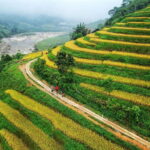
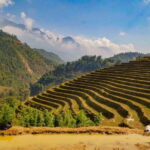
Rice terraces hit different in Sapa. This one-day guided trek links Lao Chai (Black Hmong) and Ta Van (Zay) with real time outside, a home-cooked-style lunch, and a hands-on incense lesson that makes the day feel personal.
I especially like how the walk follows the Muong Hoa – Y Linh Ho Stream past Hoang Lien Son mountain views, so you’re moving through scenery instead of just being shuffled from spot to spot. And I love the culture angle: you’re not only looking at villages, you’re hearing how people live and learning small, practical traditions like incense-making with local herbs.
One thing to consider: this is a moderate-high 12 km hike, and after rain the trail can turn slippery fast. You’ll want proper footwear and rain gear, or you’ll feel it more than you expected.
In This Review
- Key takeaways (what matters most)
- Rice terraces and two minority villages in one guided day
- Your morning pickup in Sapa town (9:00 to 9:30)
- The Muong Hoa–Y Linh Ho stream walk to Lao Chai
- What to watch for on the trail
- Lao Chai Black Hmong village: homes, daily life, and authentic lunch
- Ta Van village and Zay incense-making with local herbs
- How hard is the 12 km trek, really?
- Small group size, English guidance, and real-person names
- Pickup, lunch timing, and the day’s rhythm
- Price and value: is $34 fair for Sapa?
- Respectful trekking: dealing with souvenir selling on the trail
- Who should book this Lao Chai and Ta Van trek
- Should you book this one-day guided trek to Lao Chai & Ta Van?
- FAQ
- How long is the trek?
- How far do I hike?
- What’s included in the $34 price?
- What time do you pick me up in Sapa?
- What languages are guides available in?
- What cultural activities happen in Ta Van?
- Is this tour suitable for wheelchair users or seniors?
Key takeaways (what matters most)
- 12 km, 1 day: A full hiking day with moderate-high effort, not a casual stroll.
- Stream + terraces route: The Muong Hoa – Y Linh Ho walk gives you constant scenery and photo chances.
- Lunch with locals in Lao Chai: You eat in the rhythm of village life, not in a generic tourist spot.
- Ta Van incense-making: You learn the traditional way to make incense with local herbs.
- Small groups up to 12: Enough personal attention, and often a less crowded feel on trails.
- Rain changes everything: Mud and slick sections are real, so plan for it.
Rice terraces and two minority villages in one guided day
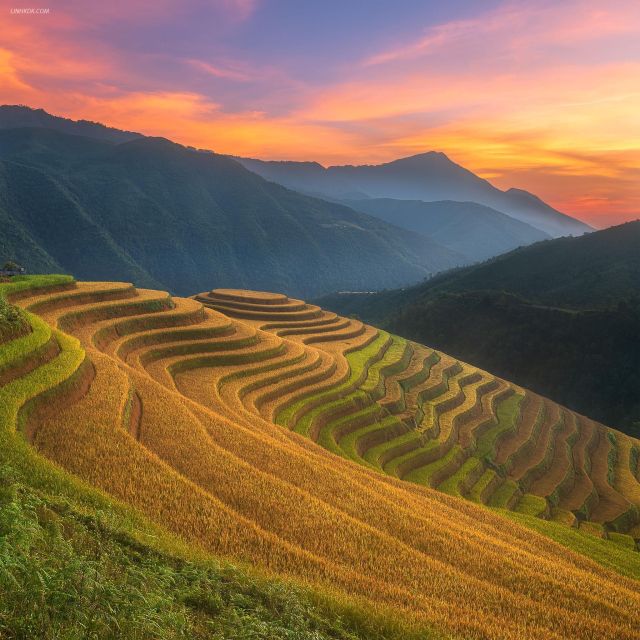
Sapa’s hill-country shows up fast on this trek. You start near Sapa town and spend the day walking through rice terraces, streams, and mountain paths before ending back in town on a bus.
The best part is the pairing: Lao Chai gives you Black Hmong village life, while Ta Van shifts to Zay culture and a hands-on incense activity. It’s the kind of itinerary that keeps you busy, but it still has pauses built in—lunch, village time, and time to ask questions instead of rushing straight through.
You can also read our reviews of more tours and experiences in Sa Pa.

Your morning pickup in Sapa town (9:00 to 9:30)
Your day begins with hotel pickup in Sapa town centre. You’ll wait in the lobby from 9:00 AM to 9:30 AM, then meet your guide and head out to start the hike.
This timing matters because the morning is often when the views are at their clearest. Even if clouds roll in, you’ll still get the rhythm of the valleys early, when the trails feel less crowded and more “local.”
Also, you’re not guessing about language. Your guide is English-speaking (and tours may also run with Vietnamese or French support), so you can actually understand what you’re seeing as you walk.
The Muong Hoa–Y Linh Ho stream walk to Lao Chai
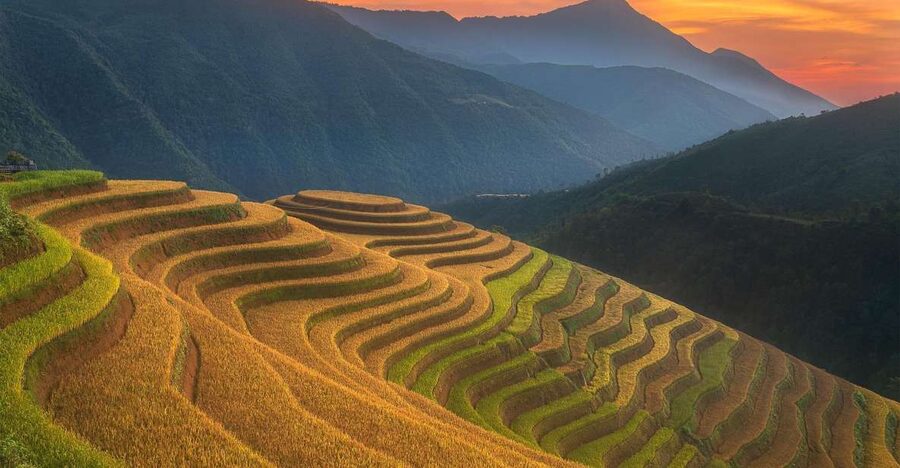
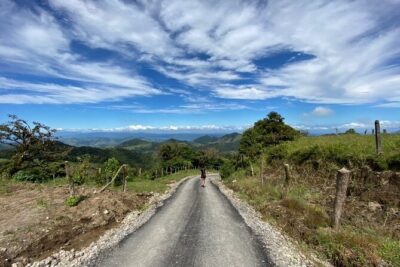
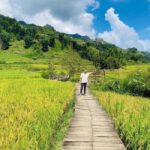
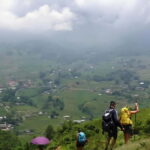
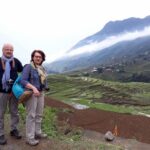
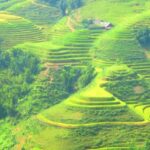
The walking section is where the day gets real—pleasant at first, then steadily more serious as you cover the full distance. The route follows the Muong Hoa – Y Linh Ho Stream, so you’re never far from water sounds, greenery, and that constantly changing valley angle.
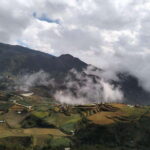
Along the way, you’ll see Hoang Lien Son mountain views. Sometimes it’s dramatic, sometimes it’s softened by mist, but either way it gives you context for the terrain you’re walking on. And if you’re hoping for “authentic-feeling” trail time, this is built for that: you’re hiking past village edges, streams, and terraces rather than staying on one paved strip.
What to watch for on the trail
The big reality check is footing. Multiple guides in the experience are used to dealing with slippery routes, and you may be offered practical help if conditions are muddy—some groups even mention bamboo trekking sticks being made or provided as a simple safety tool.
If you go after rain, go slower than you think. The faster you walk on slick sections, the more you’ll feel it in your calves and ankles.
Lao Chai Black Hmong village: homes, daily life, and authentic lunch
Reaching Lao Chai is a turning point. This is where the hike stops being only about views and becomes about people.
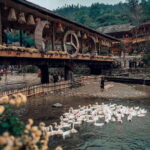
You’ll spend time in the village and see daily life up close. That village walk isn’t just “look and photograph.” It’s the kind of stop where your guide can explain cultural context—how communities live in the valley and what makes Black Hmong traditions distinct in this region.
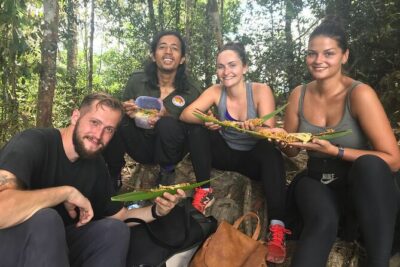
Then comes lunch, and it’s one of the best reasons to pick this tour. The meal is served at a local home in Lao Chai, described as a traditional and delicious experience. You’re eating something that fits the day’s pace, and the portions are often generous.
One practical note: if you’re sensitive to crowds or constant selling, this part can still feel social. Villagers are friendly, but you might also run into people offering goods. Stay polite, take your photos quickly if you’re photographing, and keep your no thank-you firm and simple if you’re not buying.

Ta Van village and Zay incense-making with local herbs
After lunch, you continue to Ta Van, home to the Zay Tribe. This segment shifts the vibe a bit: less rice-terrace marching and more village time, conversation, and hands-on learning.
The highlight here is incense-making. You’ll spend time learning the traditional way to make incense using local herbs. It’s a small activity, but that’s exactly why it works. You’re not only hearing about tradition—you’re doing a piece of it long enough to understand why it matters.
If you like culture that’s practical—how people create, preserve, and use everyday traditions—this stop lands well. And it’s a nice counterbalance to the hike: your body gets a break while your brain stays engaged.
How hard is the 12 km trek, really?
On paper, this is a 7.5-mile (12 km) day. In practice, it’s a hilly hike with mixed footing. You’ll likely experience both up-and-down terrain as you move between terraces and village areas.
One review mentions a maximum elevation around 1100m+, which fits the feeling you get walking through a steep valley. Even if you don’t measure it yourself, you’ll feel the grade.
Here’s the honest gear advice that keeps you comfortable:
- Wear real hiking shoes. Not thin sneakers.
- Bring rain gear if there’s any chance of wet weather.
- Use biodegradable sunscreen and insect repellent (as recommended).
- Pack warm layers. Sapa mornings and late-day breezes can catch you off guard.
And if the weather turns muddy, don’t panic. Guides handle this often, and you may see extra safety help like bamboo trekking sticks. The key is to accept slower pacing as part of the experience.
Small group size, English guidance, and real-person names
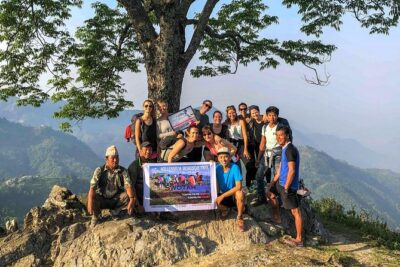
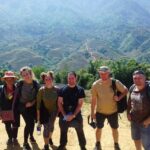
This trek runs as a small group with a limit of 12 participants. That matters more than it sounds. With fewer people, it’s easier to pause for questions, slower walkers aren’t left behind, and the guide can adjust routes when paths are crowded or slippery.
Your guide experience can shape the whole day. In past groups, guides named Giang, Toan, Lam, Li, and Antoine are mentioned as friendly, talkative, and strong on cultural context. Some guides also get creative with small touches—like bamboo souvenirs or practical trekking help during muddy stretches—which turns “a tour” into a story you remember.
One more helpful point: the guides often explain what you’re seeing in simple terms as you go. That reduces the “What am I looking at?” feeling that ruins some hikes. Instead, you’ll understand why terrace patterns exist, what village life looks like, and how different minority groups maintain traditions.
Pickup, lunch timing, and the day’s rhythm
The schedule is structured, but it’s not a sprint.
The core walking and Lao Chai portion runs about 5.1 hours including lunch and hiking time. That’s long enough to feel the trek as a full day, but it also gives you room to slow down for scenery and village moments.
After the Ta Van segment, you’ll board a bus back to Sapa. Transport is rated highly, with many reviewers giving it a perfect score—so you’re not stuck wondering how or when you’ll get back. Still, keep your expectations realistic: buses in mountain valleys move with traffic and road conditions, even when operators are punctual.
Price and value: is $34 fair for Sapa?

At about $34 per person, this is priced like a budget-friendly “one-day experience,” but the value comes from what’s actually included.
You get:
- Hotel pickup in Sapa town centre
- An English-speaking guide
- Entrance tickets
- Lunch
- Small mineral water
Not included is insurance and other drinks, so bring a little cash or plan to buy water only if you run out. But the big cost drivers—guide time, lunch, and transport—are covered.
Compared to day tours that cram in buses between viewpoints, this feels fair because you’re paying for a hike plus cultural time. You’re spending most of the day outside, and lunch is part of village life rather than a separate “stop to buy something.”
Respectful trekking: dealing with souvenir selling on the trail
This is worth saying clearly because it affects your enjoyment. On some parts of the trail and near village areas, you may have people follow you while trying to sell goods.
That doesn’t mean the experience is wrong. It just means you need a strategy:
- Smile, say no thank you, and keep walking.
- Don’t negotiate if you’re not buying. Firm and consistent works best.
- If you want photos, ask once, then move on.
If you’re someone who hates being approached repeatedly, start with the mindset that this is part of village-adjacent tourism. If you stay calm and polite, it usually stops being stressful and becomes just another normal interaction.
Who should book this Lao Chai and Ta Van trek
I’d recommend this tour if you want:
- A true walking day with rice terraces and valley paths
- Village time that focuses on how people live, not just monuments
- A hands-on cultural activity like incense-making
- A small group with English guidance
It’s not a great fit if you:
- Need wheelchair access (the hike isn’t suitable)
- Are over 70 years (explicitly not suitable)
- Have very low comfort with uneven, muddy terrain
- Want a fully relaxed, mostly flat route
If you’re visiting Sapa and trying to choose between a “viewpoints only” day and a day outdoors with culture, this one is usually the more satisfying pick.
Should you book this one-day guided trek to Lao Chai & Ta Van?
If you can handle 12 km of mixed terrain and you pack for weather changes, I’d book it. This is one of those Sapa experiences where the day has structure, but your guide’s explanations and village stops keep it from feeling mechanical.
Book it especially if you care about cultural moments you can participate in—like learning incense-making—plus a lunch that feels connected to the place, not just a stop on the map.
Skip it if you’re expecting an easy stroll or if slick conditions would make you miserable. In that case, you’d likely end the day frustrated instead of satisfied.
FAQ
How long is the trek?
It lasts 1 day, with pickup in Sapa town and a full hiking day that includes lunch and village time.
How far do I hike?
You’ll walk about 12 km (7.5 miles).
What’s included in the $34 price?
The price includes hotel pickup in Sapa town centre, an English-speaking guide, entrance tickets, lunch, and a small mineral water.
What time do you pick me up in Sapa?
You should wait in your hotel lobby from 9:00 AM to 9:30 AM for pickup.
What languages are guides available in?
Guides are available in English, Vietnamese, and French.
What cultural activities happen in Ta Van?
In Ta Van village, you’ll spend time learning about local culture and see how incense is made using local herbs.
Is this tour suitable for wheelchair users or seniors?
No. It’s not suitable for wheelchair users, and it’s also listed as not suitable for people over 70 years.