REVIEW · CUSCO
Salkantay Trek To Machu Picchu 5 Days And 4 Nights
Book on Viator →Operated by Action Peru Treks · Bookable on Viator
A rugged trek to Machu Picchu without the logistics headache. This 5-day Salkantay route from Cusco mixes high passes, cloud-forest trails, and the UNESCO-listed moment you finally see Machu Picchu down in the valley.
I especially like the small-group feel (maximum 16) and the very hands-on support, from bilingual guides to wranglers and horses that carry camp gear. I also like the comfort details—tents with mattresses and pillows, plus hot water for washing—because altitude is hard enough without sleeping like a backpack sack. One thing to consider: this trek starts early (meeting time 4:30am) and Day 2 hits the high pass (15,252 ft), so you’ll want real stamina and a calm approach to altitude.
In This Review
- Key Highlights to Know Before You Go
- Salkantay Trek to Machu Picchu: What This Trip Really Costs (and Why It’s Not Just a Hike)
- Day 1: From Cusco to Soraypampa and a Humantay Lake Excursion
- Day 1 Evening: Camp Setup You Don’t Have to Sweat
- Day 2: The Salkantay Pass Push (15,252 ft) and the Long Descent to Colpapampa
- Day 3: Rain Forest Trails Along the Santa Teresa River and the Coffee Plantation Tour
- Day 4: Llactapata Ruins, First Real Machu Picchu View, and the Train to Aguas Calientes
- Day 5: Machu Picchu Walking Tour, Optional Huayna Picchu, Then Back to Cusco
- Guides, Food, and the Small-Group Feel That Keeps This From Feeling Like a Factory
- What to Pack (So You Don’t Hate Your Life on Day 2)
- Who This Trek Is Best For (and Who Might Want a Different Route)
- Price and Value: Is $690 a Good Deal?
- Should You Book This Salkantay Trek to Machu Picchu?
- FAQ
- What time does the trek start?
- Is hotel lodging included on the trek?
- What meals are included?
- Do I need to bring a sleeping bag?
- Is transportation to Machu Picchu included?
- Is the Huayna Picchu climb included?
Key Highlights to Know Before You Go
- Humantay Lake visit: a quick, beautiful highland stop that sets the tone for the Andes
- Salkantay Pass offering at 15,252 ft, with Inca-focused cultural context from your guide
- Cloud-forest day along the Santa Teresa river, including a notable waterfall along the route
- Coffee plantation tour on Day 3, right after hiking in the rain-forest zone
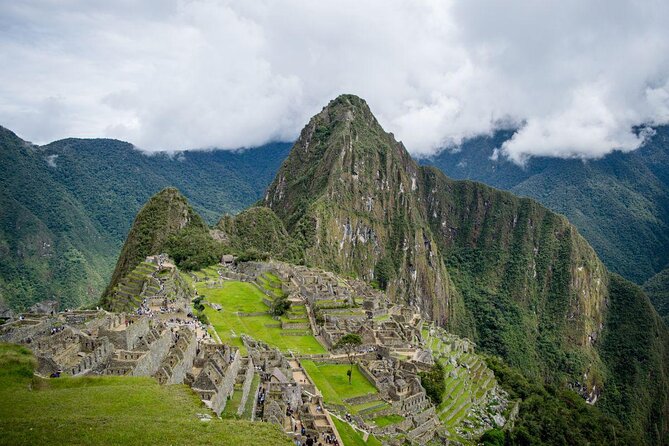
- Llactapata ruins first sight of Machu Picchu in the far distance before you train down
- Guide-led Machu Picchu walking tour plus optional Huayna Picchu climb (not included)
Salkantay Trek to Machu Picchu: What This Trip Really Costs (and Why It’s Not Just a Hike)
For $690 per person, you’re not just paying for trail time. You’re paying for a full support system: bilingual guides, chef team, tents with sleep pads and pillows, camp dining setup, toilets, horses (and even a backup horse), and the train connection from Aguas Calientes to either Ollantaytambo or Poroy, plus private transport back to Cusco.
That’s where the value lands. If you try to recreate this on your own, the “invisible” pieces—permits, people, cooking, group gear transport, meal planning, and timing the Machu Picchu rail connection—are the parts that quietly eat your time and energy. Here, you spend your effort on acclimatizing and moving.
The biggest practical caution is physical. This is a classic high-altitude trek. The itinerary includes the Salkantay pass and a long, demanding Day 2, then more moderate days after that. If you go in expecting an easy stroll, you’ll feel it fast. If you go in with moderate fitness and patience, it’s a strong, rewarding route.
You can also read our reviews of more tours and experiences in Cusco.
Day 1: From Cusco to Soraypampa and a Humantay Lake Excursion
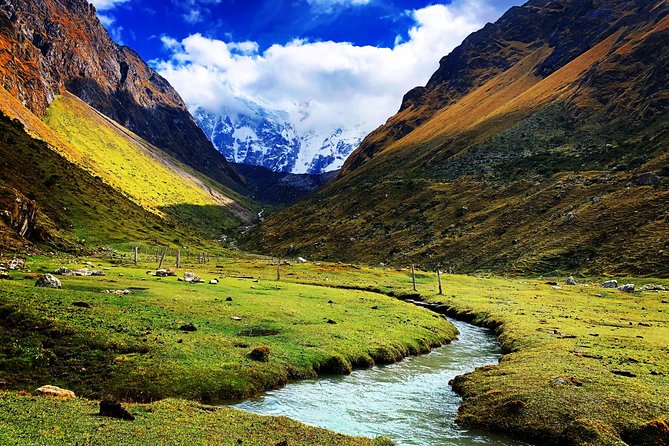
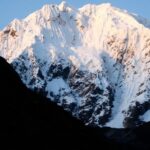
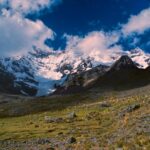
You’ll start with an early pick-up from your hotel and an intense-but-beautiful travel day. The plan is a roughly 3-hour drive to Mollepata, then a second leg of about 1 hour 45 minutes to Soraypampa, the main trail start. Along the way, you’ll get your first big glimpses of the Salkantay and Humantay mountains.
At Mollepata, you stop for breakfast at a local house—simple, local, and a good way to settle your stomach before the hiking begins. Once you reach Soraypampa, the support team takes over the logistics: staff meet you, pack the gear, and load equipment onto horses.
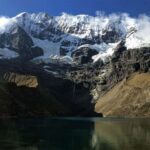
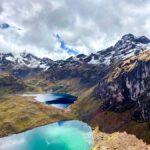
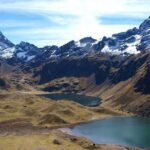
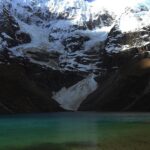
Then comes Humantay Lake. The hike/excursion there is listed as about 2 hours. This stop works as more than a photo break. It’s your first taste of the altitude world: bright light, crisp air, and that highland stillness that makes every mountain feel close.
What I like here: You’re not immediately thrown into a punishing hike the moment you arrive. Day 1 gives you the Andes feeling first—mountain views, elevation, and a guided landing—so you can get your rhythm.
What to watch: you start early and drive a lot. Even if you’re fit, treat this day like an acclimatization day in disguise.
Day 1 Evening: Camp Setup You Don’t Have to Sweat
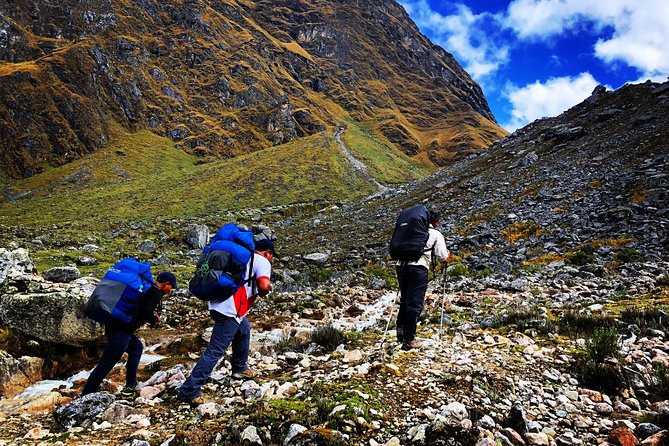
After Humantay Lake, you head back to the trail and begin the trek toward your evening camp (the specific camp name isn’t shown in your details, but the pattern is clear: trail time, then camp). This is where the trip earns its keep.
You’re provided camping infrastructure: kitchen tent, dining tent with tables and chairs, and a toilet tent with a portable toilet. You also get four-person tents for two people, plus mattresses and pillows. That setup matters because it changes how you recover each night, especially when your body is working overtime at altitude.
You’ll also notice the “system” element: wranglers and horses carry group gear (food, tents, chairs, tables, and more). There’s also a horse for about 8 kg of your personal belongings, plus an emergency horse if needed. In plain terms: you don’t have to haul everything like you’re packing for a month.
Day 2: The Salkantay Pass Push (15,252 ft) and the Long Descent to Colpapampa
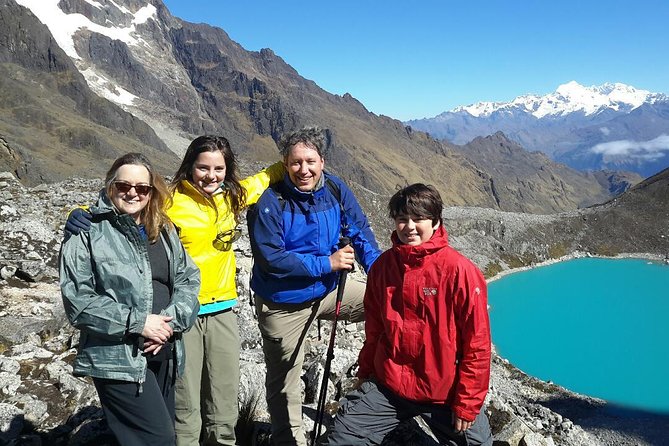
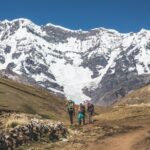
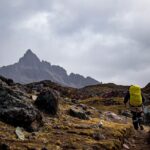
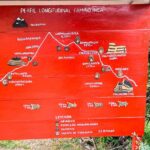
Day 2 is the signature challenge day. After breakfast, you start with about 1 hour uphill to the Salkantay pass at 15,252 ft. This part is not just about effort; it’s also about mindset. The itinerary includes making an offering to Salkantay at the top, plus discussion of Inca culture and why the site is venerated.
Then you switch from the steep climb to a dramatic change of scenery: an approximate 2-hour downhill to Huayrac (around 12,464 ft), where you stop for lunch. From there, you hike downhill for about 4 hours to camp at Colpapampa (10,170 ft).
What I like here: the cultural stop at the pass. It turns the hardest moment of the trek into something meaningful, not just suffering-with-a-view.
What to watch: this is where altitude can catch you even if you’re athletic. Go steady, take breaks when the guide tells you to, and don’t treat the climb like a race. Your pace today affects how you feel tomorrow.
Day 3: Rain Forest Trails Along the Santa Teresa River and the Coffee Plantation Tour
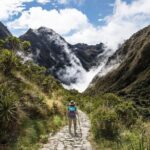
Today gets easier in effort, but not in wow-factor. After breakfast, you hike about 6 hours over gentle up-and-down sections. The route follows the Santa Teresa river path through rain-forest terrain.
This is the day where you can feel the ecosystem change—mood, air, and plant life shift, and the trail becomes more shaded and humid. You’ll pass along the way and reach Lucmabamba, your campsite around noon. The itinerary notes that there’s a beautiful waterfall along the path, which is exactly the kind of thing that makes rain-forest days worth it even when you’re not thinking about wildlife.
After lunch, you head into an adjacent coffee plantation tour at the campsite area. This isn’t a random add-on. It’s a nice contrast to the altitude exertion you just did: you’re hiking in conditions that support lush growth, then learning how coffee grows in these regions.
My take: this is a smart pacing day. You still get nature and views, but you don’t spend the whole day trying to conquer one big elevation moment.
What to watch: rain-forest weather can be changeable. Bring your rain layer and keep your daypack organized so you don’t end up digging for items when it starts dripping.
Day 4: Llactapata Ruins, First Real Machu Picchu View, and the Train to Aguas Calientes
Day 4 is the “Machu momentum” day.
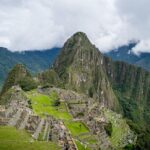
After breakfast, you climb for about 3.5 hours through rain forest to Llactapata ruins at 8,856 ft. You get a thorough tour once you reach the ruins. The itinerary also makes a big promise here: it’s the spot where you get your first view of Machu Picchu in the far distance.
Then you descend about 2.5 hours to Hydro, where you have lunch. At around 3 pm, you board the train to Aguas Calientes.
Once you arrive, you check into your hotel and dinner is at a restaurant.
What I like here: Llactapata gives you the emotional build-up. It turns Machu Picchu from a distant goal into something you can actually see—like the end of a long corridor finally opening.
What to watch: timing matters. You’re climbing and then taking the train later the same day, so you’ll want to pace well on the morning climb. Don’t burn all your energy before the views.
Day 5: Machu Picchu Walking Tour, Optional Huayna Picchu, Then Back to Cusco
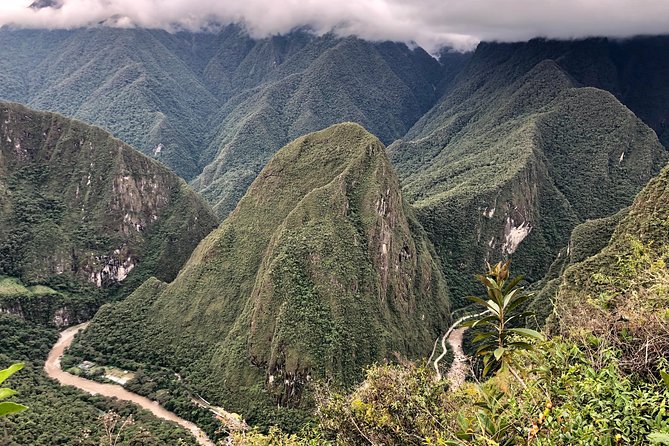
Breakfast at your hotel comes before your bus ride to Machu Picchu.
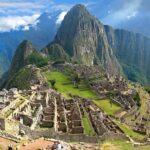
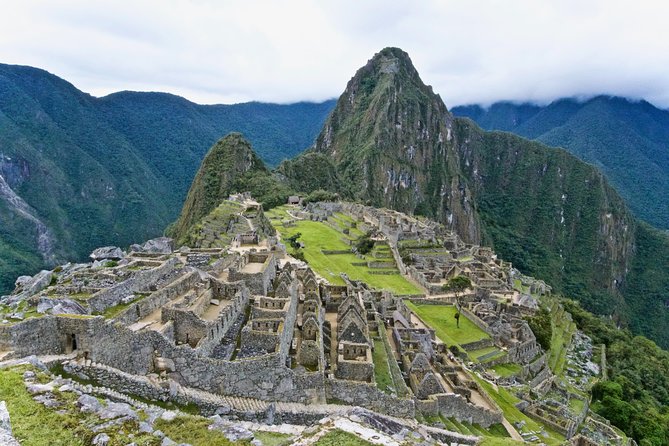
Once at the site, you get a 2-hour walking tour. The guide-led pacing is helpful here: Machu Picchu is big, and it’s easy to get lost in “I just want the best photos” mode. A guided walk helps you connect what you’re seeing—structures, viewpoints, and layout—so it feels more than a postcard.
If you choose the Huayna Picchu climb, that begins at 10 AM, and it’s not included in this package. If you don’t climb, you’ll have time to stay at Machu Picchu before returning to Aguas Calientes.
Then the logistics finish cleanly: you board the train to Ollantaytambo or Poroy, and from there a private van takes you back to Cusco.
My advice: if your body feels good, consider how you’ll split your time at the site. The optional Huayna Picchu adds effort. If you’re still feeling altitude effects, you’ll likely enjoy Machu Picchu more by staying with the main circuit and taking your time.
Guides, Food, and the Small-Group Feel That Keeps This From Feeling Like a Factory
This is the part I’d put at the top of your decision list, and it matches what people consistently praise.
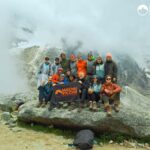
The group is small, with hands-on support from bilingual guides. Guides named Christian and Eddie show up often in the best feedback, along with other guide names like Ericsson, Hipo, and Dario. Across that feedback, the common theme is care: guiding you through history and nature while also keeping you moving at a safe pace.
Meals are another standout. The tour description mentions multi-course, and the feedback repeats that chefs deliver high-quality meals—often described as three courses—so you’re not stuck with sad trail food. It’s the kind of nourishment that makes a difference when you’re hiking high altitude days.
You also get the “camp comfort” layer that many trekking trips skip: mattresses, pillows, hot water for washing, plus water each morning for filling your bottles. That last point matters more than it sounds. Clean hydration helps you function.
What to Pack (So You Don’t Hate Your Life on Day 2)
You’ll get a detailed packing list, and it’s worth treating it as a checklist, not suggestions. Based on what’s provided, focus on these essentials:
- Trekking boots and a warm fleece jacket
- Rain jacket (rain-forest days and cloud lift-offs are real)
- Head lamp (early starts and dim camp paths)
- Sunglasses and sunscreen SPF 35+
- Gloves and warm underwear
- Light long pants and a sun hat
- Insect repellent
- Camera and spare batteries (cold and altitude drain batteries faster)
- Binoculars if you like spotting birds and valley views
Two gear notes:
- A sleeping bag is not included, but it can be rented from the operator. Don’t show up empty-handed and assume you’ll improvise.
- Hiking poles are recommended and can be rented. Poles can save your knees on steep descents, especially after the pass.
Who This Trek Is Best For (and Who Might Want a Different Route)
This trek suits you if you want:
- A structured, supported trek with camp comfort and trained staff
- Real views, including the pass moment and the first Machu Picchu sight from Llactapata
- A small group where the guide can actually help, not just count heads
You may want to consider another option if:
- You’re unsure about altitude and you tend to push too fast when you feel okay. The highest point is part of the experience and you’ll need a patient approach.
- You’re hoping for a fully car-free itinerary without early starts. Day 1 begins extremely early, and the whole flow is time-managed.
Price and Value: Is $690 a Good Deal?
For $690, you’re paying for a lot of infrastructure: tents with mattresses and pillows, toilets, chefs, bilingual guides, horses for equipment hauling, emergency oxygen and a medical kit, and major transport pieces like the Machu Picchu rail segment and the private transfer back to Cusco.
What’s not included is also important:
- Sleeping bag
- Day 5 lunch in Aguas Calientes
- Tips for guide/chef/muleteers
- Hiking poles (recommended, and can be rented)
- The round-trip bus ticket to Machu Picchu
When you weigh the total package, the price feels fair if you’re the type of traveler who values not having to organize the moving parts. If you’re a confident DIY planner with your own gear team, you might find cheaper alternatives—but most budget options cut corners on camp comfort and food support. Here, the whole idea is that your job is to hike.
Should You Book This Salkantay Trek to Machu Picchu?
Book it if you want a route with strong structure and fewer logistics headaches. The combination of small-group guidance, camp comfort (mattress and pillow), multi-course meals, and the build-up to Machu Picchu—especially the Llactapata first-view moment—makes this feel like the trip you remember for years, not the trip you manage week-by-week.
Skip or reconsider if you’re not ready for altitude and steep effort on Day 2. This trek is doable for many people, but it doesn’t pretend the pass is easy.
FAQ
What time does the trek start?
The meeting/start time is 4:30am.
Is hotel lodging included on the trek?
Yes. You have lodging in Aguas Calientes on night 4, and it’s double occupancy.
What meals are included?
Breakfast is included (5 breakfasts), lunch is included (4 lunches), and dinner is included (4 dinners). Day 5 lunch in Aguas Calientes is not included.
Do I need to bring a sleeping bag?
Yes, a sleeping bag is not included. You can rent a sleeping bag from the operator.
Is transportation to Machu Picchu included?
The bus ticket to Machu Picchu is not included, but you will be taken to Machu Picchu by bus. You also get the train from Aguas Calientes to Ollantaytambo or Poroy, plus private transport back to Cusco.
Is the Huayna Picchu climb included?
No. If you want to climb Huayna Picchu, it’s not included in this package (it starts at 10 AM if chosen).