REVIEW · CUSCO
From Cusco: Rainbow Mountain Trek
Book on GetYourGuide →Operated by PVTravel · Bookable on GetYourGuide
Cold mornings. Big colors.
This trip to Rainbow Mountain (Vinicunca) is one of those Cusco day tours that feels like a whole mini-adventure: you’re up at altitude early, you hike through Andean grazing country, and then you get your window to see the famous seven-color bands. I especially like the small group size (up to 15) and the fact that you’re not left on your own—there’s an English/Spanish guide, plus basic high-altitude support like a first-aid kit and oxygen.
My main caution is timing at the top. You’ll have only 30 minutes to 1 hour at Rainbow Mountain depending on pace and weather, so if you want extra side exploring, plan smart.
In This Review
- Key things that make this tour worth your time
- A 4:00 AM push to Rainbow Mountain at 5,020 m
- What I like
- One drawback to plan around
- Getting to Hanchipacha and Quesiuno: the altitude warm-up
- Practical tip
- The hike up: alpacas, llama herds, Ausangate, and red hills
- How the hike feels
- Vinicunca’s seven colors: what the summit time is really like
- Why the colors look so intense
- A key expectation check
- The return hike, then lunch in Hanchipacha and back to Cusco
- What I like about this flow
- What to watch for on the way down
- Price and value: what $61 gets you (and what costs extra)
- My value take
- Comfort and safety at high altitude: what to bring and who should skip
- What to bring
- Who should consider horses
- A smart pacing mindset
- Group size and guides: small-team support that actually helps
- Practical takeaway for your own trip
- Optional Red Valley time: a helpful add-on if you crave more hours
- Expectation management tip
- Should you book the Cusco Rainbow Mountain Trek?
- FAQ
- How long is the Rainbow Mountain Trek from Cusco?
- What time does the tour pick you up in Cusco?
- How high do you go on this tour?
- How long do you hike, and how long do you stay at Rainbow Mountain?
- What is included in the price?
- Are entrance fees included?
- Do you provide trekking poles?
- Are horses available?
- What should I bring, and what should I wear?
- Is this tour suitable for people with asthma or heart conditions?
Key things that make this tour worth your time
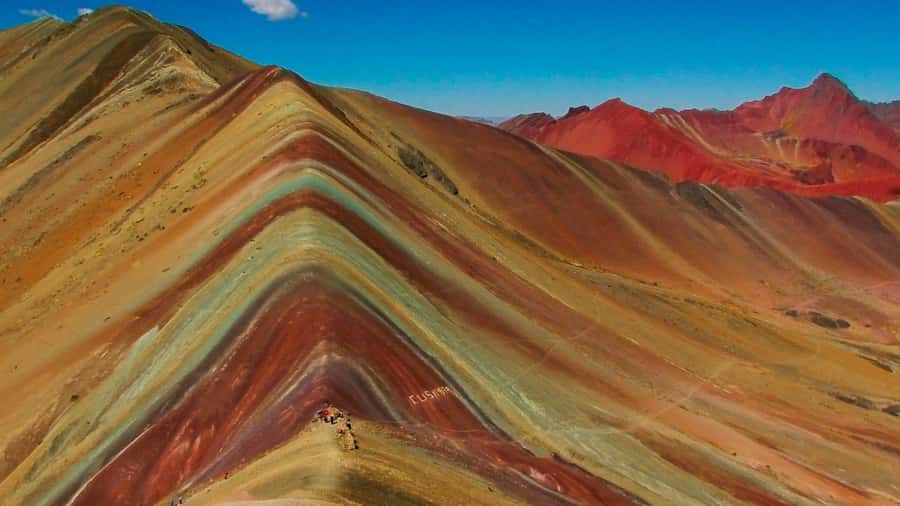
- 4:00 AM pickup means you reach Rainbow Mountain while the day is still young and the air is crisp
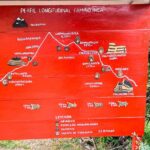
- Real altitude checkpoints: starting around 4,326 m and reaching about 5,020 m
- Andean wildlife and herds: alpacas and llamas show up along the route
- Photo-focused stop: a set time window at the summit views, with help from your guide
- Safety gear included: first-aid kit and oxygen in the group
- Optional extra time ideas like the Red Valley side stop (for an additional fee)
A 4:00 AM push to Rainbow Mountain at 5,020 m
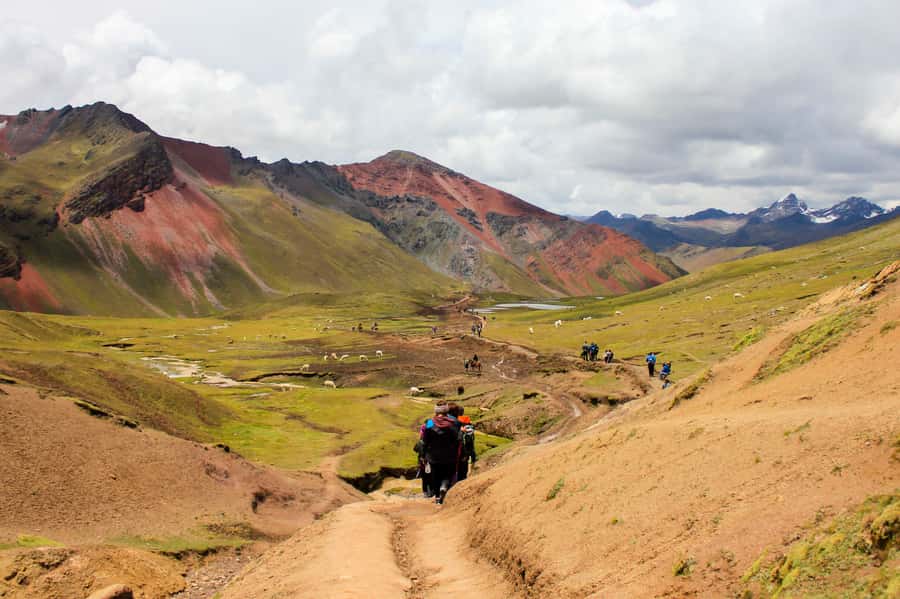
Your day starts in Cusco with pickup around 4:00 AM. That early start is not just for drama; it’s built into how the route works. You drive out of town, break the long transfer with a proper breakfast stop, and then start the hike at elevation. If you’re the type who hates waking up early for anything, this is your test.
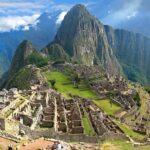
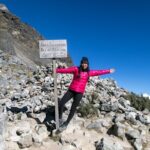
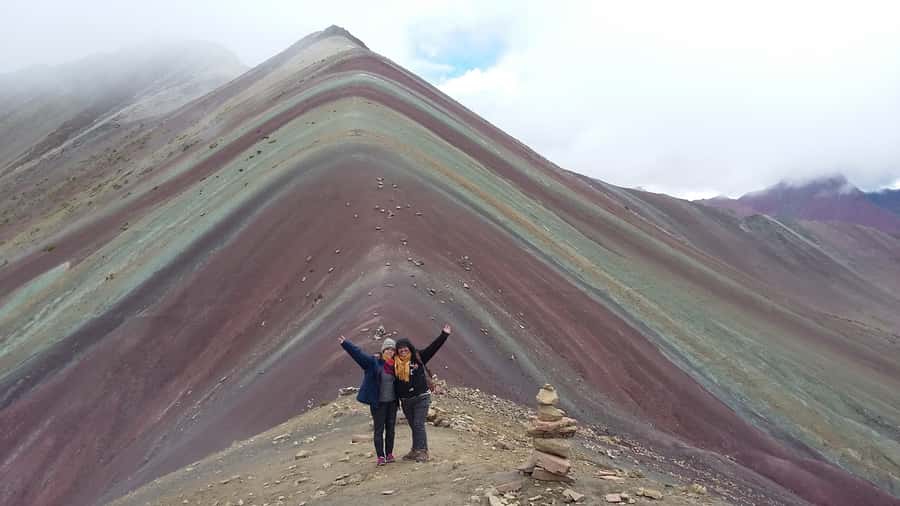
At the top, the payoff is the Rainbow Mountain view at about 5,020 m (16,466 ft). Expect cold air, thin breathing, and lots of “wait, that’s really what it looks like?” moments. The color comes from sedimentary stones exposed through erosion, forming a banded look in seven colors—not paint, not filters, just geology doing its thing.
You can also read our reviews of more tours and experiences in Cusco.
What I like
- The timing is practical for reaching the viewpoint without turning it into an all-night ordeal.
- Your guide is present from the start, so you’re not trying to figure out altitude logistics while your legs are protesting.
One drawback to plan around
You don’t linger up high for hours. You get a 30–60 minute exploration window, so you’ll want to be ready: layers on, camera charged, and a quick plan for where you want to stand for photos before you start slowly walking around.
Getting to Hanchipacha and Quesiuno: the altitude warm-up
The schedule is built in layers. First, you travel roughly three hours to the Hanchipacha community, where you stop for breakfast. This matters because after an early pickup, you need fuel before you’re tackling thin-air walking.
Then there’s a short drive to Quesiuno, around 4,326 m (14,189 ft). The trek actually begins after that. This means you’re not going straight from Cusco street level to extreme altitude without any ramp-up. Still, it’s serious altitude climbing. The tour description is clear: you’re walking over 16,000 feet, and you should take the acclimatization seriously—ideally spend a few days in Cusco before doing this.
Practical tip
If you’re only in Cusco for a day or two, altitude risk goes up. It’s not about courage. It’s about your body having time to adjust.
The hike up: alpacas, llama herds, Ausangate, and red hills
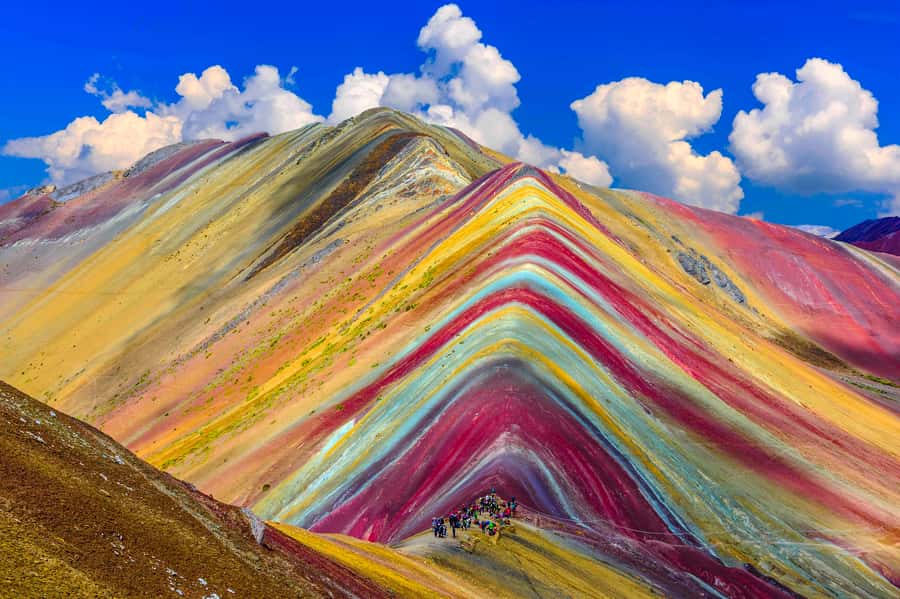
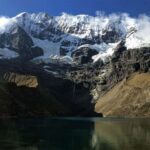
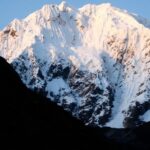
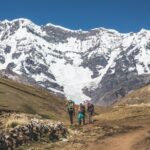
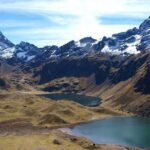
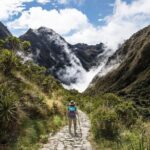
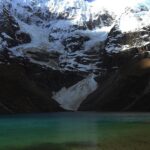
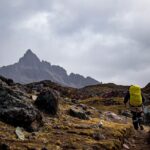
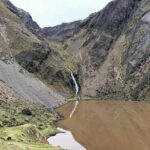
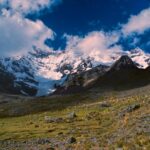
Once you start trekking, the route is roughly over three hours of walking through dramatic high-altitude scenery. You’ll pass alpaca and llama herds, and you’ll see traditional local houses along the way. One of the big view markers is Ausangate Mountain—it shows up in the broader panorama as you climb through the Vilcanota area.
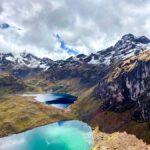
The terrain also gives you that “reds everywhere” feeling. You’re moving through red mountains and mineral-rich ground that looks almost unreal when you’re close to it. At this elevation, the scenery is sharp and raw. It’s not about greenery. It’s about color, shape, and the sense of scale.
How the hike feels
This is not a sprint. It’s a steady climb where pacing matters more than speed. That point came through in how guides manage the group: the best part is that you’ll usually be allowed to walk at your own pace while still keeping everyone together. One guide was noted for guiding people at their rhythm without losing overall control of the group—exactly what you want when you’re also managing breathing.
Vinicunca’s seven colors: what the summit time is really like
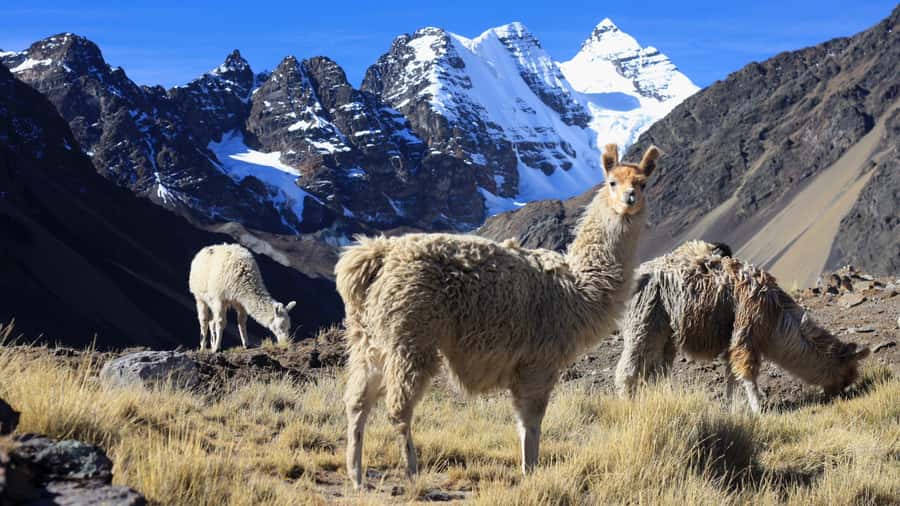
When you arrive at Rainbow Mountain, you’ll have your signature moment. The tour gives you 30 minutes to 1 hour to explore the area and take photographs. That time varies based on your trekking speed and weather conditions, so treat it as flexible.
Here’s what you should expect during your summit window:
- You’ll want to take photos quickly but not recklessly. Wind and cold can make your fingers clumsy.
- You’ll likely want a short walk around for angles—just don’t wander too far if the altitude hits you harder than expected.
- The guide will help with positioning and timing. One group experience highlighted how the guide was patient and even helped with photos—useful when you’re balancing camera gear and thin air.
Why the colors look so intense
The color comes from sedimentary stones exposed by erosion. The “seven colors” effect is part of the geology—layers and mineral composition, not staging. The result is that the mountain surface can look striped and dramatic from multiple angles, especially under early-day light.
A key expectation check
If you’re hoping for a long, slow summit hangout, this tour won’t match that fantasy. You’ll get a meaningful window, but you’ll also be turning the hike back relatively soon.
The return hike, then lunch in Hanchipacha and back to Cusco
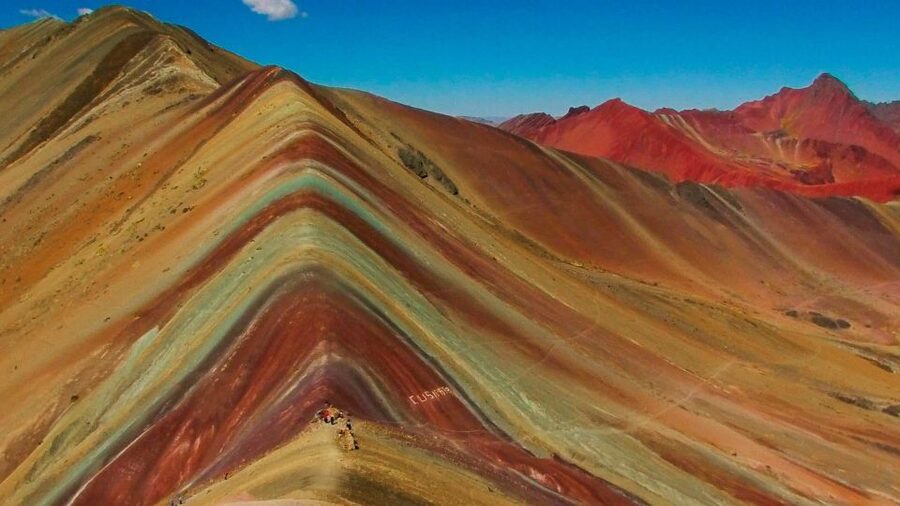
The return is described as about two hours back down. Going down can be tougher than people expect—not because it’s harder physically in the pure climbing sense, but because your knees and calves need control on uneven ground.
At Quesiuno, you’ll switch from hiking to transportation back to Hanchipacha, where you have lunch. This is a good break after the walking fatigue. Then you drive back to Cusco and get dropped off at Plaza Regocijo, about two blocks from the Main Square.
What I like about this flow
It’s a complete loop with food and a clear endpoint. You’re not stuck guessing what happens next, and your day doesn’t end with a “good luck getting back down” moment.
What to watch for on the way down
- Wear shoes that grip. If your footwear is slippery or worn out, this portion can feel stressful.
- Move with small steps. It’s easier on your legs and safer at altitude.
Price and value: what $61 gets you (and what costs extra)
At about $61 per person, this is priced like a budget-friendly full-service day. The value is in the items you’d otherwise have to coordinate yourself:
Included highlights:
- Pickup from your accommodation in Cusco (historic center hotels; otherwise a meeting point)
- Drop-off at Plaza Regocijo
- A professional guide in English or Spanish
- First aid kit and oxygen
- Buffet breakfast and lunch
- Walking poles
- Optional entrances if you select that option
Not included:
- Entrance fees (noted as 30 Peruvian soles, cash)
- Meals not specified in the itinerary
- Horses (but they can be rented for part of the trip)
My value take
If you factor in guide support, transport timing, meals, and basic altitude safety items, it’s a reasonable deal for a high-altitude day tour. The “extra” entrance fee is the one common surprise. Bring cash so you don’t scramble at the last minute.
Comfort and safety at high altitude: what to bring and who should skip
This tour is not for everyone. The information is direct: it’s not recommended for people with asthma, heart problems, and/or high blood pressure, and it’s listed as not suitable for wheelchair users and people with respiratory issues or high blood pressure.
The big reason is simple. You’ll walk at elevations where your body may struggle, and the tour notes you’ll walk over 16,000 feet. That’s also why it recommends you spend some days in Cusco first so you acclimate.
What to bring
- Comfortable shoes with grip
- Warm clothing (it’s cold up there)
- Plan for layers. Your body warms up while hiking, then cools down fast when you stop.
Who should consider horses
If you’re reasonably fit but concerned about the altitude or the distance, you can rent horses for part of the trip. The key is to think of this as a way to reduce strain, not as an all-or-nothing decision. If you decide you need it, ask early so it doesn’t become a late panic.
A smart pacing mindset
This is a hike where “arrive” matters more than “win.” Slow breathing, slow steps, and steady effort beat pushing and then suffering. And yes, your guide’s job includes keeping the group moving in a way that respects different paces.
Group size and guides: small-team support that actually helps
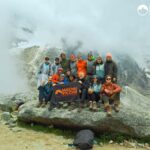
Small group size—up to 15 participants—changes the feel of the day. You’re not wrestling for attention in a crowd. Your guide can check in, adjust pacing, and keep you from getting separated.
Two guide experiences stood out in the way the service showed up:
- One guide, Alfredo, was praised for excellent explanations, patience, and help with photos.
- Another guide, Jessy, was described as extremely caring, with translation help when the group’s English needs were specific. That kind of effort can make a big difference when you want to understand what you’re seeing, not just stare at mountains.
Practical takeaway for your own trip
If you care about photos, tell your guide what you want: a quick group shot, a specific angle, or help finding a good spot before everyone moves. A good guide can help you get photos without slowing the group into chaos.
Optional Red Valley time: a helpful add-on if you crave more hours
One thing to know: if you want more than just Rainbow Mountain, ask about the Red Valley option. There’s mention of an added stop for an additional 30 soles (cash). That matters because the main attraction already has a limited 30 minutes to 1 hour window, so extra time can be the difference between feeling rushed and feeling satisfied.
If you’re trying to plan tightly around photos and viewing time, this is worth considering.
Expectation management tip
Don’t assume you’ll automatically have time to do everything. With an early start and a full-day schedule, the itinerary is designed to fit the core hike and return. Add-ons can be great, but they often come with their own trade-offs.
Should you book the Cusco Rainbow Mountain Trek?
Book it if you want:
- A small-group high-altitude hike with a guide, poles, and meals
- The chance to see Rainbow Mountain’s seven-color geology up close
- A day that’s structured enough to feel safe and organized, but still outdoorsy and real
Skip or rethink it if:
- You have asthma, heart issues, respiratory problems, or high blood pressure
- You’re not giving yourself time to acclimate in Cusco
- You need a fully accessible route (wheelchair users aren’t suited to this activity)
The bottom line: this is a strong value day trip when you’re prepared for cold and altitude. If you take acclimatization seriously, wear good shoes, and accept that your summit time is limited, you’ll likely come away with photos and memories that feel very different from a typical “sit on a bus” excursion.
FAQ
How long is the Rainbow Mountain Trek from Cusco?
The total duration is about 16 hours.
What time does the tour pick you up in Cusco?
Pickup is around 4:00 AM from your accommodation in Cusco (historic center hotels are included; otherwise you’ll get a meeting point if pickup isn’t possible).
How high do you go on this tour?
You start trekking at about 4,326 meters (14,189 ft) and reach Rainbow Mountain at about 5,020 meters (16,466 ft).
How long do you hike, and how long do you stay at Rainbow Mountain?
The uphill trek is over three hours, the return hike takes about two hours, and you spend 30 minutes to 1 hour exploring Rainbow Mountain depending on speed and weather.
What is included in the price?
Included are pickup and drop-off, a professional English or Spanish guide, first aid kit and oxygen, buffet breakfast and lunch, and walking poles. Entrances may be included if you select the option.
Are entrance fees included?
No. Entrance fees are 30 Peruvian soles, paid in cash.
Do you provide trekking poles?
Yes. Walking poles are included.
Are horses available?
Horses are not included, but you can rent horses for part of the trip if needed.
What should I bring, and what should I wear?
Bring comfortable shoes and warm clothing. The tour notes that it’s important to take altitude precautions.
Is this tour suitable for people with asthma or heart conditions?
It’s not recommended for people with asthma, heart problems, or high blood pressure, and it’s listed as not suitable for people with respiratory issues or high blood pressure.