REVIEW · KATHMANDU
Private Annapurna Circuit Trek
Book on Viator →Operated by MTA Trekking · Bookable on Viator
Needing oxygen for 5,416 meters changes everything. This Private Annapurna Circuit Trek is built for the big day at Thorong La Pass, but it also strings together real village life, forests, monasteries, and high-altitude teahouses along the way. You also get a guide who keeps the pace sensible and the logistics smooth.
I love the way this trek handles altitude with two nights in Manang plus a day to adjust before you go higher. I also like the human touch from the guides: people have praised Ghanshyam for taking care and adapting to needs, and Shishir for staying upbeat and even singing during the trek.
One possible drawback: the pass day is long and cold, and you’ll need solid effort. This route is doable without technical climbing skills, but it’s still serious trekking at high altitude, and teahouse nights can feel basic up high.
In This Review
- Key points before you go
- Thorong La Pass is the headline, but it’s not the whole story
- The 11-day flow: Kathmandu prep to Pokhara unwind
- Day 1 in Kathmandu: briefing day, not a stress day
- Day 2: Besisahar and the slow start to the trail zone
- Days 3–4: Chame to Pisang, permits and prayer-flag bridges
- Days 5–6: Pisang to Manang, the 900-year-old monastery and acclimatization
- Days 7–8: Yak Kharka and Thorong Phedi, where pace becomes strategy
- Day 9: Thorong La Pass and the descent to Muktinath
- Day 10: Jomsom day, then the road to Pokhara
- Where the value is in the package (and what you still handle)
- Guides and organization: what the reviews keep praising
- Who this private Annapurna Circuit suits best
- Should you book this trek?
- FAQ
- What is the highest point on the trek?
- How long is the trek?
- What’s included for trekking gear and permits?
- Are meals included during the trek?
- What lodging is included before and after the trek?
- Is a porter included in the price?
- How does cancellation for a refund work?
Key points before you go
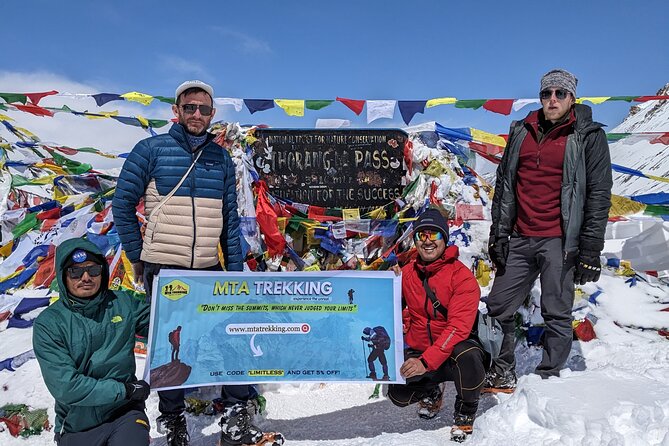
- Thorong La Pass (5,416 m) without technical climbing means you focus on hiking, not gear tricks.
- Manang acclimatization is built in with two nights and a rest day.
- Permits, meals, and key trekking gear are included, reducing planning stress.
- A private setup means you move as one group with an experienced guide and flexibility for your pace.
- Teahouse villages keep the trip grounded (Yak Kharka bakery stop energy is real).
- A one-hour foot massage after the trek is a smart reward for your legs.
Thorong La Pass is the headline, but it’s not the whole story
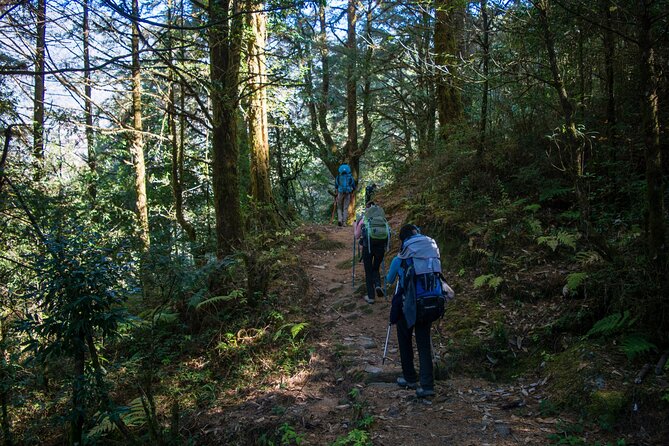
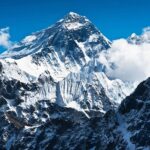
Thorong La is the high point of the Annapurna Circuit Trek at 5,416 meters. The big appeal is that you cross it without technical climbing skills, which makes this trek accessible for the right kind of hikers. Translation: you still face altitude, cold, and a steep slog, but you’re hiking rather than scrambling.
What makes the pass day worth it is what comes with it. On the way up and over, you’re likely to see towering neighbors like Dhaulagiri and Manaslu, and the views keep rewarding you as you descend toward Muktinath. It’s the kind of day that makes you feel small in the best way.
That said, “no technical climbing” doesn’t mean “easy.” You’ll be trekking high and for a long stretch. If you’re the kind of person who wants to sprint, this route politely refuses.
You can also read our reviews of more tours and experiences in Kathmandu.
The 11-day flow: Kathmandu prep to Pokhara unwind
This trek is arranged like a gradual ladder. You start in Kathmandu with a short trip briefing, then head toward the trail with travel days that still give you scenery. As you go, the schedule shifts from lower walking to higher acclimatization, and then to the pass and descent.
The rhythm looks like this:
- Days 3–5: Chame → Pisang → Manang, with forests, bridges, and monastery history.
- Days 6–8: A rest day in Manang, then higher teahouse staging (Yak Kharka → Thorong Phedi).
- Day 9: Thorong La Pass and the descent to Muktinath.
- Days 10–11: Jomsom and then onward to Pokhara, passing classic gorge views and farmland.
Private tours help here. Even when the route uses public transportation for some legs, you keep a tight group plan on the trek itself.
Day 1 in Kathmandu: briefing day, not a stress day
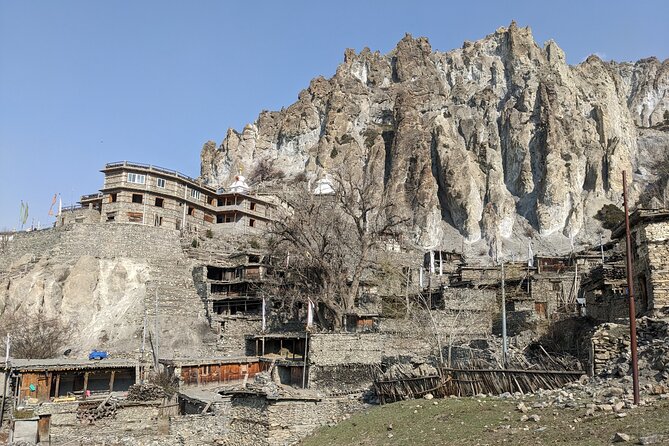
You land in Nepal and get greeted by the MTA Trekking representative. Then it’s a transfer to a Deluxe budget hotel included in the package, plus time to freshen up. After that, you get a short briefing about the trip overview and what to expect on the trail.
This day matters more than it looks. If you arrive tired, jet-lagged, or overwhelmed, your mind will feel like it’s hiking before your feet ever leave town. Use Day 1 to get sleep, shop for anything you forgot, and let your body catch up.
Day 2: Besisahar and the slow start to the trail zone
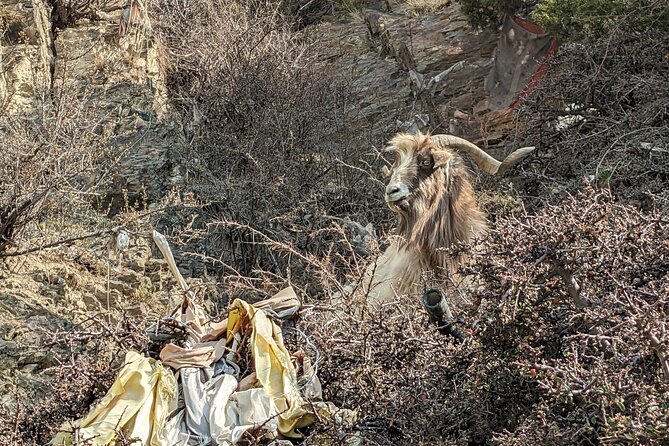
You travel to Besisahar (Besi Shahar) by public transportation for about 4–5 hours. The benefit of using public transport here is that you see more of the real Nepal in motion—rural roads, everyday life, and the way towns connect to the mountains.
Once you reach Besisahar, you check into a hotel and keep the rest of the afternoon and evening free. That free time is useful. You can prep gear, double-check layers, and eat something filling without rushing.
Days 3–4: Chame to Pisang, permits and prayer-flag bridges
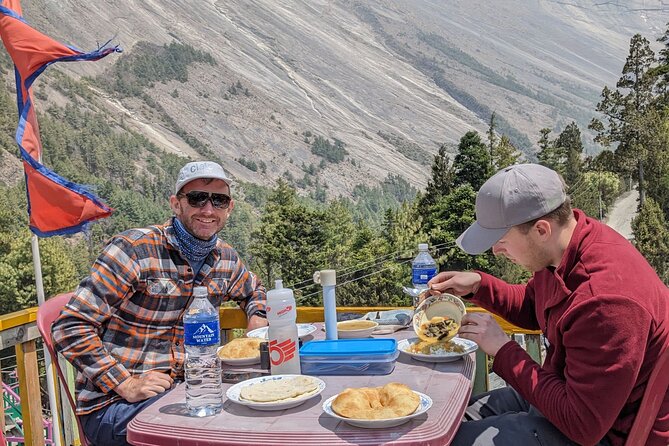
On Day 3, you drive from Besisahar to Chame in about 2–3 hours. The route passes Gurung and Magar villages, plus pine and rhododendron forests, and even a roadside waterfall. You stop at Dharapani to register trekking permits, then continue to Chame and check into your trekking lodge.
In Chame, you’ll get a home-cooked meal and a night in a lodge. This kind of “real food” moment helps. After travel, it’s comforting to know you’ll eat well without having to hunt for options.
Day 4 hikes from Chame to Pisang (about 4–5 hours). You move through apple orchards, rhododendron and conifer forests, and suspension bridges decorated with colorful prayer flags. You also get views of Paungda Danda, a flat-topped mountain that’s not as famous as the headline giants but still feels dramatic up close.
Drawback to note: Day 4 is a hike day, not a rest day. If you show up underpacked or under-slept, you’ll feel it in your calves.
Days 5–6: Pisang to Manang, the 900-year-old monastery and acclimatization
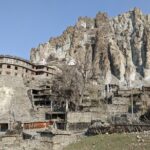
Day 5 is Pisang to Manang (about 5–6 hours). Expect evergreen forests, villages like Humde and Braga, and the 900-year-old Braga monastery. The views can include Gangapurna, Pisang Peak, and the Annapurnas, and you may also spot alpine lakes along the way.
Manang is one of the larger communities in the Annapurnas. That matters because it gives you more options—food, supplies, and a place to feel human again after a day of walking. You stay for two nights, which is exactly what you want for altitude prep.
Day 6 is a true acclimatization day in Manang. You can rest, restock supplies, and eat local fare. The itinerary also offers the option of day hikes to Gangapurna Lake or Kicho Tal, depending on conditions and how your body feels.
This is the smart part of the route. Thorong La punishes people who try to “power through” without adjusting. Manang gives you the buffer so you arrive at higher stages with more confidence.
Days 7–8: Yak Kharka and Thorong Phedi, where pace becomes strategy
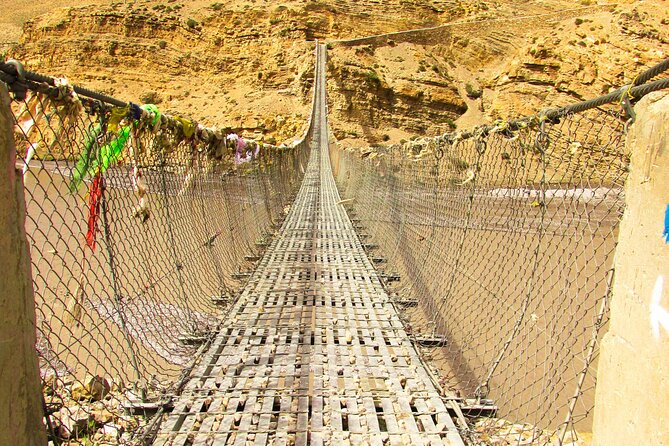
Day 7 hikes from Manang to Yak Kharka (about 4 hours). You’re around 4,000 meters, and the route crosses multiple suspension bridges. That bridge rhythm is scenic, but it can also make you feel oddly tired because your brain keeps reacting to views and movement.
Yak Kharka is a small village with a bakery and teahouses. The bakery detail is more useful than it sounds: at altitude, you want predictable comfort food and warm spaces.
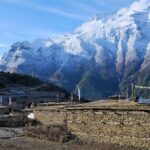
Day 8 goes from Yak Kharka to Thorong Phedi (about 4–5 hours). You’re around 4,600 meters and cross another impressive suspension bridge. You arrive in the afternoon and settle into a teahouse with views that can include Gangapurna, Tilicho Peak, and the Annapurnas.
Here’s the practical angle: by Thorong Phedi, your schedule is about positioning for an early start the next day. So you’ll likely keep your hiking efforts controlled and save energy for the pass.
Day 9: Thorong La Pass and the descent to Muktinath
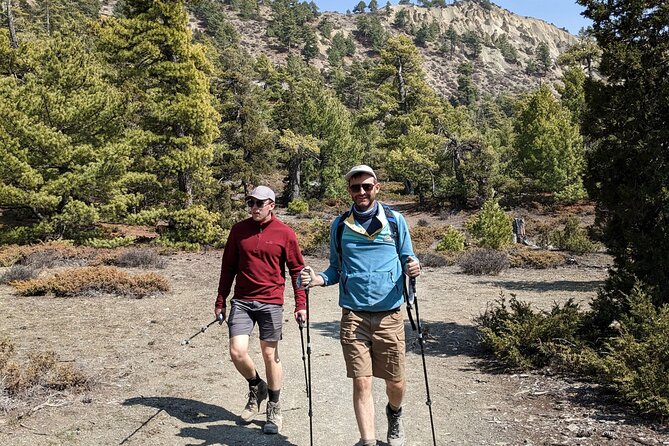
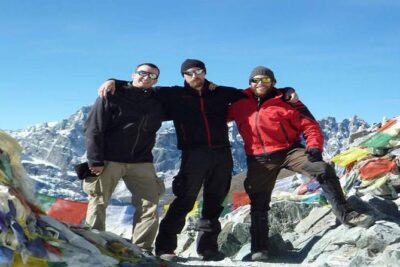
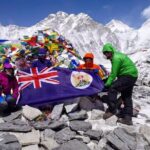
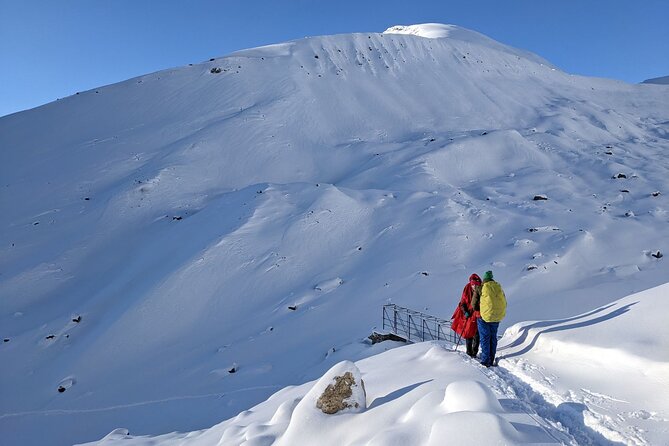
This is the day the trek turns from “hard hike” to “life moment.” You climb to Thorong La Pass at 5,416 meters, a high point that hikers can reach without technical climbing skills. It’s described as a long and strenuous hike, and that’s fair. This is where good acclimatization really pays off.
From the pass, you’re in a view zone where Dhaulagiri and Manaslu can be part of what you see. Then you descend to Muktinath, a sacred town for both Hindus and Buddhists. After so much height and effort, spending time in a place with cultural weight feels grounding.
Possible consideration: if weather turns or you’re feeling the altitude more than expected, the pass day can feel slower. This is why guides matter—someone who reads your pace and keeps you safe is worth their weight in warm socks.
Day 10: Jomsom day, then the road to Pokhara
Day 10 is your trek to Jomsom (about 5 hours). Jomsom is a key marker on this route because it signals the shift from high-altitude trekking to the final travel stretch.
Day 11 focuses on getting you to Pokhara. The route passes the Kali Gandaki Gorge, plus traditional villages and terraced fields, with views of the Annapurna and Dhaulagiri ranges.
Day 11 is one of those days where you’ll feel both relief and a little “what now?” energy. You’re coming down from altitude and into comfort. Give yourself time to hydrate, eat a proper meal, and let your body adjust after days of climb and cold.
Where the value is in the package (and what you still handle)
This trek costs $1,150 per person, and the value comes from what’s wrapped in rather than what you’re doing on your own.
Included highlights you should care about:
- Permits and fees: ACAP permit and TIMS, plus all fees and taxes
- Meals: breakfast, lunch, and dinner during the trek (as listed), which removes a big daily budgeting headache
- Trekking gear: trekking poles and crampons included (useful if snow or icy sections show up)
- Accommodation: one night of hotel before and one night after the trek, plus one night in Pokhara after
- Guide and support: an experienced guide, and the trip is run as a private group
- Post-trek treat: a one-hour foot massage after the trek
What’s not included (you’ll plan around these):
- travel and rescue insurance
- tips for guides and porters
- porter (so if you want one, it’s not covered here)
- bottled or boiled water, showers, and other personal expenses like laundry, bar bills, and phone calls
The practical takeaway: this package already covers a lot of the “hard to organize” bits. Your main work is staying safe (especially insurance), staying warm, and deciding whether you want a porter.
Guides and organization: what the reviews keep praising
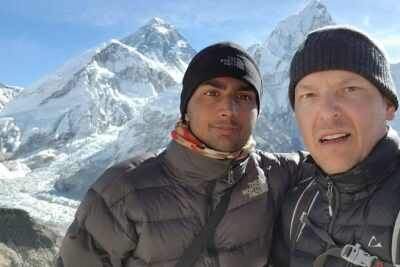
The most repeated praise is about how smoothly the trek runs and how kind the guides are on the trail. On an Annapurna Circuit experience, Ghanshyam was highlighted for taking care at all times and adapting to needs—exactly the kind of support that matters when you’re tired, sore, or altitude-struck. Another Annapurna Circuit guide, Shishir, was praised for being optimistic, cheerful, and even singing Nepali hits during the trek, which is a solid way to keep morale up on long days.
There’s also appreciation for professional organization: well-run transportation, friendly lodge owners, and good food. Lodges matter because you’re not just buying a bed—you’re buying recovery. When meals are reliable and the place is clean enough to rest, you walk better the next day.
Who this private Annapurna Circuit suits best
This trek is listed for moderate physical fitness. That usually means you’re comfortable hiking for hours each day and you can handle gradual altitude changes. If you’ve never done a high-altitude trek before, you can still be a fit—just make sure you take acclimatization seriously and don’t cut corners on rest.
It’s also a great option if you value control. Private means your group stays together, and your guide can pace you. If you dislike being stuck with strangers who hike at a different tempo, this setup feels calmer.
Should you book this trek?
Book it if you want the full Annapurna Circuit experience with Thorong La Pass as the goal, and you like the idea of having permits, meals, and guiding handled. The Manang acclimatization structure is a major plus, and the inclusion of poles and crampons shows they’re planning for real mountain conditions.
Skip or think twice if you’re chasing a casual stroll. This route is strenuous at altitude, with a long pass day and cold nights. Also consider your plan for insurance and whether you want a porter, since those aren’t included.
If you’re ready to work for big views—and you want a guide who keeps the trip organized and humane—this private Annapurna Circuit is a strong choice.
FAQ
What is the highest point on the trek?
The highest point is Thorong La Pass, at 5,416 meters.
How long is the trek?
It runs for about 11 days.
What’s included for trekking gear and permits?
Trekking poles and crampons are included, along with the ACAP permit and TIMS.
Are meals included during the trek?
Yes. Breakfast, lunch, and dinner are included during the trek (as listed in the package).
What lodging is included before and after the trek?
You get one night of hotel accommodation before the trek, one night after the trek, and one night in Pokhara after the trek.
Is a porter included in the price?
No. A porter is not included.
How does cancellation for a refund work?
You can cancel up to 6 days in advance for a full refund. If you cancel 2–6 days before, you get a 50% refund. If you cancel less than 2 days before, you don’t get a refund.