REVIEW · SAPA
3-Day Trek in Amazing Muong Hoa Valley & ethnic Homestay
Book on Viator →Operated by Vietnam Nomad Trails · Bookable on Viator
Three days in Muong Hoa Valley feels personal. This 3-day trek from Sa Pa walks you through Muong Hoa Valley with a local English-speaking guide and real village encounters, plus big photo time for rice terraces and morning light. You also get picked up from Sapa Town in the morning, so the whole thing starts fast.
I especially like the way the route links Hmong and Red Dzao communities across multiple valleys and villages, so the culture feels lived-in, not staged. Another win is the photo rhythm: rice-terrace views when you’re walking, then a dedicated sunrise moment in Ban Ho that sets the tone for the last day.
One consideration: you should be ready for a steady walking schedule. Expect roughly 4–7 hours on trek days, and the tour needs good weather, so rain can change the plan.
In This Review
- Key things to know before you trek Muong Hoa Valley
- Why Muong Hoa Valley beats a simple Sapa stroll
- Day 1: Sapa pickup to Lao Chai and Hmong village trail time
- Day 2: Ta Van, bamboo forest, and Giang Ta Chai (Red Dzao)
- Day 3: Ban Ho sunrise and Nam Tong’s Red Dzao culture stop
- The guide (and why English matters): getting the story, not just the view
- Price and value: what $109 really buys you in Sapa
- Group, pace, and what moderate fitness means in real life
- Weather and comfort: making sure Day 3 sunrise doesn’t ruin your day
- Should you book this 3-day Muong Hoa Valley trek?
- FAQ
- How long is the 3-day trek in Muong Hoa Valley?
- What time does the tour start in Sa Pa?
- What’s included in the price?
- How many people are in the group?
- What fitness level do I need?
- What happens if the weather is bad or I need to cancel?
Key things to know before you trek Muong Hoa Valley
- Up to 14 people keeps the trek feeling manageable and helps your guide keep an eye on the group
- English-speaking guide means you get more than scenery; you’ll get context as you walk
- Muong Hoa Valley villages across 3 days: Lao Chai, Ta Van, Giang Ta Chai, Ban Ho, and Nam Tong
- Meals are included (breakfast 2, lunch 3, dinner 2), which saves budgeting and planning stress
- Morning starts from Sapa Town with pickup around the 9:15 AM window for smoother logistics
Why Muong Hoa Valley beats a simple Sapa stroll
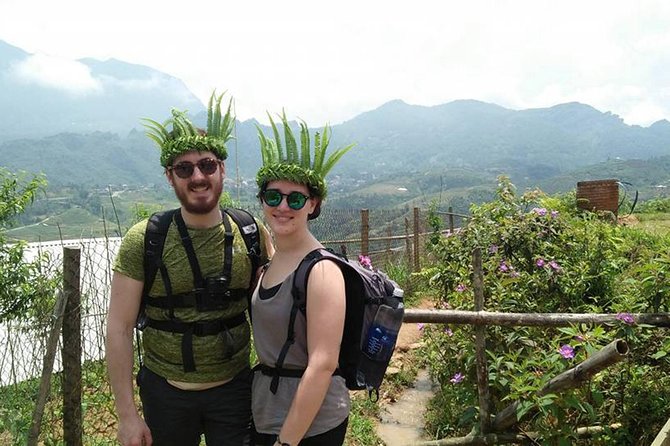
Sa Pa town is where you arrive. Muong Hoa Valley is where the day-to-day life happens. This trek gives you a route that connects villages rather than just hopping between viewpoints, so you’re walking through the places that shape what people wear, grow, and do each season.
What makes this one feel practical is how it’s built around time in the valleys. Day 1 works your legs while easing you into the scenery with Lao Chai and a trail that threads through areas associated with Hmong communities. Day 2 adds that bamboo-forest section (a real break from open views), then continues on toward Giang Ta Chai. Day 3 shifts again with sunrise in Ban Ho and a shorter hop to Nam Tong. Each change of setting helps keep the trek interesting, even when the pace is steady.
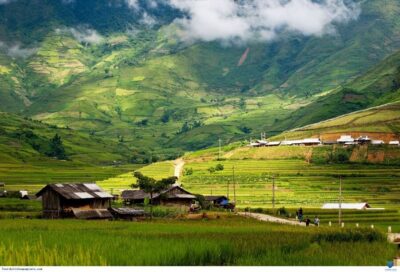
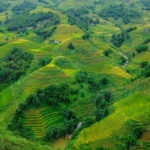
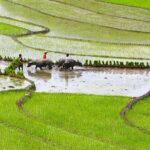
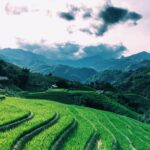
This is also a tour that fits your photos without turning you into a professional photographer. You’re not racing from one stop to the next all day. Instead, you’re walking along routes where stopping for pictures feels natural, especially with rice terraces and early morning light.
You can also read our reviews of more tours and experiences in Sapa.
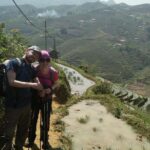
Day 1: Sapa pickup to Lao Chai and Hmong village trail time
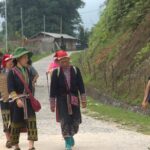
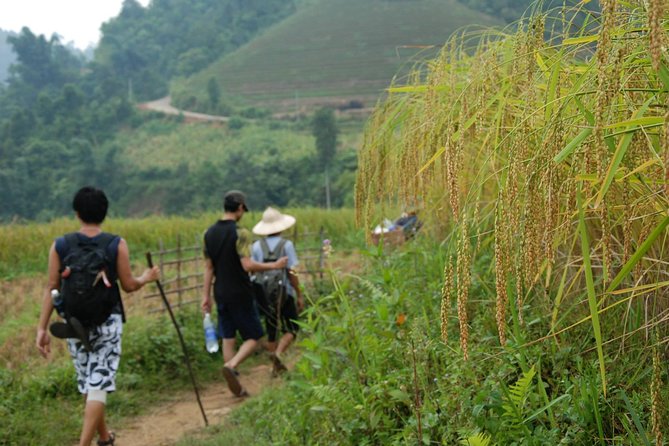
You’ll meet at the starting point in Sa Pa (15 Tue Tinh) and likely get picked up from town around 9:15 AM. Then it’s straight onto the walking route toward Lao Chai, an area inhabited by the Hmong ethnic minority. Along the way, you’ll pass through trail segments that lead you deeper into the Muong Hoa Valley setting, including areas referred to as Y Li on the route.
The reason Day 1 works so well is that it sets a rhythm. First you’re moving through the valley, then you settle into time in a community setting. Lao Chai is a key village stop in many Muong Hoa treks, and here it functions as your first real cultural anchor, not just a photo stop.
Timing wise, you should plan for a longer walking day, roughly 6 hours on Day 1. That doesn’t mean it’s constant, punishing uphill. It means you should stay mentally ready for a full morning plus afternoon. If you tend to get tired halfway through the day, this is where you’ll feel it—so take water seriously, and don’t burn yourself out early.
Photo tip: if you care about terrace shots, treat your first day as the warm-up. You’ll often find more patience to frame photos once you’ve got your stride and footwear comfortable.
Day 2: Ta Van, bamboo forest, and Giang Ta Chai (Red Dzao)
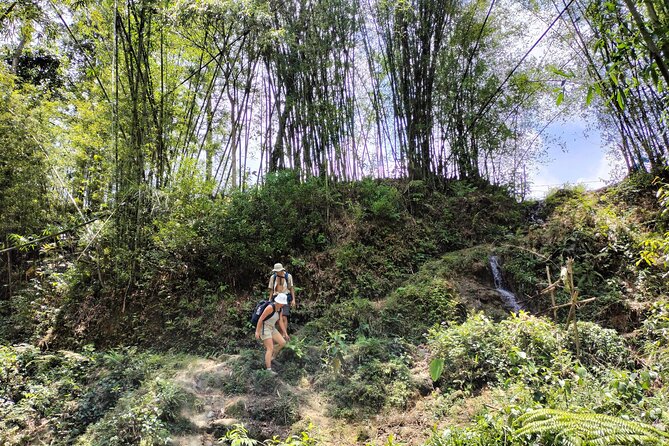
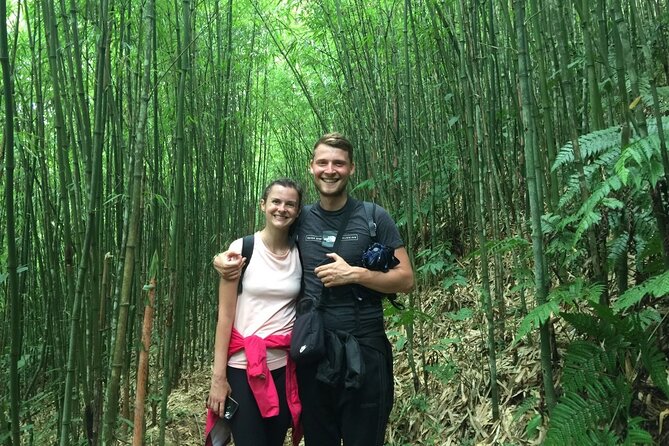
Day 2 starts with breakfast, then the trek begins with leaving Ta Van village. From there, you’ll trek through a bamboo forest segment on the way to Giang Ta Chai, a village where the Red Dzao ethnic minority group lives.
This day is the best example of why a guided trek adds value. Without context, a bamboo forest is just tall stalks and shade. With the right guide, it becomes part of the story of how people move through the landscape and farm, and how trails connect villages. You also get more variety in the walking experience: you shift from open valley views into cooler, enclosed trail feel, then back out again.
Expect about 7 hours trekking on Day 2. This is the longest day in the itinerary, so it’s where fitness matters most. If you’re on the fence, I’d treat Day 2 as the real test.
Cultural stop point: Giang Ta Chai gives you that second community encounter angle. Instead of just seeing one village, you’re comparing how different groups live and how the daily rhythms might look different from one area to the next.
Practical note: bamboo forests can feel humid and slippery after rain. You don’t need anything fancy, but you do need shoes with decent grip and the habit of stepping carefully, especially on wet patches.
Day 3: Ban Ho sunrise and Nam Tong’s Red Dzao culture stop
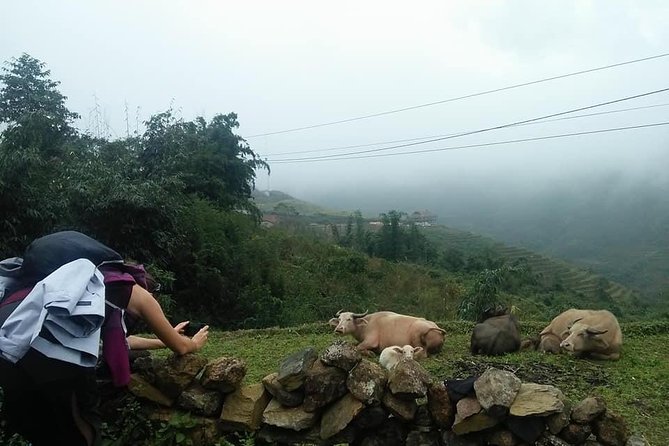
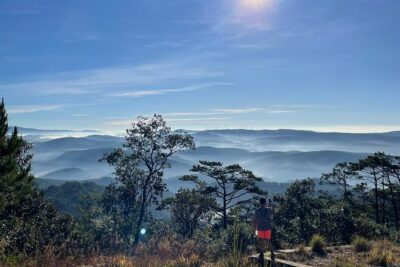
Day 3 has a built-in wow factor: after breakfast, you’ll enjoy sunrise in Ban Ho valley. Sunrise time changes your perspective. The valley looks calmer, the light hits differently, and the whole trek feels like it’s starting fresh instead of finishing tired.
After that, you’ll do a short trek to Nam Tong village, inhabited by the Red Dzao tribe. This is your last main village stop, so it works as the story payoff—seeing another community through the same guided lens, right as the trip starts winding down.
Then you return to Ban Ho village for lunch. The walking portion on Day 3 is shorter, around 4 hours, which makes it a good final day if you’re pacing yourself from the start.
Why this matters: ending with a mix of sunrise + cultural learning means you’re not just counting down to get back to town. You finish the trek with a stronger memory than a generic walk-out-and-back.
If you’re the type who can’t wake up early, take this seriously. Sunrise is part of the tour concept, and you’ll want to be ready with warm layers and a willingness to be up before the day gets loud.
The guide (and why English matters): getting the story, not just the view
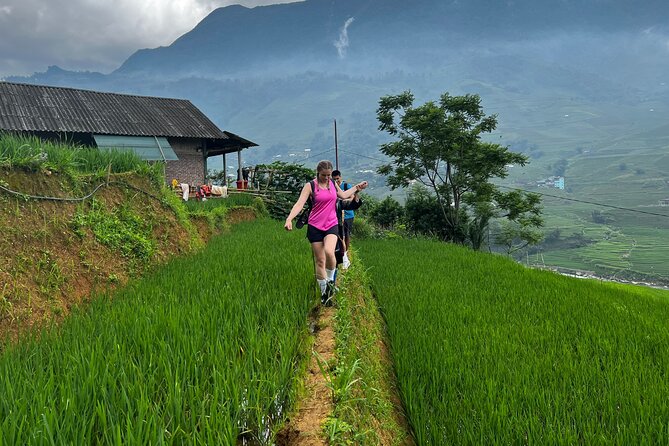
This tour is built around an English-speaking tour guide, and that changes what you get from village visits. When you can ask simple questions or understand what you’re seeing, the trek turns into a conversation. It also helps on the trail, because your guide can point out what to look for and when to watch your step.
One detail I value here is guide quality. In past treks with this style of program, guides have included people like Lang, and that kind of named guide experience hints at a more personal approach than a generic checkpoint tour.
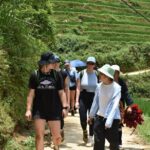
Group size also supports better guiding. With a maximum of 14 travelers, you’re less likely to feel like you’re part of a crowd moving on autopilot. Your guide can usually manage pacing, spacing, and quick adjustments when the trail gets muddy or visibility changes.
Still, remember: you’re trekking. Even with good guiding, you should walk at a pace that matches your body. If you need breaks, take them. This kind of trek rewards steady effort over sudden speed.

Price and value: what $109 really buys you in Sapa
At $109 per person, you’re not just paying for walking time. Your cost includes the core logistics and key meal structure:
- Air-conditioned vehicle
- English-speaking tour guide
- Breakfast (2)
- Lunch (3)
- Dinner (2)
That meal bundle matters more than it sounds. Sa Pa can be easy to overspend on day-to-day food when you’re tired. Having your main meals handled reduces that stress and lets you focus on the trek.
The tour also includes group discounts and uses a mobile ticket. The mobile ticket is a small thing, but it’s the kind of small thing that reduces hassle at check-in.
What’s not included is also important for budgeting:
- Travel insurance
- Personal expenses
So the smartest value approach is to treat $109 as the base trek package that covers guiding and core meals, then add your own extras: snacks, drinks, and any comfort buys you might want.
Also, book with timing in mind. On average, this trek is booked about 25 days in advance, which tells me it’s popular enough that you shouldn’t leave it too late if you care about your preferred dates.
Group, pace, and what moderate fitness means in real life
This trek is listed as suitable for people with moderate physical fitness. Translation: you don’t need to be an athlete, but you also can’t treat it like a casual sightseeing walk.
The itinerary gives you clear workload cues:
- Day 1: about 6 hours
- Day 2: about 7 hours
- Day 3: about 4 hours
So even though Day 3 is shorter, the trip is still front-loaded with meaningful trekking time. If you’re coming straight from a long travel day, give yourself a rest day or at least a lighter afternoon in Sa Pa town before this starts.
Group size helps, but it doesn’t remove the reality of uneven ground. Expect dirt paths, steps, and possible mud depending on weather. Your best move is to wear shoes you trust and plan for a slower pace than you’d do on a flat city sidewalk.
If you get headaches with exertion or you’re dealing with knee issues, this is a good time to think carefully. The trek is short in days, but not short in effort.
Weather and comfort: making sure Day 3 sunrise doesn’t ruin your day
The tour requires good weather. That matters because mountain trekking is sensitive to mist, rain, and visibility. If conditions are poor, the tour may be offered on a different date or you may get a full refund.
For you, that means packing smart:
- Bring a rain layer even if the forecast looks okay
- Wear layers for early mornings (sunrise time can feel colder than mid-day)
- Use shoes with grip for wet trails
- Keep a small snack stash if you tend to need extra fuel
One more comfort point: you’ll be moving through village areas where the day-to-day rhythm matters. If you show up prepared and respectful, the whole trek runs better. If you show up unready—tired, underpacked, or unprepared for walking—you’ll feel it fast.
This is the kind of itinerary where your preparation affects how much you enjoy the cultural stops, not just how sweaty you get.
Should you book this 3-day Muong Hoa Valley trek?
I’d book it if you want a trek that blends real village encounters with strong scenery moments, and you like the idea of having meals and guiding handled so you can focus on the trail. The mix of Hmong (like Lao Chai) and Red Dzao (like Giang Ta Chai and Nam Tong) gives you a broader sense of how different communities live across Muong Hoa Valley.
I’d think twice if you hate early mornings or you’re not comfortable walking for multiple hours, especially the 7-hour Day 2. Also, if weather forecasts scare you, treat this like a plan that depends on conditions, not a guaranteed perfect-day photo shoot.
If you’re still deciding, here’s the practical rule: if you can do one solid day of hiking comfortably and you’re okay with a moderate fitness challenge, this tour is a strong value for Sa Pa.
FAQ
How long is the 3-day trek in Muong Hoa Valley?
The experience runs for about 3 days (approx.).
What time does the tour start in Sa Pa?
The tour start time is listed around 9:00 AM, and pickup from Sapa Town is described around 9:15 AM.
What’s included in the price?
You get an air-conditioned vehicle, an English-speaking tour guide, and meals including breakfast (2), lunch (3), and dinner (2).
How many people are in the group?
The tour has a maximum group size of 14 travelers.
What fitness level do I need?
The trek is suitable for people with moderate physical fitness.
What happens if the weather is bad or I need to cancel?
The tour requires good weather. If it’s canceled due to poor weather, you’ll be offered a different date or a full refund. You can also cancel for a full refund if you cancel at least 24 hours before the experience’s start time.