REVIEW · SICILY
Etna Grantour – 4×4 & trekking – Private tour with lunch included
Book on Viator →Operated by EtnaExcursion.it · Bookable on Viator
Etna sounds loud, but this day feels calm. Mount Etna covers everything from sea-level ground to 3329 meters, and you don’t see a sad, gray moonscape—you see how the volcano shapes life and terrain. I love the morning trekking because it gives your legs a say in how you experience Etna, and I love the MontataGrande farm lunch with its tasting. One possible drawback: this is not a stroll. Closed or trekking shoes are compulsory, and you should show up with moderate physical fitness.
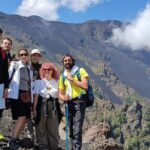
You’ll move with a small crew (maximum 8 travelers) and a guide who keeps things friendly and clear—Sebastián, for example, is known for being relaxed and paying attention to the group. The day has a great “wow” mix: Silvestri’s crater cones, then a helmeted visit to Grotta Intraleo (lights on, lava-tube formation explained), plus farm food and big Etna views at Valle del Bove.
In This Review
- Key Things I’d Pay Attention To
- Mount Etna Up Close: Not Just a Volcano, a Whole Altitude World
- Getting Started in Trecastagni: The Meet Point That Keeps It Simple
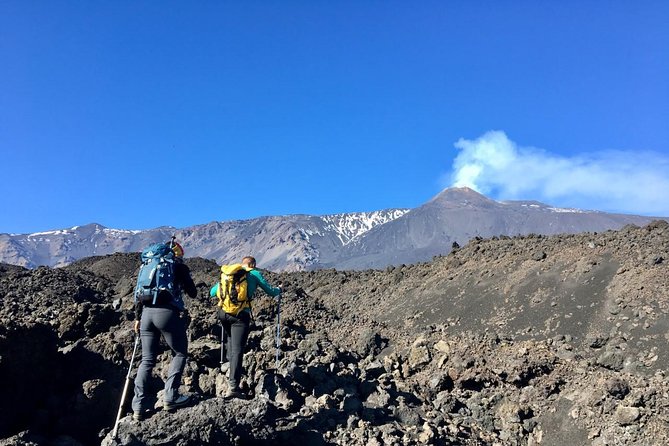
- Morning Trek on Etna: The 8–10 km Work That Actually Feels Worth It
- Silvestri Craters: Lateral Eruption Cones From 1892
- Grotta Intraleo: Lava Tubes, Helmet On, Lights On
- MontataGrande Lunch and Tasting: Where the Day Turns Delicious
- Valle del Bove: The Volcanic Amphitheater Moment
- 4×4 Afternoon Time: Fewer Worries, More Views
- Price and Value: What $168.19 Buys You (and What Costs Extra)
- Who This Tour Suits Best (and Who Should Skip It)
- What to Bring (So the Day Doesn’t Feel Harder Than It Needs To Be)
- Should You Book Etna Grantour?
- FAQ
- How long is the Etna Grantour tour?
- Is lunch included?
- Do I need special shoes?
- What will I do at Grotta Intraleo?
- Is pickup included?
- What group size should I expect?
- What happens if the weather is bad?
Key Things I’d Pay Attention To
- Trekking + 4×4 in one day so you get effort without burning out
- Grotta Intraleo with a speleologist helmet and lights, focused on lava-tube formation
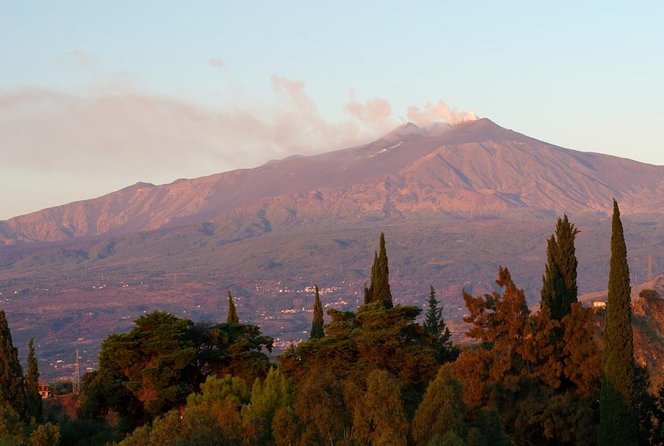
- Silvestri craters from the 1892 eruption—lateral cone scenery with a clear story
- MontataGrande lunch and tasting including wine, liqueurs, oil, honey, creams, pesto, and pistachio
- Three sides of Etna covered by the plan, not just one quick roadside stop
Mount Etna Up Close: Not Just a Volcano, a Whole Altitude World
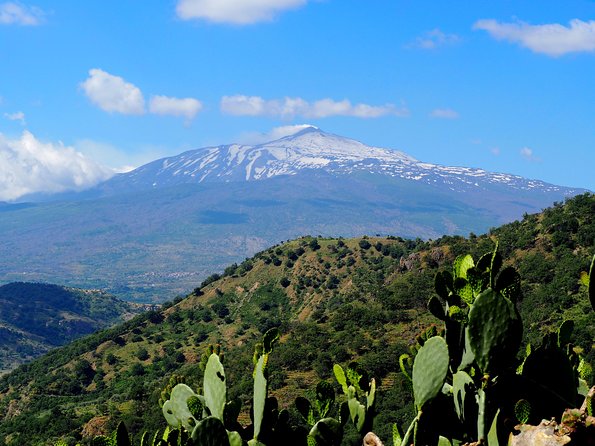
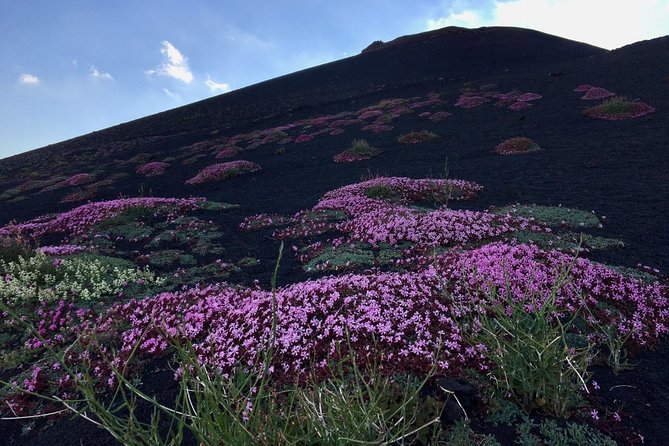
If your mental image of a volcano is bare rock and nothing else, you’re in for a correction. Etna’s territory rises from sea level to 3329 meters, and that altitude swing happens in a relatively small area. That matters because it creates sharp changes in what grows, where humans can work, and what the terrain looks like as you gain height.
What I like about Etna Grantour is that it treats the volcano like a living place, not a theme park. Your route is built around multiple “faces” of Etna: volcanic craters on one side, a cave system underneath in another part, and then the big open viewing stop at Valle del Bove. It’s the kind of structure that helps you understand Etna as a system—top to bottom—without you needing a geology degree.
Also, the day is designed for real comfort where it counts. You have an air-conditioned vehicle for parts of the transfer, and the tour is paced so you’re not only walking. The combo of trekking and 4×4 is a big deal on Etna, because the terrain can be uneven and your energy can vanish faster than you expect.
You can also read our reviews of more tours and experiences in Sicily.
Getting Started in Trecastagni: The Meet Point That Keeps It Simple
You start at MontataGrande – AgricolTour & Gusteria dell’Etna, at Via Dottore Giuseppe Zappala, 45 in Trecastagni (start time 8:45am). The practical win here is that you’re not hunting for a random pickup corner. The meeting spot is a real place linked to the lunch and tasting later in the day, so your day has a clear “home base” feel.
Pickup is available as a shuttle service, but it’s an extra paid option. The price depends on where you’re starting (Catania, Acireale/Giarre, or Giardini Naxos) and how many people are in your group. If you’re traveling from Catania with just one or two people, it’s worth checking the total round-trip shuttle cost early so you’re not surprised at the end. Payment is made directly to the driver.
This matters for value. The core tour price includes a lot of activities and lunch, but the shuttle can change your all-in budget depending on your origin.
Morning Trek on Etna: The 8–10 km Work That Actually Feels Worth It
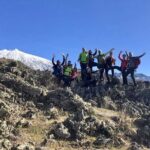
The day starts with a morning trekking session of about 8–10 km. That’s a real distance. It’s also long enough that how you feel at minute 30 will matter, because you’ll still be moving when you reach the more interesting terrain.
Here’s the upside: trekking lets you notice the details you’d miss at speed. You can pay attention to how the ground changes, how the volcanic world looks when you’re walking across it, and how the guide connects what you see with what created it.
The tradeoff is obvious: you need your shoes to be good. The tour states that closed or trekking shoes are compulsory, and shoe rental is available if you don’t have the right footwear. Don’t plan on getting by with thin sneakers if your feet hate uneven ground.
If you’re deciding whether to go, be honest with yourself: moderate fitness is asked for, and you’ll likely feel the effort. The reward is that you’ll earn the views instead of just arriving at them.
Silvestri Craters: Lateral Eruption Cones From 1892
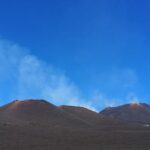
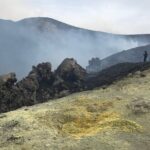
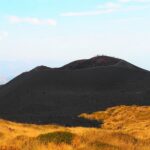
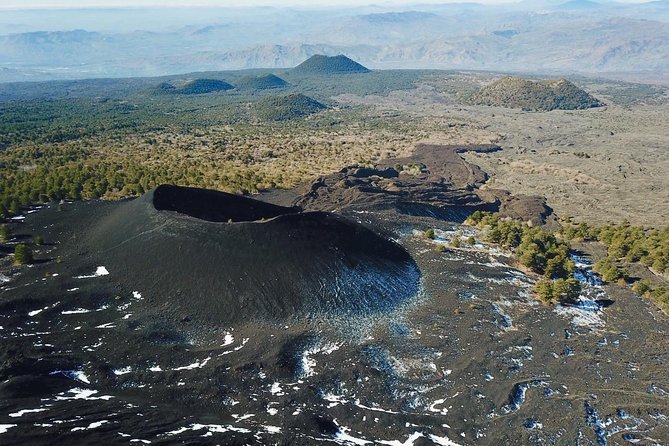
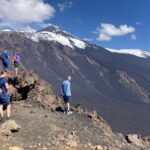
Next comes a short visit to the Silvestri craters, described as spectacular lateral eruptive cones from the 1892 eruption. This is one of those stops where the scenery makes the explanation click.
Lateral eruptive cones are different from the classic “main cone” image people picture. You’re looking at volcanic shapes formed along the volcano’s sides. That’s part of why Etna is so dramatic: it doesn’t just erupt from one spot in one way. It builds features that you can stand near and visually connect to an event in time.
The visit time is about 30 minutes, which is exactly right for this type of stop. Long enough to see the formations clearly, short enough that you’re not rushing or losing the group’s pace.
You’ll also appreciate the way the guide keeps things conversational. In the feedback I’ve seen, Sebastían is singled out for being kind and relaxed, with explanations that feel easy to follow rather than like a lecture you’re forced to memorize.
Grotta Intraleo: Lava Tubes, Helmet On, Lights On
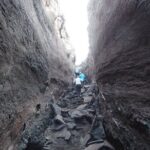
Then the plan shifts under the surface: a visit to Grotta Intraleo. You’ll go with a speleologist helmet and lights, and the goal is to understand the phenomenon of lava tubes—how these formations come about and what it means to see volcanic activity in a more hidden form.
This is a great stop if you like your nature with a little mystery. A cave visit changes your senses fast: air feels cooler, sightlines change, and the guide’s explanation gives you something concrete to “look for” as you move through the cave’s routes. The time here is around 30 minutes, so you get the experience without it becoming a long slog.
One practical note: even though the tour supplies helmet and lights, you’ll still want to move carefully. Cave floors can be uneven, and you’ll be wearing trekking-appropriate footwear anyway, which is exactly what you should do.
MontataGrande Lunch and Tasting: Where the Day Turns Delicious
The heart of the day—other than the volcano itself—arrives at MontataGrande – AgricolTour & Gusteria dell’Etna. This is where your “Etna day” becomes an actual Sicilian meal, not just a snack.
You get lunch plus a tasting of Etna and Sicilian specialties. The listed items include:
- wine
- liqueurs
- oil
- Zafferana honey
- sweet creams
- salty pesto
- Bronte pistachio
…and more typical products in the same spirit.
After lunch, there’s also a reinforced aperitif included in the tour, followed by a countryside visit.
This stop is valuable for two reasons. First, it breaks up the intensity of the morning trek and any cold cave air. Second, it connects Etna to everyday life. The tour emphasizes how humans have lived with this volcano for millennia, under very particular conditions. Food is a direct way to feel that connection.
If you’re the type of traveler who wants to understand a place through how people eat and farm, you’ll love this part. If you’re on a tight diet plan, just know that the tasting includes several rich items (and wine/liqueurs), so plan accordingly.
Valle del Bove: The Volcanic Amphitheater Moment
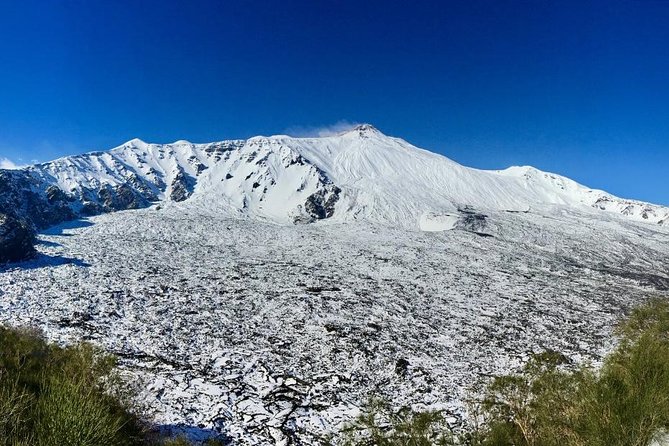
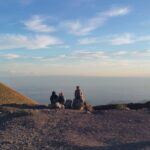
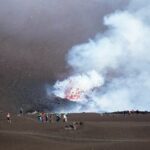
The final viewing stop is Valle del Bove, a natural amphitheater created by the collapse of ancient eruptive centers. This is the kind of stop that works because it gives you “context from far away.”
After walking and cave time, you need a wide-angle pause. Valle del Bove does that. You get about 45 minutes to watch the spectacle, regroup, take photos, and let the earlier details make sense from a distance.
This is also where you’ll notice how the morning’s effort changes your perception. You’ve been close to volcanic features. Now you see them as part of a bigger whole. That shift—small details to big picture—is exactly what makes Etna tours satisfying.
4×4 Afternoon Time: Fewer Worries, More Views
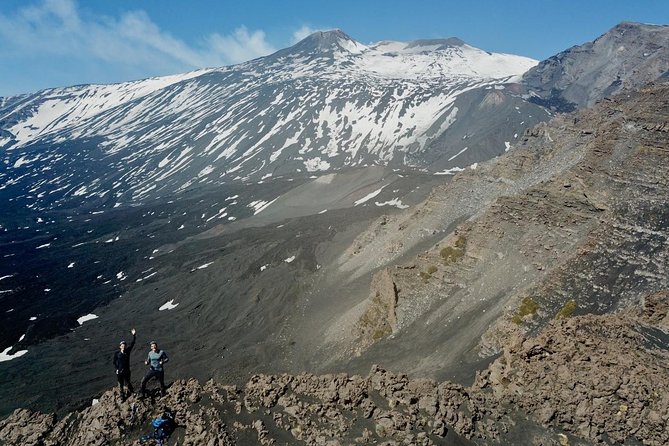
A key part of the experience is the 4×4 afternoon tour, paired with the morning trekking. I like this structure because it reduces the chance that you’ll arrive tired and disappointed at the best viewpoints.
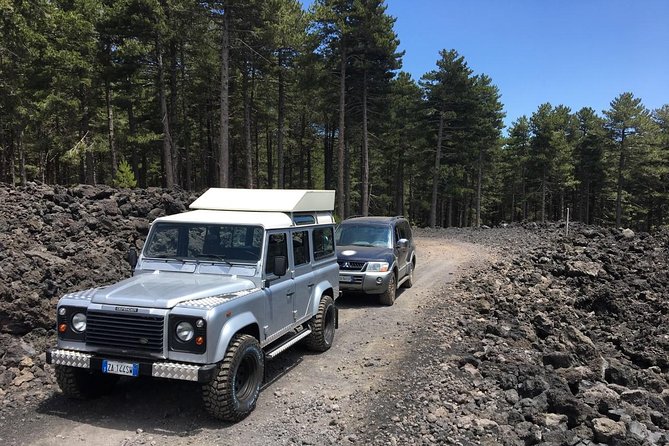
4×4 travel helps you cover ground more efficiently on rough volcanic terrain. It also means you can keep your energy for the stops where you’ll be out and looking. Think of it as the tour’s built-in pacing system: walk when you should, ride when you need to.
The combination also reduces the “all day hiking” downside. If you love the idea of a volcanic day but don’t love the idea of constant stepping on uneven surfaces, this format is a smart compromise.
Price and Value: What $168.19 Buys You (and What Costs Extra)
At $168.19 per person, the headline price looks straightforward, but the real question is value: what’s included, and how many major pieces are actually covered?
Included in the experience:
- air-conditioned vehicle
- a visit of three sides of the volcano
- morning trekking (~8–10 km) and an afternoon 4×4 tour
- a volcanic cave visit with helmet and lights
- lunch and a tasting of typical Etna products on the farm
So you’re paying for a full guided package: transportation, guided walking distance, a cave visit, and a food stop with tastings. That’s not just sightseeing. It’s activities with gear (helmet), time (trek and cave), and a set food program.
What’s not included:
- private transportation (the shuttle is extra)
- rental of closed/trekking shoes if you need it
And pickup via shuttle is extra and varies by where you’re traveling from. If you’re already near Trecastagni, you might be able to keep costs down by meeting at the tour start location. If you’re farther out (like Giardini Naxos), factor in shuttle costs early so you can compare apples to apples.
Bottom line on value: if you want Etna plus food plus a cave, this price feels fair for the time and included stops. If you only care about one or two sights, you might end up paying more than you need.
Who This Tour Suits Best (and Who Should Skip It)
This tour is a strong fit if you:
- want a guided day on Mount Etna that includes trekking and driving, not just a quick bus loop
- care about food and tasting as part of the experience
- like small-group pacing (max 8 travelers)
- want both surface features (craters, Valle del Bove) and an underground stop (Grotta Intraleo cave)
You might want to rethink if:
- you’re not comfortable with a moderate-fitness day and a trek around 8–10 km
- you don’t have decent shoes and don’t want to rent
- you’re traveling with someone who struggles with uneven terrain or longer walking time
One more practical point: the tour is weather-dependent. If conditions aren’t right, you’ll be offered a different date or a full refund. That matters on Etna because visibility and comfort can change quickly.
What to Bring (So the Day Doesn’t Feel Harder Than It Needs To Be)
Because you’ll be trekking and spending time outdoors, pack for changing conditions. The tour runs in one long day, and Etna covers a big altitude range, so temperatures can feel different from start to finish.
At minimum:
- closed/trekking shoes (or plan for rental)
- comfortable socks and a layer system you can adjust
- a small day bag to keep essentials dry
Also, be realistic about the tasting portion at MontataGrande. If you’ll be drinking, keep an eye on how you feel when you’re back in vehicle and walking later.
Should You Book Etna Grantour?
I’d book it if you want one organized day that hits the major Etna highlights: Silvestri craters, a lava-tube cave visit with helmet and lights, and the big viewing moment at Valle del Bove, with a farm lunch that turns the day from “nature tour” into “Sicily meal with a story.”
If trekking 8–10 km sounds like a deal-breaker, then skip it and look for a lighter option. But if you’re up for a moderate fitness challenge, and you’d rather have a packed, guided experience than DIY Etna logistics, this one is a solid choice.
FAQ
How long is the Etna Grantour tour?
The tour runs for about 9 hours.
Is lunch included?
Yes. Lunch and a tasting of typical Etna products on the farm are included.
Do I need special shoes?
Yes. Closed or trekking shoes are compulsory. Shoe rental is available.
What will I do at Grotta Intraleo?
You’ll visit a volcanic cave (Grotta Intraleo or a similar cave) with a speleologist helmet and lights to learn about the formation of lava tubes.
Is pickup included?
Pickup is offered, but the shuttle service is an extra service for a fee. Costs depend on your starting point and group size, and payment is made to the driver.
What group size should I expect?
The activity has a maximum of 8 travelers.
What happens if the weather is bad?
The experience requires good weather. If it’s canceled due to poor weather, you’ll be offered a different date or a full refund.