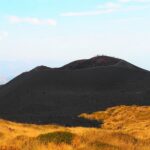
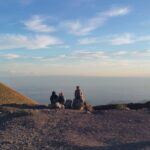
Etna at 2,500 meters feels unreal. This high-altitude trek is interesting because you mix serious volcano science with big, open-air views, and you stay in a small group (up to 15) with a volcanological guide keeping everything clear and safe. I like that the day is built around classic Etna stops—craters, panoramic lookouts, and a lava tunnel—so you get variety, not just one long hike.
Two things I particularly love: how you get to stand near summit craters and recent lava flows, and how the guides (I’ve heard names like Claudio and Arturo) bring the story of the mountain to life. One possible drawback to plan for is that the outing includes two cable-car rides, and those Funivia tickets are not included, so your final budget won’t be only the tour price.
In This Review
- Key Highlights You’ll Actually Care About
- South Etna Trek in a Small Group: What You’re Really Signing Up For
- Stop 1: Silvestri Craters Warm-Up Before the Cable Car
- Funivia to 2,500 Meters: Gulf of Catania and Etna’s South Side Views
- Crateri Barbagallo Panorama: Summit Craters, Activity, and Recent Lava
- Mount Etna and a Lava Tunnel: When the Science Gets Physical
- Valle del Bove Viewpoint: Learning Etna’s Evolution from the Edge
- What’s Included, What Costs Extra, and How to Budget Smart
- Timing, Weather, and the Most Common Day-Plan Mistake
- Who This Tour Suits Best
- Should You Book This Etna Trek?
- FAQ
- Is the tour in English?
- How long is the Etna trekking experience?
- What’s included in the price?
- Do I need tickets for the cable car?
- What are the meeting details and where does it start?
- Is the tour suitable for kids and what fitness level do I need?
Key Highlights You’ll Actually Care About
- Small group size (max 15) keeps the pace manageable and makes it easier to ask questions
- Volcanological guide + helmets + insurance are included, which matters in a high-altitude setting
- Cable car up to 2,500 meters gives sweeping views over the Gulf of Catania and Etna’s south side
- Crater panoramas and recent lava flows are part of the day, with explanation from your guide
- A lava flow tunnel visit turns abstract volcano talk into something you can physically experience
South Etna Trek in a Small Group: What You’re Really Signing Up For
This is not a casual stroll. You’re heading up Etna’s south side at high altitude, and you’ll spend the day moving between crater viewpoints and volcanic terrain. The good news: the itinerary is structured so you’re not walking nonstop for hours. You’ll hike some stretches, then use the cable car to make the altitude jump safely and efficiently.
The tour runs about 5 to 6 hours, with departures available daily from 10:00 AM to 3:30 PM during the summer season (listed dates run 04/06/2026 through 10/10/2026). The language offered is English, and you’ll receive a mobile ticket for the tour. The minimum age is 10, and you should have moderate physical fitness—think steady walking and standing for long stretches, not speed.
If you’re hoping for a day where you mostly sit and look, this might feel a bit active. But if you like nature that looks almost off-planet—craters, dark rock, and volcanic features you can actually touch—this format hits the sweet spot. The small group approach also makes a difference: in places like crater viewpoints, it’s easier to hear explanations and reposition for views when you’re not fighting crowds.
You can also read our reviews of more tours and experiences in Sicily.
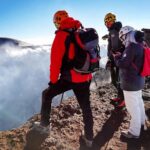
Stop 1: Silvestri Craters Warm-Up Before the Cable Car
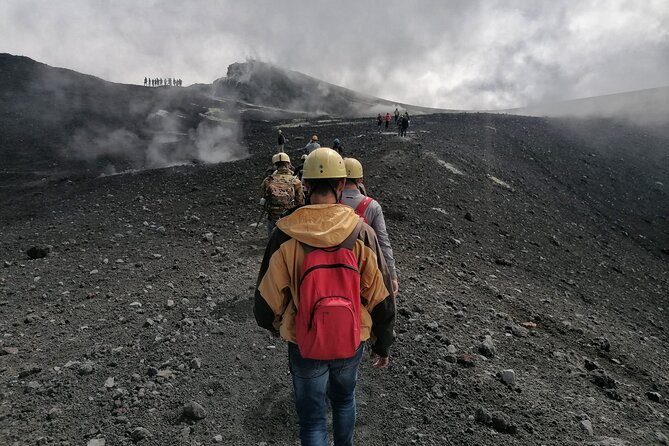
The day starts at La Terrazza Dell’Etna Etna Sud, in Piazza Vittorio Emanuele, Nicolosi. From there, you begin with a short 15-minute segment around the Silvestri craters area, and then you move on foot as a group toward the cable car departure point.
This first stretch is useful even if it doesn’t look like much on paper. It’s the moment you get your bearings for the volcanic setting—how the ground changes, how exposed the area can feel, and what kind of walking surfaces you’ll encounter. It also helps you settle into the group pace before you jump up to altitude.
The entry ticket for this part is listed as free, so it’s a straightforward start. The main consideration here is practical: wear shoes that can handle uneven volcanic rock and bring layers. High-altitude air can shift fast, and even a short walk can feel colder once you’re moving away from town.
Funivia to 2,500 Meters: Gulf of Catania and Etna’s South Side Views
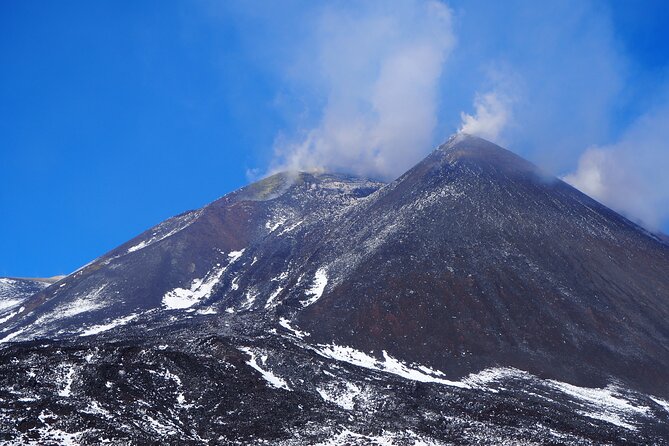
Next comes the big altitude step: the Funivia dell’Etna cable car ride up to 2,500 meters. This part is about 30 minutes and is one of the best “cost vs. payoff” components of the day—because you gain elevation quickly while getting wide-open views.
From up there, you can admire the Gulf of Catania and the full southern side of Etna. That’s a big deal for photographers and for anyone who likes understanding scale. When you see the volcano from above, you start connecting the dots between ridges, valleys, and crater areas you’ll visit later.
Important budget note: the cable car ticket is not included in the tour price. That doesn’t make the trip bad value—it just means you need to plan for it. Also, the cable car ride can be chilly or windy depending on conditions, so I’d treat it like an outdoor viewpoint, not a comfortable ride in summer clothes.
Crateri Barbagallo Panorama: Summit Craters, Activity, and Recent Lava
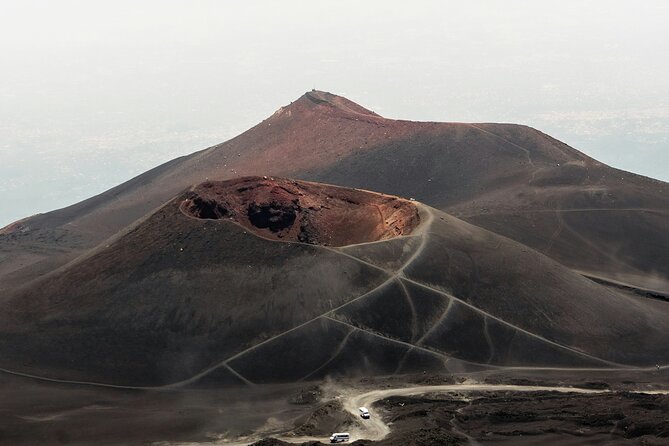
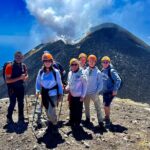
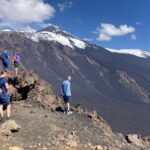
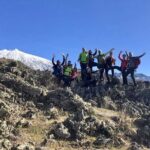
After the cable car, you reach Crateri Barbagallo, a panoramic stop where your volcanological guide helps you interpret what you’re seeing. This is the longest fixed-feeling viewpoint segment at about 2 hours.
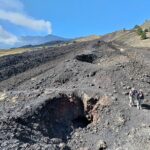
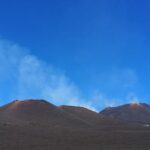
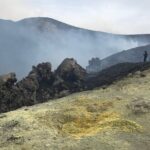
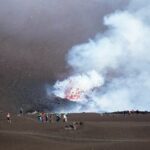
Here’s why this stop is worth centering your day around: you get a chance to admire the summit craters, learn about volcanic activity, and look at recent lava flows. Seeing lava features up close is dramatic, but the real value is the explanation—why some surfaces look broken, why some areas seem darker, and how recent activity changes what the mountain looks like.
This is also the part where the guide quality matters most. In the feedback I’ve seen, guides like Claudio and Arturo stood out for being both professional and friendly, and that tracks with how viewpoint learning works. You don’t want a lecture that goes too fast; you want someone who can point, pause, and answer questions while you take in the scenery.
Drawback/consideration: panoramic viewpoints can be exposed. Even if the day feels pleasant at ground level, you may want gloves or a warmer layer once you’re up high and standing still for a while.
Mount Etna and a Lava Tunnel: When the Science Gets Physical
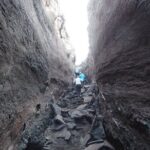
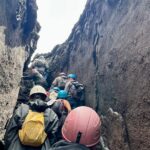
One of the most memorable moments on this tour is the lava flow tunnel visit. You spend about 1 hour here, and it includes the relevant admission ticket.
What makes this stop special is that it’s not just about “cool geology.” Your guide explains the processes that give life to these tunnels—how volcanic activity shapes underground pathways. When you then look at the tunnel itself, you can connect the concept to what you’re standing inside. That’s how you remember the information.
Helmets are included, which tells you this isn’t a casual walk. Tunnels can feel cooler and dimmer than the outside air, and volcanic rock surfaces can be uneven. The practical move is simple: listen to the guide, keep your pace steady, and don’t rush. Let the helmet and the guidance do their job.
If you’re the type who learns best by seeing something with your own eyes, this is the stop that earns its time. It’s also a nice counterbalance if the craters and open views start to feel repetitive.
Valle del Bove Viewpoint: Learning Etna’s Evolution from the Edge
The final major “look and learn” stop is Valle del Bove, with about 1 hour allotted. This part is built around a view, plus your guide’s explanation of the evolutionary history of the volcano.
Valle del Bove is one of those names you remember because it sounds like you’re reading a field guide. Standing there, you’re likely to see a broad expanse that helps you understand how Etna’s structure relates to past activity. The key is that your guide turns the view into a story: what changed over time and how volcanic evolution leaves visible clues.
This stop works well near the end of the day because you’ll have already seen craters and lava surfaces. By now, you’ll recognize more features, and the explanation will land better. If the first half of the tour makes Etna feel like a dramatic place, this is where it starts to feel like a structured system.
Then you wrap up with the return cable car ride to the square—another 30 minutes—and that return cable car ticket is listed as not included.
What’s Included, What Costs Extra, and How to Budget Smart
The tour price is listed at $59.15 per person, and it includes:
- Volcanological guide
- Helmets
- Insurance
That combination is the real value here. Helmets and insurance aren’t small details on a volcano day, and a volcanological guide changes the whole experience from sightseeing to understanding.
What’s not included:
- Funivia cable car tickets (not included for both the climb and the return)
- Public transportation €52.00 per person (not included)
So you should budget in two layers:
1) the tour fee, plus
2) the cable car cost you’ll pay separately.
The public transport cost is listed separately as well, so if you’re coming from outside Nicolosi, your total trip budget will depend on what you choose.
One practical note: because the tour includes admission tickets for the crater viewpoint, tunnel, and Valle del Bove segments, it’s not a situation where you pay endlessly at every step. You’re mostly paying extra for the cable car rides and your local transit choices.
Timing, Weather, and the Most Common Day-Plan Mistake
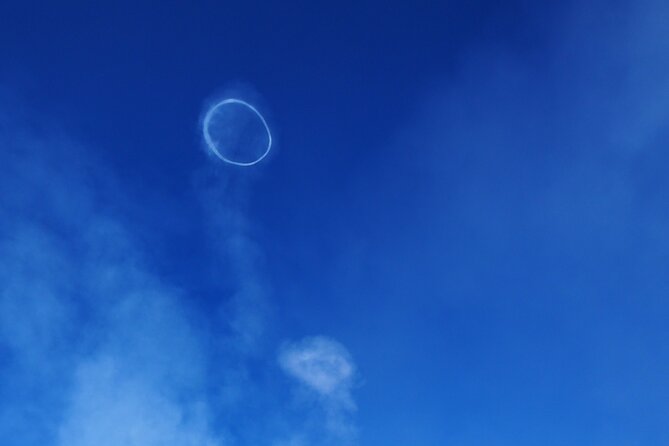
This experience requires good weather, and if conditions aren’t right, you’ll be offered a different date or a full refund. That’s sensible on Etna. If visibility is bad or conditions are unsafe, viewpoint-heavy stops become less valuable.
It also means you should treat your day like a plan with flexibility. If your Sicily schedule is tight, consider having a backup activity nearby in case the Etna outing needs to move.
The biggest day-plan mistake I’d avoid is packing like you’re staying at sea level. Even if you start warm in Nicolosi, you’re going to high altitude and spending time exposed. Bring a warm layer, and plan for wind.
As for mobility, this is for people with moderate physical fitness. The hike segments aren’t described as extreme, but you will still be walking on uneven volcanic surfaces and standing at altitude.
Who This Tour Suits Best
This is a strong fit if:
- you want high-altitude Etna without making it a DIY navigation problem
- you like guided science that connects visible features to how the volcano works
- you’re traveling with friends or family and appreciate the max 15 people size
It’s also a great match for first-timers to Etna because the day hits the major visual themes: craters, lava flows, and a tunnel. You won’t leave with just photos; you’ll leave with explanations you can repeat.
You might want to think twice if you:
- dislike exposure to wind/cold while standing and waiting
- struggle with moderate walking or standing for long stretches
- don’t want to pay for cable car tickets separately
Should You Book This Etna Trek?
I’d book it if you want a guided, structured Etna day that balances effort with payoff—and you care about understanding what you’re seeing. The inclusion of a volcanological guide, plus helmets and insurance, makes it feel like a well-run activity, not a sketchy “walk near the volcano and hope for the best” situation.
You should also book if small groups make your experience better. When you’re at crater viewpoints and inside a tunnel, being in a crowd-free setting helps you hear the guide and actually notice details.
Finally, check your personal tolerance for high altitude and exposure. If you’re comfortable with moderate physical effort and you’re okay dressing in layers, this tour is the kind of Etna experience that stays with you long after the photos are sorted.
FAQ
Is the tour in English?
Yes. The experience is offered in English.
How long is the Etna trekking experience?
It lasts about 5 to 6 hours.
What’s included in the price?
A volcanological guide, helmets, and insurance are included.
Do I need tickets for the cable car?
Yes. The Funivia dell’Etna cable car admission ticket is listed as not included, for both the climb and the return.
What are the meeting details and where does it start?
It starts at La Terrazza Dell’Etna Etna Sud, Piazza Vittorio Emanuele, 95030 Nicolosi CT, Italy, and it ends back at the same meeting point.
Is the tour suitable for kids and what fitness level do I need?
The minimum age is 10. You should have moderate physical fitness. Good weather is also required for the tour to run.