REVIEW · SA PA
Sa Pa: Fansipan Peak One Day Trek with Local Guide
Book on GetYourGuide →Operated by Motorbike Tour Sapa · Bookable on GetYourGuide
Fansipan is a steep day, done right. From Sapa, you hike up through Hoang Lien Son forests to Fansipan Peak, the Roof of Indochina, with a guide to keep you moving safely.
I really like two things about this trek: the English-speaking guide who talks mountain-and-medicine-level details without making it boring, and the fact you get lunch at 2,800 meters, not down in town where it would be an afterthought.
One consideration: weather can swallow the views. If fog and strong winds roll in, you might still conquer the peak, but you may not get the clear photo moment you hoped for.
In This Review
- Key highlights worth knowing
- From Sapa to Tram Ton Pass: the climb starts at 2,000 meters
- Following the Hoang Lien Son forest: pine trees, bamboo, and cardamom air
- Lunch at 2,800 meters: refuel where your body needs it
- Summit push to 3,143 meters: Roof of Indochina, wind included
- Descending back to Tram Ton and returning to Sapa
- The guide makes it: local knowledge, support, and even medals
- Price and value: what $64 includes (and what it doesn’t)
- What to bring for Fansipan: gear that matches slippery, windy altitude
- Who should book this one-day Fansipan trek
- Should you book this Fansipan Peak one-day trek?
- FAQ
- Where does the Fansipan trek start from in Sapa?
- What altitude is Tram Ton Pass?
- How high do you hike to reach lunch?
- What altitude is the summit?
- How long does it take to reach the bamboo forest section?
- Is lunch included, and is water provided?
- Is the cable car included?
- What do I need to bring, and what should I avoid?
- Who is this trek not suitable for?
Key highlights worth knowing
- Tram Ton Pass start at 2,000m: you begin already in high-altitude territory, so pace matters
- Cardamom-scented forest to bamboo zone: the vegetation changes as you gain height, and the air feels different
- Lunch at 2,800m: food where you’ll actually need it, before the final push
- Summit at 3,143m: the Roof of Indochina payoff, when clouds cooperate
- Binh-style guiding: cheerful, attentive, and supportive through the tougher parts of the hike
From Sapa to Tram Ton Pass: the climb starts at 2,000 meters
This one-day Fansipan trek is built around a simple idea: get you up high fast, then help you climb smarter. You’ll start with a pickup in Sapa (often around Sapa Church or a central meeting spot), then you’ll take a taxi up toward Tram Ton Pass, which sits at 2,000 meters.
That early altitude shift is a big deal. Even before the hike officially begins, you’re already dealing with thinner air and cooler mountain temperatures. The practical takeaway for you: don’t rush the first minutes on the trail. Use the “slow start” time to settle your breathing and get your legs working.
You can also read our reviews of more tours and experiences in Sa Pa.
Following the Hoang Lien Son forest: pine trees, bamboo, and cardamom air
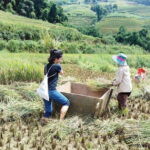
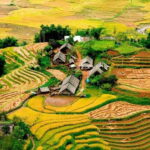
Once you reach Tram Ton, you start walking into the Hoang Lien mountain area. The route is a guided climb through forest, with some signature sights like giant pine trees and yellow bamboo. One detail I like is how the guide-led pace also turns the walk into something you notice, not just endure—people point out the smell of cardamom in the forest, and you’ll get plenty of chances to stop, look, and re-orient as the terrain changes.
After about two hours, you reach a bamboo forest area where the vegetation gets lower. This is the moment when distance views can open up. If the weather is clear, it feels like the trek is paying you back early. If it’s not clear, at least you’ll understand what’s happening: you’re transitioning from thick forest to a more exposed zone.
Tip for you: hiking in these mountain conditions often means slippery sections. Keep your weight controlled, shorter steps when the ground looks wet, and don’t rely on speed. Fansipan is about consistency, not ego.
Lunch at 2,800 meters: refuel where your body needs it
You’ll stop for a meal at around 2,800 meters. This is one of the best value features of the day. A summit trek can wreck you if you only get lunch after you’re already deep into the hard part. Here, the timing is smarter: you eat halfway up enough to make the final ascent feel possible rather than punishing.
And the lunch isn’t just “food exists.” Multiple people highlight that the meal prepared up there is genuinely good. You should expect a proper refuel stop, plus time to rest. That rest matters. At altitude, your body doesn’t recover as fast, and a longer pause can keep you from going into the summit push too hot and too tired.
What I’d do in your place: use the lunch break to drink water steadily, tighten up your layers, and check that you still have what you need for the final climb—hat, jacket, and sunscreen if the sun comes out.
Summit push to 3,143 meters: Roof of Indochina, wind included
The climb continues from the lunch stop up to Fansipan Peak at 3,143 meters. This is where your fitness level shows. The day is described as a challenge, and that’s accurate. You’re walking through forest, then into more open areas, and the temperature can shift fast.
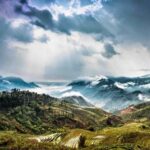
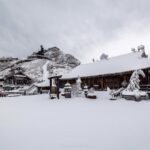
When conditions are good, the summit reward is the headline: sweeping views from the Roof of Indochina. When conditions aren’t great—fog or clouds—those views may be limited. That doesn’t make the trek worthless. You’re still doing the hard part, and the guide’s knowledge helps you connect the altitude to what you’re seeing (or not seeing) around you.
One thing that stands out from real experiences: guides sometimes show photos of what the view can look like when the weather cooperates. That helps you understand what you’re climbing for, even if the mountain is wearing a hat.
Also: strong winds can happen, and slick ground can make the ascent feel technical. Your best strategy is controlled effort—steady breathing, small step rhythm, and trusting the guide when they suggest when to slow down.
Descending back to Tram Ton and returning to Sapa
After you reach the summit and take in the moment as best the weather allows, the route turns into a descent back to Tram Ton Pass. Then you’ll take a taxi back down to Sapa and end the tour there.
Descent is where people often get careless. It’s still strenuous, even when it feels like it should be easier. Legs get tired, footing gets slippery, and your focus can drop once you’ve “won.” So keep your pace humble. A safe, steady descent helps you avoid the common outcome of a great day ending with sore knees.
When you’re back in Sapa, you’ll likely feel the altitude after-effects in your body even if you feel mentally fine. Plan for a relaxed evening. You’ll have earned it.
The guide makes it: local knowledge, support, and even medals
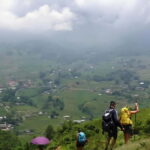
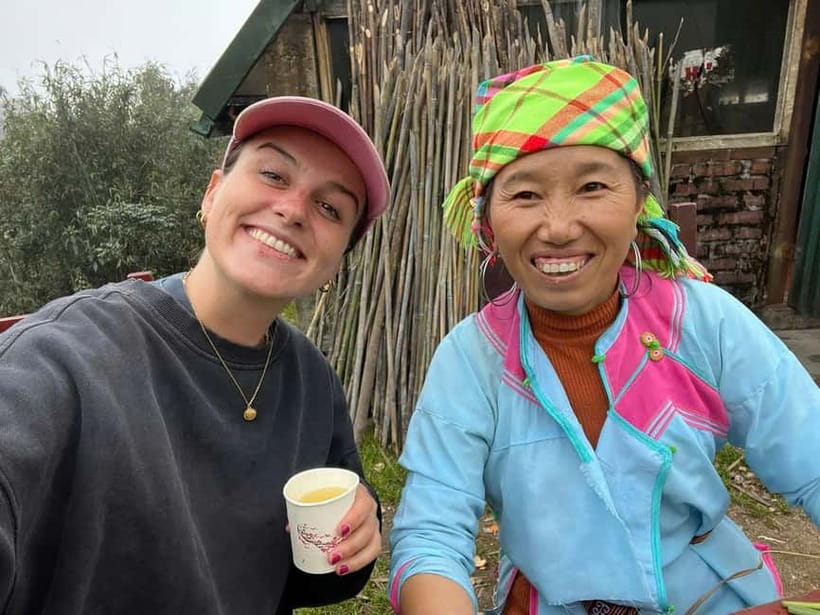
This is a guided trek, and the guide quality matters a lot on a challenging mountain route. In the feedback I’m seeing, the guide name Binh comes up repeatedly for being cheerful, supportive, and attentive—especially during the tougher sections of the hike.
Here’s what that means for you as a practical traveler:
- You don’t just follow a path; you get explanations about the mountain and culture as you climb.
- When weather turns or footing gets tricky, the guide is there to keep the group moving safely.
- You get encouragement during the parts where your legs start bargaining.
One fun detail: a couple of people mention receiving medals at the end. It’s not life-changing gear, but it’s a real morale boost when you’ve been working hard for hours.
Price and value: what $64 includes (and what it doesn’t)
At $64 per person, this trek is priced for a guided, structured day, not a bare-bones hike. Here’s what you get included:
- English-speaking guide
- Lunch
- Hoang Lien national park entrance fee
- 1.5 liter bottle water
- Transport between Sapa and Tram Ton
- Rain coat (for rainy days)
- Porter if you have 4 people or more
- Certification
What you don’t get:
- The cable car down (if you choose to take it when you reach the top)
That inclusion list is where the value shows. You’re paying for logistics (transport to Tram Ton), the park access, and real hiking support (guide plus rain gear, and porter service for larger groups). You’re also paying for the fact that lunch happens at altitude, not in town.
The main “cost surprise” risk is if you end up wanting the cable car for the descent. The trek already includes a walk down, so cable car would be optional, but it’s extra.
One more note that affects your budget timing: after booking, you’ll be asked to send your passport for the climbing procedure. That’s normal for regulated mountain access, but you’ll want to plan for it so your booking doesn’t stall.
What to bring for Fansipan: gear that matches slippery, windy altitude
The packing list is simple, but it’s the right kind of simple:
- Hat
- Hiking shoes
- Sunscreen
- Jacket
- Comfortable clothes
- Daypack
Even with a rain coat included, I’d still think like you’re packing for changing mountain weather. Jacket and layers are your best friend when conditions go from calm to windy. Hiking shoes matter because slippery trail sections are part of the deal, especially after rain or in mist.
Also remember what’s not allowed:
- No littering
- No making fire
This is a national park hike in a forest environment. You’ll enjoy it more if you’re mindful of the setting—and so will everyone behind you.
Who should book this one-day Fansipan trek
This trek fits best if you’re ready for a challenging walk at altitude. The tour is specifically not suitable for:
- People with heart problems
- Wheelchair users
- People with respiratory issues
- People with low level of fitness
If you’re on the more confident end of the fitness spectrum, you’ll likely enjoy it a lot, especially because the guide support helps you stay steady through tougher parts.
You’ll also enjoy it if you like guided nature walks that have a clear goal: forest to bamboo, lunch at a high point, then summit and views. The day has structure, and that makes it easier to judge your effort.
And if you don’t get perfect summit visibility due to fog or clouds, it can still be worth it. You can’t control the weather, but you can control how prepared you are—and the guide helps you meet the day head-on.
Should you book this Fansipan Peak one-day trek?
If you want a serious, guided climb to Fansipan from Sapa, this one-day trek is a strong choice. It’s built around practical value: transport, park fees, altitude lunch, and an English-speaking guide. The repeated praise for Binh’s supportive guiding is a big indicator that you’ll feel looked after on a tough trail.
Book it if:
- you’re physically comfortable with a challenging hike at high altitude
- you want the summit goal without planning every detail yourself
- you care about guided safety and local context, not just “walk and hope”
Skip it (or choose a gentler alternative) if:
- weather fog is your only acceptable souvenir and you’d be disappointed by reduced visibility
- you have heart or respiratory issues or you know your fitness level won’t support the climb
If you go, go prepared. Strong shoes, real layers, and a steady pace will turn a hard day into a memorable one.
FAQ
Where does the Fansipan trek start from in Sapa?
Pickup is arranged from Sapa Church or another central location in Sapa, then you travel by taxi to Tram Ton Pass.
What altitude is Tram Ton Pass?
Tram Ton Pass is at about 2,000 meters above sea level.
How high do you hike to reach lunch?
Lunch is served at around 2,800 meters above sea level.
What altitude is the summit?
The Fansipan Peak summit is at 3,143 meters above sea level.
How long does it take to reach the bamboo forest section?
About 2 hours into the hike, you reach the bamboo forest area.
Is lunch included, and is water provided?
Yes. Lunch is included, and the tour includes 1.5 liter bottle water.
Is the cable car included?
No. The cable car is not included if you want to take it down after reaching the top.
What do I need to bring, and what should I avoid?
Bring a hat, hiking shoes, sunscreen, a jacket, comfortable clothes, and a daypack. Avoid littering and making fire. The tour also provides a rain coat for rainy days.
Who is this trek not suitable for?
It is not suitable for people with heart problems, wheelchair users, people with respiratory issues, or people with low fitness levels.