REVIEW · SA PA
Mountain Views And Villages Trek
Book on GetYourGuide →Operated by TREKKING TOUR SAPA CO., LTD · Bookable on GetYourGuide
The views hit fast, then the villages slow you down.
This Mountain Views And Villages Trek takes you up toward Sa Seng (around 1,900m) for wide-open panoramas over Sapa and Muong Hoa Valley, then drops you into daily life with the Black Hmong. I especially like the simple flow: hike, pause for photos, hike again, and eat with locals. One more big win is the cultural focus—your guide explains things like Hmong marriage customs, rice work, and even house-construction techniques.
I also like the practical side of the day. You get pickup in Sapa town (around 9 AM) and then a clear return loop to town by about 15:30, with lunch included and village entry fees covered. The trek itself includes a first uphill push (about 1km) that leads to the summit, plus downhill village walking where you’re not just snapping pictures—you’re meeting people and seeing how the valley life runs.
One drawback to plan for: the villages are not a silent museum. You may encounter people offering crafts at the end (sometimes with strong encouragement), and the walking can get slippery, so you’ll want solid shoes and good grip.
In This Review
- Key things to know before you go
- From Sapa pickup to the uphill start near Sapa Church
- Ham Rong photo stop and the push toward Sa Seng (about 1,900m)
- Nhà Thờ Giáo Điểm Sả Xéng: a quick break with local flavor
- Bản Hang Đá: Black Hmong life and the pace shift
- Lunch at Manh Dien Restaurant: filling, but don’t assume a menu
- Hau Thảo village stop: second look at Hmong traditions
- Return via Giang Ta Chai area: your transport window opens
- Price and value: what $38 really buys you
- Who should book this trek, and who should skip it
- Small but important tips that make the day easier
- Should you book Mountain Views And Villages Trek?
- FAQ
- What time does pickup happen in Sapa?
- How long is the tour, and what time will I be back in Sapa?
- How high do we hike to reach the mountain view?
- What villages does the tour visit?
- Is lunch included, and where do we eat?
- Is the guide available in English?
- What’s included in the price?
- What should I bring for the trek?
- What items are not allowed?
- Is it suitable for older travelers?
Key things to know before you go
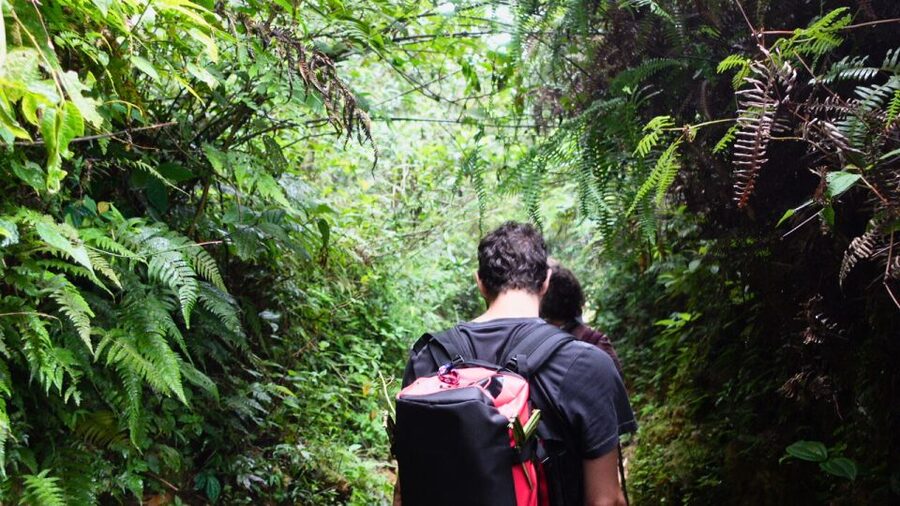
- Sa Seng summit views: panoramic sights over Sapa town, Muong Hoa Valley, and the main river.
- Black Hmong village visits: Hang Đá and Hau Thảo are part of the day’s cultural stops.
- Rice terraces from above: you’ll look over the famous Muong Hoa terraced fields.
- Weather-proof hiking: bring rain gear and warm, grippy shoes for slick sections.
- Lunch is included, but choices can be limited: plan for what the restaurant serves that day.
From Sapa pickup to the uphill start near Sapa Church
This tour is built for a full day without wasting time. Pickup is in Sapa town around 9 AM, with two options: hotel pickup (wait in the lobby about 5 minutes early) or meeting at the iconic Sapa church area. Right after a short introduction, you start climbing.
The first stretch is an uphill walk of about 1km. It’s not just a warm-up. You’ll feel it, then you’ll reach the summit area after roughly an hour of trekking. This is one reason the day works: you don’t spend hours hiking just to get to a view. You earn it, then you get to enjoy it.
Tip for comfort: wear clothes you can move in right away. You’ll want layers because Sapa mornings can feel cool, and after you start hiking you’ll warm up quickly.
You can also read our reviews of more tours and experiences in Sa Pa.
Ham Rong photo stop and the push toward Sa Seng (about 1,900m)
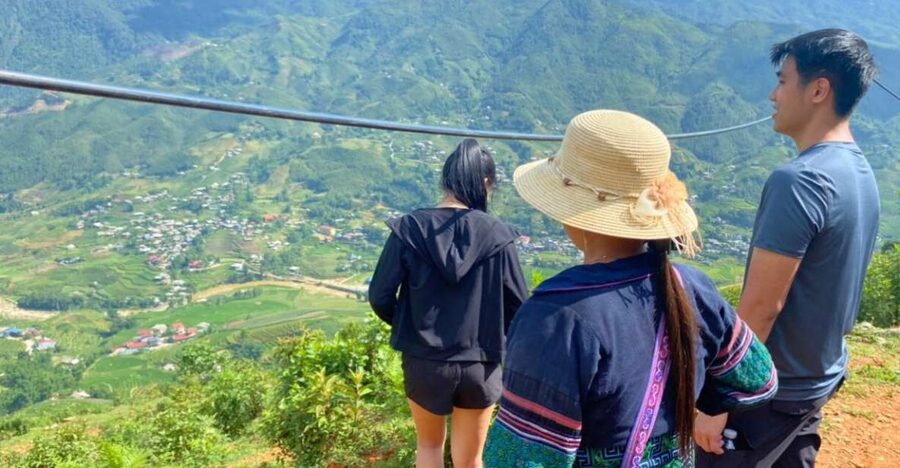
Your schedule includes a photo stop and hiking at Ham Rong Mountain (about 80 minutes). Think of it as both practical and scenic. You stop for photos, but you also keep moving so the day doesn’t turn into a series of traffic jams.
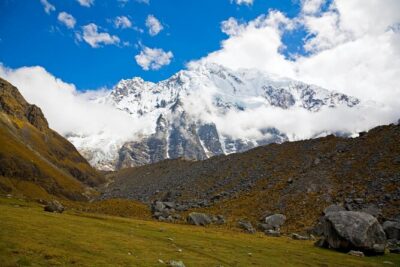
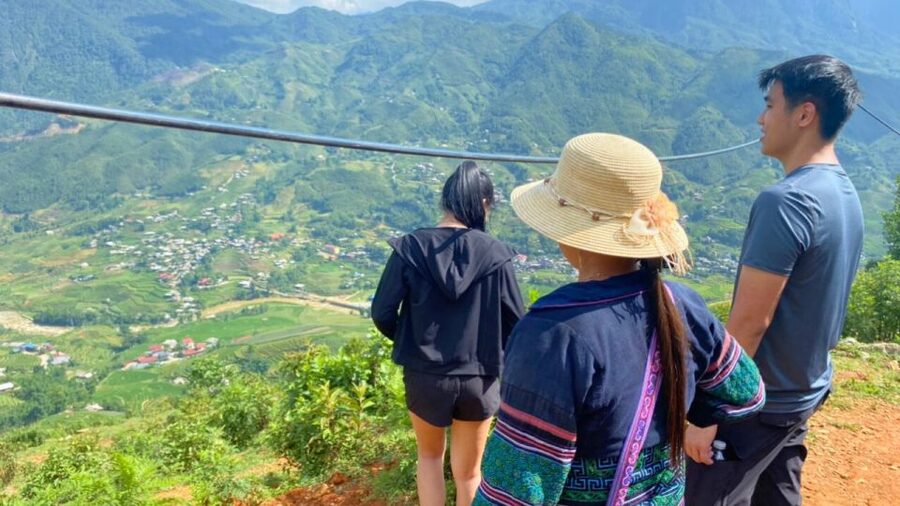
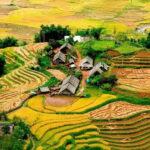
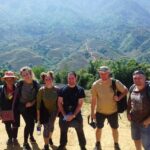
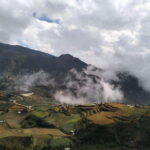
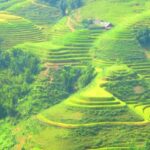
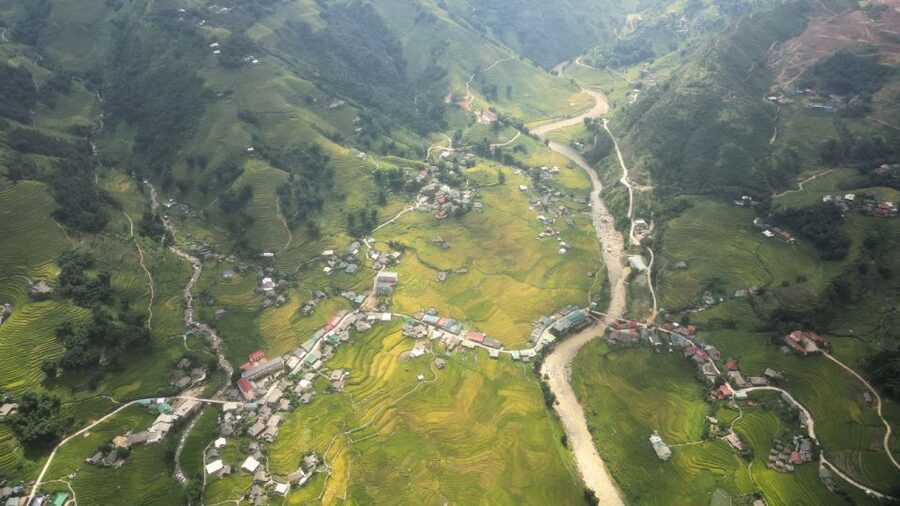
After that, the route lines up with the main climb toward Sa Seng mountain at around 1,900m. When you get up there, the reward is big: you look out over Sapa town, the Muong Hoa Valley, and the valley’s major river. From this height, rice terraces aren’t just pretty—they make sense. You understand why people build and maintain them where they do.
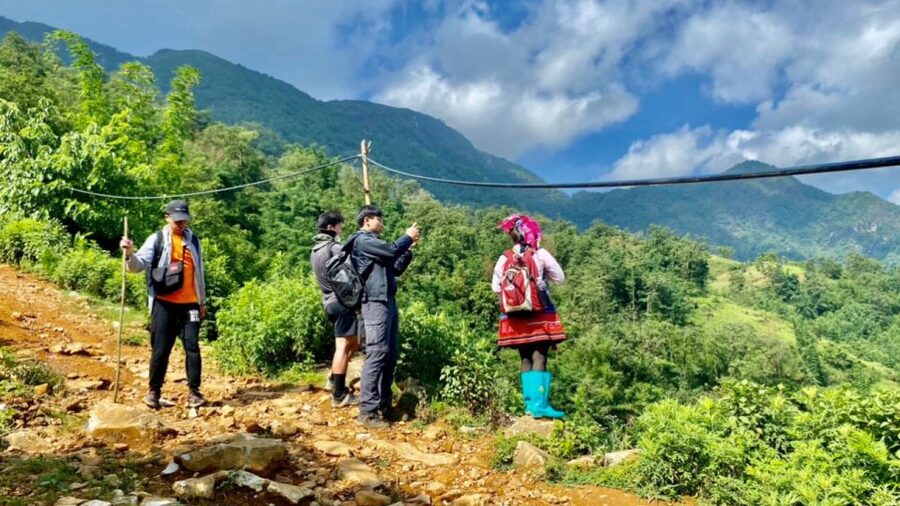
The reality check: this part can get slippery, especially if there’s been rain. The tour asks for warm shoes and mentions slippery conditions in the practical feedback people share. I’d treat this as a hiking day, not a casual stroll.
What to bring for this section:
- shoes with grip (not smooth soles)
- rain gear, even if it looks clear
- insect repellent
- a camera you can access without stopping every ten seconds
Nhà Thờ Giáo Điểm Sả Xéng: a quick break with local flavor
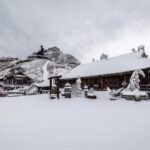
After your first big push, you get a planned break at Nhà Thờ Giáo Điểm Sả Xéng (about 30 minutes). This stop is short, but it matters. It’s the kind of pause that helps you reset your legs and your pace before more walking.
You’ll have time for a photo stop and a visit. This is also where you can catch your breath, check how your group is doing, and get ready for the slower, village-style part of the day.
If you’re the kind of person who likes knowing what you’re looking at, ask your guide what role places like this play locally. Even a short visit can add texture to the bigger hike.
Bản Hang Đá: Black Hmong life and the pace shift
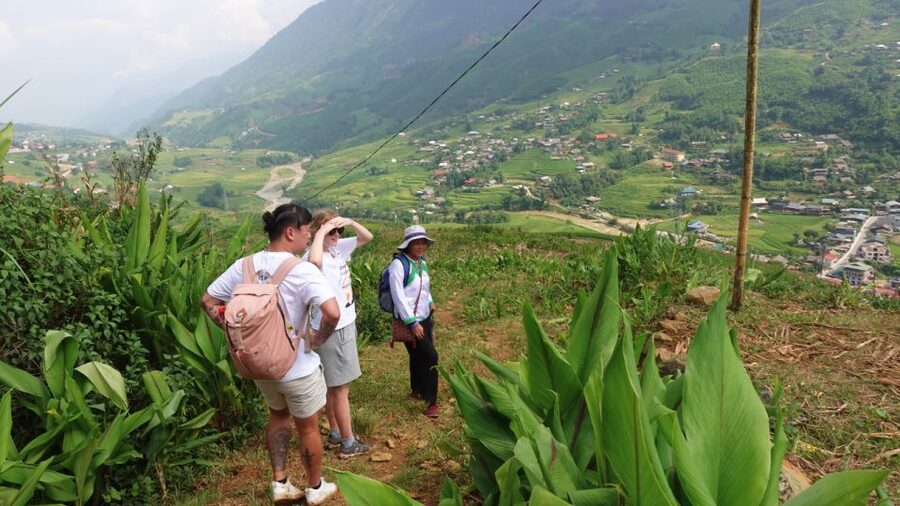
One hour is scheduled for Bản Hang Đá, a Black Hmong village. This is where the tour changes tempo. Instead of climbing, you’re walking through village areas where daily life is close enough to feel real.
What you’ll get here:
- cultural interaction focused on everyday practices
- photo opportunities that aren’t rushed
- a chance to see how people relate to the land around them
Your guide’s role becomes central. They explain Hmong traditions like marriage customs, plus practical knowledge tied to the valley, including rice cultivation and house construction techniques. That kind of context is what turns a village visit from surface-level sightseeing into something you can actually remember.
Local animals can show up along the route—things like buffalos and pigs. Don’t be surprised if it feels like the day is blending rural farming life with trekking.
Lunch at Manh Dien Restaurant: filling, but don’t assume a menu
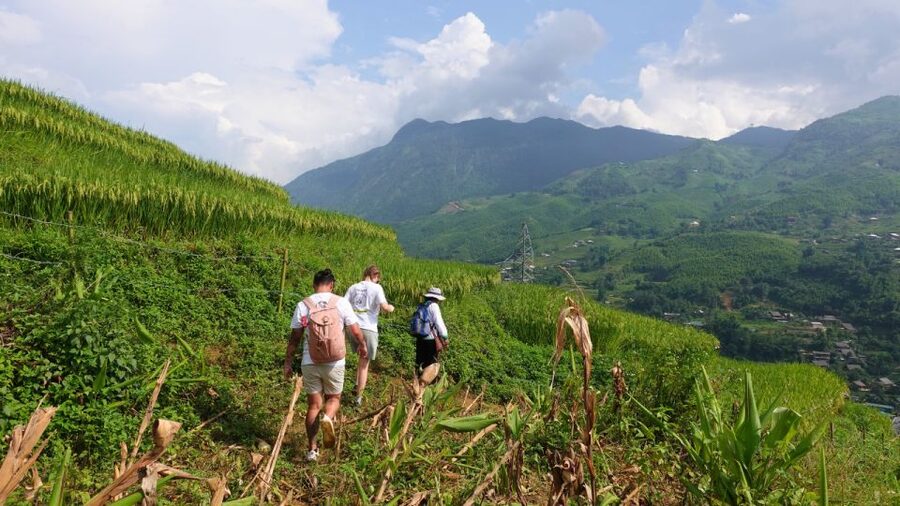
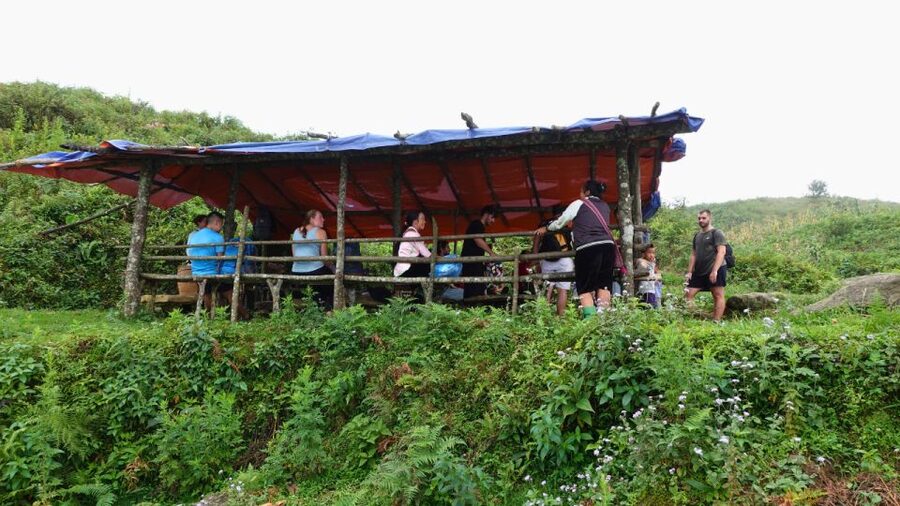
Lunch is included at Manh Dien Restaurant (about 1 hour). It’s a local-family-style stop, which is a big part of the value. Eating here keeps the day connected to the people who live around the trail—not just a tourist restaurant stop.
Still, lunch choices may be limited. The practical catch is that you could end up with options that don’t match your personal preference. Based on common trip experiences, you might see a setup where tofu and chicken get mixed into the meal, or you’re choosing between a small set like rice and noodles.
If you’re sensitive to tofu or have dietary restrictions, I suggest you communicate clearly before lunch—don’t wait until you’re seated. And keep expectations flexible. In villages like this, meals are built for what’s available, not for maximum choice.
Quick hydration note: the tour includes a small bottle of water per person, so you may want to bring a bit of extra if you’re a heavy sweater.
Hau Thảo village stop: second look at Hmong traditions
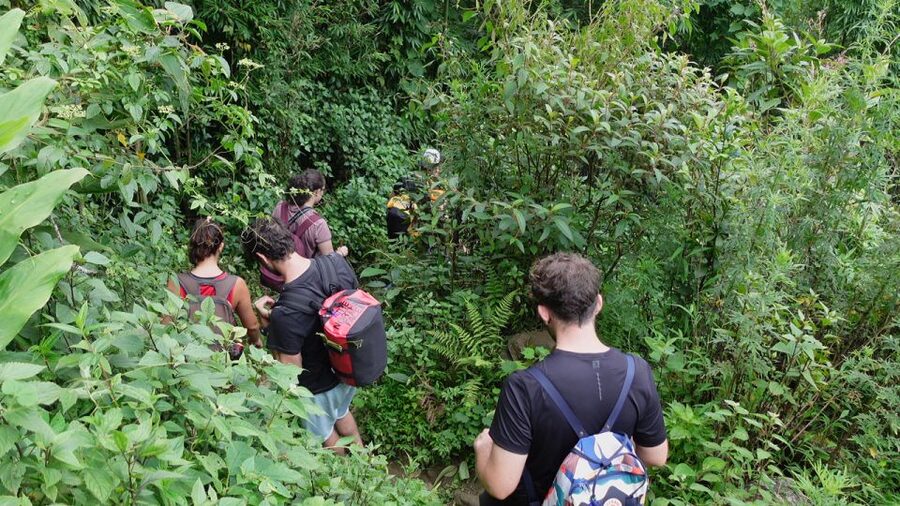
After lunch, you’ll move along a smaller road and head to Hau Thảo, another Black Hmong village area. The schedule shows a longer stop after lunch (about 1.5 hours), with both photo time and a village visit.
This second village stop is valuable because it gives you more than one slice of community life. Even when groups share the same broad identity, day-to-day routines can vary from place to place—especially in farming regions where timing matters.
This is also where your guide’s explanations can become more concrete. When you hear about rice planting or harvesting activities, it helps to see what the work looks like in real village settings. It’s one thing to hear about agriculture; it’s another to see how it shapes movement, tools, and housing choices.
And yes, you’ll likely encounter people who are selling handicrafts. The key is your mindset. If you don’t want to feel pressured, keep a budget in mind and decide early what’s a treat versus what’s not. You can be friendly and still pass.
Return via Giang Ta Chai area: your transport window opens
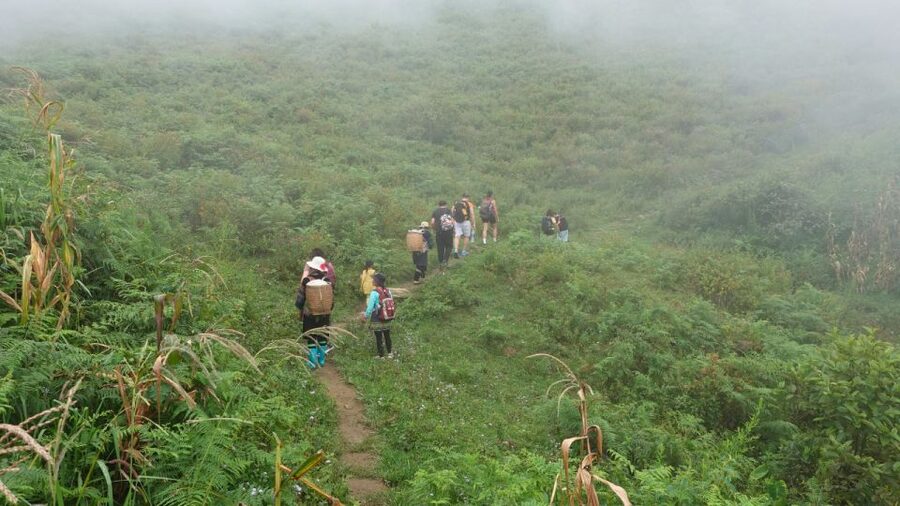
Near the end, the day leads you toward Giang Ta Chai village. This is where your transportation is waiting on the main road, and the tour winds down around 15:30 in Sapa.
That timing is useful. You still get daylight to head back to your hotel, grab a shower, or wander Sapa town. The tour notes that if you need to store luggage, you can leave it at your hotel in Sapa. If you don’t have one, there’s also an office option on 09 Thac Bac Str, and a shower is available after the tour.
If you’re trying to plan dinner or a later activity, this is a good time to check your energy level. The hike is not extreme, but the mix of uphill trekking and slippery footing can leave your legs tired.
Price and value: what $38 really buys you
At $38 per person for a one-day experience, this trek can feel like a bargain if you value structure. What makes the price make sense is what’s included:
- English-speaking guide
- lunch
- village entry fees
- one small bottle of water
- transport back to Sapa after the villages
What you’re not paying for (and should plan on):
- personal travel insurance
- extra drinks along the way (bottled water or beer, for example)
Here’s the practical value math: you’re basically paying for a guide, a guided route with access, and a meal—plus you don’t have to figure out how to get back from the villages. If you were to hire a guide for just the trek and then arrange transport separately, you’d likely spend more and spend more time coordinating.
At the same time, be aware of how group dynamics can affect value. If you hate shopping pressure or if you dislike limited lunch choices, you may feel like the day is more complicated than the price suggests. For that reason, this tour fits best when you’re curious and calm about village encounters.
Who should book this trek, and who should skip it
I think this works best for:
- people who want a views + culture day without needing to plan logistics
- hikers who can handle a slippery trail and a real uphill start
- travelers interested in how rice farming and village traditions work in practice
I’d consider skipping if:
- you’re not comfortable on uneven, possibly slick ground
- you strongly dislike sales interactions during cultural visits
- you need a very hands-off experience (this is village life, not a private lookout)
The tour also states it’s not suitable for people over 70 years. If that applies to you (or a traveling companion), it’s better to pick a gentler option.
Small but important tips that make the day easier
These are the things I’d do to keep the day smooth:
- Wear warm shoes with grip from the start. Don’t wait until the trail gets slick.
- Pack rain gear even if the forecast looks fine. Sapa weather can change fast.
- Bring sunscreen and a camera strap you can manage while walking.
- Keep your expectations realistic about village interactions. Be polite. Decide what you want to buy (if anything), then move on.
- If you’re storing luggage, take advantage of the hotel or office storage and plan for a shower after the tour.
Also: start the day fed. You’ll have a long day that includes lunch, but the morning climb is your warm-up and your work session.
Should you book Mountain Views And Villages Trek?
Book it if you want a one-day way to see Sapa beyond the town views—getting up to Sa Seng for the panoramic look, then spending time with Black Hmong communities where farming and traditions shape the day. The included lunch, guide, village access, and return transport make it solid value for the money.
Skip it if you want a purely scenic hike with no shopping pressure, or if you’re worried about slippery trekking conditions. In that case, you’ll be happier with a route that focuses only on views and leaves village selling behind.
If you do book, go in with a simple plan: enjoy the summit view, listen to your guide’s explanations, and set your boundaries on purchases before anyone starts holding out options. That keeps the day enjoyable for you—and it keeps the experience respectful for everyone involved.
FAQ
What time does pickup happen in Sapa?
Pickup is around 9 AM in Sapa town. If you’re staying in a hotel, you should wait in the lobby about 5 minutes before pickup. You can also meet at the Sapa church.
How long is the tour, and what time will I be back in Sapa?
The tour is a one-day outing and typically ends back in Sapa around 15:30.
How high do we hike to reach the mountain view?
The route takes you up to Sa Seng mountain, around 1,900m.
What villages does the tour visit?
The day includes village stops such as Bản Hang Đá and Hau Thảo (both Black Hmong villages), and it returns via the Giang Ta Chai area where transport waits on the main road.
Is lunch included, and where do we eat?
Yes, lunch is included. It’s served at Manh Dien Restaurant and the lunch stop lasts about 1 hour.
Is the guide available in English?
Yes. The tour includes a live guide who speaks English (along with Vietnamese).
What’s included in the price?
Included: 1 lunch, English-speaking guide, village entry fees, 1 small bottle of water per person, and transport back to Sapa after the tour.
What should I bring for the trek?
Bring a camera, comfortable clothes, insect repellent, rain gear, warm shoes, sunscreen, and comfortable shoes.
What items are not allowed?
The tour states baby strollers are not allowed, and alcohol and drugs are not allowed.
Is it suitable for older travelers?
The tour is not suitable for people over 70 years.