REVIEW · SA PA
Sapa: Full-Day Trekking Tour to Lao Chai and Ta Van Village
Book on GetYourGuide →Operated by HKTRAVEL · Bookable on GetYourGuide
Rice terraces and mountain villages in one day. This Sapa trekking tour packs real time on trails, plus cultural stops across several minority communities, with dramatic Hoang Lien Son mountain views along the way. I really like the mix of walking through rice fields and then meeting people in their own villages. I also appreciate that the day is built around a clear route, so you get multiple named stops without feeling like you’re just hopping around. One thing to keep in mind: parts of the experience may feel more village-facing than terrace-only, and you should expect some on-the-ground selling and friendly crowding around shops.
If you’re the type who wants a lot of quiet time staring at terraces, go in with the right expectations. You’ll still pass along the Muong Hoa Stream and hike through rice terraces, but the tour is also designed to introduce you to several communities and their daily life. Also, the village names can sound similar when you’re learning them on the spot, so it helps to take photos and check with your guide when you want to remember where you are.
In This Review
- Key highlights worth your attention
- Why This 6-Hour Sapa Trek Works for Most Schedules
- Morning Pick-Up and the First Village Feel (Y Linh Ho)
- Hiking Rice Terraces Along Muong Hoa Stream to Lao Chai
- Black H’mong, Dzao, and Dzay Communities on the Route
- The 1,200-Meter Climb to Ta Van and the Zay Visit
- Lunch in Ta Van and the Ride Back to Sapa
- Price, Effort, and Who This Tour Fits Best
- Final Call: Should You Book the Lao Chai and Ta Van Trek?
- FAQ
- How long is the trekking tour from Sapa to Lao Chai and Ta Van?
- What is the price per person?
- What time does pick-up happen in Sapa Town?
- If I stay outside Sapa Town, where do I go for pick-up?
- What does the tour include?
- What should I bring for the trek?
- Is the tour suitable for people with mobility issues?
- Are there extra charges on public holidays?
Key highlights worth your attention
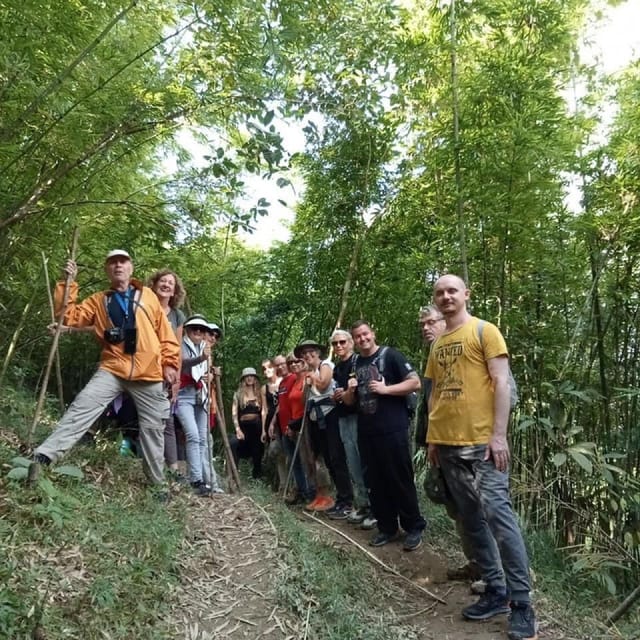
- Rice terraces by Muong Hoa Stream on a guided hike toward Lao Chai
- Hoang Lien Son mountain-range views that make the trek feel earned
- Black H’mong village time at Lao Chai with a look at local life
- Multiple minority villages on the route, including Dzao and Dzay communities
- The climb to Ta Van: a solid 1,200-meter ascent for big-altitude perspective
- Zay people in Ta Van with their bright purple, blue, and green clothing
Why This 6-Hour Sapa Trek Works for Most Schedules
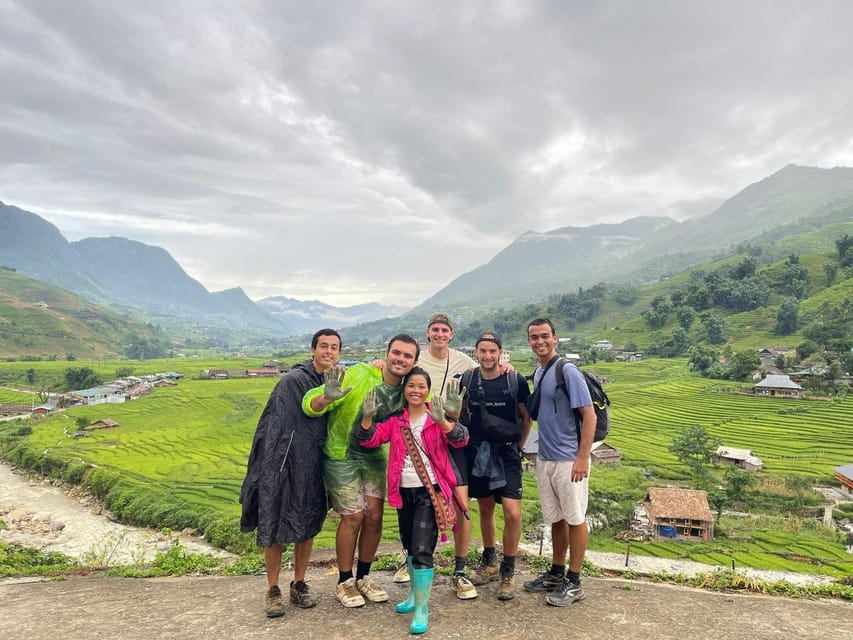
Sapa can feel like a choose-your-own-adventure mess: too many tours, too many promises, not enough clarity. This one is simple. It’s a 6-hour trekking day with a straightforward progression from village to village, then back to Sapa by car. That time window matters because you’re not spending your whole day commuting, waiting, and losing daylight.
The best part is how quickly the scenery and culture change. You start in one village area, then hike through the rice terraces along the Muong Hoa Stream to Lao Chai. From there, you move through additional tribal villages and finish with the climb up to Ta Van, where you visit the Zay community. Even if you don’t speak the local languages, you’ll understand what’s going on because the tour focuses on everyday settings: paths, homes, clothing, and routines.
Value also comes from the basics being covered. You get a tour guide, a main meal at lunch, and scheduled sightseeing tickets. For $22 per person, that’s a pretty workable deal in this region, as long as you’re comfortable with a group-style day and a moderate amount of effort.
You can also read our reviews of more tours and experiences in Sa Pa.
Morning Pick-Up and the First Village Feel (Y Linh Ho)
Your day starts with a hotel pick-up in Sapa Town between 8:00 AM and 8:30 AM. If you’re staying outside town, you’ll go to the listed pick-up point at Front Delta Sapa Hotel (8:00 AM). Getting that timing right is the difference between a calm start and a rushed one, so set your alarm and be ready at least a few minutes early.
From there, the first stop is Y Linh Ho village. This matters because it sets the rhythm. Instead of starting with a steep climb immediately, you begin with the village atmosphere, so your legs (and your brain) warm up gradually. Y Linh Ho also gives you a chance to orient yourself: you’ll see how people live in this highland area before you start moving through the rice terraces.
Practical tip: wear shoes you already trust. On a trek, one “new shoe experiment” can turn a fun day into blisters. Comfortable shoes and warm layers are the move here, especially because the weather in the mountains can shift quickly.
Hiking Rice Terraces Along Muong Hoa Stream to Lao Chai
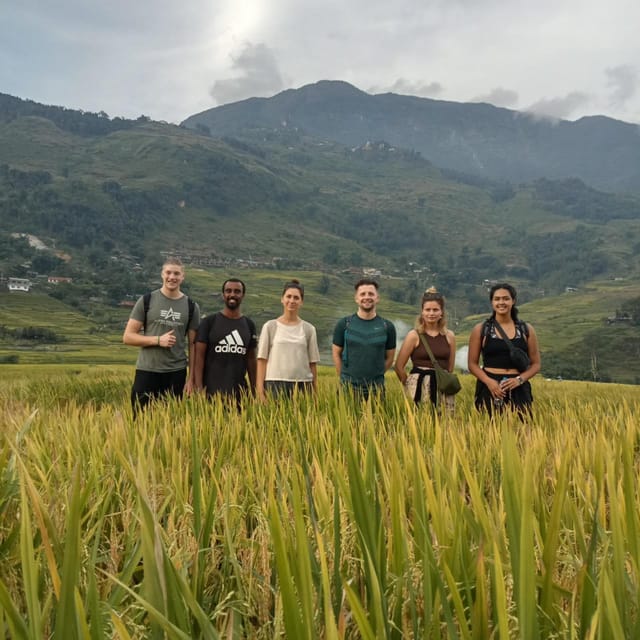
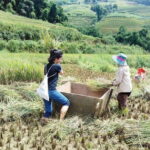
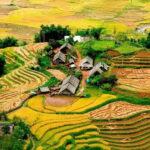
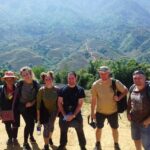
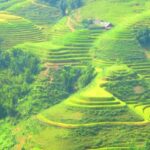
This is the heart of the trek for most people. You hike through rice terraces along the Muong Hoa Stream, moving toward Lao Chai. The terraces give you that classic Sapa feel, but what I like is the pacing: it’s not just a straight shot; it’s a gradual walk through worked land, with mountain views keeping your attention up.
As you go, you get an idea of why the terraces matter. Rice-growing here isn’t just scenery; it’s infrastructure and livelihood. You’ll see the relationship between water, slopes, and village placement. Even if you’re not a farming expert, you’ll understand the logic fast because the path takes you through the same terrain locals rely on.
Then you reach Lao Chai, home to the Black H’mong minority. This is where the tour becomes more than walking. You’re there to see local way of life, not just take photos. You might notice that conversations and curiosity move both ways: people may invite you to look around, and you’ll likely have opportunities to see traditional clothing and village spaces up close.
One consideration: if you’re hoping for long stretches where you only focus on terraces and never interact with anyone, this part of the day may not match your style. Village tourism can bring guided interaction and sales at the same time. If that’s a deal-breaker, just plan to stay polite, set your boundaries early, and take the views whenever you can.
Black H’mong, Dzao, and Dzay Communities on the Route
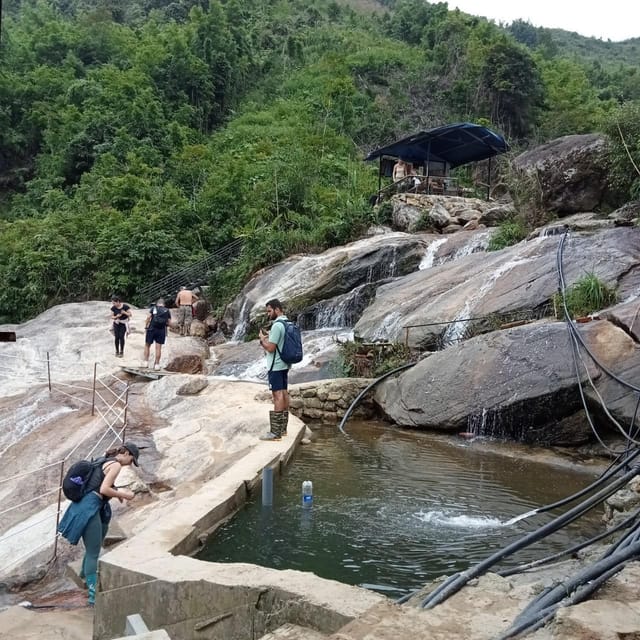
Between Lao Chai and Ta Van, the route passes through several tribal villages. The tour mentions communities including Black H’mong, Dzao, and Dzay. You don’t spend equal time in every spot, but the point is the sequence: you’ll see multiple cultural settings in one continuous trek instead of only one village highlight.
Why this is valuable: in Sapa, one community can be distinct in clothing, building style, and daily routines. Seeing several groups back-to-back helps you avoid the common mistake of treating “ethnic minority villages” as one uniform experience. Even when everything feels similar at first glance, you’ll likely spot differences through colors, how people dress, and how spaces are used.
If you care about remembering details, you’ll want to slow down and look. Pay attention to patterns and materials. In photos, clothing can blur; in person, you’ll usually see more texture and color contrast. And if you’re not sure where you are, ask your English-speaking guide for clarification when you’re taking a break.
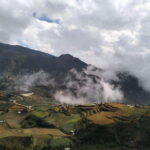
Also, don’t ignore the quiet moments. A quick pause on the trail, watching clouds move over the Hoang Lien Son mountain range, can do more for your understanding than another “photo stop” in a hurry.
The 1,200-Meter Climb to Ta Van and the Zay Visit
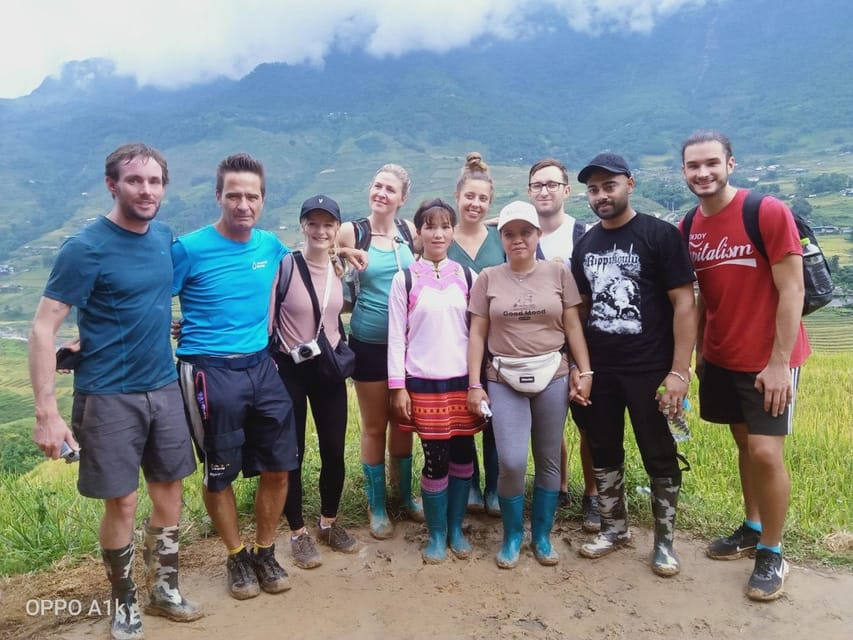
Then comes the hard part: the climb up to Ta Van Village. The tour describes a rise of 1,200 meters to reach Ta Van, where you visit the Zay people. That climb is why this tour doesn’t feel like a casual stroll. Even when the pace is guided, you’ll feel the altitude work in your legs and lungs.
And when you get there, you’ll understand why they schedule it this way. The higher you go, the more dramatic the sense of place becomes. You’re not just walking between points; you’re arriving at a mountain community where houses and daily life fit the terrain.
The Zay visit is a visual highlight. The tour notes dazzling purple, blue, and green clothing, which you’ll likely remember long after the trek. Clothing in this region often functions like an identity marker. It signals community belonging, and it’s one of the easiest things for visitors to notice even if you don’t know local names or terms.
You’ll also see the houses built of wood and bamboo with clay floors. That detail matters because it’s practical. You’re not just looking at an outdoor museum; you’re seeing how architecture adapts to materials and climate. If you’re curious about how people make homes in steep terrain, this part answers some of those questions instantly.
A quick reality check: the climb can be tough for beginners, especially if you’re not used to hiking uphill. The tour is not suitable for people with mobility issues, so be honest about your fitness. If you do go, bring water and pace yourself. The goal isn’t speed; it’s staying steady enough to enjoy the views at the moments when you catch your breath.
Lunch in Ta Van and the Ride Back to Sapa
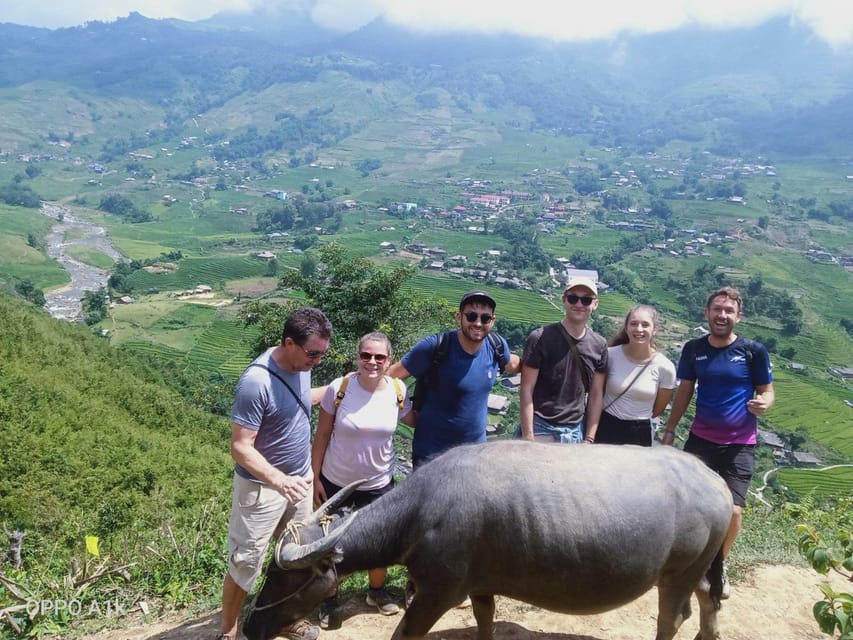
After you arrive in Ta Van and spend time visiting the Zay community, the tour includes lunch at Ta Van village. This is a smart structure: you get a chance to refuel before the descent and return logistics. A warm meal also helps when your body cools down after a climb.
Then you head back to Sapa Town by car. That part matters because it saves energy. In some treks, you hike the whole day and pay for it at night. Here, the design gives you a proper trail segment, then a practical exit so you can continue your trip without being completely wrecked.
What to bring to make lunch and the rest of the day easier:
- Comfortable shoes
- Warm clothing (layers are your friend)
- Water
- A camera, since the clothing colors and mountain angles are photo-worthy
If you’re sensitive to sun, bring a little extra water. Even when the day feels cool, the combination of uphill effort and mountain light can surprise you.
Price, Effort, and Who This Tour Fits Best
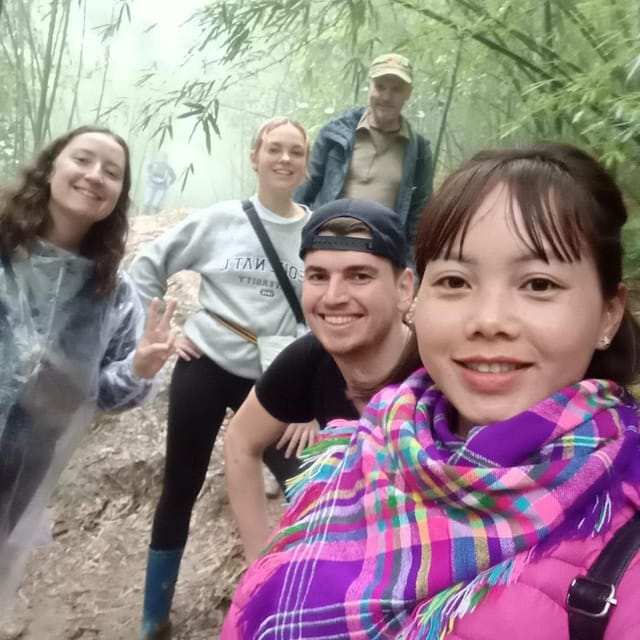
$22 per person for a 6-hour guided trek with lunch and scheduled sightseeing tickets is solid value, especially if you want both nature and culture without planning every detail yourself. The guide also helps with context, route navigation, and timing, which is not a small benefit in Sapa where trails can blend together.
That said, let’s match expectations. This tour is best for:
- People who enjoy moderate uphill trekking
- Visitors who want multiple villages in one day
- Travelers who like meeting people and seeing real daily life, not only scenic photo spots
- Anyone happy with a structured group day rather than total independence
It’s less ideal for:
- Anyone who wants long uninterrupted time on the rice terraces only
- People who don’t want any interaction around village stops (including friendly selling)
- Folks with limited mobility, since it’s not suitable
One more note based on real-world concerns: the day includes multiple village names and stops. If you like to keep your own notes for later, take a few photos with a quick label in your phone (even just the village name your guide uses). It reduces the chance of confusion when you’re sorting memories after the hike.
Final Call: Should You Book the Lao Chai and Ta Van Trek?
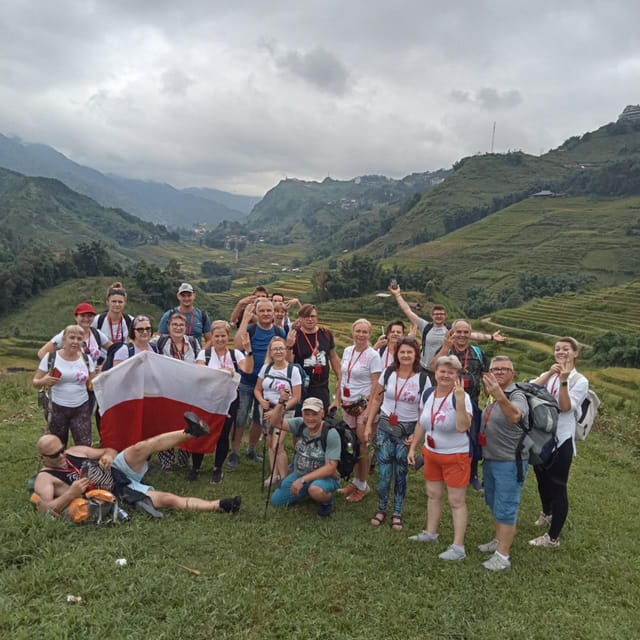
I’d book this tour if you want a compact Sapa day that mixes terraces, mountain views, and real village visits with a guide who keeps things moving. The climb to Ta Van and the Zay visit are the kind of experiences that don’t happen from behind a bus window, and lunch included makes it feel more complete than many budget treks.
I wouldn’t book it if your priority is quiet, terrace-only walking or maximum time away from village interactions. Also, be honest about fitness: the 1,200-meter ascent is the big effort point, and the tour isn’t built for accessibility needs.
If you’re a balanced traveler who wants both scenery and cultural contact, this is a good value, straightforward way to see Lao Chai and Ta Van without turning your day into a planning project.
FAQ
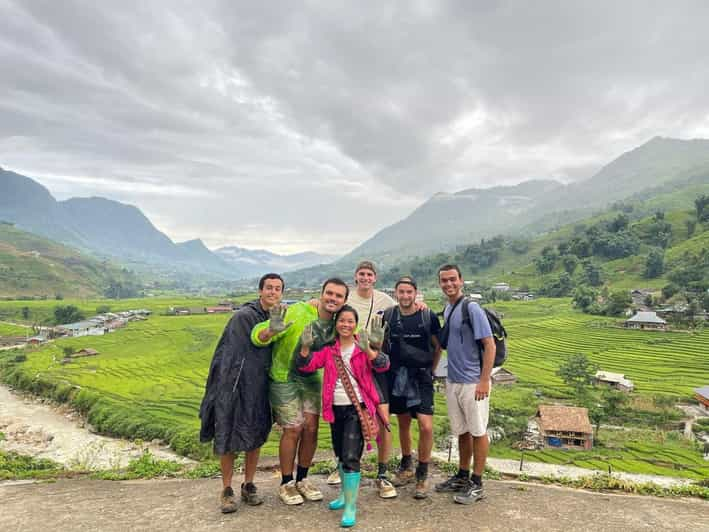
How long is the trekking tour from Sapa to Lao Chai and Ta Van?
The duration is 6 hours.
What is the price per person?
It’s $22 per person.
What time does pick-up happen in Sapa Town?
Pick-up is available at accommodations in Sapa Town between 8:00 AM and 8:30 AM depending on location.
If I stay outside Sapa Town, where do I go for pick-up?
You should go to the pick-up point at Front Delta Sapa Hotel, 031 Ng. Cầu Mây, TT. Sa Pa, Sa Pa, Lào Cai at 8:00 AM.
What does the tour include?
It includes a main meal at lunch, a tour guide in Sapa (English), and scheduled sightseeing tickets.
What should I bring for the trek?
Bring comfortable shoes, warm clothing, a camera, and water.
Is the tour suitable for people with mobility issues?
No. The tour is not suitable for people with mobility issues.
Are there extra charges on public holidays?
Yes. On public holidays listed as 31 Dec–2 Jan, 29 April, 30 April, 1 May, and 2 Sep, there is an extra charge of 100,000 VND per person.