REVIEW · KATHMANDU
Dive into Spirituality: 6 Days Trek to Gosaikunda Lake
Book on Viator →Operated by Mountain Hike Nepal · Bookable on Viator
Sacred water meets real hiking in six days. This Gosaikunda Lake trek is short enough for a tight Nepal schedule, but it still delivers a meaningful mix of spirituality and serious mountain views; I especially love the ritual stops around the lake and the way the day feels rooted in faith. I also love the big Langtang Himal panorama moments that keep showing up when the weather cooperates.
The main catch is the pace: it’s a condensed plan, with a long early start and at least one solid uphill trekking day, so you’ll want moderate fitness and good trekking shoes. If you’re hoping for a slow, rest-everywhere style hike, this one may feel a bit rushed.
In This Review
- Key highlights you should know before you go
- Why Gosaikunda is different from most “quick” treks
- Kathmandu to Dhunche: trading city time for trail time
- Day 2 to Chandanbari: the uphill day that sets the tone
- Day 3 to Gosaikunda Lake: the sacred kunda route and the big views
- Day 4 back to Chandanbari: retracing steps, but with payoff
- Day 5 Chandanbari to Dhunche: downhill hiking and knee management
- Day 6 back to Kathmandu: turning mountains into memories
- Price and what you actually get for $735
- Guides, porters, and the team setup that keeps it manageable
- What to pack for this 6-day plan (based on what’s not included)
- Health and fitness: the “moderate” line you should respect
- Who should book this trek (and who might want a different option)
- Should you book the 6-day Gosaikunda trek to Langtang?
- FAQ
- How long is the trek to Gosaikunda Lake?
- Where does the trek start and end?
- What time does the trip begin?
- Is pickup offered?
- What is included in the price?
- What accommodation will I have during the trek?
- Do I need travel insurance?
- Are meals and accommodation included in Kathmandu?
- What happens if weather is poor?
Key highlights you should know before you go
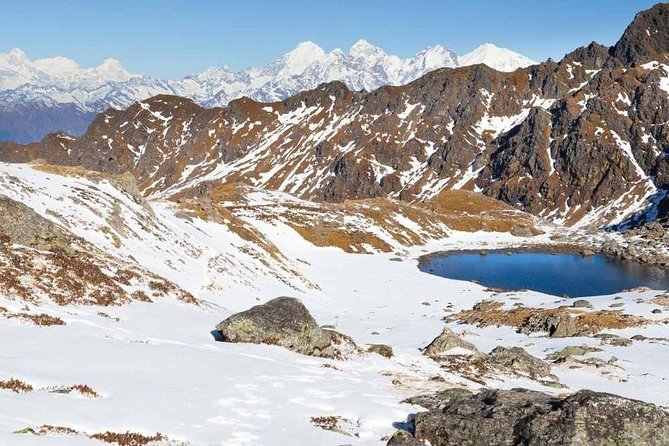
- Sacred kunda circuit: you’ll visit Surya Kunda, Saraswoti Kunda, Bhairab kunda, and other holy spots around Gosaikunda.
- Early-morning approach to the lake: the trek to the lake starts early so you can catch the best views.
- Teahouse trekking with twin sharing: included meals and teahouse accommodation keep logistics simple.
- Langtang Conservation Area coverage: the trek includes the required permit and TIMS card.
- Real village trekking: you pass through diverse ethnic villages and see daily traditions up close.
- Wildlife potential (not a guarantee): Langtang is known for rare species like red pandas and snow leopards.
Why Gosaikunda is different from most “quick” treks
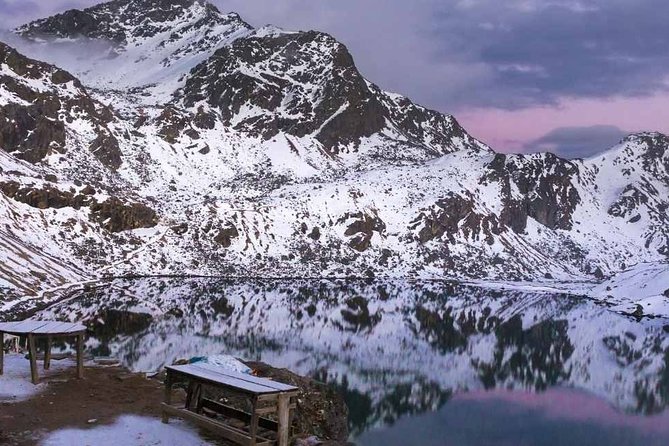
Gosaikunda is one of those places where people don’t just show up for scenery. The lake holds spiritual importance for both Hindus and Buddhists, and that changes the tone of the hike. Even if you’re not religious, you’ll feel it in how the trail and the lake area are used—prayers, ritual stops, and that sense of purpose that you don’t get on a purely sightseeing trek.
The second reason I like this trek is that it’s compact but still “mountain-real.” You’re in the Langtang region, and the views of peaks like Langtang Himal and Ganesh Himal are a real part of the experience, not a side note. When weather clears, the mountains seem close enough to make the short duration feel worth it.
You can also read our reviews of more tours and experiences in Kathmandu.



Kathmandu to Dhunche: trading city time for trail time
Day 1 starts with a drive from Kathmandu to Dhunche. The route goes via Trisuli Bazar, then you overnight in Dhunche. This matters more than it sounds. Dhunche is your staging point, so you avoid the stress of trying to start hiking immediately after arriving in Nepal.
Also, this trek is set up with pickup offered, and the meeting point is near public transportation. That’s a small detail that can save you time and hassle when you’re trying to get moving early.
Practical note: since you’re driving first, you’ll likely want an easy dinner and an early night. The next day includes uphill hiking, and nothing ruins your legs like a late start.
Day 2 to Chandanbari: the uphill day that sets the tone
On Day 2 you trek to Chandanbari with a dissent uphill feel (think: steadily upward, not just a gradual slope). The trek is about 6–7 hours. That’s the kind of effort that teaches you how the rest of the trip will feel.
What I’d watch for here is breathing and pacing. When the trail climbs, it’s easy to overdo it in the first hour because the scenery is still new and exciting. Instead, keep your effort steady. If you go too hard, you’ll arrive at Chandanbari feeling like you need a rest before you even get one.
This is also where you’ll start noticing the cultural shift along the way. The trek passes through villages and you get a sense of everyday traditions in the ethnic communities of the region. That cultural layer is one of the strongest “why this trek” reasons—short treks sometimes skip that entirely.
You’ll overnight in Chandanbari at a teahouse with twin-sharing accommodation included in the trek package.
Day 3 to Gosaikunda Lake: the sacred kunda route and the big views
Day 3 is the heart of the trip. You start with an early morning trek to Gosaikunda Lake, the holy water spot that’s revered in the region. The plan includes time to visit multiple kunda (holy lake sections), including Surya Kunda, Saraswoti Kunda, Bhairab kunda, and others. You’ll also have the chance to worship at Gosaikunda itself.
Even if you don’t follow the rituals, this is one of the best sections for understanding why this lake matters. The stops aren’t random photo breaks. They’re part of a lived spiritual route, and the atmosphere is different from a standard hike.
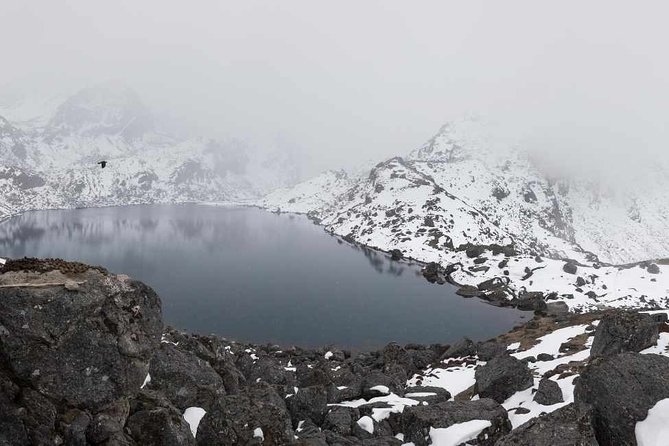
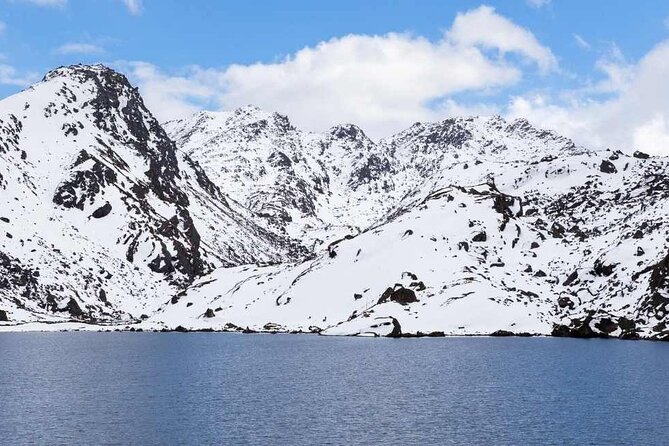
And then there are the mountains. This is where the itinerary really earns its reputation. You’ll see breathtaking mountain views of Langtang Himal and Ganesh Himal during the approach and around the lake area. In plain terms: even though this is only a 6-day trek, Day 3 is the moment that makes it feel like a real high-mountain journey.
Wildlife note: the Langtang National Park area is known for rare animals such as red pandas and snow leopards. But sightings aren’t something you should plan around. What you can do is hike quietly, keep your eyes open, and enjoy the fact that you’re in a region that supports serious wildlife.
Day 4 back to Chandanbari: retracing steps, but with payoff
On Day 4 you trek back to Chandanbari. It’s not “easy” hiking just because you’re going the other way. Your legs are already tired from Day 2 and Day 3, and the trail conditions can still demand attention.
What I like about this day is the pacing change. At the lake, everything feels focused and intense. On the way back, you get more space to look around—at the villages you passed earlier, at how the forest and terrain change as you move through the region, and at how the weather shifts the mood of the mountains.
You’ll overnight again in Chandanbari at a teahouse. Meals during the trek are included (breakfast/lunch/dinner), which helps you keep energy up without extra budgeting during the hike.




Day 5 Chandanbari to Dhunche: downhill hiking and knee management
Day 5 is an early trek back to Dhunche, and it’s described as downhill. Downhill is usually harder on knees than uphill is on lungs. So take this day seriously.
A few practical strategies that help:
- Keep steps short and controlled.
- Use trekking poles if you have them.
- Don’t rush just because it feels easier physically.
This is also a good day to remember that you’re hiking in Nepal’s trekking belt, where weather can change fast. Wear layers and be ready to adjust. The itinerary is built as a 6-day circuit, so you’re not far from the endpoint, but you’ll still feel the cumulative fatigue.
Day 6 back to Kathmandu: turning mountains into memories
Day 6 finishes with a drive from Dhunche back to Kathmandu. After five days of trail life, the city feels huge again—but you’ll likely feel oddly restless at first. That’s normal.
If you have time in Kathmandu, plan a low-key day. You’ll want to eat something comforting, wash and dry trekking clothes properly, and give your feet the attention they deserve.
This trip ends with reflection because it’s short, focused, and intense in just the right places: sacred lake day, big mountain views, and village trekking in between.
Price and what you actually get for $735
At $735 per person, this isn’t a budget-only trek, but it also isn’t priced like a luxury boutique adventure. The value comes from what’s included and how much planning effort the trek company handles.
Included items that matter for real cost control:
- Kathmandu to Dhunche and back by public transport
- All local meals during the trek (breakfast/lunch/dinner)
- Teahouse accommodation on twin sharing
- Langtang Conservation Area Permit and TIMS card
- An experienced English-speaking trekking guide
- A Sherpa porter setup (2 trekkers share 1 porter)
What you should budget separately:
- Tips for guide and porter
- Meals and accommodation in Kathmandu
- Drinks (tea/coffee/water/soft drinks/alcohol)
- Hot shower, internet (not included)
If you were to DIY this, you’d still pay for permits, a guide, and a porter for a comparable experience. So for many people, the price feels fair because it buys you simplicity: fewer moving parts, required paperwork taken care of, and a team that keeps you on route.
Guides, porters, and the team setup that keeps it manageable
This trek includes one experienced English-speaking guide and a Sherpa porter, with a ratio of 2 trekkers to 1 porter. That’s a key detail. It means you’re not carrying everything, and you can focus your effort on walking and staying safe.
One of the reviews also highlighted a person named Manish from Mountain Hike who helped guide the choice of trek when time was limited. That’s exactly the kind of benefit you want from a solid local agency: help picking the trek that fits your schedule instead of forcing you into something longer.
I’d still encourage you to be realistic about what you can carry comfortably. Even with a porter, you’ll likely have a daypack for essentials. Keep it light enough that you can maintain good pace.
What to pack for this 6-day plan (based on what’s not included)
Because drinks, hot showers, and internet are not included, pack with day-to-day comfort in mind. You’ll also be sleeping in teahouses, so a bag strategy matters.
You should plan for:
- A warm layer for mornings and evenings (early starts can feel cold)
- Rain protection if the weather shifts
- Trekking shoes with grip for uphill and downhill
- A small daypack for water, snacks, and your essentials
Also, the trek requires good weather. That’s not just a nice-to-have: it affects safety and the quality of the mountain views. If the operator cancels due to poor weather, you’ll be offered an alternate date or a full refund.
Health and fitness: the “moderate” line you should respect
The trek is listed for moderate physical fitness, and the itinerary includes uphill and downhill hiking days. That’s manageable for many people, but it still demands consistency.
I recommend you train before you go:
- Walk regularly with a backpack
- Practice stairs or hills if you can
- Get comfortable being on your feet for 6–7 hours during the uphill day
And don’t skip this: travel insurance is compulsory for this adventure trip. Mountain trekking can mean sudden itinerary changes and medical emergencies. Insurance protects you when things go sideways.
Who should book this trek (and who might want a different option)
This is a great fit if you want:
- A short trek that still includes a meaningful sacred destination
- Spiritual sites around the lake (not just a scenery stop)
- Village trekking with cultural encounters
- Teahouse comfort rather than camping
It might be less ideal if you:
- Want a slower pace with lots of downtime between walking days
- Are not comfortable with uphill hiking around 6–7 hours
- Prefer to avoid early starts (Day 3 begins early, and the trip meeting start time is listed at 5:45 am)
Should you book the 6-day Gosaikunda trek to Langtang?
If your goal is to hit one of Nepal’s most spiritually significant lakes and you also want serious mountain views without spending two full weeks on a trek, I think this is a strong choice. The combination of kunda stops, included permits and meals, and a guide-led experience makes it a practical way to do the Langtang region.
You should book if:
- You’re okay with a packed schedule and early mornings
- You want a guide and porter support structure
- You’re happy to focus on one area rather than hopping around
You might pass if:
- You don’t handle uphill trekking well
- You’re looking for a super relaxed walking holiday
If you get the weather window, Day 3 at Gosaikunda is the kind of day you’ll remember for years.
FAQ
How long is the trek to Gosaikunda Lake?
The trek runs for about 6 days, from Kathmandu to Dhunche and back, with trekking days between.
Where does the trek start and end?
It starts in Kathmandu and drives to Dhunche, then returns by driving back to Kathmandu at the end.
What time does the trip begin?
The listed start time is 5:45 am.
Is pickup offered?
Yes, pickup is offered, and the meeting point is near public transportation.
What is included in the price?
The package includes public transport between Kathmandu and Dhunche, local meals during the trek (breakfast/lunch/dinner), teahouse accommodation on twin sharing, permits (Langtang Conservation Area Permit and TIMS card), and an English-speaking guide plus a Sherpa porter.
What accommodation will I have during the trek?
You’ll stay in teahouses on a twin-sharing basis.
Do I need travel insurance?
Yes. Travel insurance is compulsory for this adventure trip.
Are meals and accommodation included in Kathmandu?
Meals and accommodation in Kathmandu are not included.
What happens if weather is poor?
This experience requires good weather. If it’s canceled due to poor weather, you’ll be offered a different date or a full refund.