REVIEW · CHIANG RAI
Chiang Rai Trek: 4 Hilltribes Villages & Waterfall Only Walk
Book on GetYourGuide →Operated by LocalCNXTours · Bookable on GetYourGuide
A waterfall and four villages, all on foot. This Chiang Rai trek is a real walking day in the northwest countryside, moving from Lisu and Chinese village areas to Akha and Lahu, with the biggest “wow” moments built in—bamboo cooking, a waterfall swim, and hot-spring time. You also get stops tied to everyday life, like tea growing and farm land, not just a quick photo break.
I love the bamboo-hut lunch cooked with firewood (no LPG), because it turns a meal into a story you can actually taste. I also love the Huay Kaew Waterfall swim, which feels like a reward earned by walking through forest and countryside.
One heads-up: this is not a flat stroll. Expect a solid hike with steep uphill sections and uneven ground, so comfort footwear and realistic energy matter.
In This Review
- Key Highlights at a Glance
- Why This Hilltribe Trek Feels More Like Daily Life Than a Checklist
- From Chiang Rai to Lam Nam Kok National Park: The Easy Start
- Lisu Village Walking and the Bamboo Hut Cooking Lunch
- Chinese Village Tea Plantation Stops (And Why It’s More Than Scenic)
- Huay Kaew Waterfall: The Dip You’ll Thank Yourself For
- Akha Village Farm Land, Then On to Lahu Village
- Hot Spring Mineral Bath at the End: Wrap-Up Relief
- Pace and Difficulty: Who This Is For (and What to Bring)
- Price and Value: Is $82 Fair for This Day?
- Who Should Book This Trek (And Who Might Prefer Something Else)
- Should You Book Chiang Rai Trek: 4 Hilltribes Villages & Waterfall Only Walk?
- FAQ
- How long is the trek, and how much walking should I expect?
- Where does the tour start and end?
- What language is the tour guide speaking?
- Is lunch included, and what is it like?
- Can I swim at the waterfall, and do I need swimwear?
- What should I bring for the day?
- Is the tour suitable for children or older adults?
- What happens if I stay outside the pick-up radius in Chiang Rai?
- What is included in the price, and is travel insurance covered?
- FAQ
- What’s the cancellation policy?
- Is alcohol allowed on the tour?
Key Highlights at a Glance
- Four hilltribe villages on one route: Lisu, Chinese village area (tea), Akha, and Lahu
- Bamboo cooking lunch in a traditional kitchen, cooked on firewood
- Huay Kaew Waterfall swim at one of Chiang Rai’s biggest falls (the tour calls it the second largest)
- Tea plantation time tied to the Chinese village area
- Hot spring time at the start walk and again at the end, with mineral hot baths
- About 5 hours of walking total, with a full-day schedule around it
Why This Hilltribe Trek Feels More Like Daily Life Than a Checklist
This tour works because it’s built around slow movement and normal village rhythms. You start in a hot-spring area, walk through bamboo and forest, and then you’re in village spaces where people grow food, make meals, and live close to the land. You’re not just watching from a distance. You’re walking with a guide who explains what you’re passing—plants you can recognize, everyday activities, and the basic logic of how communities make a living.
The best part is how the day is balanced. You get “human scale” moments (lunch in a bamboo hut, farm land walking, tea growing) plus the physical reset of water and heat (waterfall dip and hot-spring bath). Even if you’re not a super-hiker, the day stays varied enough that you don’t feel trapped in one long uphill grind.
This is also a small-group experience, which matters. It keeps the pace friendly, gives you time to ask questions, and reduces that awkward rush feeling you get on bigger tours where everyone is just trying to keep up.
You can also read our reviews of more tours and experiences in Chiang Rai.
From Chiang Rai to Lam Nam Kok National Park: The Easy Start
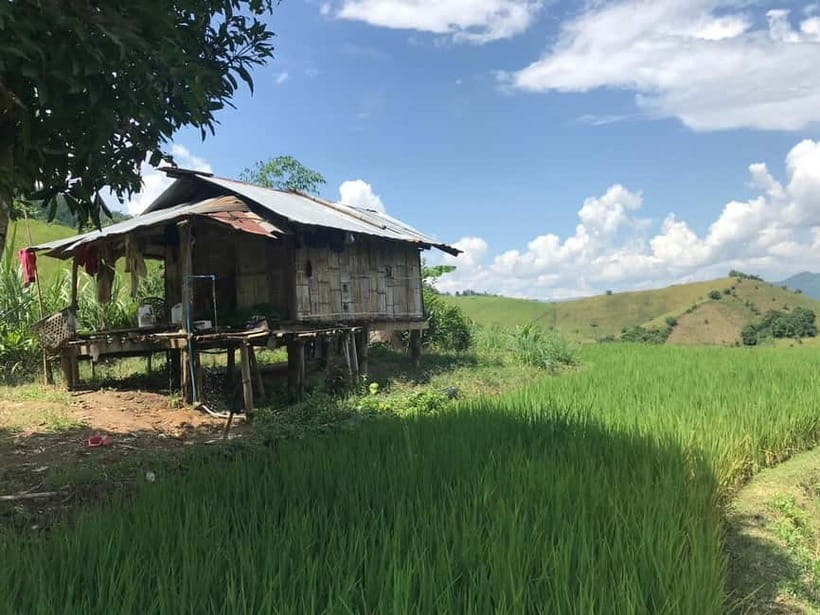
The day starts and ends in Chiang Rai, with hotel pickup by car to the trekking area in the Lam Nam Kok National Park region. You then shift from road time into forest time pretty quickly—no long transfer drama.
A practical tip: plan your morning loosely. Pickup may come in within a time window, but timing can vary, so don’t schedule anything right after hotel pickup besides coffee and patience.
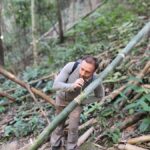
Once you reach the trekking start, the walking begins from a hot spring area and moves into forest and bamboo. That gives you a nice mental transition. You’re warm and awake before the hike really gets going.
If you’re staying outside the pickup radius, you’ll need to contact the provider directly. The tour notes that the start point can depend on your location—so it’s worth confirming early if your hotel is far from Chiang Rai proper.
Lisu Village Walking and the Bamboo Hut Cooking Lunch
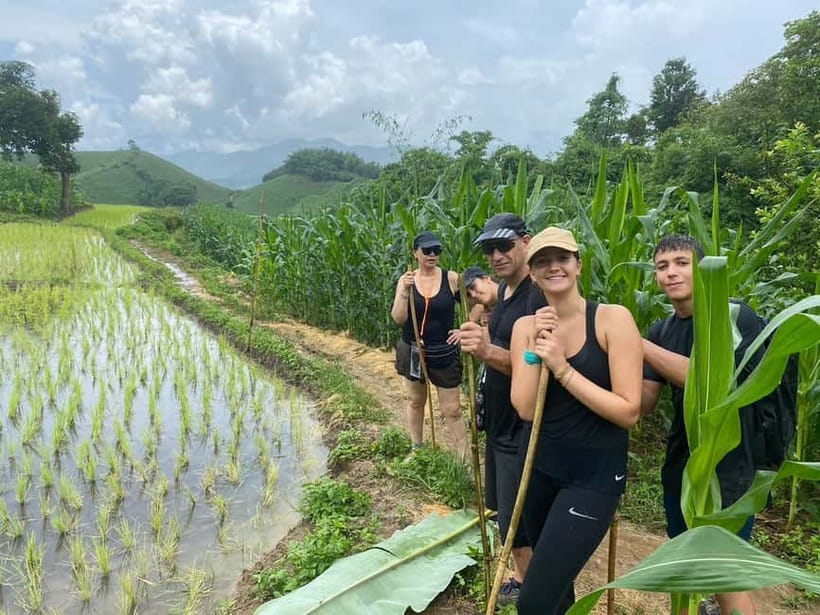
The core experience—what you’ll remember most—happens during the first village and lunch portion. After the start walk through forest and bamboo, you reach the Lisu village area.
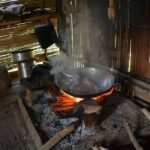
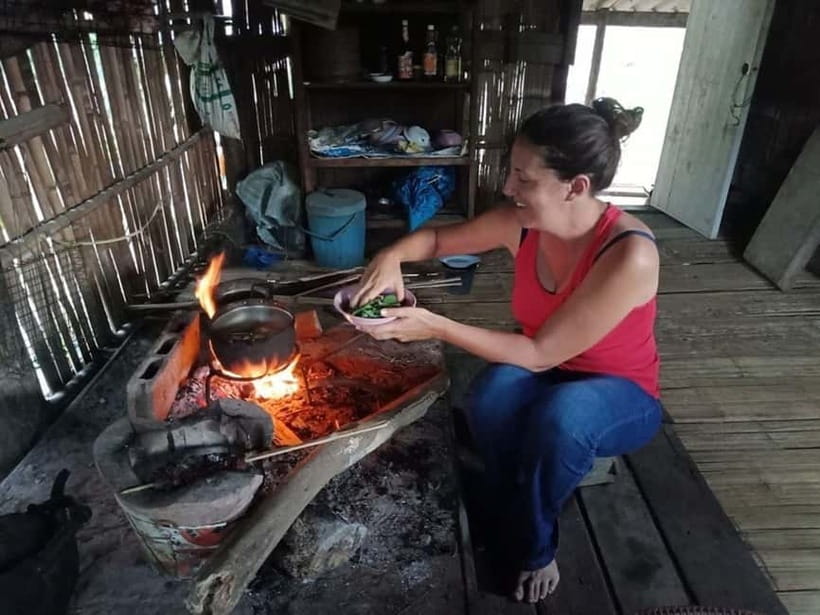
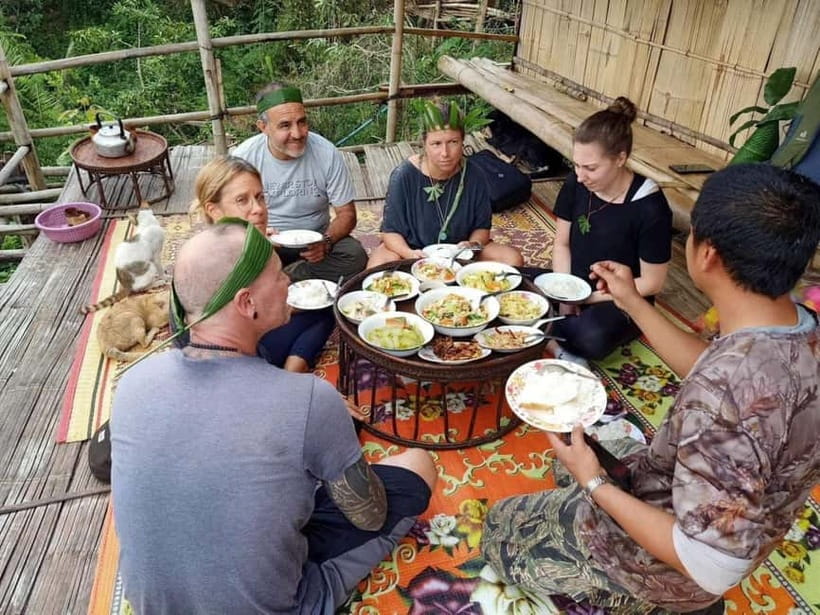
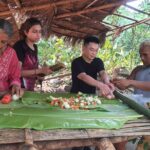
Then comes lunch in a hilltribe bamboo hut with your guide. This meal isn’t just delivered to you. You cook with the setup they use at home. The tour specifically notes cooking with firewood and that there is no LPG, so you’ll get a more old-school kitchen rhythm than you’d expect from a standard tourist “cooking demo.”
This is the moment where the tour becomes more than a hike. You’ll see how heat, tools, and timing work in a simple kitchen environment. And because you’re cooking as part of the experience, you’ll notice details you’d skip if you were just eating. It’s hands-on, practical, and very grounded in real village life.
From the guides’ explanations you can pick up more than “which village this is.” People in the region use many plants in daily life, and the day is built around that kind of learning—herbs, plants, and what’s edible versus what’s just part of the forest.
Chinese Village Tea Plantation Stops (And Why It’s More Than Scenic)
After lunch, you continue walking toward the Chinese village area, with a planned tea plantation stop. Tea is a big deal in northern Thailand, and here it’s tied directly to the village setting—so you’re not looking at a tea shop exhibit. You’re seeing the growing area and learning what that cultivation means locally.
This part of the route tends to feel like a change of scenery and pace. The walking continues, but the focus shifts from bamboo forest to more open countryside and farm land patterns. You’ll also likely get fruit and farm-style learning along the way since the tour route includes farm areas connected to village life.
A realistic note: walking time here still adds up. Even when the view opens up, you’re still on foot for a day that totals around 5 hours of walking (with travel and breaks making the full day feel longer).
Huay Kaew Waterfall: The Dip You’ll Thank Yourself For
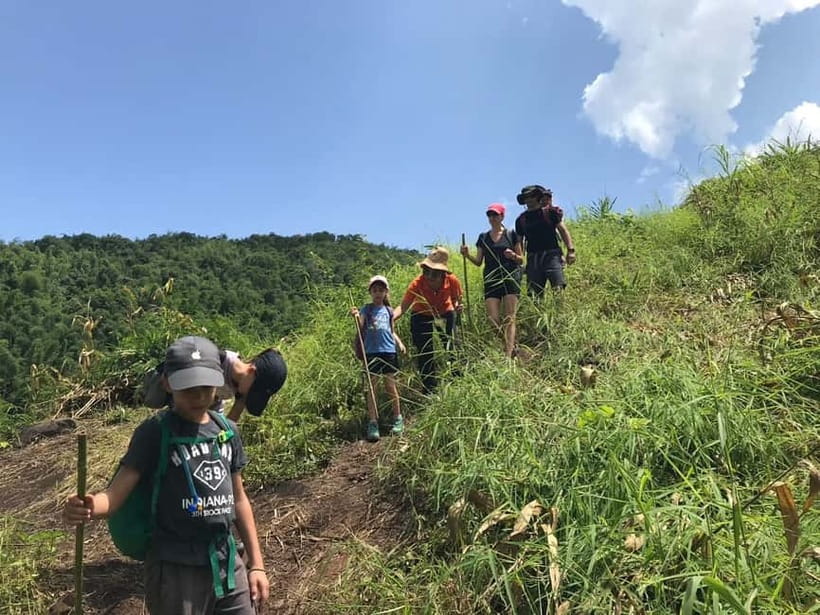
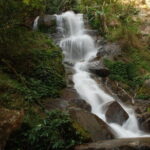
Eventually, you reach Huay Kaew Waterfall, described on the tour as the second largest waterfall in Chiang Rai. This is your scheduled swim break.
The value of this stop is practical. You’re already walking in heat and sun, and the waterfall gives you an instant reset. It’s also a natural moment to slow down, cool off, and just take in the sound and movement of water after village and tea stops.
Bring swimwear and plan to use it. Even if you’re not a hardcore swimmer, the water helps. Also pack a change of clothes for the ride back. You’ll be glad when you don’t have to sit in damp fabric on the car transfer.
Akha Village Farm Land, Then On to Lahu Village
After the waterfall, the day keeps moving through more community areas, including Akha village and farm land before continuing to the Lahu hilltribe village.
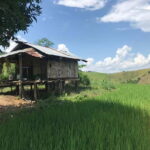
This portion matters because it shows two different ways of using the land. You’re not only seeing one type of hillside life—you’re seeing the pattern of how communities mix walking routes, growing areas, and village spaces. It’s a more complete picture than a single-village visit.
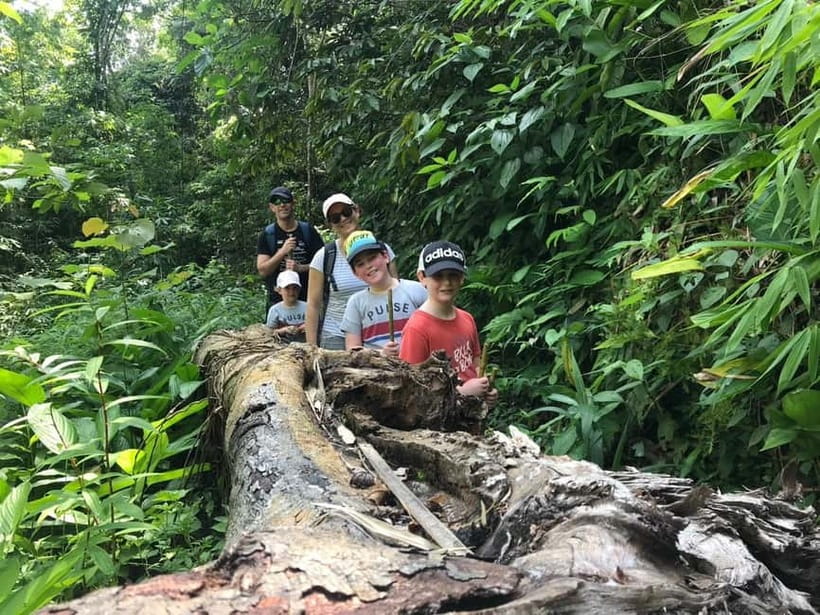
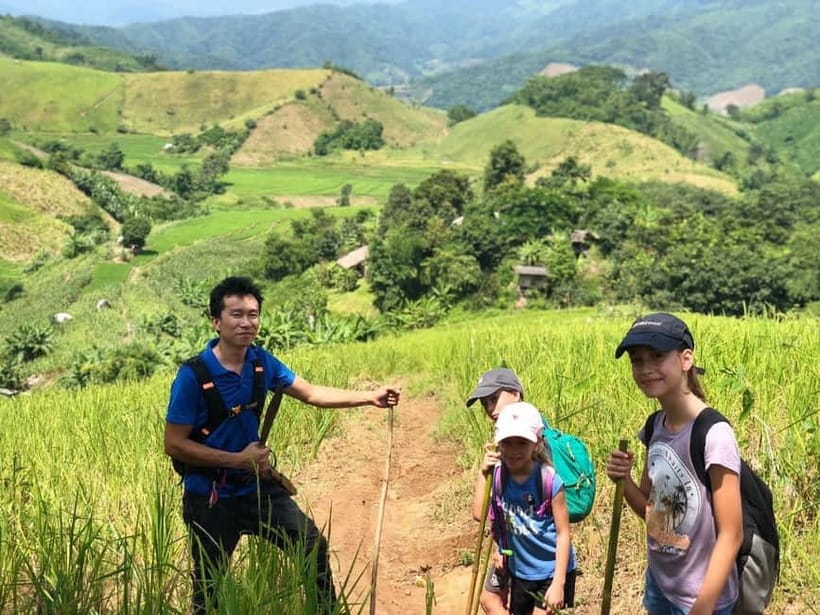
Expect more uneven footing here too. The tour is built as an active route, and parts can include steep uphill segments with no flat paths for long stretches. The good news is that you stop and regroup as needed, and for many people the variety keeps it manageable.
Hot Spring Mineral Bath at the End: Wrap-Up Relief
You finish the day back at a hot spring area for a mineral hot bath before returning by car to your hotel in Chiang Rai.
This ending is more than comfort—it’s part of the tour logic. You start with hot-spring time and end with hot-spring time, which makes the whole day feel like it has a start-and-finish rhythm. After hours of walking, heat therapy is basically the simplest win.
If you want your day to end feeling good instead of just exhausted, this hot spring stop is a big reason the tour gets strong ratings.
Pace and Difficulty: Who This Is For (and What to Bring)
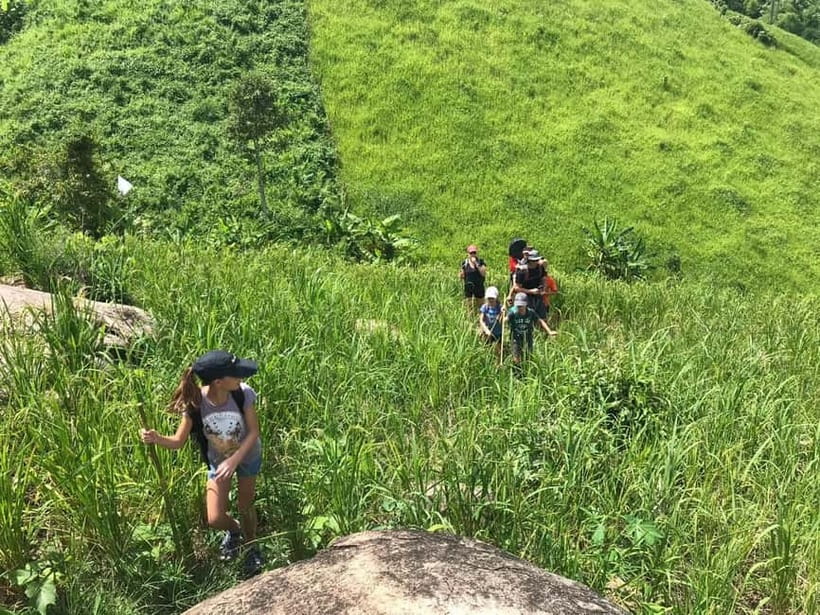
This is designed for active people. The tour notes about 5 hours of walking, and it’s a route with hills. One important detail to plan around: you’re on foot for around 10 km with steep uphill and mostly uneven terrain, so comfortable footwear is not optional.
Also note who should skip it:
- Not suitable for children under 10
- Not suitable for wheelchair users
- Not suitable for people over 70
If you’re traveling with a friend who loves walking, this is a great match. If your idea of a good day is mostly paved paths and minimal steps, you might find this too active.
What to bring (the tour is specific, and I agree with all of it):
- Hat
- Swimwear
- Change of clothes
- Water
- Insect repellent
If you tend to get cold after water, bring a light layer too. The tour doesn’t mention it, but damp cooling is real.
Price and Value: Is $82 Fair for This Day?
At $82 per person, you’re paying for a full day that includes more than “a guide with a route.” The price includes:
- Transportation
- Tour guide
- Lunch
- Drinking water
- Travel insurance
That’s good value for a few reasons. First, the lunch isn’t a packaged meal—it’s tied to bamboo hut cooking and the traditional setup. Second, the tour is structured around multiple village and nature stops, with active walking time rather than a bus-and-stop sightseeing format. Third, travel insurance being included removes one annoying admin step.
Are you paying for comfort? Not really. You’re paying for access to a route that blends walking, village life, cooking, tea growing, and a real waterfall swim—plus the logistics to make it run smoothly.
If you want a day that feels grounded and not overly staged, $82 can feel like a bargain.
Who Should Book This Trek (And Who Might Prefer Something Else)
Book this if you want:
- A small-group walking day with village stops
- Hands-on lunch cooking with firewood in a bamboo kitchen
- A scheduled waterfall swim plus hot spring bathing
- A tour that focuses on everyday practices like farming and tea growing
Skip it if:
- You need fully flat walking routes
- You have mobility limitations that make steep uphill difficult
- You’re traveling with very young kids (the tour sets the minimum at 10)
It’s also a good choice if you’re tired of tours that feel like sprinting between viewpoints. This route rewards steady walking and curiosity.
Should You Book Chiang Rai Trek: 4 Hilltribes Villages & Waterfall Only Walk?
Yes—if you’re comfortable with uneven ground and you want your Chiang Rai day to feel human and active. The combination of bamboo cooking lunch, tea plantation time, Huay Kaew waterfall swim, and the mineral hot-spring bath gives you multiple reasons to feel like you got your money’s worth.
Just go in prepared: wear proper shoes, pack for water and heat, and don’t plan tight connections right after pickup. If you do that, this is the kind of day that sticks with you long after you’ve left the trail.
FAQ
How long is the trek, and how much walking should I expect?
The total walking time is around 5 hours. It’s described as a manageable hike for active people, but it includes steep uphill sections and no flat paths for long stretches.
Where does the tour start and end?
The tour starts and ends in Chiang Rai. The group is transported from your hotel to the trekking area, and you return to the hotel by car.
What language is the tour guide speaking?
The tour is listed as English language.
Is lunch included, and what is it like?
Lunch is included. You cook lunch with the guide in a traditional hilltribe bamboo hut kitchen using firewood (no LPG).
Can I swim at the waterfall, and do I need swimwear?
Yes. The tour includes time at Huay Kaew Waterfall, and you can enjoy swimming there. You should bring swimwear and also change of clothes for afterward.
What should I bring for the day?
Bring a hat, swimwear, change of clothes, water, and insect repellent.
Is the tour suitable for children or older adults?
It’s not suitable for children under 10 years old and not suitable for people over 70 years. It’s also not suitable for wheelchair users.
What happens if I stay outside the pick-up radius in Chiang Rai?
The tour notes you should contact the provider directly if you stay outside the radius for pick-up, so they can confirm options.
What is included in the price, and is travel insurance covered?
The price includes transportation, a tour guide, lunch, drinking water, and travel insurance. Other expenses are not included.
FAQ
What’s the cancellation policy?
You can cancel up to 24 hours in advance for a full refund.
Is alcohol allowed on the tour?
No. Alcohol and drugs are not allowed. Pets are also not allowed.