REVIEW · CHIANG RAI
1 Day Trekking in Chiang Rai forest (walk only)
Book on GetYourGuide →Operated by Buddy Hunter Tours · Bookable on GetYourGuide
A forest walk in Chiang Rai hits different. You start near the hot springs, then hike through bamboo and farmland to meet the Lahu and Akha hill tribes, finish with swimming at Huai Kaew Waterfall, and end the day on a calmer note with warm springs. It’s a full day of movement, culture, and food made with bamboo.
I especially loved the hands-on bamboo cooking. Watching it happen (and then eating lunch cooked in bamboo containers) turns a sightseeing day into something you actually do. I also liked how the guides keep the day flowing—some of the best energy I’ve seen comes from guides like Addie, Addy, June, and Thor, who mix safety, jokes, and jungle know-how.
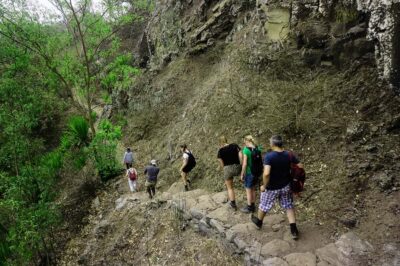
One thing to consider: this is not a gentle stroll. Trails can be steep, rocky, and slippery at times, and the hot-springs stop can be simple (some days it may feel more like a warm basin than a spa).
In This Review
- Key Things I’d Write on Your To-Do List
- Starting at Chiang Rai Hot Springs and Heading Into Bamboo
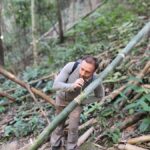
- Trekking Through Bamboo Forests and Community Farmland
- Lahu and Akha Hill Tribe Villages: What You’re Really Seeing
- Huai Kaew Waterfall Swimming and Relaxing
- Bamboo Lunch: Making Food With Handmade Containers
- Chinese Village and Tea Plantation Walking Stretches
- Pace, Fitness, and Your Best Gear Setup
- Price and Value: Is $57 Worth a Walk-Only Day?
- The Hot Springs End-Stop: Manage Your Expectations
- Should You Book This Chiang Rai Forest Trek?
- FAQ
- How long is the trekking day, and how much of it is walking?
- What does the $57 price include?
- Where do you get picked up?
- What languages are the guides?
- Do I need swimwear?
- Is mosquito repellent included?
- Is the tour suitable for infants or very elderly travelers?
Key Things I’d Write on Your To-Do List
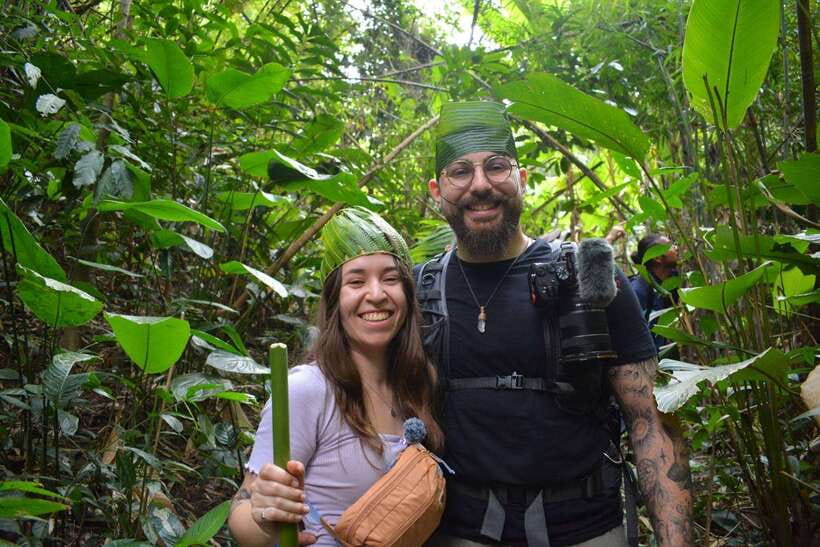
- Walk-only trekking with about 5 hours of actual walking time
- Village visits to Lahu and Akha hill tribes as part of the route
- Swimming and relaxing at Huai Kaew Waterfall
- Bamboo lunch made using handmade bamboo containers
- A day that mixes forest, tea/plantation areas, and rural community life
- Bring swimwear since the day includes water time
Starting at Chiang Rai Hot Springs and Heading Into Bamboo
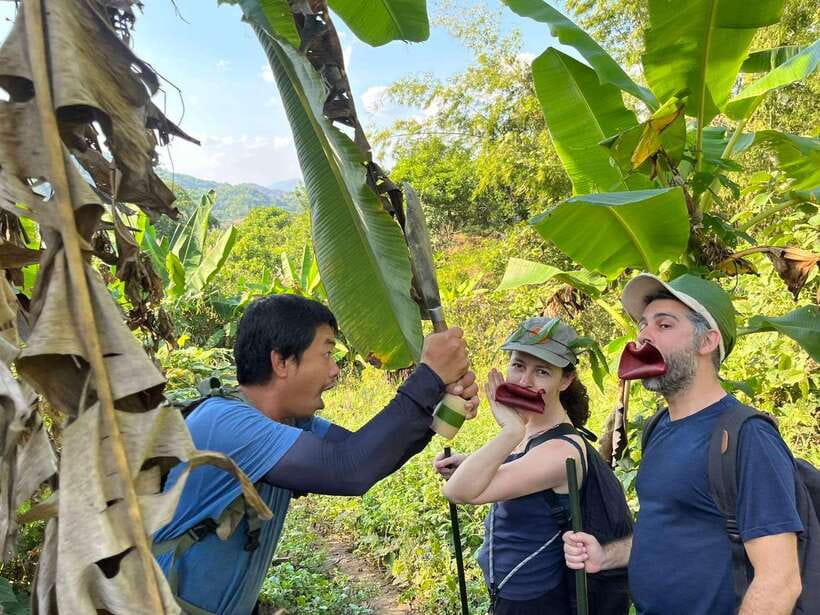
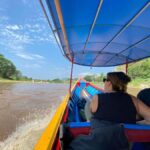
The day begins in Mueang Chiang Rai District, with hotel pickup and drop-off for people staying in the city area. You’ll also be met if you’re coming from the airport, since the operator lists airport pickup as part of their service. Then it’s a short ride (about 40 minutes by jeep/SUV) before the walking starts.
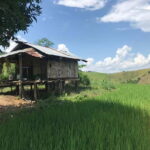
Right away, you’re trading cars for the sounds of the forest. The route starts from the hot springs area and quickly shifts into bamboo forest paths. This matters because it sets expectations: you’re not just walking through one pretty patch—you’re moving through a working rural landscape.
What I found reassuring is that the walk isn’t nonstop. There are rest stops, and the guides pace you so most people with normal hiking ability can keep going. Still, if you know you get motion problems or you struggle with uneven footing, this one may be hard work.
You can also read our reviews of more tours and experiences in Chiang Rai.
Trekking Through Bamboo Forests and Community Farmland
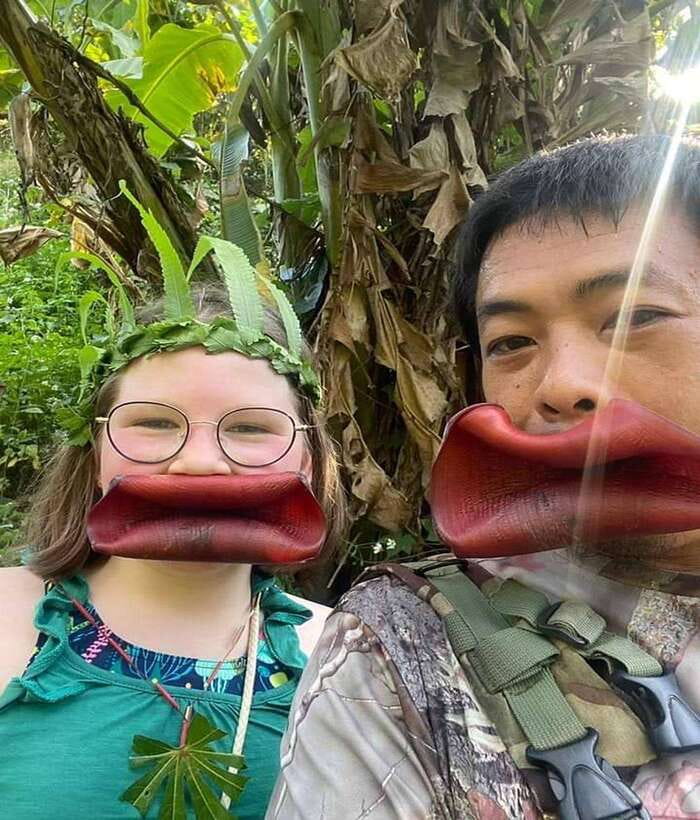
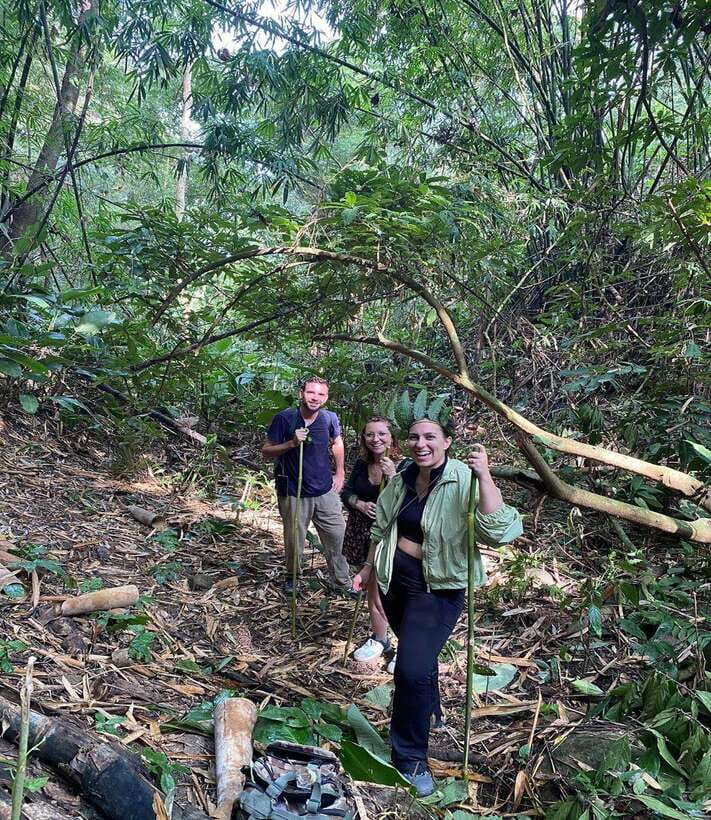
After the first stretch out of the hot springs, you pass through bamboo forests and community farmland. Think of this as the “how people live right now” part of the day—less stage-managed, more everyday.
One practical upside: since you’re walking through mixed terrain (forest paths plus farmland edges), you get variety in footing and scenery. That breaks up the monotony that can happen on long hikes.
The trade-off is that you need proper shoes. Reviews and route notes point to steep, rocky sections and slippery spots. If you only have sandals or thin sneakers, you’ll probably feel it in your ankles before you reach the waterfall.
Lahu and Akha Hill Tribe Villages: What You’re Really Seeing
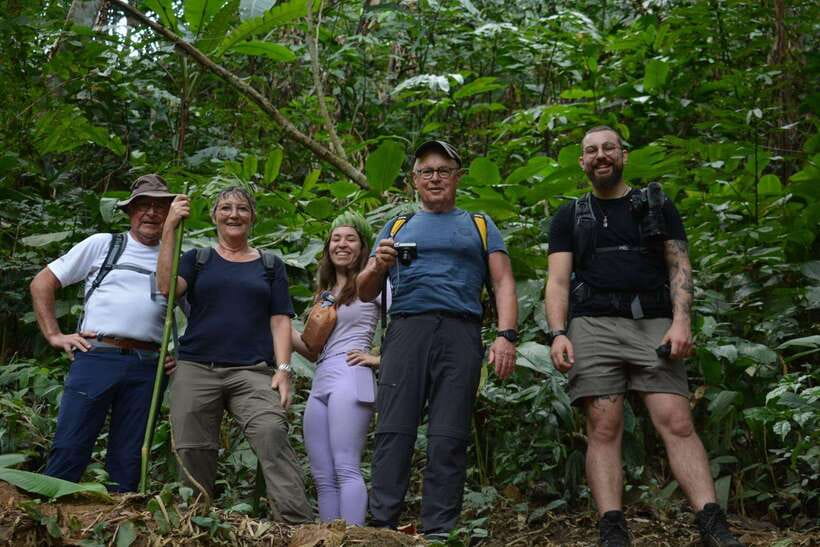
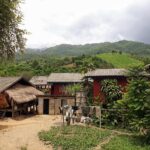
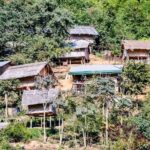
The heart of this trek is cultural, not just scenic. You walk to Lahu and Akha hill tribe villages to see their lifestyle up close. The route is built so village visits happen before the bigger nature payoff at the waterfall.
Here’s why I think this portion is valuable for you: you’re not sitting in one spot watching a performance. You’re moving through the community space as part of the journey, which encourages respectful curiosity. If your idea of travel includes learning how people organize daily life—food, home routines, local skills—this stop connects the dots.
It also helps that the guides are active during the walk, not just during the village pause. People mention guides pointing out plants and herbs and sharing practical ways to find and understand resources in the forest. Guides like Thor and Addie/Addy (spelling varies by booking) come up repeatedly for keeping the day funny and informative.
A consideration: village time can’t last forever if the day includes hiking and the waterfall swim. If you prefer a slower cultural visit, you’ll want to treat this as a taste—worth it, but not an all-day immersion.
Huai Kaew Waterfall Swimming and Relaxing
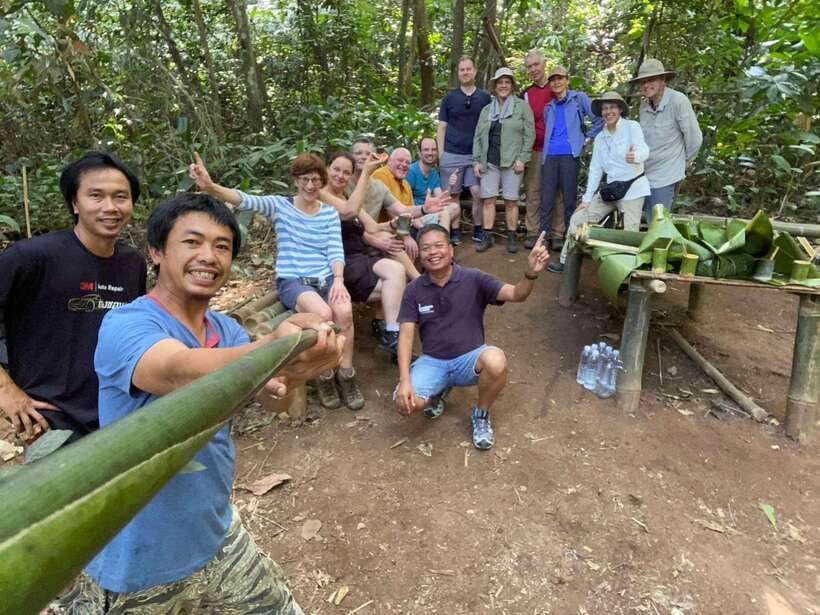
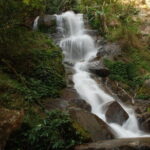
Next comes the big nature moment: Huai Kaew Waterfall, described as the second largest waterfall in Chiang Rai Province. You reach it after walking from the village area, and then you get time to swim and relax.
This is the moment where the earlier hiking pays off. You go from hot forest air and sandy trail to cool water, and the change of pace helps you reset. If you’ve been sweating through trekking, a swim spot is more than a reward—it’s cooling down your body.
Do bring swimwear. It’s explicitly recommended for the tour, and it’s not a “maybe.” You’ll also likely want a towel and a dry layer if you run cold after swimming, since the rest of the day still includes walking.
One small caution: not every person rates the hot springs stop at the end equally. Some feedback says it can feel more like warm springs in a cement basin rather than something resort-like. That doesn’t affect the waterfall, which is the main water moment most people look forward to.
Bamboo Lunch: Making Food With Handmade Containers
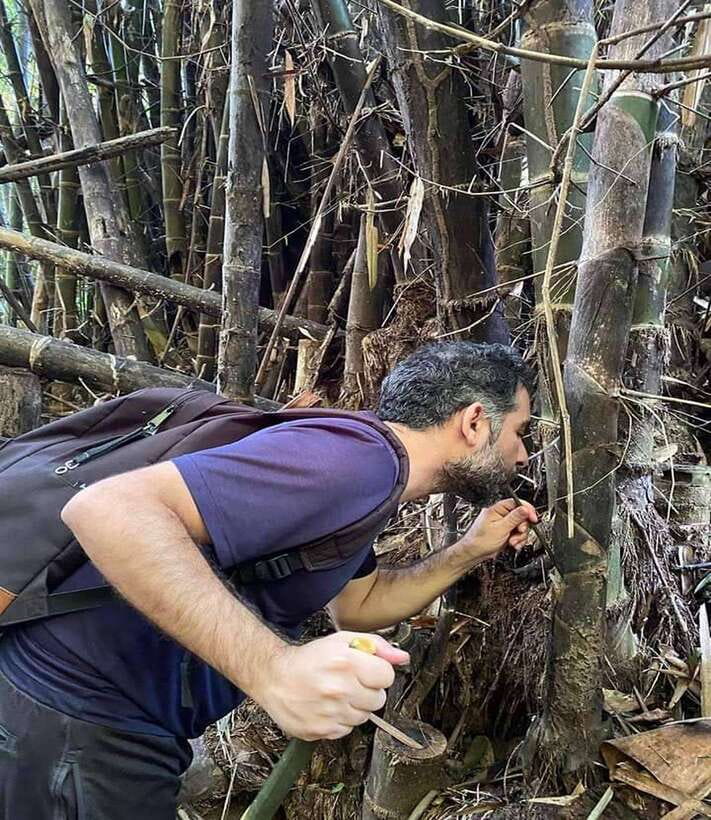
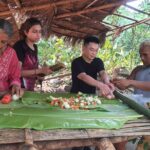
After the waterfall time, you shift into the food experience. This is one of the most praised parts of the day: making bamboo lunch with handmade bamboo containers.
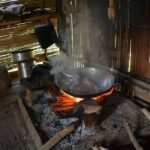
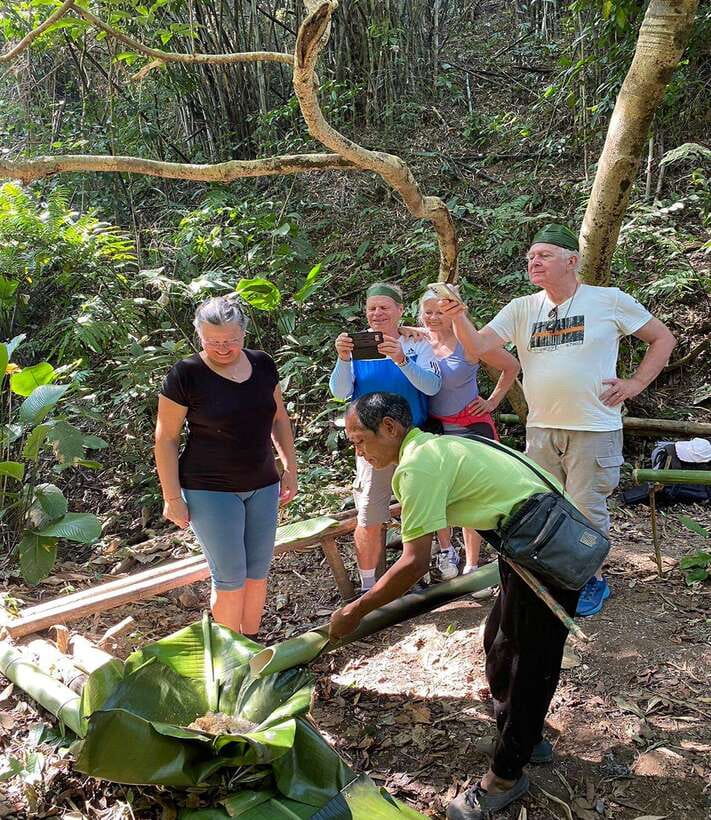
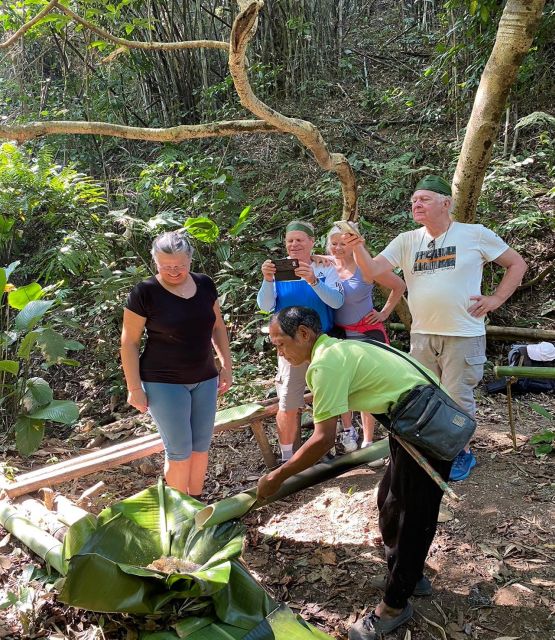
What’s cool here is the process. You’re not only getting served lunch—you’re participating in bamboo cooking. Bamboo trunks are used like kitchen tools, and the meal is cooked over an open setup the guides manage during the trek. A roasted pork dish on a spit, plus soup and egg dishes, gets mentioned in feedback, which tells me the menu isn’t just snack-level.
You’ll also hear stories from your guides while you eat and cook. In multiple accounts, Thor and other guides keep their hands busy too—whittling bamboo, making small items from leaves, and generally adding a “craft” energy to the pauses. Even if you’re not a hands-on person, it helps you feel like you’re in the rhythm of the day, not watching from the sidelines.
If you’re planning around dietary needs, the tour description doesn’t list special meals. So if you have serious allergies or strict diet rules, you should ask the operator before booking. For most people, this meal is part of the charm.
Chinese Village and Tea Plantation Walking Stretches
Later in the day, you continue walking toward a Chinese village and pass through tea plantation areas before returning. This is a practical way to round out the region: you get hill tribe culture, then you see other rural community patterns and plantation landscapes.
It’s also a change of pace from the forest. Tea and farmland areas often feel more open, which gives your legs a break from constant steep footing. You might still have some uneven ground, but the visuals tend to lighten up.
Keep your expectations realistic: this is walking-through territory. You’re not taking a tram ride through a tea estate. You’re on foot as part of the day’s route.
Pace, Fitness, and Your Best Gear Setup
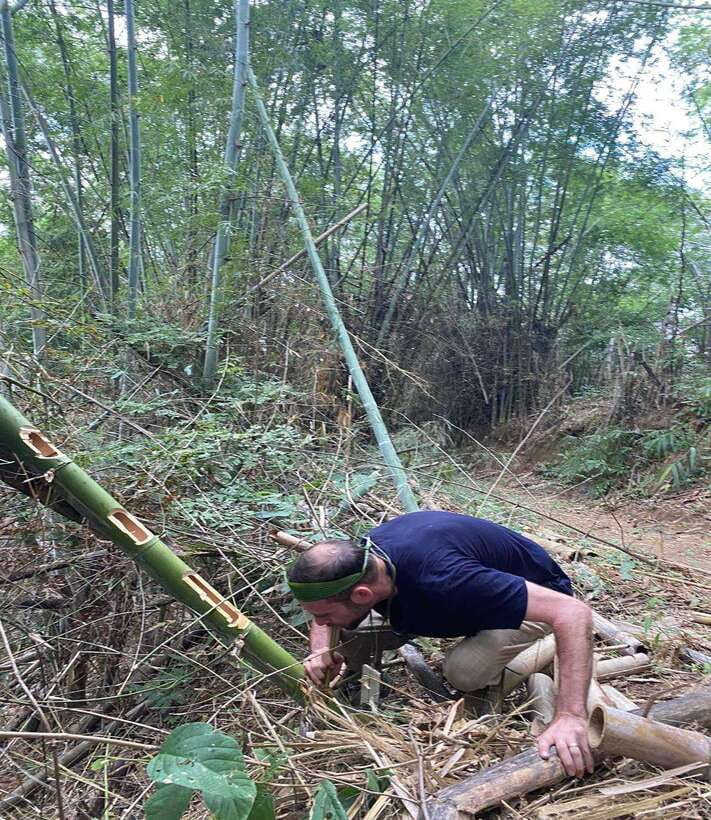
This tour totals about 5 hours of walking. That’s a real hike time, even if there are rests and water breaks. The day also includes transitions: jeep ride to the start area, village stops, the waterfall swim and relax time, and then return travel to Mueang Chiang Rai District.
Your best gear is simple:
- Hiking shoes with grip (trail can be rocky and slippery)
- Swimwear for Huai Kaew Waterfall
- Biodegradable insect repellent (mosquito repellent is not included)
- Water is provided, but you can bring your own energy drinks since those are not included
If you’re thinking about comfort, plan for heat and humidity. Several guide comments mention keeping morale up through the hot stretches, and that matches the reality of a forest trek in northern Thailand.
Also check the tour’s limits. It’s not suitable for babies under 1 year, and the information states it’s not for people over 95 years. The tour doesn’t allow baby carriages or electric wheelchairs, so if mobility is an issue, this may not be the right fit.
Price and Value: Is $57 Worth a Walk-Only Day?
At $57 per person, you’re paying for far more than a drive to a waterfall. You get transportation, an English/Thai guide, insurance, and water. You also get the bamboo cooking activity itself, which is usually the “hidden value” in a lot of tours—here it’s clearly built into the experience.
You’re also paying for route intelligence: guides help you find the right paths and the right spots, especially in areas where a wrong turn turns into a dead end or a muddy mess. Multiple guides are praised for high energy, humor, and keeping everyone cared for, including one account mentioning quick help when someone felt unwell.
If you’re the kind of traveler who likes to do things instead of just look—hiking, cooking, swimming, and talking with people—this price is in a sweet spot. If your main goal is lounging in a resort-like setting, you might feel the value is off because you’ll still be walking for hours.
The Hot Springs End-Stop: Manage Your Expectations
The walk starts from hot springs, and the day ends with more warm-springs time. Here’s the honest angle: one review described the hot springs at the end as more like warm springs in a cement basin, and another noted the hot pool was under construction.
So treat the hot springs portion as a bonus, not the main event. Your main highlight should be the waterfall swim and the bamboo cooking lunch. If the hot springs are underwhelming one day, at least you’ll still have the big natural and cultural moments.
Should You Book This Chiang Rai Forest Trek?
Book this trek if you want a walk-only day that mixes nature, culture, and hands-on food. You’ll likely love it if you’re comfortable with uneven ground and you enjoy meeting rural communities—especially when guides like Addie/Addy, June, and Thor bring humor and plant-and-forest explanations into the journey.
Skip it or consider an easier alternative if you have mobility limits, get nervous on steep rocky trails, or you’re sensitive to motion and slippery footing. Also, if you want a long, slow cultural visit, remember this route includes multiple stops packed into one day.
My take: for $57, this is strong value because you’re not only seeing Chiang Rai—you’re cooking with bamboo, swimming at Huai Kaew, and walking through village life as part of the day’s rhythm.
FAQ
How long is the trekking day, and how much of it is walking?
The tour is 1 day, and the total walking time is approximately 5 hours.
What does the $57 price include?
It includes hotel pickup and drop-off in the Chiang Rai city area, transportation, a tour guide, bamboo cooking, water, and insurance.
Where do you get picked up?
Pickup is included from hotels in Mueang Chiang Rai District. The tour info also lists pickup service at the hotel and airport.
What languages are the guides?
The live tour guide speaks English and Thai.
Do I need swimwear?
Yes. You’ll have time to swim and relax at Huai Kaew Waterfall, and swimwear is specifically recommended.
Is mosquito repellent included?
No. Mosquito repellent is not included, and you’re advised to bring biodegradable insect repellent.
Is the tour suitable for infants or very elderly travelers?
It’s not suitable for babies under 1 year, and it states it’s not suitable for people over 95 years.