REVIEW · ANNAPURNA MASSIF
Pokhara: 2-Days Beautiful Poon Hill Trek with Sunrise View
Book on GetYourGuide →Operated by Welcome Nepal Treks P.Ltd · Bookable on GetYourGuide
Poon Hill sunrise is hard to beat. This short Annapurna trek is interesting because you get big Himalayan payoff fast: you’ll do an early-morning hike to a classic viewpoint, with sunrise colors and mountain layers spreading out in all directions. I love that it’s a manageable 2-day format with an overnight mountain cottage, and I also love the clarity of the viewpoint math, including the chance to spot the 12 peaks of Bhara Shikhar on clear days. The main drawback: it can feel harder than people expect thanks to lots of steps and the altitude, plus the jeep ride getting up there can be bumpy.
You’ll start from Pokhara and head by private 4-wheel vehicle toward Upper Ulleri (about 2–4 hours depending on traffic, season, and photo/view stops). From there it’s the real trek on foot through Gurung villages and lodge-style stops, reaching Ghorepani for the night. The next day is a pre-dawn climb of about 45–60 minutes to Poon Hill at 3,210 meters, then a downhill back to your transport and drop-off in Pokhara.
This trek is best for people with a regular fitness base and comfortable walking on uneven stone steps. It’s not suitable for pregnant women or anyone with mobility impairments, and I’d treat trekking poles as optional but seriously helpful. The guides make the pace easier too—names I saw come up include Dhanapati, Tanka, Shiva, Padam, and Jogan, and several guides were praised for adjusting to your needs.
In This Review
- Key things that make this trek worth planning
- Getting from Pokhara up to Upper Ulleri by private jeep
- Day 1: Ulleri village walking, then into Ghorepani’s lodge-country
- How the mountain cottage night actually helps your sunrise plan
- Poon Hill at 3,210 meters: the pre-dawn hike, the views, the payoff
- Permits, permits paperwork, and why that matters on a tight 2-day schedule
- Price and value: is $193 a good deal?
- What to pack so the hike feels easier (and safer)
- Who this 2-day Poon Hill trek fits best
- Should you book this 2-day Poon Hill sunrise trek?
- FAQ
- Where is the Poon Hill trek located?
- How long is the trek?
- Do I hike for sunrise at Poon Hill?
- How long is the sunrise hike to Poon Hill?
- What villages are on the Day 1 route?
- What altitude do you reach for the overnight?
- What about the mountain views—can I see lots of peaks?
- Are meals included?
- What’s included in the transport from Pokhara?
- Is a porter included?
- Final thoughts: the booking call
Key things that make this trek worth planning
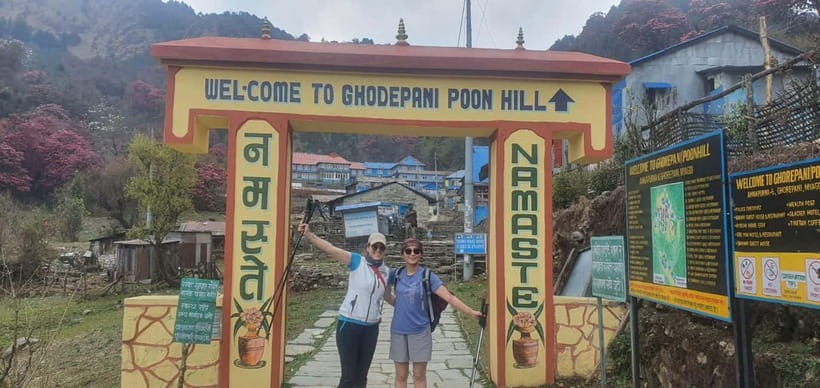
- Sunrise payoff from Poon Hill (3,210 m): a short pre-dawn hike for panoramic Himalayan views.
- Bhara Shikhar visibility: on clear days you can see up to 32 peaks, including the 12 Bhara Shikhar peaks.
- A true overnight in a mountain cottage: dinner, overnight, and a hot breakfast before you descend.
- Village-to-village walking in the Annapurna region: Banthanti, Nangithanti, Lower Ghorepani, and Ghorepani along the route.
- Private jeep from Pokhara: saves time and keeps the trek itself the focus, even if the road feels rough.
- Guides handle permits and timing: TIMS permit and conservation entry permits are taken care of.
Getting from Pokhara up to Upper Ulleri by private jeep
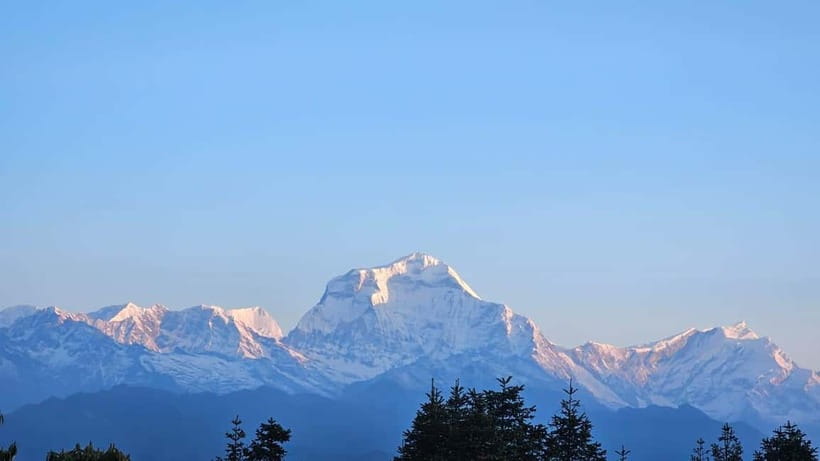
The first big value here is the ride. You’ll be picked up in Pokhara and transferred by private jeep (4-wheel off-roading) to Upper Ulleri, a Gurung village at 2,090 meters. Depending on road conditions and viewpoint stops, the drive takes about 2–4 hours—so you’re not wasting a half-day trying to figure out connections.
I like that the trek starts with structure: you get breakfast, then you move out with your guide and transport organized. That matters on short itineraries because every hour counts when you’re trying to catch morning light at Poon Hill.
One real consideration: multiple guide/driver experiences highlighted the jeep as bumpy. That’s normal for mountain roads, but it’s still something you’ll want to plan for. If you’re prone to motion sickness, bring what usually works for you. If you’re comfortable on rough roads, you’re likely to feel totally fine once the trek begins.
Day 1: Ulleri village walking, then into Ghorepani’s lodge-country
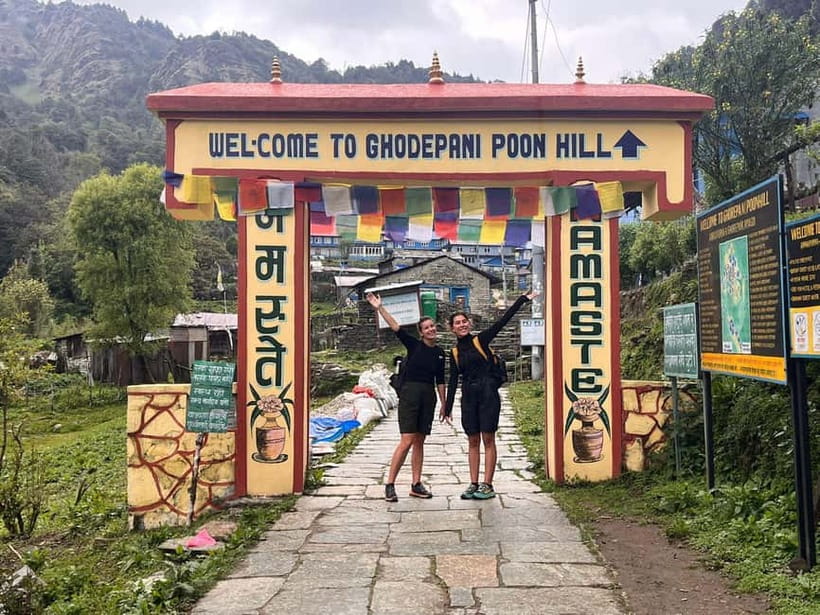
Day 1 is your “warm-up” trek and your immersion day. After reaching Upper Ulleri, you start the real hiking portion from the last station there. The route threads through small settlements like Banthanti, Nangithanti, and Lower Ghorepani. Even though this is called an easy trek, you’re still climbing—so think of it as gentle in distance, not gentle in effort.
Along the way, lunch is typically taken in either Banthanti or Nangithanti. That choice is practical: it breaks the day into manageable chunks and lets you avoid hiking right through meal time. Once you press on, the day’s goal is Ghorepani camp at 2,860 meters.
What I like about ending at Ghorepani is that it sets you up for an early sunrise push. You’re not trekking a long distance after a full day already exhausted. Instead, you settle in, eat, and rest in mountain settings where you can actually feel the temperature shift.
How the mountain cottage night actually helps your sunrise plan
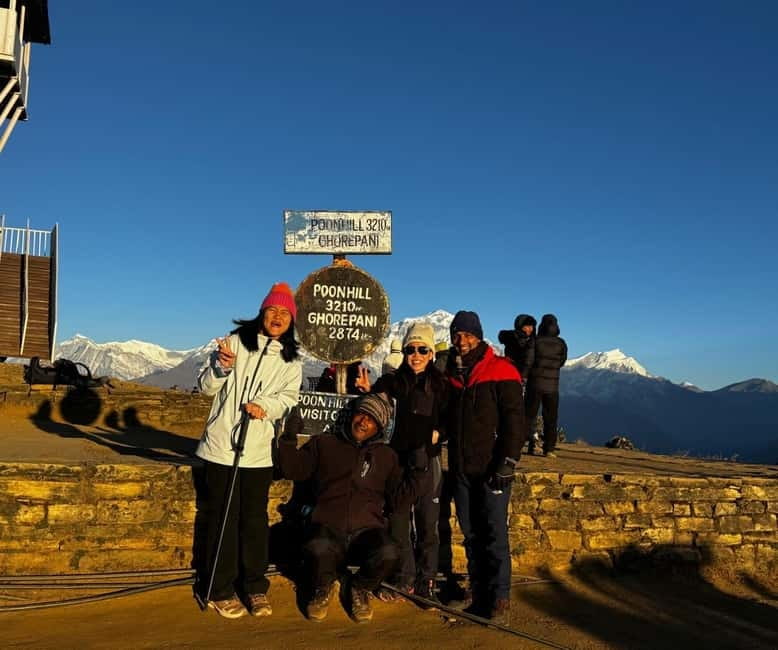
This trek is short because it’s built around one overnight, and that overnight is not just a sleep stop. You’ll have dinner and accommodation in a cottage at Ghorepani. Then you’ll get a hot breakfast before the sunrise hike on Day 2.
The best part is mental: you’re not rushing logistics at night. A cottage stay is simple, but it gives you a predictable routine. You eat, you warm up, you prepare for an early start, and you know exactly when you’ll head out.
A couple of details that stood out from real experiences: good food and warm drinks came up often, with tea available along the way. One stay also mentioned rooms with attached bathrooms, but the tour description only promises accommodation, not a specific bathroom setup—so I’d treat attached bathrooms as a nice possibility, not a guarantee.
Also, the trek includes a water purification tab. That’s a helpful baseline. Bring your own water bottle or hydration pack so you can actually use it without hunting for extra supplies.
Poon Hill at 3,210 meters: the pre-dawn hike, the views, the payoff
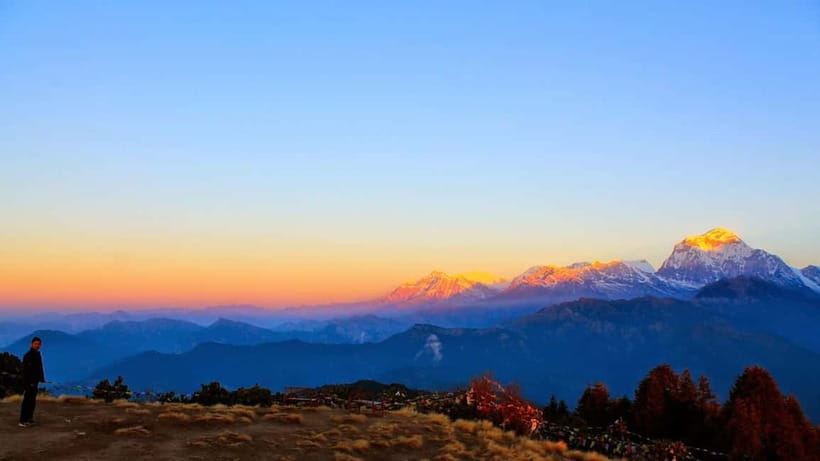
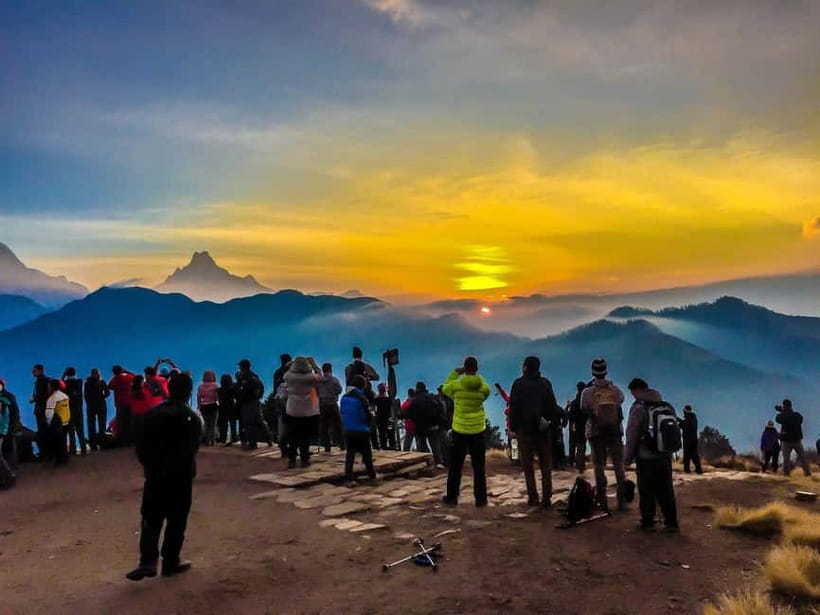
On Day 2, you hike before sunrise—about 45–60 minutes up to Poon Hill at 3,210 meters. This is the moment most people are paying for, and it’s short enough that you don’t need a week of training to enjoy it.
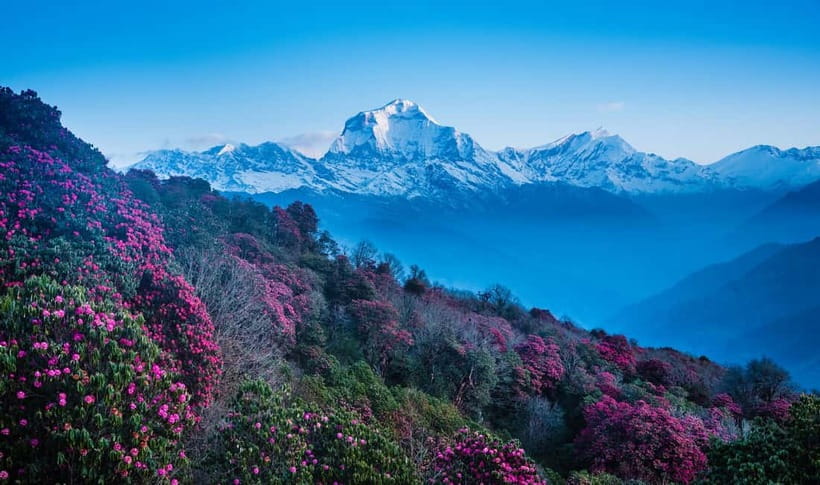
The climb is timed to catch changing light and color across the Himalayan range. On clear days, the view can extend to up to 32 peaks. The headline highlight is the chance to spot the 12 peaks of Bhara Shikhar. That’s a fun detail because it’s not just one mountain in the frame—it’s a whole cluster you can learn to identify while the sky brightens.
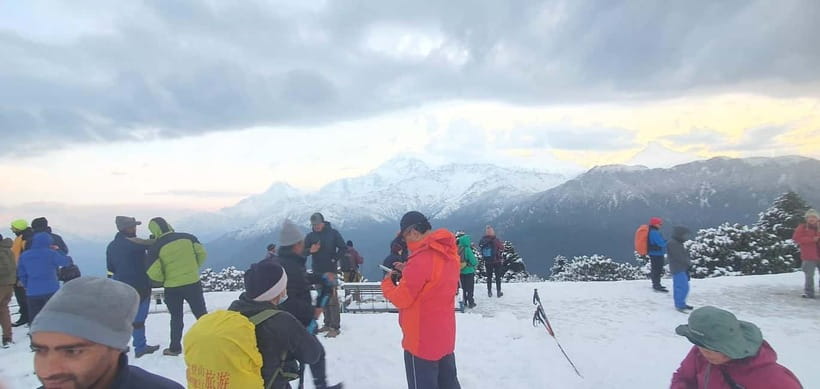
Practical tip: bring layers. The air at altitude gets cooler, especially early morning. Also, if steps are a lot for you, trekking poles can genuinely reduce strain. One experience called out that the trek was labeled easy, but the sheer number of steps made poles feel like a smart decision. I agree with that logic for your joints.
Once you’ve seen the sunrise, you return to the camp for hot breakfast, then you hike down following the same trail back toward your transportation. The downhill is usually where you feel it most in your knees and quads—pace yourself and take short steps.
Permits, permits paperwork, and why that matters on a tight 2-day schedule
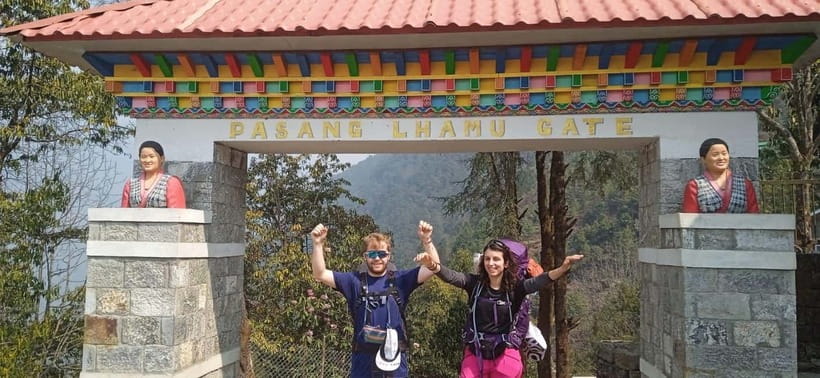
This is one of those trips where good administration quietly improves the whole experience. The package covers the necessary paperwork, including conservation entry permits and the TIMS permit. A guide also handles the day-by-day flow, so you’re not standing around figuring out what office is required and when.
It’s a big deal on a 2-day trek because you’re not getting extra buffer time. If something slips, you lose sunrise odds. Getting the permits handled in advance helps keep the timeline realistic.
You’ll also travel with an English-speaking trekking guide. In the feedback I saw, guides were praised not only for route knowledge but for being patient and adjustable with pacing. Names that came up included Dhanapati (kind and patient), Tanka (open to adjusting needs and pace), Shiva (ensured the hike felt pleasurable), Padam (explained mountains during the trip), and Jogan (solid knowledge and a nice, calm presence). Even if your guide is different, you can use those examples as a checklist: ask about pacing and what they recommend for sunrise timing.
Price and value: is $193 a good deal?
At $193 per person for 2 days, this trek prices itself as “short but complete.” The value isn’t only the view. It’s the bundle of stuff you’d otherwise have to manage:
- Private jeep transport between Pokhara and Ulleri (and back)
- Meals during the trek (breakfast, lunch, dinner)
- 1 night accommodation
- Professional trekking guide
- Water purification tab and a first-aid kit
- Permits and government taxes included
What’s not included is also clear: hot/cold/alcoholic drinks are extra, and travel insurance isn’t part of the price. That means you should budget for drinks and snacks beyond meals, especially if you like bottled water, soda, or hot drinks throughout the day.
There’s also an option detail worth noticing: porter and some meal inclusions may depend on whether you choose an all-inclusive or budget option. If you’re carrying a daypack only, you may not need a porter. If you’re bringing extra layers, camera gear, or you want to keep your legs fresher, choosing the porter option can pay off fast on a short itinerary.
Bottom line: for a 2-day trek that includes transport, guide, permits, and full meals, $193 looks like fair value—assuming you’re okay with stairs and the bumpy road component.
What to pack so the hike feels easier (and safer)
The tour provides practical guidance on what to bring, and it’s spot-on for this style of trek. You’ll want:
- Passport or ID card (required for permits)
- Comfortable shoes (plus hiking shoes if that’s your usual)
- A daypack (not a huge bag)
- Snacks (you’ll enjoy having something you like)
- Water
- Comfortable clothing for early cold mornings
If you’re thinking beyond the list: consider trekking poles if your knees don’t love step-heavy routes. A guide presence and pace help, but poles reduce the impact when you’re doing lots of steps.
Who this 2-day Poon Hill trek fits best
This trek is ideal if you want an Annapurna experience without committing to a longer trek. You’ll walk through villages, sleep in a mountain cottage, and earn a top-tier sunrise view—without spending a week on the trail.
It suits you if:
- You can hike 45–60 minutes uphill at altitude in the early morning
- You’re comfortable with steps and uneven paths
- You want a guided, structured trip with meals and transport handled
It’s not a match if:
- You’re pregnant
- You have mobility impairments
- You expect zero steps or fully flat ground
- You need very cushioned walking surfaces
Should you book this 2-day Poon Hill sunrise trek?
Book it if you want the classic Himalaya sunrise experience on a short timeline and you like the idea of being guided from Pokhara straight into the mountains. The combination of private jeep transfer, meals, permits handled for you, and a timed pre-dawn hike makes this a good choice for first-time trekkers who still want something genuinely memorable.
Skip it or reconsider if you’re highly sensitive to bumpy road rides, you don’t handle stairs well, or you’re not comfortable with altitude—even on a trek that’s marketed as easy. If that’s you, you might still enjoy Nepal, but I’d steer you toward a different plan with fewer step-heavy segments and more gradual elevation changes.
In short: if sunrise is your goal and you’re ready for steps, this 2-day Poon Hill trek is a strong bet for value and views.
FAQ
Where is the Poon Hill trek located?
It’s in Nepal’s Annapurna Region, with the activity based in the Pokhara area in the Western Region.
How long is the trek?
The trek runs for 2 days, with starting times that vary based on availability.
Do I hike for sunrise at Poon Hill?
Yes. On the second day you hike before sunrise to Poon Hill, at a height of 3,210 meters.
How long is the sunrise hike to Poon Hill?
The hike to Poon Hill takes about 45–60 minutes.
What villages are on the Day 1 route?
Day 1 includes passes through Banthanti, Nangithanti, and Lower Ghorepani.
What altitude do you reach for the overnight?
You reach Ghorepani camp at about 2,860 meters for dinner and overnight.
What about the mountain views—can I see lots of peaks?
On clear days, you can see up to 32 peaks, including the 12 peaks of Bhara Shikhar.
Are meals included?
Yes. The trek includes breakfast, lunch, and dinner during the walking days. The inclusion of meals beyond that may depend on the selected option.
What’s included in the transport from Pokhara?
You get hotel pickup and drop-off, plus roundtrip Jeep transfer between Pokhara and Ulleri.
Is a porter included?
A porter is included only if you select the all-inclusive option. In a budget option, a porter may not be included.
Final thoughts: the booking call
If you want a guided, efficient way to hit one of Nepal’s most famous sunrise viewpoints, this 2-day plan makes sense. Just go in knowing you’ll handle steps and cool early mornings, and you’ll come out with the kind of mountain view that feels worth every stair.