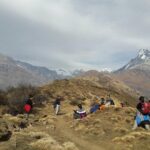
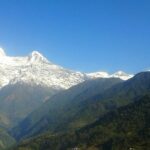
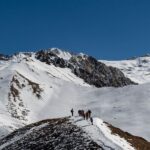
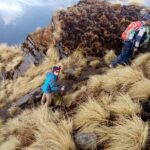
Short trek, big Himalayan payoff. This Mardi Himal trek near Pokhara focuses on Annapurna views without a weeks-long commitment, and on Day 3 you can choose between a Base Camp hike or a View Point detour depending on your energy.
My favorite part is how practical the plan feels for you: private transport from Lakeside Pokhara, licensed guidance, and a clear meal schedule during the trek. The main consideration is that this itinerary depends on good weather and expects moderate fitness, so bring a calm attitude if the sky doesn’t cooperate.
In This Review
- Key highlights from this Mardi Himal trek
- Why Mardi Himal feels like the smart short-trek option from Pokhara
- The 10:45 start, private transport, and how your days actually flow
- Day 1: Dhampus to your first camp stop (the warm-up hike)
- Day 2: From Forest Camp to High Camp via Low Camp views
- Day 3: Mardi Himal Base Camp or View Point—pick the experience you want
- Day 4: Descending to Landruk and looking at life, farms, and mountains
- Day 5: Landruk to Siwai, then back to Lakeside Pokhara
- Price and value: what $399 buys you (and what it doesn’t)
- What you get included: meals, fruits, tents, and the human support
- What to bring: the equipment gap you’re responsible for
- Weather and fitness: the two things that can make or break your plan
- Who should book this Mardi Himal trek (and who might want a longer one)
- Should you book this 5-day Mardi Himal trek?
- FAQ
- What’s the meeting point and start time?
- How long is the Mardi Himal trek?
- Is this trek private?
- What’s included in the $399 price?
- Are meals included?
- Do I need to bring trekking equipment?
- Where does the trek start and end?
- What happens if the weather is bad?
Key highlights from this Mardi Himal trek
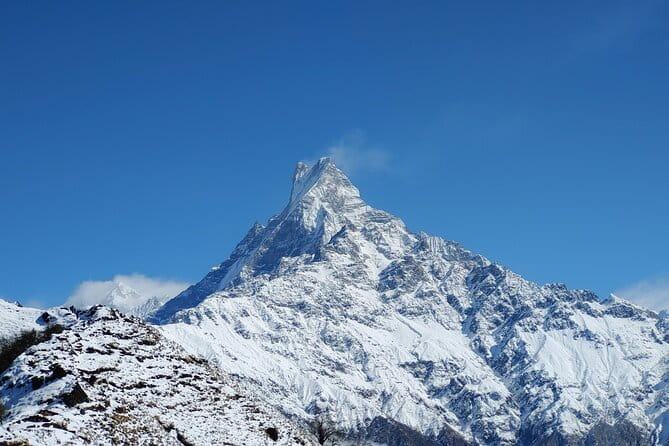
- Choice on Day 3: Mardi Himal Base Camp or Mardi Himal View Point, based on what you want most
- Support built into the group setup: private activity plus 2 guests = 1 porter
- Hotel-to-trail convenience: pick-up from Lakeside Pokhara and drop-back at the end
- Meals are mostly handled: 5 breakfasts, 4 lunches, 4 dinners, plus seasonal fruits after dinner
- A guide-led route with real local expertise: names you may hear include Jayaram (organizer), Lama, and Navaraj Nepal
- Paper-lite experience: mobile ticket to keep things simple
Why Mardi Himal feels like the smart short-trek option from Pokhara
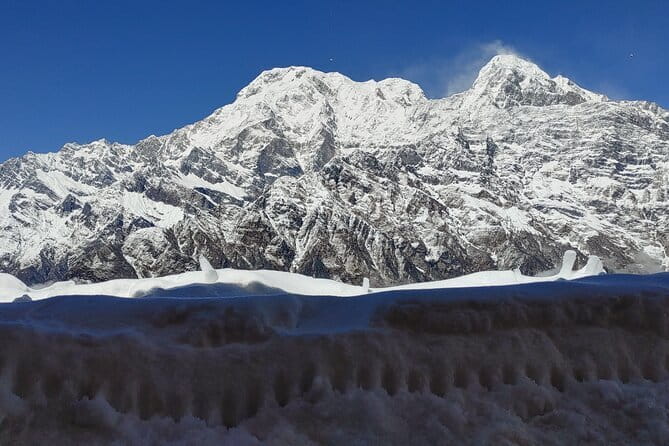
Mardi Himal is the kind of trek that fits real schedules. You’re not signing up for a long, drawn-out campaign. Instead, you get a compact 4-night rhythm that still delivers classic Himalayan scenes around the Annapurna range.
You’ll also like that Day 3 isn’t one-size-fits-all. If you want the extra effort, you can push toward Mardi Himal Base Camp. If you’d rather bank your energy for views and photos, you can aim for the Mardi Himal View Point.
And because this starts in Pokhara and ends back in Pokhara, the logistics feel easier than treks that force you into complicated transfers. The meeting point is Lakeside Pokhara 33700, and the start time is 10:45 am.
You can also read our reviews of more tours and experiences in Pokhara.
The 10:45 start, private transport, and how your days actually flow
This trek runs as a private activity, meaning only your group participates. That matters because it usually keeps things more flexible than bigger group treks, especially when timing gets affected by daylight or trail conditions.
The day starts with hotel pickup and a drive. On Day 1, you’ll be taken to Dhampus, a drive of about one hour. In practical terms, that means you’re not spending the morning hunting down a bus or figuring out how to get to the trailhead.
Expect a standard trekking-day pattern: walk time around 7 hours on the itinerary days, with camps and villages breaking the day into manageable chunks. Also note this is a “moderate physical fitness” type of plan. So you don’t need to be an athlete, but you should be ready for uphill and downhill travel over multiple days.
Day 1: Dhampus to your first camp stop (the warm-up hike)
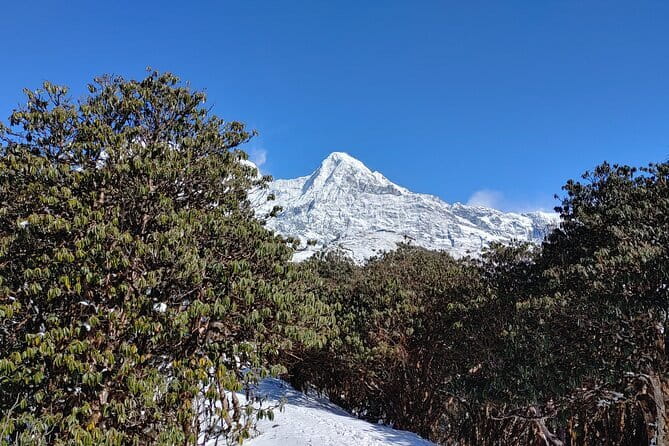
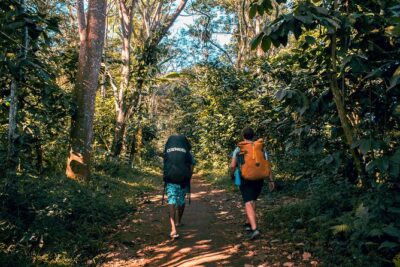
Day 1 begins with the transfer from Pokhara to Dhampus (about one hour). Dhampus is where your trek really starts, so think of this as your first “get into trekking mode” day.
Even though the itinerary details for Day 1 are brief, the shape of the day is clear: you’ll hike for roughly 7 hours, and you’ll settle in for the first overnight as you work your way toward the higher camps later in the trek.
What I like about starting here is that it’s a gradual way to transition from city time into mountain time. Your guide and porter are already in motion with you, and you’re not forced to do an intense Day 1 all at once.
A potential consideration: because the itinerary is short, the days pack walking hours into each one. If you’re new to multi-day treks, you’ll want to keep your pace steady and not try to “win the day” on Day 1.
Day 2: From Forest Camp to High Camp via Low Camp views
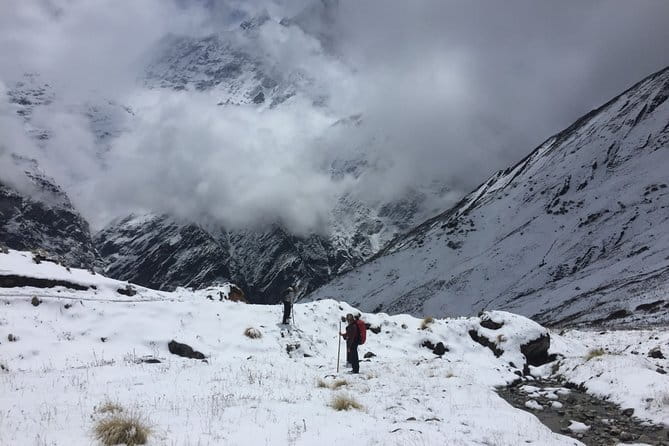
Day 2 is a classic “higher, better views” progression. You’ll trek from Forest Camp to High Camp, with a stop at Low Camp along the way.
This matters because Low Camp isn’t just a stretch break. It’s where you get views that can make the uphill feel worth it. The itinerary specifically calls out breathtaking views at Low Camp, which tells you this day is designed for both hiking and rewarding scenery.
Then you’ll continue on toward High Camp. High Camp is one of those mental milestones on the route. You’re building altitude gradually, and by the time you reach the higher spot, you’re set up for the big decision day coming next.
Practical tip: on a day like this, it’s smart to eat and drink early rather than trying to “save it for later.” The trekking schedule is structured, and your energy will work better when you follow the rhythm instead of fighting it.
Day 3: Mardi Himal Base Camp or View Point—pick the experience you want
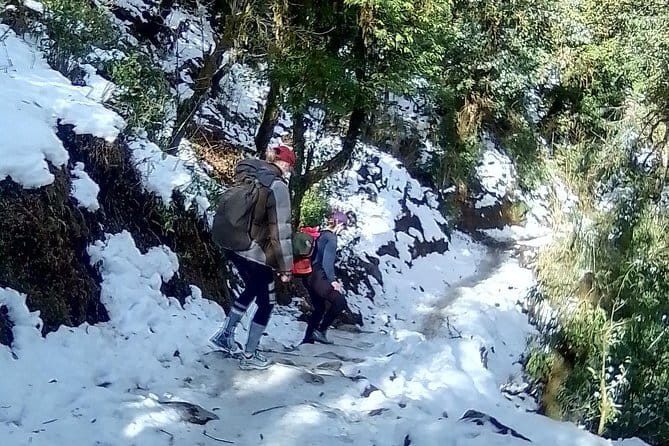
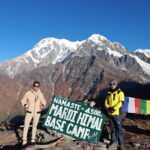
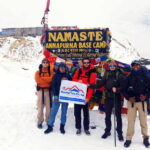
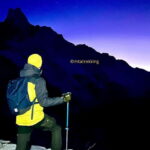
Day 3 is the star. You’ll hike toward either Mardi Himal Base Camp or Mardi Himal View Point, depending on your preference.
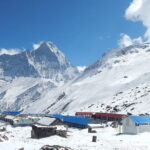
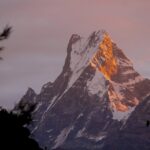
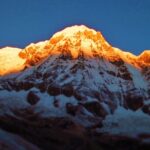
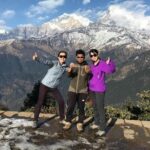
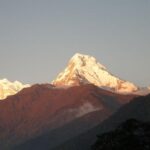
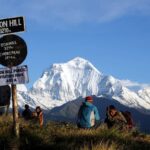
The itinerary highlights sweeping sights along the way—Fishtail, Annapurna, and Hiunchuli. And that’s not just vague postcard stuff. This is the type of day where the sky and the angle matter, and getting to the right place at the right time can change everything.
If you choose Mardi Himal Base Camp, you’re opting for a longer, more effort-driven approach. If you choose the View Point, you’re opting for a more time-efficient payoff—still dramatic, but with a different pacing.
In the reviews tied to this trek, the guides and organization were repeatedly praised. Names you might see from past hikers include Lama (described as professional and very comfortable to hike with) and Navaraj Nepal (mentioned for picking travelers up directly so the hike could start right away). That kind of support is useful here, because Day 3 is when you’re most likely to question your pace. A good guide helps you keep the plan aligned with weather, energy, and visibility.
Day 4: Descending to Landruk and looking at life, farms, and mountains
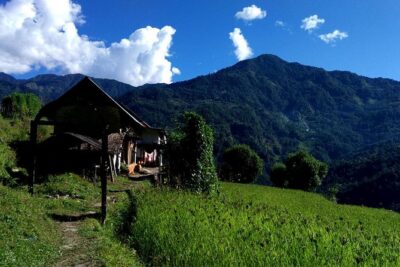
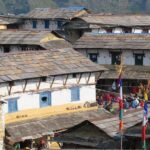
On Day 4, you descend to the mountain village of Landruk. The itinerary calls Landruk picturesque for a reason: you get views of local houses and farmlands, plus everyday lifestyle scenes from the village.
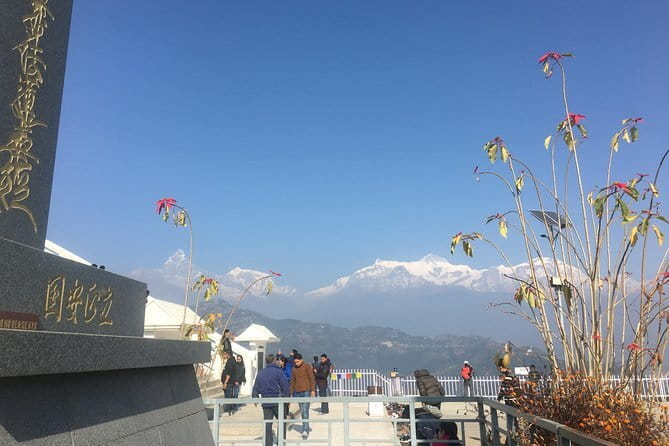
This day is often a mental reset. Instead of pushing upward, you’re moving down and letting your body recover while still staying surrounded by mountain views. The itinerary specifically points out views of Annapurna South and Hiunchuli from the Landruk area.
It also gives you a reminder that this trek isn’t only about summits. It’s about people, trail life, and the way the mountains shape daily routines. If you like your trekking with a human-scale payoff, Landruk delivers.
One practical note: downhill trekking can be tough on knees and ankles even when you feel “less altitude.” If you’re prone to sore joints, take your time on Day 4 rather than trying to rush.
Day 5: Landruk to Siwai, then back to Lakeside Pokhara
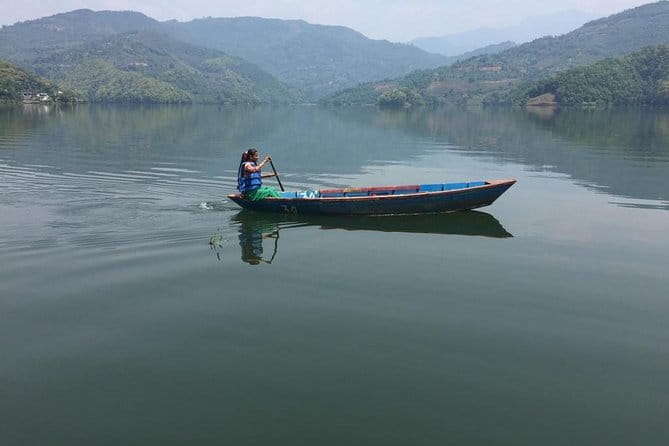
Your final day is a short finish: a trek from Landruk to Siwai that takes about one and a half hours. Then your Mardi Himal trek ends back in Pokhara, with a drop-off to your hotel.
This is a nice way to close out the experience. Instead of a full last day of hiking, you get a lighter walk that helps you transition from trail mode back to normal life.
If you’re planning evening plans back in town, Day 5 is your easiest day to schedule something. Still, keep a little slack in your plan. Weather and trail pace can affect timing, especially on the days before.
Price and value: what $399 buys you (and what it doesn’t)
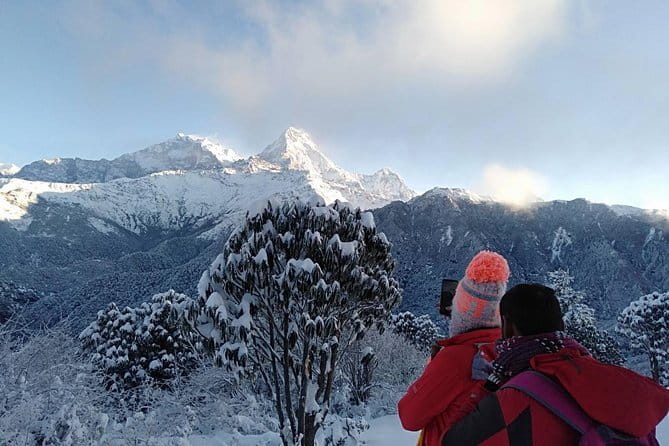
At $399 for roughly 5 days, this trek is positioned as a value-forward, short-trek option from Pokhara.
Here’s the value logic I’d use if I were booking for you:
- You’re paying for a licensed experienced guide, not just a random on-the-trail escort.
- You’re getting private transportation between Pokhara and the trailhead, plus hotel pickup/drop.
- You’re getting trekking-day meals and double occupancy accommodation during the trek, which removes a lot of guesswork.
- You’re getting a realistic support ratio: 2 guests = 1 porter, so you’re not carrying everything yourself.
What’s not included matters too. Personal trekking equipment is not provided, and that’s a common surprise. Also, meals and accommodation in Kathmandu or Pokhara outside the trek aren’t included—so you’ll want to budget for your full “pre and post” stay.
Also, battery charges, laundry service, phone calls, and showers aren’t included. Those are normal add-ons on the trail, but they can add up if you plan to rely on them.
In short: if you show up with your own gear and plan your town stay around what’s included, $399 can feel fair for a guided, supported trek with transport and most meals covered.
What you get included: meals, fruits, tents, and the human support
Included in your trek package:
- Government licensed experienced guide
- Porter support with a 2 guest = 1 porter structure
- Private transportation
- All fees and taxes
- Every trekking day seasonal fruits after Dinner
- Double occupancy accommodation during trekking
- Meals: 5 breakfasts, 4 lunches, 4 dinners
That meal plan is more important than it sounds. On a short trek, you’ll feel better if each day is predictable. You won’t have to negotiate food options while you’re tired. And the seasonal fruits after dinner are a nice touch that gives you a little reward at the end of the day.
The accommodation being double occupancy means you should plan to share space unless you arrange something different outside this package. If you’re very sensitive to sleeping conditions, it’s worth preparing for simple trek accommodations rather than expecting hotel-level comfort.
What to bring: the equipment gap you’re responsible for
The package doesn’t include personal trekking equipment. That’s the biggest “you handle this” item.
Since the data doesn’t list exact gear, you’ll need to plan based on your own standard trekking kit. At minimum, think in terms of proper hiking footwear, layers for changing weather, and rain protection. This trek requires good weather overall, but conditions can still shift day to day.
Also plan for the extras not included: battery charging and laundry service aren’t part of the package, and showers aren’t included either. If those matter to your routine, you’ll need to budget for them.
And tipping is expected for the guide and porter. The guide-and-porter part of this trek is a key value piece, so set aside a tip amount you’re comfortable with before you go.
Weather and fitness: the two things that can make or break your plan
This trek requires good weather. That’s not a small detail. It directly affects visibility of the Annapurna range, and it can impact whether the schedule runs as planned.
This also ties to the Day 3 decision between Base Camp and View Point. If visibility is reduced, you may choose the option that matches your energy and the conditions that day.
On fitness: the itinerary calls for moderate physical fitness. That’s a real filter. If you rarely walk stairs or don’t get out for longer hikes, you may find the 7-hour days demanding. You don’t need to train like a mountain guide, but you do want a base level of stamina.
Who should book this Mardi Himal trek (and who might want a longer one)
This is a strong fit if you want:
- A short trek from Pokhara that still delivers big scenery
- A guide-led experience with porter support
- A flexible Day 3 that lets you choose Base Camp vs View Point
It’s also a good match if you appreciate organization and clear planning. In the reviews connected to this trek, people emphasized responsive communication from the organizer Jayaram, plus professional guides like Lama and Navaraj Nepal, and a calm porter presence (including Suresh) that helped everyone feel settled and safe.
You might consider a different trek if:
- You need a fully non-strenuous experience. This one is built around walking days.
- You’re traveling with limited flexibility around weather, since the trek does require decent conditions.
Should you book this 5-day Mardi Himal trek?
I’d book this trek if you want a short, well-supported route with real payoffs in views and a practical schedule that keeps your planning simple. The combination of private transport, a licensed guide, 2 guests = 1 porter, and a meal plan during the trek adds up to value for the price.
Before you book, do two things: pack for a weather-dependent trek, and be honest about your walking stamina for 7-hour hiking days. If you do those, Mardi Himal is the kind of trip that can feel big, even though the calendar isn’t.
If you want, tell me your hiking background and your preferred pace, and I’ll help you decide whether you’ll likely enjoy Day 3 Base Camp effort or the View Point option more.
FAQ
What’s the meeting point and start time?
The trek meets at Lakeside Pokhara 33700, Nepal. The start time is 10:45 am.
How long is the Mardi Himal trek?
It’s about 5 days (approximately 4 nights and 5 days), finishing back in Pokhara.
Is this trek private?
Yes. It’s listed as a private tour/activity, so only your group will participate.
What’s included in the $399 price?
The price includes a licensed experienced guide, porter support (2 guests = 1 porter), private transportation, all fees and taxes, seasonal fruits after dinner, double occupancy accommodation during trekking, and meals during the trek.
Are meals included?
Yes. You’ll get 5 breakfasts, 4 lunches, and 4 dinners during the trek.
Do I need to bring trekking equipment?
Yes. Personal trekking equipment is not included.
Where does the trek start and end?
It starts at Lakeside Pokhara 33700 and ends back in Pokhara at your hotel.
What happens if the weather is bad?
The trek requires good weather. If it’s canceled due to poor weather, you’ll be offered a different date or a full refund.