REVIEW · RISHIKESH
Bhadraj Forest Trek
Book on Viator →Operated by TrailHikers · Bookable on Viator
Clouds End sets the tone fast. This full-day trek from Clouds End to Bhadraj Hill mixes village walking, forest paths, and big panorama moments, with a summit picnic lunch included.
I like that the trail starts as an easy nature walk with dramatic limestone cliffs on one side and Chhaskhet on the other, then opens up toward the Doon Valley as you pass Bulyat village. I also like the all-in plan: snacks, bottled water, forest trekking permits, plus a summit lunch that turns the top into a real break, not just a quick photo stop. One drawback to keep in mind: the day runs on a flexible schedule based on weather and fitness, and a bad booking report mentioned a temple stop that didn’t match what they expected—so it’s smart to confirm the exact goal for your day.
In This Review
- What Makes This Trek Worth Your Time
- Entering The Trail at Clouds End Forest Resort (Meet at 9:30am)
- Chhaskhet and Limestone Cliffs to Bulyat Village (About the First 2 km)
- The Forest Pull Toward Dudhli and the 11am Juice Break
- Climbing to Bhadraj Hill and Earning the Top Views
- What You Actually Get Included (Snacks, Water, Permits, and Lunch)
- Transfers and Getting There: The One Place You Should Plan Yourself
- Pace, Weather, and the Reality of a 9:30 to 4:30 Trek
- Price and Value: What $50 Really Buys You
- Who This Trek Suits Best (and Who Might Feel It Later)
- Booking Tips to Avoid the Day-Plan Mismatch
- Should You Book the Bhadraj Forest Trek?
- FAQ
- FAQ
- Where does the trek start?
- What is the total distance covered?
- How long is the trek?
- Where does the trek end?
- What’s included in the price?
- Is transport included?
- Is it private or shared?
- Does the schedule stay the same all day?
- Is the trek suitable for most travelers?
- What happens if weather is poor?
What Makes This Trek Worth Your Time
- Clouds End start (9:30am): Meet on the west side of Mussoorie and begin with immediate scenery.
- Village-to-forest contrast: Chhaskhet views early, then a narrow forested stretch toward Dudhli.
- Bulyat panoramic stop: You reach a viewpoint area in about 2 km with Doon Valley views.
- 11am arrival at Dudhli: A juice break mid-trek helps you reset before the climb continues.
- Summit reward: A hilltop with temple views and big open-sky 360-degree views on clear days.
- All-inclusive basics: Lunch, snacks, water, and permits are included—less hassle for you.
Entering The Trail at Clouds End Forest Resort (Meet at 9:30am)

This trek runs a simple, full-day window: 9:30am to 4:30pm, with a private guide and your group. You meet at Clouds End Forest Resort in the Hathipaon area, just west of Mussoorie, and you’ll end back at the meeting point. The distance you’re covering is about 15–16 km, which is long enough to feel like a real trek but still doable for many visitors with decent shoes and an honest pace.
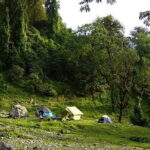
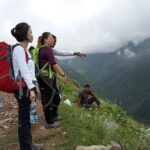
The best part is how quickly the trail gives you payoff. It begins as a nature walk where you can already see village life (including Chhaskhet on one side) while limestone cliffs rise on the other. It’s the kind of start that helps you forget the logistics of the day and focus on walking and breathing—especially if you’re arriving from town and want something calmer than traffic and shops.
You’ll also get that sense of foothills trekking without needing technical gear. This is about steady effort and good footing, not scrambling. That said, you still want proper footwear and socks you can trust. Trails in forested stretches can be slippery if the weather has been damp.
You can also read our reviews of more tours and experiences in Rishikesh.
Chhaskhet and Limestone Cliffs to Bulyat Village (About the First 2 km)

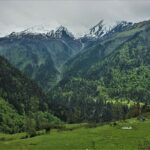
After the first stretch from Clouds End, the trek shifts into a scenic rhythm. Around 2 km in, you reach Bulyat village, and this is where the Doon Valley views typically start to feel more open and wide.
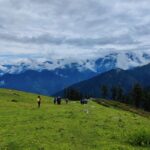
This section is not about speed. It’s about being present—looking up at cliffs, then turning your head toward the valley as the trail lines out. If you like photos, this is where you’ll want your camera handy, because the viewpoints are natural and frequent. If you don’t do photos, that’s okay too. The views themselves are the point.
A practical note: the day is flexible, and timing can move with weather and fitness levels. So don’t treat the 2 km marker like a race checkpoint. Think of it as a nice milestone that helps you track progress and set expectations.
The Forest Pull Toward Dudhli and the 11am Juice Break
From Bulyat, you follow a narrow forested trail toward village Dudhli, and you generally reach Dudhli by about 11:00am. This is a great time to feel the change in the trek: less open sky, more shade, a steadier walking rhythm.
Dudhli is also where you get a built-in reset. You’ll take a juice break there, which might sound small, but it matters. Mid-morning breaks help you keep your energy steady for the rest of the climb and summit time. It’s the kind of detail that makes the trek feel planned rather than just thrown together.
This also helps you mentally. After Dudhli, you’re clearly moving toward the hilltop goal, and your pace can match the reality that you have a bigger payoff later.
Climbing to Bhadraj Hill and Earning the Top Views
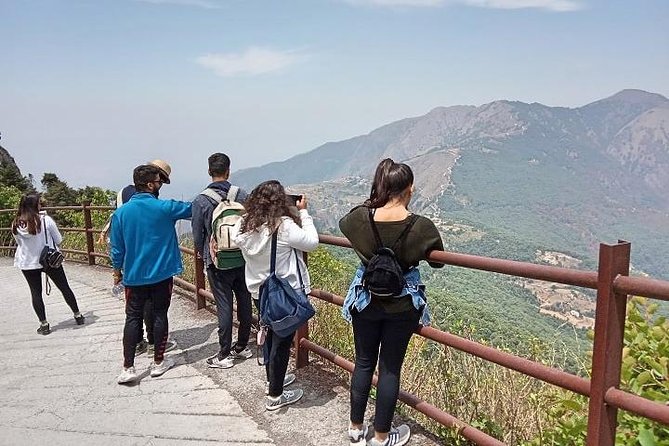
By the time you’re moving away from Dudhli, the trek becomes more about sustained effort. You’ll continue on forest trekking routes that lead up to Bhadraj Hill, where the main reward is waiting: the temple/summit area and panoramic views.
You’ll also enjoy an open-air picnic lunch at the summit, included in the cost. This matters more than it sounds. A picnic lunch shifts the experience from hiking as a chore into hiking as a day out. It gives you time to sit, eat, and actually look around. That’s where you stop rushing and start noticing the scale of the mountains and valleys.
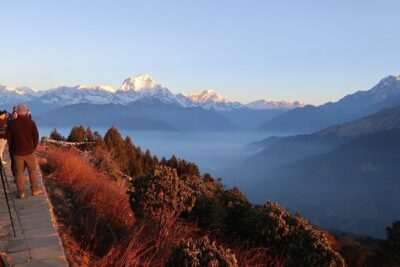
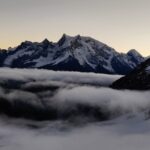
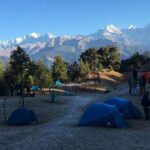
One review highlights that the 360-degree view from the top is amazing, especially when the sky is clear. Another notes the temple area at around 7,500 feet, about 12 km from Mussoorie, and mentions snow-clad Himalayan peaks visible on clear days. In other words: if the weather cooperates, the summit is the kind of place that turns an ordinary walk into a memory you’ll keep.
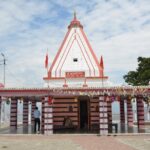
You’ll also likely have a temple-focused moment up top. The trek is described as going to Bhadraj Hill with the Bhadraj temple experience, and the summit structure is often described as a white marble form perched at the hill in front—exactly the kind of visual that anchors your day.
Two caution points here:
- The schedule can shift with weather, so you don’t want to plan other tight commitments after 4:30pm.
- If you’re hoping for specific temple stops, do a quick confirm before you go. One unhappy booking report said the day’s temple visit did not match what they expected, so clarity beforehand protects your time.
What You Actually Get Included (Snacks, Water, Permits, and Lunch)
For $50 and a 7–8 hour outing, the included items are the backbone of the value. You get:
- Snacks
- Lunch (open-air picnic at the summit)
- Bottled water
- Forest trekking permits
That package matters in Uttarakhand foothills trekking because a lot of the “hidden cost” in hiking days is basic stuff—water, snacks, permits, and food planning. Having it handled means you show up and go.
It also means less decision fatigue for you. You don’t need to figure out where to eat on the way, or hunt for permitted access. You can focus on the trail, the views, and the guide’s pacing.
You’ll also get a private guided experience, meaning it’s not a big open-bus style group where you’re forced to match the slowest pace. Your schedule is flexible based on weather and fitness levels, and that flexibility is a big deal when you’re trekking for views rather than trying to finish a workout challenge.
One more small plus: you’ll have coordination via a mobile number for meeting, and the entry uses a mobile ticket. When you’re meeting in a specific forest resort area, that kind of coordination can prevent a lot of stress.
Transfers and Getting There: The One Place You Should Plan Yourself

The tour is described as not including transport in the general sense, but it also says transfers to and from the meeting point are provided. So here’s the clean way to think about it:
- You should plan to reach the Clouds End meeting point area yourself.
- Once you’re there, the trek day handles the logistics around meeting and finishing back at the same spot.
If you’re coming from Mussoorie/Rishikesh, I’d treat “getting to Clouds End” as your responsibility and then let the guide/operation handle the rest. That keeps you from guessing what’s included and what isn’t.
Also, the meeting point is noted as near public transportation, which is helpful if you’re not renting a private vehicle.
Pace, Weather, and the Reality of a 9:30 to 4:30 Trek
This isn’t a fixed treadmill schedule. The day is flexible and times can shift based on weather and fitness levels. That’s fair, but it also changes how you plan your buffer time. You’re looking at a full day—about 7 to 8 hours, plus the walk-around time to start, breaks, and moving back down to the end point.
Weather is a big deal here because the experience requires good weather, and if conditions are poor you should expect rescheduling or a refund option. The reason is simple: when visibility is bad, the summit’s whole point (those wide valley views and clear-sky peak views) disappears fast.
So if you’re going for the snow-peak look and the 360-degree panorama, aim for a day when the sky has a chance to clear. If clouds roll in, don’t panic. You’ll still have forest trekking and village scenery. The summit views just may not be as dramatic.
Price and Value: What $50 Really Buys You
$50 sounds modest, and it’s actually strong value for what’s included—especially the guided private trek model plus summit lunch and permits.
Here’s what you’re effectively paying for:
- A guide who knows the route and manages timing across villages and forest trails
- Food support (snacks + summit lunch)
- Safety and permissions (forest trekking permits)
- Water supply for the day
Where the value can vary is your group size. The offering mentions group discounts, so if you can share the trek with others, your per-person cost feels even better. If you’re trekking solo, it can still be a good deal, but the economics depend on the final private pricing structure.
And one more point: since transport beyond the meeting point isn’t clearly included, your total “trip cost” also depends on how you get to Clouds End. If you already have easy access, you’re in great shape.
Who This Trek Suits Best (and Who Might Feel It Later)
Most people can participate, but you should be honest with your fitness level. A 15–16 km route with a forest climb to a hilltop is not a stroll. You’ll want:
- Comfortable shoes with grip
- A light daypack
- A way to stay warm if the temperature drops at higher elevation
This trek is a great fit if you want:
- Big views without needing technical skills
- A structured day with breaks and food handled
- A private-guided pace that doesn’t bully you into racing
It might be less ideal if:
- You can’t handle long distances on foot
- You’re sensitive to uneven trails (forested paths can be narrow)
- You need guaranteed fixed timings (the day adjusts for weather and fitness)
Booking Tips to Avoid the Day-Plan Mismatch
Here’s how I’d approach booking to protect your expectations.
First, clarify the temple focus for your day. The concept is Bhadraj Hill, and the summit is where the temple experience and picnic lunch happen. But because one unhappy story mentioned a different temple visit (Jwala Devi) and a shorter experience than expected, it’s worth asking your guide to confirm exactly what you’ll see and how long you’ll spend there.
Second, make it easy to coordinate. You’ll have a mobile number for meeting, and using your phone so you can respond quickly saves time if anything shifts.
Third, choose footwear and a pace that let you enjoy the forest and viewpoints, not just survive them. The trek’s best moments—Bulyat panoramic views, Dudhli’s break, and the summit 360-degree outlook—happen when you aren’t rushing.
Should You Book the Bhadraj Forest Trek?
I’d book this trek if you want a foothills hike with real viewpoint payoff, plus the convenience of an included summit lunch. The combination of village starts, forest walking, and hilltop panoramas makes the day feel balanced, not one-note. If you’re traveling for views, the odds are good you’ll leave with that wide-sky memory—especially on a clear day.
I’d think twice if you need a tightly fixed plan down to minute detail, or if you’re the type who gets stressed when weather changes timing. Also, because a customer reported a temple stop mismatch, confirm the exact temple focus before you go so you’re not surprised at the top.
If you want a day in the Himalaya foothills that feels personal, scenic, and practical—this is the kind of trek that fits.
FAQ
FAQ
Where does the trek start?
The trek starts at Clouds End Forest Resort in the Hathipaon area, west of Mussoorie. You meet there at 9:30am.
What is the total distance covered?
The distance covered is approximately 15–16 km.
How long is the trek?
It runs for about 7 to 8 hours (approximately), within the 9:30am to 4:30pm schedule.
Where does the trek end?
This activity ends back at the meeting point (Clouds End area). The itinerary also lists Village Dudhli as a major point where you reach around 11am, then you continue toward Bhadraj Hill.
What’s included in the price?
Included items are snacks, lunch, bottled water, and forest trekking permits.
Is transport included?
The details say transfers to and from the meeting point are provided, but transport is listed as not included. Plan on getting yourself to the Clouds End meeting point area.
Is it private or shared?
It’s a private tour/activity, meaning only your group participates.
Does the schedule stay the same all day?
Timings are flexible and based on weather and fitness levels.
Is the trek suitable for most travelers?
The info says most travelers can participate, but it still involves a 15–16 km trek, so comfortable walking ability is important.
What happens if weather is poor?
The experience requires good weather. If it’s canceled due to poor weather, you’ll be offered a different date or a full refund.