REVIEW · RISHIKESH
Naag Tibba Trekking and Hiking 2 Nights and 3 Days
Book on Viator →Operated by Yeti Outdoors · Bookable on Viator
A beginner summit with real Himalayan pay-off. The Naag Tibba (Serpent’s Peak) trek is one of the easier ways to taste high-altitude trekking, with a top altitude around 9,915 ft (3,022m) and big views over peaks like Bandarpoonch and the Gangotri group. You also get the comfort of a guided, organized camping route that doesn’t demand months of prep.
I love two things most: first, the way the trek mixes forest walking with open-panorama moments, so you’re never stuck with the same view for hours. Second, the support is practical—meals on trek, camping gear (tents and sleeping bags), and a full team of guides/cooks/helpers/porters so you can focus on walking and taking in the mountains. A small consideration: the experience requires good weather, and if conditions aren’t right, plans can change.
If you’re the type who likes simple plans, good people, and a doable summit goal, this trek makes a lot of sense. And if you’re expecting a luxury lodge, you’ll want to calibrate your mindset before you go—this is camping trekking, not hotel-hopping.
In This Review
- Quick hits: what makes Naag Tibba worth your time
- Naag Tibba basics: a beginner summit with serious views
- Day 1: Pantwari to Naag Tibba Base for forest trekking and your first camp
- Day 2: Base to Jhandi top, then onward to Devalsari Village
- Day 3: Devalsari hike back toward Mussoorie
- Camps, meals, and gear: the practical part done for you
- Guide and team experience: Manish, Rishabh, Ashish, and the local crew
- Price and value: what $131.86 gets you (and what you still pay)
- Timing, weather, and comfort on a near-10,000-foot trek
- Who this trek fits best (and who might want another plan)
- Should you book Naag Tibba with Yeti Outdoors?
- FAQ
- What is the altitude reached on the Naag Tibba trek?
- How long is the trek, and what level is it?
- Where does the trek start and when?
- What does the tour include?
- What’s not included in the price?
- Do I need good weather for this experience?
- Is this tour private or shared with strangers?
- Are service animals allowed?
Quick hits: what makes Naag Tibba worth your time
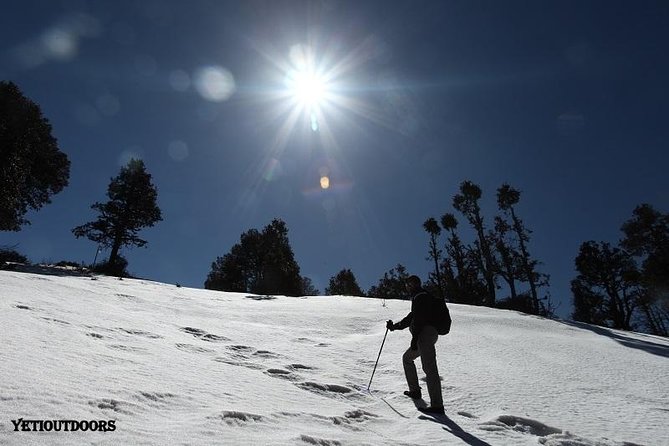
- Beginner-friendly at 9,915 ft: a real summit experience without technical climbing.
- Forest + panorama mix: trail stays interesting on Day 1 and Day 2.
- Camping setup included: tents and sleeping bags are provided, plus cooking gear and staff.
- Guides with local knowledge: Manish and the team were highlighted for planning and explanations on the route.
- A “views then village” rhythm: Day 2 connects peak views with time near Devalsari village.
- Close enough for a weekend idea: often described as a good weekend trek from Delhi.
Naag Tibba basics: a beginner summit with serious views
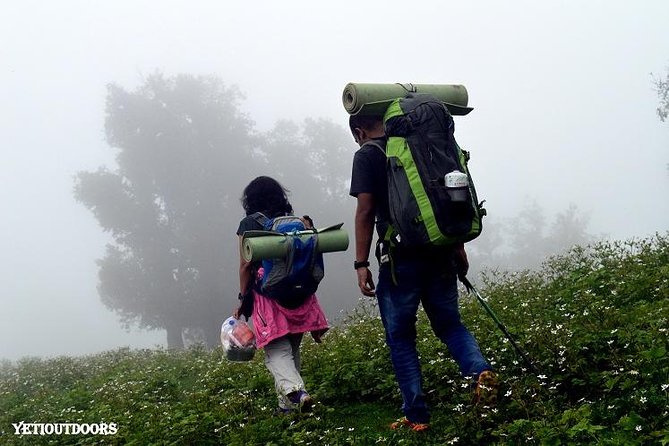
Naag Tibba sits in the Mussoorie/Dehradun region, and that proximity matters. You get the Himalayan feel—thin-air summit bragging rights, starry nights, ridge views—without the long, complicated logistics you often see with harder treks.
The big hook is the altitude target. You reach about 3,022m / 9,915 ft, which is high enough to feel the change, but the overall level is described as easy. That’s what makes it a common starting point for people who want a first real trekking experience in the hills.
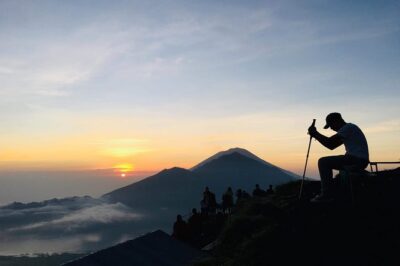
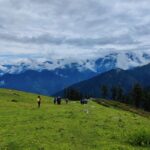
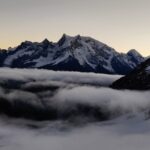
What you’ll see from up top is a major reason to do it. The summit area offers a wide Himalayan panorama. You can look toward peaks including Bandarpoonch, parts of the Gangotri group, Kedarnath peak in the north (when visibility is good), and also the Doon Valley view direction. Even when the weather is a bit moody, the trek itself still delivers—forest, ridgelines, and the sense of moving upward one step at a time.
You can also read our reviews of more tours and experiences in Rishikesh.
Day 1: Pantwari to Naag Tibba Base for forest trekking and your first camp
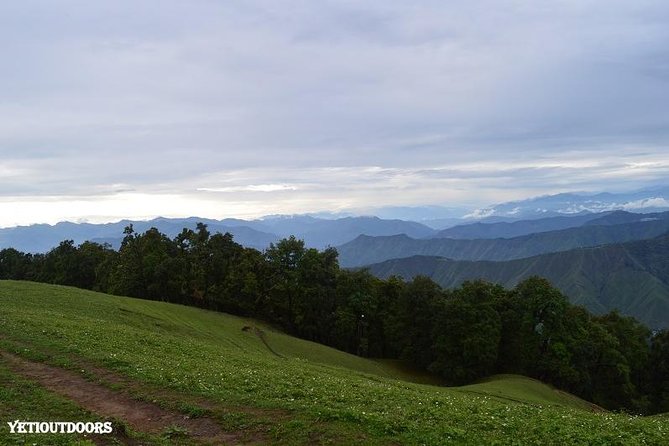
Day 1 starts at Pantwari and heads to the Naag Tibba Base. This is the day where you build rhythm. You start early enough to use the morning energy, then spend the hours working through the trail that leans heavily on forest walking.
Why I like Day 1 for beginners: it’s where your body learns the pace. You’re not thrown straight into a steep summit push. Instead, you get steady uphill effort, breaks, and time to settle into trekking mode—walking that slowly turns into views.
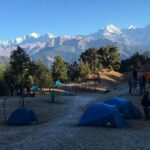
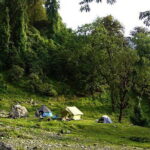
At the Naag Tibba base area, you sleep in a temporary camp setup. The trek includes tents and sleeping bags, along with the technical and kitchen/camping equipment you need to make camp work. From past experience on treks like this (and from what people highlighted), the difference between an okay camp and a comfortable one is the gear quality and how organized the cooking is. Here, the tour includes staff like cooks and helpers, so you’re not stuck improvising dinner at 9,000 feet.
Small practical note: the route includes a transfer component as part of the overall experience. One review mentioned the drive can be a bit exhausting. So if you’re planning to do this right after travel, give yourself a cushion day or at least keep dinner simple that evening before you start.
Day 2: Base to Jhandi top, then onward to Devalsari Village
Day 2 moves the story forward. You go from the Naag Tibba Base toward Jhandi Top, and then continue to Devalsari Village.
This is the day where you’re most likely to feel you’re doing a “real trek,” not just a stroll. The route profile is still positioned as beginner-level, but heading toward a high point generally means more attention on pace, breathing, and hydration.
The payoff is the views. That’s the reason the trek draws people who are new to trekking but serious about seeing Himalayan panoramas. From the high points and surrounding ridges, you get the sense of the mountain world opening up—big peak silhouettes and that long-distance look.
Then you change gears. Reaching Devalsari Village gives you something valuable after hours on trail: a more human setting. It’s not just scenery; it’s a sense of place, and a change from the nonstop focus of walking.
Food matters more on Day 2 than people expect. The tour includes all meals on the trek, and that matters because you’re trying to recover while staying fueled for the route. Also, camp cooking isn’t always the same quality on every trek, but in reviews, people specifically mentioned a local chef and the overall hospitality around meals.
Day 3: Devalsari hike back toward Mussoorie
On Day 3 you do a Devalsari hike and then end in Mussoorie. The itinerary is designed as a satisfying finish—less of that “long, draining descent for hours” feeling you sometimes get on tougher treks.
This last day is about leaving the hiking high behind and bringing you back toward normal life. Even if the walk is still scenic, your job is simpler: enjoy the last views, keep your energy for the end, and don’t rush. The goal is to arrive feeling proud, not wrecked.
Also, this day is your first real chance to think about recovery and comfort after camping. The tour doesn’t include stay and food in Mussoorie outside the trekking days, so plan on handling those basics yourself or through whatever travel plan you already have.
Camps, meals, and gear: the practical part done for you
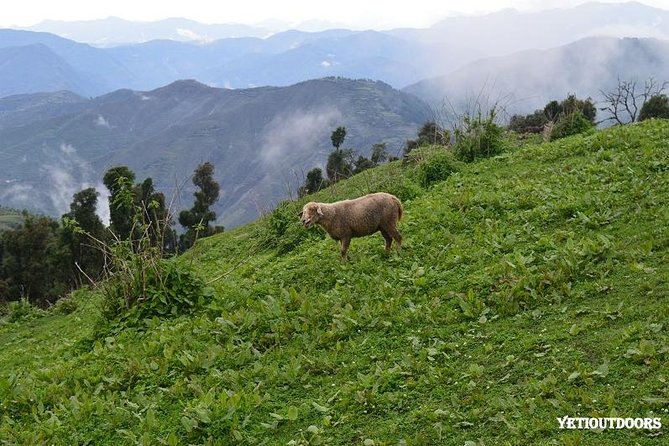
This trek includes more than just a guide and a route. You get a full package of what makes trekking possible:
- All meals on trek
- Tents and sleeping bags plus the technical/kitchen/camping equipment
- Fees and permits handled by the operator
- A full support team: guides, cooks, helpers, porters/mules
That last part is key for value. On a beginner trek, carrying everything yourself is often what turns “easy” into miserable. Here, the equipment and camp needs are managed for you, so your main job is walking and enjoying the trip.
In reviews, people highlighted that the temporary camp setup was comfortable and that the team’s planning felt thorough. One review also called out the donkey as part of the operation, which usually means extra help hauling or logistics support for gear. Translation: you’re less likely to watch your backpack become a weight problem.
Guide and team experience: Manish, Rishabh, Ashish, and the local crew
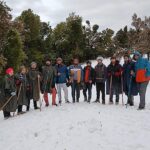
A trek is only as good as the people behind it. This one gets repeated praise for hospitality, organization, and local knowledge.
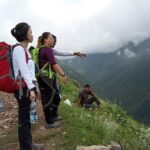
Names that came up in reviews include Manish (including Manish Nag Tibba and Manish Badoni) and support from the team such as Rishabh and Ashish. People specifically appreciated that the guides went beyond the basic route explanation—sharing stories and knowledge, including talk about the flora along the way.
There’s also the owner/operator side: Vipul was mentioned as doing an excellent job organizing the trip, including short-notice planning in one case. That kind of detail matters because it usually shows up in the small things: timing, readiness at camp, and how smoothly the day-to-day works.
And yes, food came up again and again in the same context. The presence of a local chef was called out, which is a big deal because good trekking meals help you keep your energy steady instead of running on willpower.
Price and value: what $131.86 gets you (and what you still pay)
At about $131.86 per person, this feels like a fairly straightforward deal for what’s included. You’re paying for the structure: guides, cooking, camping gear, and the operational layer like permits and equipment.
Here’s what’s included:
- Meals on trek
- Tents and sleeping bags and all shared technical/kitchen/camping equipment
- Guides/cooks/helpers/porters/mules
- Entry fees and permits
- Taxes
And here’s what’s not included:
- Personal expenses
- Stay and food in Mussoorie (and food during transit)
- Insurance (you’ll need your own)
- Claims tied to natural calamity (like landslides/road blocks)
- Transportation, unless you request it for an extra charge
That trade-off makes sense for a beginner trek. You’re not paying “everything” on Day 1 through Day 3. You’re paying for the trekking experience itself, and you handle your own outside-the-trek travel needs.
If you already have a plan to get to the start, this price is easier to justify. If you need a full door-to-door pickup arrangement, ask about the add-on transportation cost early so your budget stays sane.
Timing, weather, and comfort on a near-10,000-foot trek
The trek runs all year around, and it’s often pitched as a weekend option from Delhi. That flexibility helps if you’re not trying to schedule around a narrow season.
But there’s a clear reality check: the experience requires good weather. If conditions are poor, the operator may offer a different date or a full refund. That policy matters because mountain weather isn’t negotiable, and it also protects you from showing up expecting clear skies and getting fogged out.
From a comfort standpoint, the highest altitude is around 9,915 feet. Even on an easy trek, nights can feel different at that height. So bring layers you can adjust in camp and while walking. If your kit is minimal, this is one place where you’ll be glad you brought the basics—warm layer, rain protection, and solid footwear.
Who this trek fits best (and who might want another plan)
This is built for beginners. It’s also a strong “first Himalayan camp trek” choice because it offers the full package: route, support team, and camping gear.
It fits especially well if:
- You want your first summit goal without technical climbing.
- You want Himalayan views but also want a manageable schedule: 2 nights, 3 days.
- You’re okay with camping basics and prefer a guided route over self-planning.
It may be less ideal if:
- You hate weather-based changes and want guaranteed hiking every day no matter what.
- You expect hotel comforts during the trekking portion.
- You’re sensitive to early start times (the start is 9:00 am).
One more point: it’s described as a private tour/activity for your group. That’s great if you want less crowd energy, but it can also mean you’ll be sharing the space within your own group size for the duration.
Should you book Naag Tibba with Yeti Outdoors?
I’d book it if you’re chasing a first “Himalaya in motion” experience with real payoff. The combination of an easy start, a legitimate high point around 9,915 ft, and strong on-the-ground support makes it a good value trek. Add the repeated praise for organization and the guide team—Manish, plus helpers like Rishabh and Ashish—and you get a sense this isn’t run on vibes. It’s run on preparation.
I’d think twice if you’re planning tight timing around bad weather, or if camping gear and outside-the-trek meals don’t fit your comfort style. Also, make sure you’re okay handling Mussoorie meals and stay on your own, since those aren’t included.
If you want an honest beginner trek that still feels like you went somewhere that matters, Naag Tibba delivers.
FAQ
What is the altitude reached on the Naag Tibba trek?
The maximum altitude reached is about 3,022m / 9,915 feet.
How long is the trek, and what level is it?
It’s about 2 nights and 3 days, and it’s described as an easy trek.
Where does the trek start and when?
The start is at Yeti Outdoors with a start time of 9:00 am.
What does the tour include?
It includes all meals on the trek, use of camping and technical equipment (including tents and sleeping bags), all fees and taxes, and services of guides, cooks, helpers, and porters/mules.
What’s not included in the price?
Personal expenses, stay and food in Mussoorie (and food during transit), insurance, and any claims related to natural calamity are not included. Transportation can be arranged on request for an additional charge.
Do I need good weather for this experience?
Yes. The experience requires good weather. If it’s canceled due to poor weather, you’ll be offered a different date or a full refund.
Is this tour private or shared with strangers?
It’s listed as a private tour/activity, so only your group participates.
Are service animals allowed?
Yes, service animals are allowed.