REVIEW · POKHARA
Ghorepani Poonhill Sunrise trek
Book on Viator →Operated by Mount Face Nepal · Bookable on Viator
Morning cold, then the mountains turn on. This Ghorepani Poonhill sunrise trek is built around that moment, plus real time in Ghandruk, one of the Annapurna area’s most memorable heritage villages. You’ll hike through rhododendron and oak forest, then step into open ridgelines where the peaks feel close.
I especially like how the route mixes big-view trekking with cultural stops—Annapurna South and Machhapuchhre (the Fish Tail) are a big deal here, but so are the mid-hill traditions of Gurung and Pun communities. One thing to weigh up: the trek includes a long day of steps and an early start (meeting around 12:15am for sunrise), so you’ll want steady pacing and knee-friendly habits.
This is a private tour/activity, so it’s just your group, run by a government-licensed guide with a porter to carry your baggage. If you want an organized, value-focused way to get the Annapurna Himalaya highlights without guessing logistics, this format usually works well—just expect it to be physically active.
In This Review
- Key highlights worth your attention
- Why Poonhill sunrise feels different here
- Ghandruk: heritage village time, not just a photo stop
- The Pokhara warm-up: where your trek makes sense
- Day-by-day trek walkthrough (with the real tradeoffs)
- Day 1: Arrive Kathmandu, then transfer to your hotel
- Day 2: Drive to Pokhara, then settle in
- Day 3: Nayapool to Tikhedhunga (1450m)
- Day 4: Tikhedhunga to Ghorepani (2874m)
- Day 5: Early hike to Poonhill, then to Tadapani (2721m)
- Day 6: Tadapani down to Nayapul, then back to Pokhara
- Day 7: Drive back to Kathmandu
- Day 8: Departure
- The steps count: 3381 steps and how to handle them
- Guides and porters: the difference between trekking and just walking
- What the price covers (and why it can be fair value)
- What to pack for this trek’s reality (not the brochure)
- Weather, altitude, and pacing you can plan around
- Who should choose this trek (and who might want something else)
- Should you book this Ghorepani Poonhill sunrise trek?
- FAQ
- Where does the Ghorepani Poonhill sunrise trek start?
- How long is the trek?
- Do I need a visa or travel insurance?
- What’s included during the trekking days?
- Is a guide included?
- Are trekking permits included?
- What about hotels before and after the trek?
- How do you travel between Kathmandu and Pokhara?
- Is the group private?
- Can I cancel for a refund?
Key highlights worth your attention
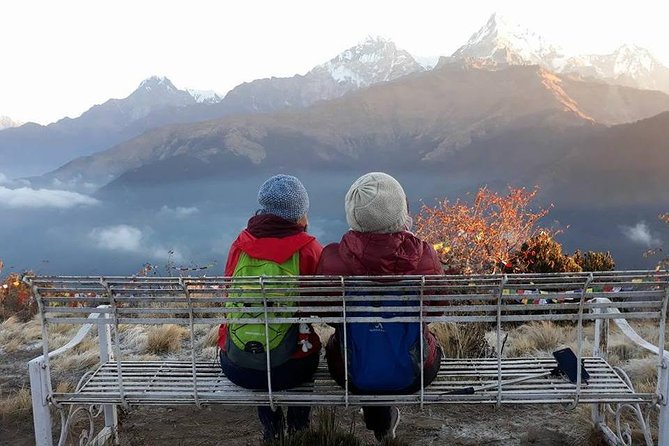
- Poonhill sunrise timing: An early meeting time (12:15am) keeps you in position for the first light.
- Ghandruk views of Annapurna South and Fish Tail: You sleep in a heritage village with dramatic sightlines.
- Steep effort with a payoff: The trek includes a climb of 3381 steps, mainly to reach panoramic viewpoints.
- Forest-to-alpine variety: Rhododendron, oak, magnolia, and high mountain scenery show up on the same journey.
- Guided and documented trekking: TIMS card, permits, first aid kit, and a licensed guide are included.
- Guide personality matters: Reviews highlight guides like Sumir and Amir, including extra touches like yoga practice.
Why Poonhill sunrise feels different here
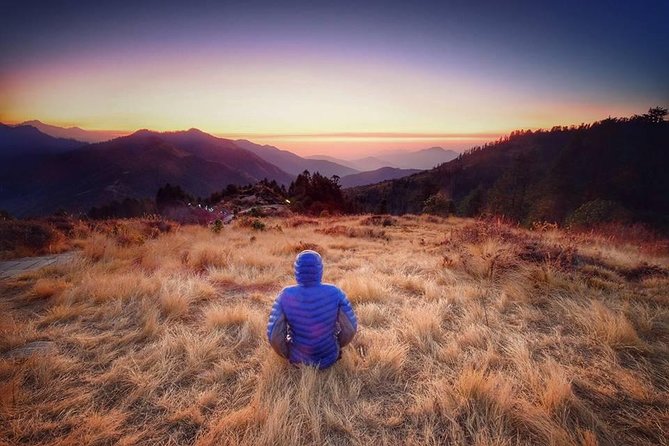
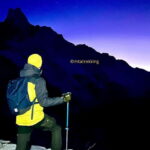
Poonhill sunrise isn’t just about watching the sun come up. The reason it’s famous is that the light hits the Annapurna region in layers—first soft glow on the ridges, then sharper contrast as the peaks wake up. If you’re making your first trek in Nepal, this is one of the fastest ways to understand why people fall in love with the Himalaya.
Your hike is designed to get you moving before most of the world is thinking about breakfast. The meeting time listed for the experience start is 12:15am in Pokhara, which lines up with getting out for the early part of the day. Translation: bring a warm layer and plan for cold hands. Even if the sunrise looks mild from far away, the wait time is real.
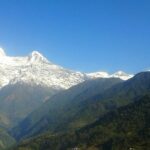
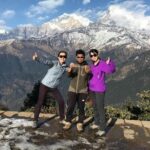
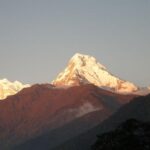
And yes, the views are a major part of the draw. This route sets you up to see the Annapurna area giants—Annapurna itself, Dhaulagiri, and Machhapuchhre, plus Manaslu mentioned as part of the wide mountain panorama you’re chasing.
You can also read our reviews of more tours and experiences in Pokhara.
Ghandruk: heritage village time, not just a photo stop
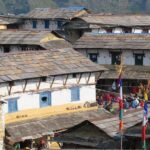
Staying in Ghandruk is a smart choice for this trek because it gives your body a break and your mind something more. This isn’t a theme-park village. It’s a working heritage community, shaped by the mid-hills peoples—especially Gurung and Pun traditions described as part of the trek’s cultural focus.
What you get here is the feeling of being inside the Annapurna story, not just passing through it. The program highlights views of Annapurna South and Fishtail, and that matters because you’re sleeping in a place where those sights are part of the daily rhythm. In the daytime, you can take in the village details at a slower pace before you head back out to the trail.
The cultural payoff is also practical. When you rest in a village like this, the whole trek stops being one long grind. You regain energy, eat well, and reset your pace for the next ascent.
The Pokhara warm-up: where your trek makes sense
Pokhara is more than a starting city. It’s your decompression point between everyday life and mountain life. The plan includes arrival in Kathmandu first, then the drive to Pokhara by tourist bus (listed as about 6 hours).
Once you’re in Pokhara, you’re surrounded by the Annapurna Himalaya setting and close to Lake Phewa, which is specifically mentioned as part of the experience arc. Even if your days are booked and your nights are early, Pokhara helps you adjust mentally. You go from busy streets to a place that feels built for slow mornings and early departures.
One practical benefit: you’re not jumping into the trail directly after flying in. Two hotel nights—Kathmandu and Pokhara—plus transfer time make a difference if you’re coming from sea level and you want your trek to feel more manageable.
Day-by-day trek walkthrough (with the real tradeoffs)
Below is how the days typically feel when you follow this kind of route—what each stage gives you, and where the effort shows up.
Day 1: Arrive Kathmandu, then transfer to your hotel
This day is a buffer. You’re arriving in Kathmandu and then transferring to a hotel. You don’t want your first day in Nepal to be a scramble. Use it to eat something familiar, check that your passport details are correct for your trek paperwork, and get an early night.
Day 2: Drive to Pokhara, then settle in
You take the tourist bus drive to Pokhara (about 6 hours). This is long enough that comfort matters. Once you arrive, you’ll be set up for your next move into the trekking zone.
If you’re the type who likes to understand the route before you walk it, Pokhara is where you can ask questions. The guide is also your key contact for what pace to use and how to protect your knees on descents.
Day 3: Nayapool to Tikhedhunga (1450m)
You drive to Nayapool and then start trekking to Tikhedhunga at 1450m. This is a useful first walking day because it gets your legs working without sending you instantly into the high altitude push.
Still, don’t treat it like an easy day. Even modest elevations can feel different once you’re fully awake and walking for real. I like treating Day 3 as “learning your stride,” not “testing your speed.”
Day 4: Tikhedhunga to Ghorepani (2874m)
Next comes the main climb day to Ghorepani at 2874m (about 5 hours listed). The program also mentions a move from the warm area into mid hills and then into more alpine country, with forests of rhododendron, oaks, and magnolia.
This is where the trek starts to feel like a proper Himalayan hike. Forest walking helps you warm up and focus on footing. Then, as you near higher ridges, the air can get sharper and the views start to show themselves more clearly.
Tradeoff: higher means colder mornings and more careful footing. Bring layers and expect your body to ask for slower pacing.
Day 5: Early hike to Poonhill, then to Tadapani (2721m)
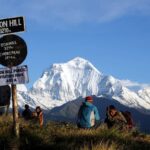
This is your sunrise day. The trek includes an early morning hike to Poonhill, then continuing to Tadapani at 2721m (listed as about 5/6 hours).
The big win is sunrise. The big work is the walking. Poonhill is the kind of hike where you’ll see your reward, but only after you’ve earned it with patience. If you get even a little impatient on the first ascent, you’ll feel it in your legs for the rest of the day.
Also, stepping from viewpoint back into longer trekking can be confusing if you treat the day as only a “sunrise event.” I recommend thinking of sunrise as the headline, then settling into the rest of the day with steady rhythm.
Day 6: Tadapani down to Nayapul, then back to Pokhara
Now you cash in on the fact that your legs finally understand the terrain. You trek down to Nayapul, then drive back to Pokhara.
This day can be deceptively tiring. Descents are often harder on knees than ascents. The best strategy is to keep steps short and controlled, and to avoid locking your knees when you’re tired.
Day 7: Drive back to Kathmandu
You head back to Kathmandu by drive/transport as listed. This is a “reset day,” and it’s a good time to do laundry you can manage, refill supplies, and enjoy normal food again.
Day 8: Departure
Departure day. If your flight is later, you might squeeze in a final walk or meal. If it’s early, don’t stress—your trek days are done and you’ve got the memories.
The steps count: 3381 steps and how to handle them
The trek description calls out 3381 steps as part of the challenge that leads to panoramic views. That number matters because it tells you the trail isn’t just “a stroll with a view.” There are stairs and sustained uphill effort.
Here’s how to make that work in real life:
- Start slower than you think. If you speed up on the first steep segment, you pay for it later.
- Practice “breathing climbs”: inhale for a few steps, exhale slowly, keep your shoulders loose.
- On descents, don’t try to be tough. Short steps and controlled pace protect your knees.
If you have any knee history, this is the day you’ll want to take extra care.
Guides and porters: the difference between trekking and just walking
This experience is run with a government license holder guide and a porter who carries your baggage. That setup is a big value point because it lets you focus on the trail instead of managing bags, juggling water, and guessing what’s next.
You also get a TIMS card (Trekker’s Information Management System) and trekking permits needed for restricted area trekking, plus a first aid kit. The program also lists insurance, salary, and equipment logistics for guides and porters as included.
Names from real trips add a human layer. In reviews tied to this style of operation, guides such as Sumir and Amir show up with attention at all times, plus extra activities like yoga practice during mountain times (sunrise or at dawn/dusk). Even if you’re not there for yoga, it signals something important: the guide isn’t just a ticket holder—they’re engaging with the group’s energy.
What the price covers (and why it can be fair value)
The listed price is $815.00 per person for around 8 days. That isn’t cheap on paper, but it’s not “random hiking expense” either.
Here’s what you get that often adds up on its own:
- Airport pickup and drop
- Hotel stays in Kathmandu and Pokhara
- Full board meals during the trekking period (breakfast, lunch, dinner)
- Best available accommodations during the trek
- Licensed guide + porter
- TIMS card and required trekking permits
- Local transportation between Kathmandu and Pokhara (tourist bus/plane listed as options) and Pokhara–Nayapul–Pokhara by private vehicle
- Farewell dinner prior to departure
- First aid kit
What’s not included:
- Travel insurance
- Nepal entry visa fee
- International airfare and airport departure tax
- Tips for trekking staff
- Drinks (hot/soft/cold) and liquors
- Personal shopping, laundry, and personal trekking equipment
My take on value: this package looks like it’s trying to remove the guesswork. When a route is this structured and includes permits and meals, you spend less energy worrying and more energy walking and enjoying. If you already have insurance, gear, and you like organizing your own transport, you might be able to do it cheaper elsewhere. But if you want a smoother, guided experience with meals and paperwork handled, $815 can be a reasonable deal.
What to pack for this trek’s reality (not the brochure)
You’ll be moving through forests, then higher, colder air near sunrise. Bring layers and plan for early darkness.
From the inclusions, you’ll have meals and accommodation handled during trekking, but personal trekking equipment is not included. Drinks aren’t included either.
A sensible packing plan includes:
- Warm layer for pre-sunrise hours
- Light rain protection
- Good walking shoes with grip
- Small daypack for water and essentials
- Anything you rely on for comfort (your preferred snacks, lip balm, etc.)
If you’re unsure about what counts as personal trekking equipment, ask your guide ahead of time. This trek will feel easier when you have the right basics.
Weather, altitude, and pacing you can plan around
Your route includes altitudes listed at 1450m, 2874m, and 2721m. That’s not the extreme high-altitude world, but it’s enough to change how you feel—especially on early mornings and on steep steps.
The trek also moves through different environments: forest walking first, then more open views and colder air later. Rhododendron and oak forests help with comfort, because you get shade and a softer walking rhythm. Then, as the trail rises, you’ll want to pay attention to hydration and your pace.
Moderate fitness is specifically noted as the expectation. So if you can walk for 1–2 hours steadily, climb stairs without drama, and recover within the day, you’re likely in range. If you can’t, you don’t need to panic, but you’ll need more preparation before you try the full step-heavy day.
Who should choose this trek (and who might want something else)
This one fits best if you want:
- A classic Annapurna region highlight
- A guided route with permits and meal planning handled
- A base in Ghandruk for cultural village atmosphere
- Sunrise views without complex self-planning
You might consider another option if:
- Early mornings and steep stairs aren’t your thing
- You’re looking for a very relaxed “easy walk” style trek
This trek is also set up for groups with a single itinerary run. It’s private, so if you like a quieter pace with a committed guide, that’s a plus.
Should you book this Ghorepani Poonhill sunrise trek?
If you want the Annapurna big-view payoff—Poonhill sunrise, Ghandruk village atmosphere, and panoramic mountain sightlines—this route makes strong sense. The $815 price is easier to justify when you see what’s included: guide, porter, hotels, full board meals during trekking, permits, and local transportation.
I’d book it if you:
- Are comfortable with early starts and lots of steps
- Prefer an organized plan over DIY trekking
- Want cultural contact with the Gurung and Pun mid-hills communities, not just summit views
Don’t book it if you want a slow, low-effort trek or if you’re unsure about stair-heavy days. If that’s you, try a gentler alternative first or train your legs for a few weeks before you go.
FAQ
Where does the Ghorepani Poonhill sunrise trek start?
The start point is listed as Pokhara (Gandaki Zone, Western Region), with a start time of 12:15am.
How long is the trek?
It’s listed as 8 days (approx.).
Do I need a visa or travel insurance?
Travel insurance is listed as not included. The Nepal entry visa fee is also not included.
What’s included during the trekking days?
The package includes full board meals during trekking: breakfast, lunch, and dinner, plus coffee and/or tea.
Is a guide included?
Yes. You get a government license holder guide, and a porter is included to carry your baggage.
Are trekking permits included?
Yes. The tour includes TIMS card and trekking permits needed for restricted area trekking.
What about hotels before and after the trek?
Hotel stays are included in Kathmandu and Pokhara.
How do you travel between Kathmandu and Pokhara?
Ground transportation is included: Kathmandu–Pokhara–Kathmandu by tourist bus/plane, plus Pokhara–Nayapul–Pokhara by private vehicle.
Is the group private?
Yes. It’s listed as a private tour/activity with only your group participating.
Can I cancel for a refund?
Free cancellation is available. You can cancel up to 24 hours in advance for a full refund. If you cancel less than 24 hours before the start time, the amount paid won’t be refunded.