REVIEW · AGUAS CALIENTES
Huchuy Qosqo Trek To Machu Picchu
Book on GetYourGuide →Operated by Libertrek Peru Travel Agency · Bookable on GetYourGuide
Inca ruins before Machu Picchu day. This Huchuy Qosqo trek is interesting because you start with a real hike through the Andes, then you end with a guided walkthrough of Machu Picchu’s key spots. I also like the Patabamba night with a community welcome and dinner, because it adds culture to the scenery.
The main drawback is that this route is a serious workout. The itinerary is built around walking and elevation, and you should expect great physical effort.
In This Review
- Key highlights you’ll feel right away
- Why this trek starts at Huchuy Qosqo (and not straight at Machu Picchu)
- Day 1: Cusco to Patabamba via Tambomachay and Qoricocha Lake
- Day 1 practical tip
- Day 2: Puma Punku to Huchuy Qosqo’s Inca terraces, then down to Lamay and Aguas Calientes
- A real-world guide detail
- Day 3: Guided Machu Picchu sanctuary tour, then back to Cusco
- Cost and value: what you’re really paying for at $490 per person
- What’s included (and the few things you’ll need to sort yourself)
- Quick gear sanity check
- The itinerary rhythm: where the day feels easy and where it feels hard
- Small details that make a real difference
- Who this trek fits best
- Should you book this Huchuy Qosqo Trek to Machu Picchu?
- FAQ
- How long is the Huchuy Qosqo trek to Machu Picchu?
- Do I get a guide, and what languages are available?
- Are entrance tickets to Huchuy Qosqo and Machu Picchu included?
- What meals are included during the trek?
- Where do I sleep each night?
- How do you get to Machu Picchu?
- Is there emergency medical support during the trek?
Key highlights you’ll feel right away
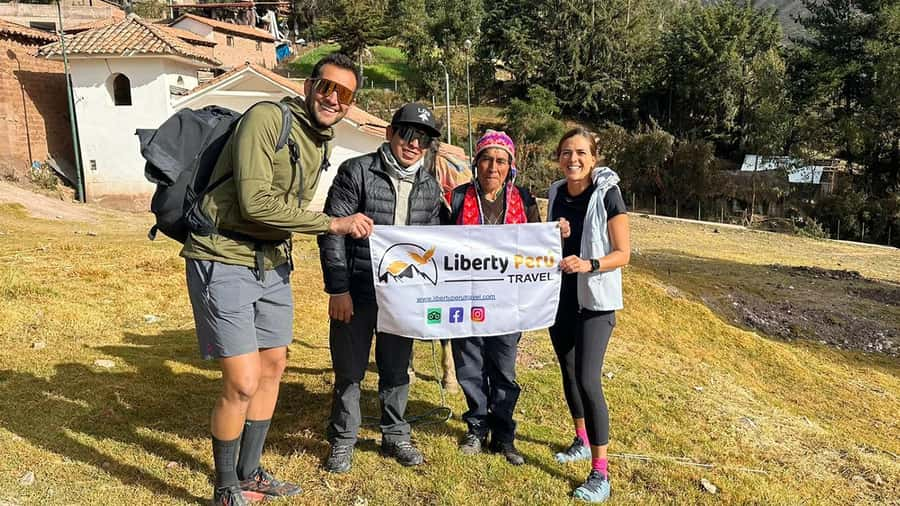
- Patabamba community time with customs, dinner, and a night under the stars
- Huchuy Qosqo’s Inca terraces and hydraulic system, plus Sacred Temples
- Pukamarca and the Puma Punku canyon route, before the “Little Cusco” site
- Guided Machu Picchu visit that covers the Sun Temple, Intiwatana, and more
- Emergency-ready planning, including an oxygen bottle, first aid kit, and a horse if needed
Why this trek starts at Huchuy Qosqo (and not straight at Machu Picchu)
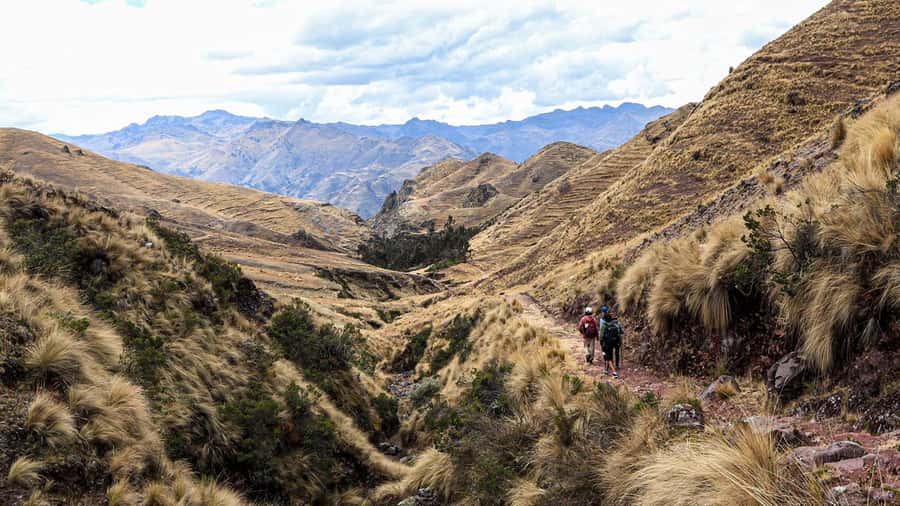
Most Machu Picchu days feel like a sprint: arrive, take photos, leave. This one slows you down by putting Huchuy Qosqo first, so you get the Inca story in layers instead of all at once.
You’ll spend your walking days among terraces, valley trails, and Inca-built agriculture—then you’ll step into Machu Picchu with a guide who can explain why these structures matter. That makes the final day feel less like a single big sight and more like a connected route across the Cusco region.
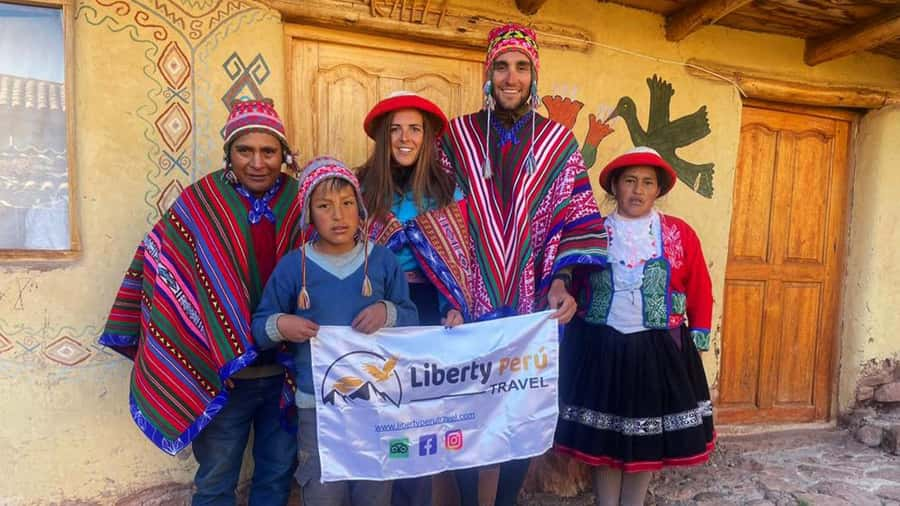
There’s also a more human rhythm here. You’re not only moving through stone and viewpoints; you’re sharing a night in Patabamba where residents welcome you and share local traditions.
You can also read our reviews of more tours and experiences in Aguas Calientes.
Day 1: Cusco to Patabamba via Tambomachay and Qoricocha Lake
Day 1 starts early: pickup from your Cusco hotel at 07:00 AM, then you head to Tambomachay. From there, you begin the walk toward Huchuy Qosqo with a climb that takes about two hours until you reach the first big step.
At that point, you get a breather with time to observe the city of Cusco. It’s a good moment to reset your legs and also start noticing how the Andes terrain shapes daily life—this isn’t just a scenic walk, it’s a landscape that historically determined where people built, farmed, and traveled.
After the first rise, you descend into the valley toward Quesser Grande, then keep going to Lake Qoricocha. You’ll have lunch here, and the day keeps rolling: you’ll walk along the lake’s shore for about two more hours until you reach Patabamba.
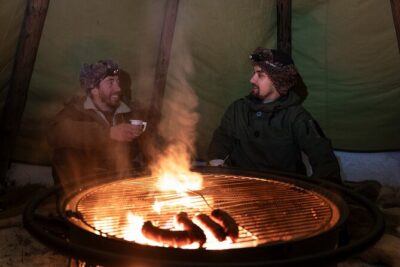
When you arrive in Patabamba, you’ll be welcomed by local residents. Dinner is included, and you’ll sleep in a lodge-style stay for the night—under the stars, in a setting that’s very different from hotel life in Cusco. That night is one of the biggest reasons this trek feels memorable.
Day 1 practical tip
Bring the basics you’ll actually use that day: hiking shoes, sunscreen, sunglasses, and your camera ready for lake light. Also plan to have your personal medication with you—medicine is listed as something you should pack.
Day 2: Puma Punku to Huchuy Qosqo’s Inca terraces, then down to Lamay and Aguas Calientes
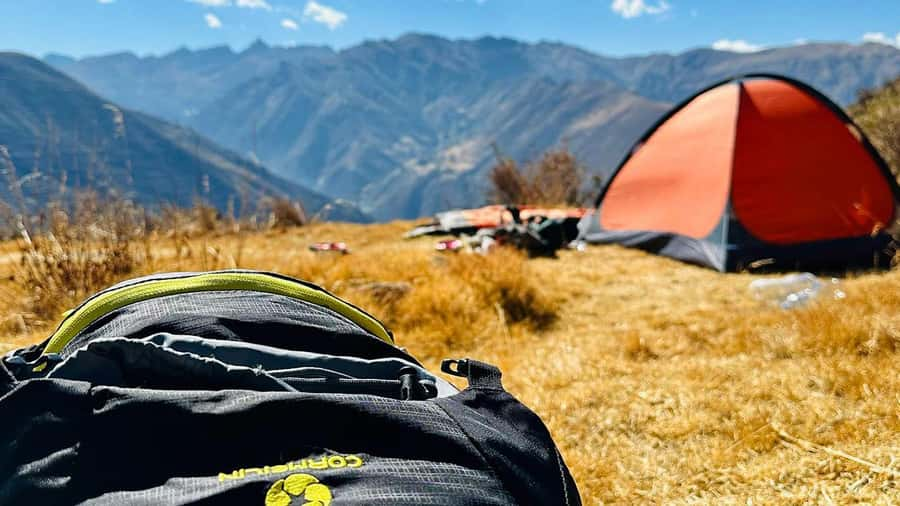
After breakfast, Day 2 starts with trail walking through smaller towns and passing communities along the way. The itinerary takes you to Pukamarca where lunch is served.
From there, the route turns toward the Puma Punku canyon (Puma Punku means door of the puma). This section matters because it breaks up the day into a clear before-and-after: you go from local trail life into the approach for an Inca site.
You then follow an Inca trail to Huchuyqosqo, which translates as Little Cusco. This is where the day earns its name. With your guide, you’ll explore the Inca constructions at the site, including Sacred Temples and Inca terraces used for agriculture.
The highlight here isn’t only the buildings—it’s the planning. Huchuy Qosqo is also connected to the hydraulic system idea, meaning water management and farming weren’t separate things. The guide helps you connect what you see on the ground with how it likely supported crops and communities.
Once the visit is done, you hike downhill to Lamay (about two hours). Then transport takes you to the Ollantaytambo train station and you continue by train to Aguas Calientes. The train ride is included, and it’s a nice reset after hours of walking.
You’ll sleep your second night in Aguas Calientes in the included hotel. This matters because it sets you up for a smoother Machu Picchu morning without rushing from Cusco.
A real-world guide detail
One verified booking highlighted their guide, Jhordy, for making the Inca parts feel personal and full of small curiosities. That’s the difference you want: you’re not just looking at ruins; you’re learning what to notice as you walk.
Day 3: Guided Machu Picchu sanctuary tour, then back to Cusco
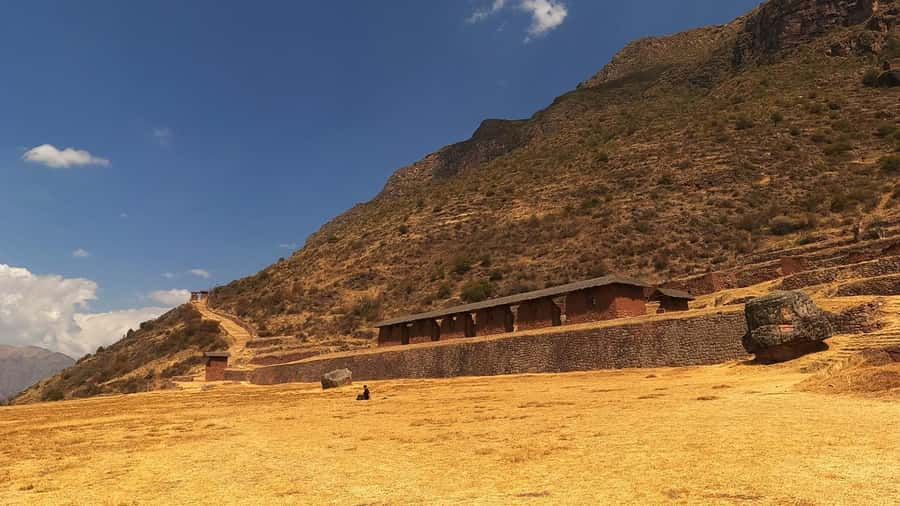
Day 3 is the headline. You’ll head to the bus station at the time your guide indicates, then ride the bus up to the Machu Picchu Sanctuary (about 30 minutes).
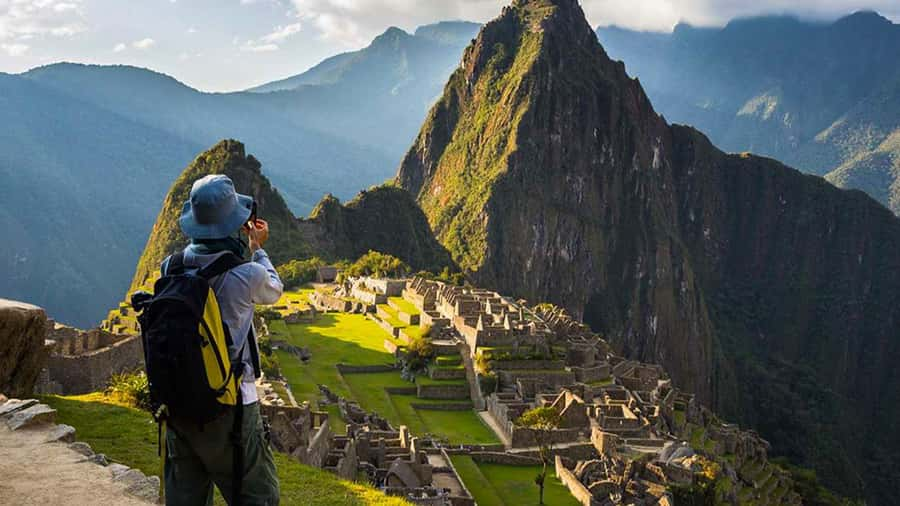
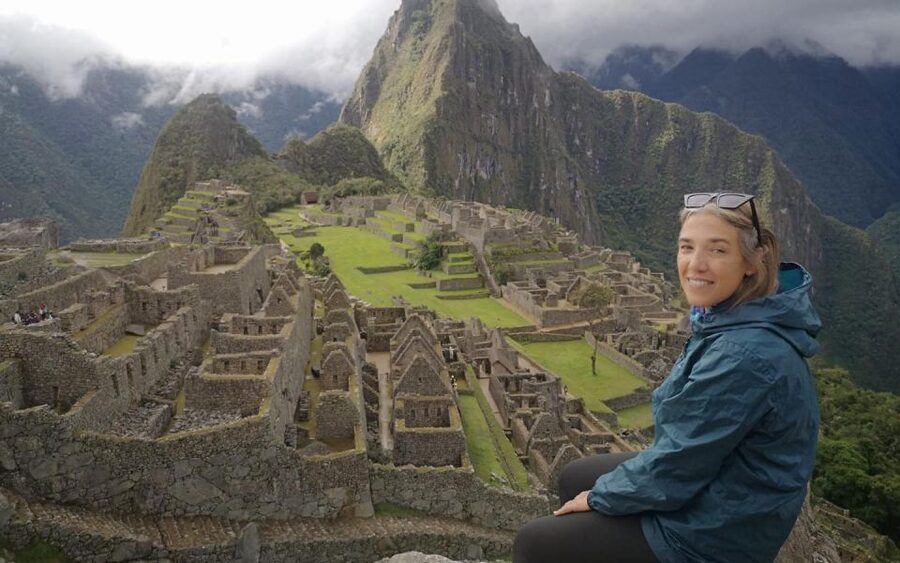
Once there, you enter Machu Picchu for a guided tour. The guide’s rundown is structured around key features, including the Temple of the Sun, the Intiwatana, the Sacred Plaza, the Temple of the Three Windows, and the Temple of the Condor. This is where a guide makes your experience much better than a self-guided wander, because you’ll understand what you’re seeing and why the routes connect.
After Machu Picchu, you take the bus back to Aguas Calientes where you get free time. Then the itinerary has you take the train back to the Ollantaytambo station, and agency staff provide transfer onward to Cusco by tourist transportation.
One small planning note: lunch on the third day is listed as not included. That’s normal for a day built around entry times and return travel, so keep some cash for food or snacks if you want them.
Cost and value: what you’re really paying for at $490 per person
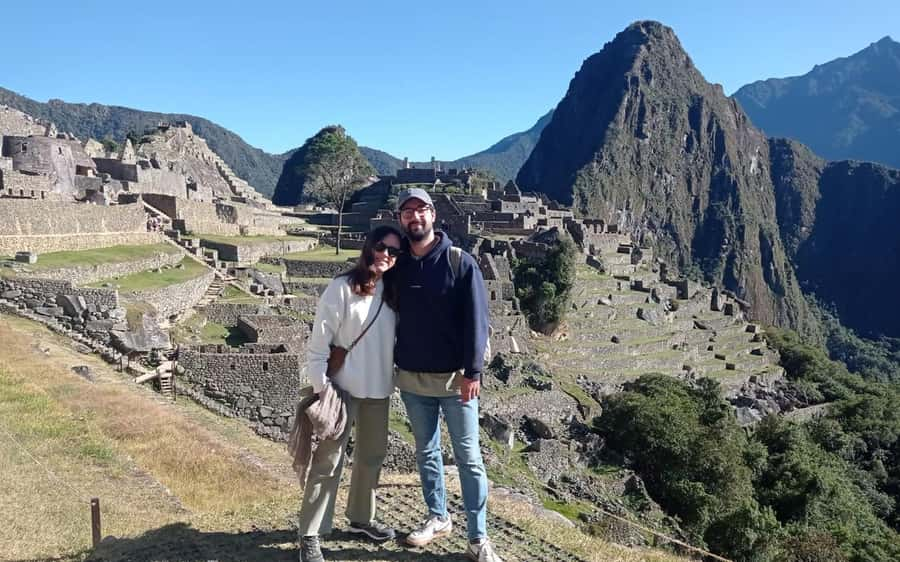
Yes, $490 per person is not cheap. But when I look at value here, I don’t just see “a hike plus Machu Picchu.” I see three major cost drivers bundled together:
First, you’re paying for entrance tickets to both Huchuy Qosqo and Machu Picchu. Second, you’re paying for the heavy logistics: the bus up and down for Machu Picchu, plus the train connection (and transport segments between towns and stations). Third, you’re paying for guides and included meals plus two nights of lodging (one during the trek, one in Aguas Calientes).
The vegetarian meal option is also included with no extra cost, and that’s a real value detail. Nutrition matters when you’re walking hard, and it’s easier when the tour handles it.
Where you should be cautious is effort. If you’re not comfortable with long hikes, you’ll feel every part of the schedule. This is a trek format, not a gentle sightseeing loop.
What’s included (and the few things you’ll need to sort yourself)
Here’s the practical included checklist that matters most:
- A professional bilingual guide in English and Spanish
- Pickup from your Cusco hotel and transfers to the start
- Entrance tickets for Huchuy Qosqo and Machu Picchu
- 2 breakfasts, 2 lunches, 2 dinners, with vegetarian meals available at no extra cost
- 1 night lodge during the trek and 1 night hotel in Aguas Calientes
- Train tickets covering the Ollantaytambo-to-Cusco segment as listed, plus the included train return flow in the itinerary
- Bus tickets up and down: Aguas Calientes to Machu Picchu and back
- Emergency support: emergency oxygen bottle, first aid kit, and one horse in case of emergencies
What’s not included is simpler but important:
- A sleeping bag (you can rent)
- Trekking poles (you can rent)
- Breakfast on the first day and lunch on the third day
Quick gear sanity check
Even if you’re renting poles, you still need to show up with solid hiking shoes, sunscreen, and sunglasses. The packing list also includes cash, passport or ID, personal medication, and a medical statement—so make sure your documents are ready before you go.
Also note the rules: alcohol and drugs are not allowed.
The itinerary rhythm: where the day feels easy and where it feels hard
Day 1 is a mix of climb, then descent, then lake walking. The two-hour climb to the first step means you’ll feel your effort early, and then the lake section becomes the satisfying payoff—walking with a clearer view and lunch waiting.
Day 2 is more “all motion,” with towns along the trail and the Inca site as the main event. The Huchuyqosqo portion is worth it because it’s guided, and you learn the purpose behind terraces and water management. After that, you still walk downhill to Lamay, so you don’t get a full stop after the ruins.
Day 3 is less walking time than the hiking days, but it’s still structured around timing. Machu Picchu has bus rides and a guided tour, so you should plan to stay flexible and ready when your guide’s schedule tells you to move.
Small details that make a real difference
A few things here aren’t flashy, but they help you enjoy the trek:
- Emergency oxygen and first aid: included. That gives peace of mind on a demanding route.
- A horse in emergencies: listed as available. It’s not something you want to need, but it’s good planning.
- Two languages on the guide team: English or Spanish, so you’ll get explanations you can actually use.
- Patabamba night under the stars: this is why the trek feels more personal than a standard day excursion.
- A helpful agency touch: one verified booking said the agency allowed them to store bags for four days, which can make scheduling around Machu Picchu easier if your trip plans are complex.
If you have extra luggage or odd timing needs, it’s worth asking ahead. The more you can relax, the better your legs and your photos will be.
Who this trek fits best
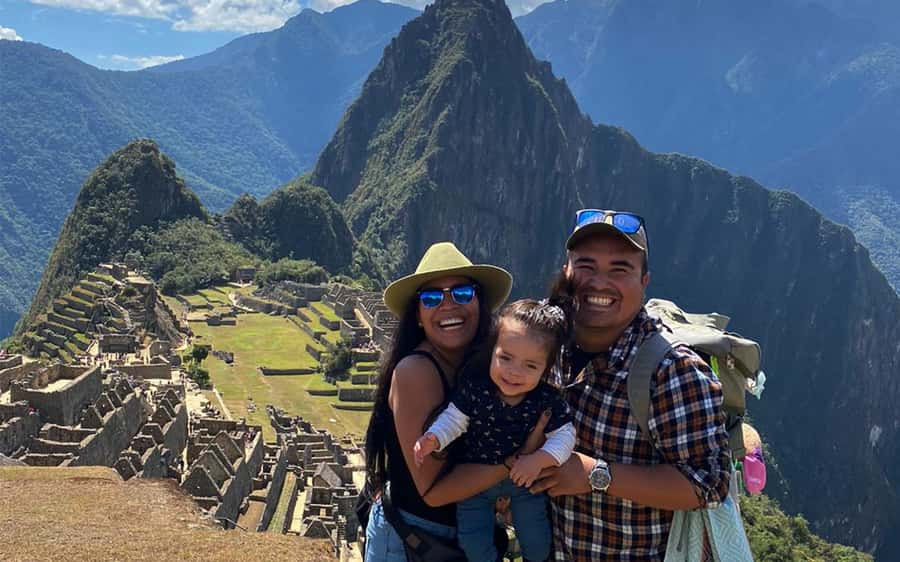
This experience is ideal if you want to combine Peruvian Andes walking with Inca architecture you can understand through a guide, then finish with Machu Picchu in a structured tour.
You’ll likely enjoy it most if:
- You’re comfortable with a route that requires great physical effort
- You like learning while you walk, not only taking photos
- You want culture built into the itinerary (the Patabamba community dinner is a big part of that)
If you’re looking for a super easy, low-effort day trip, this is probably not your match. The schedule is built around long walking segments and active hiking between points.
Should you book this Huchuy Qosqo Trek to Machu Picchu?
I’d book it if your goal is a fuller Inca experience than a single Machu Picchu day. Starting at Huchuy Qosqo, learning about terraces and water systems, and then getting a guided Machu Picchu tour is a strong combo.
I’d think twice if you’re not ready for strenuous walking and downhill climbs. The route is designed to be walked hard, and the tour itself warns about great physical effort.
If you’re the kind of traveler who values good guides, clear explanations, and meaningful cultural time—not just a checklist of famous sites—this is a solid choice for the Cusco region.
FAQ
How long is the Huchuy Qosqo trek to Machu Picchu?
It runs for 3 days.
Do I get a guide, and what languages are available?
Yes. You’ll have a professional bilingual guide who works in English and Spanish.
Are entrance tickets to Huchuy Qosqo and Machu Picchu included?
Yes. Entrance tickets for both archaeological sites are included.
What meals are included during the trek?
You’ll get 2 breakfasts, 2 lunches, and 2 dinners. Vegetarian meal options are available at no extra cost, with breakfast on the first day and lunch on the third day not included.
Where do I sleep each night?
You’ll have 1 night in a lodge during the trek and 1 night in a hotel in Aguas Calientes.
How do you get to Machu Picchu?
You’ll use a bus ticket up and down between Aguas Calientes and Machu Picchu, and you’ll have transportation connections tied to the train and station transfers as part of the plan.
Is there emergency medical support during the trek?
Yes. The inclusions list an emergency oxygen bottle and a first aid kit, and it also mentions one horse in case of emergencies.