REVIEW · KATHMANDU
10 Days Manaslu Circuit Trek in Larke La Pass
Book on Viator →Operated by Himalayan Scenery Treks and Expedition - Private Day Tours · Bookable on Viator
Larke La is the day you remember. This 10-day Manaslu Circuit trek mixes Gurung villages, dramatic Himalayan walking, and a summit day over Larke La Pass (5,160m). You’ll also get built-in recovery time and a team that takes altitude seriously, not casually.
I love how this trip takes the boring-but-important parts seriously: a guide, a porter, permits handled, and a real health check routine with an oximeter twice daily. I also like the way the schedule gives you a true acclimatization day in Sama Gaon, with optional hikes such as Pungyen Gompa (east of the Nubri Valley) or Manaslu Base Camp.
The trade-off is that you’re signing up for altitude and a few long travel days, plus basic trekking-lodge life. If you expect private rooms, hot showers on tap, or easy power for charging, you’ll want to adjust—shared tea houses are part of the deal.
In This Review
- Key points to know before you go
- Price and logistics: what your $1,049 really buys
- Day 1: Kathmandu to Machhakhola with the long drive reset
- Days 2–3: Budi Gandaki river walking and Gurung villages
- Day 4: Deng to Namrung and the suspension-bridge climbs
- Day 5: Namrung to Sama Gaon, plus why this stop is strategic
- Day 6: Acclimatization in Sama Gaon with two optional hikes
- Day 7: Sama Gaon to Dharamsala and the yak country shift
- Day 8: Dharamsala to Bhimtang and the long push toward Larke La
- Day 9: Bhimtang to Dharapani, descending through Karche
- Day 10: Dharapani to Besisahar, then back to Kathmandu or Pokhara
- Safety and your team: permits, oxygen checks, and real support
- Tea-house trekking: what “shared lodges” means for your daily comfort
- Who should book this Manaslu Circuit trek
- Should you book the 10-day Manaslu Circuit with Larke La Pass?
- FAQ
- What is the trek duration and overall route timing?
- How hard is the trek day-by-day?
- Is Larke La Pass part of the trip, and what altitude is it?
- Are permits included in the price?
- Where do I stay during the trek?
- Do I get a guide and porter?
- How does the tour handle altitude safety and medical checks?
- What meals are included?
- What is not included, so I can budget ahead?
- Are there any luggage or clothing items provided?
Key points to know before you go
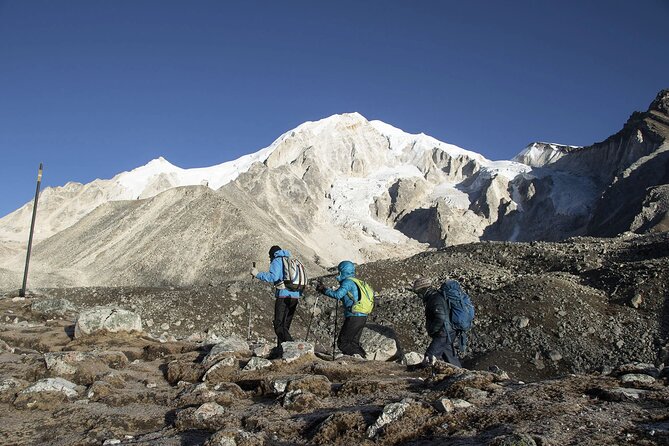
- Larke La Pass included at 5,160m: this is the main goal of the trek, and the days around it are built for that effort.
- Oxygen monitoring twice daily: your pulse/oxygen/heart rate gets checked with an oximeter for added safety.
- Sama Gaon acclimatization day: you get options like Pungyen Gompa or Manaslu Base Camp to help your body adjust.
- Permits handled (ACAP, MCAP, and restricted areas): less paperwork stress and fewer last-minute surprises.
- Small group size (max 20): easier logistics, more teamwork on the trail.
- Porter support (1 for 2 trekkers): your load can stay reasonable, which matters at altitude.
Price and logistics: what your $1,049 really buys
This trek costs $1,049 per person, and the value isn’t just the scenery. A big chunk covers the parts that can derail a Himalayan trek: permits (ACAP, MCAP, plus restricted-area access), a government-licensed guide, and a porter. You’re also getting shared vehicle transfers between Kathmandu and Machhakhola, and again from Dharapani back toward Kathmandu.
Food coverage is partial but meaningful: breakfast (10), lunch (9), and dinner (9) are included, so you don’t have to think about meals every day. On top of that, the trip includes an oximeter for safety checks, a medical kit with first aid items, and severe case evacuation management for serious emergencies.
What’s not included matters for budgeting. The Nepal entry visa fee is extra, tipping is extra, and battery charging, internet, and hot shower costs are not covered. Also, drinks (including alcoholic and non-alcoholic) are not included, so plan for that if you like a little comfort after a long day.
You can also read our reviews of more tours and experiences in Kathmandu.
Day 1: Kathmandu to Machhakhola with the long drive reset
Your first day starts with a scenic drive from Kathmandu to Machha Khola, about 8 to 9 hours depending on conditions. This isn’t a light warm-up hike day. It’s a transfer day that gets you into the river-valley rhythm where the trek really starts.
Why I like this approach: it reduces the odds you’ll cram too much effort on day one. You’re essentially trading city stress for road time, then waking up ready to walk.
The drawback is simple: you’ll want to feel comfortable in a vehicle for hours. If you’re the type who gets travel-stiff quickly, bring a strategy for stretching during rest stops.
Days 2–3: Budi Gandaki river walking and Gurung villages
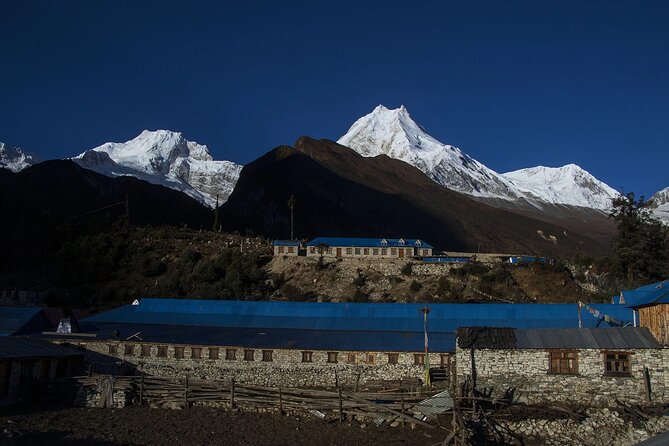
Day 2 takes you from Machha Khola to Jagat in about 6 hours, following the Budi Gandaki river bank. This is the kind of trail day that helps you settle into the pace: steady walking, village scenes, and a landscape that stays human-scaled.
By day 3, you’re moving from Jagat to Deng (about 6 to 7 hours). The route includes river crossings and continues through the area near Philim along the way. These earlier days tend to be where you learn how the trek feels—breathing, footing, and how quickly you warm up once you’re moving.
One practical note: you’ll likely spend less time staring at your feet here than on steeper days later. Use this time to get your rhythm, not to rush. Manaslu is about the long game.
Day 4: Deng to Namrung and the suspension-bridge climbs
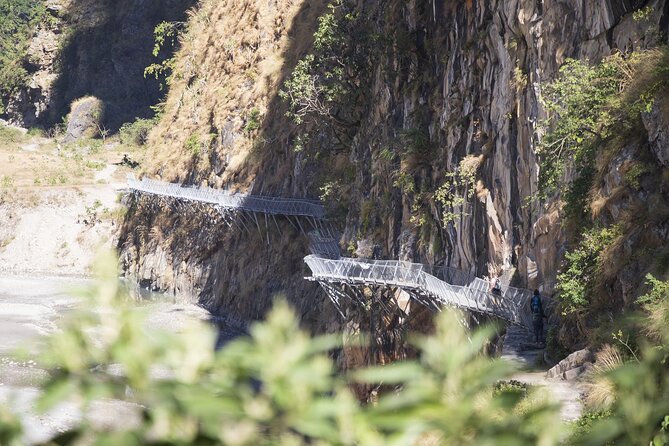
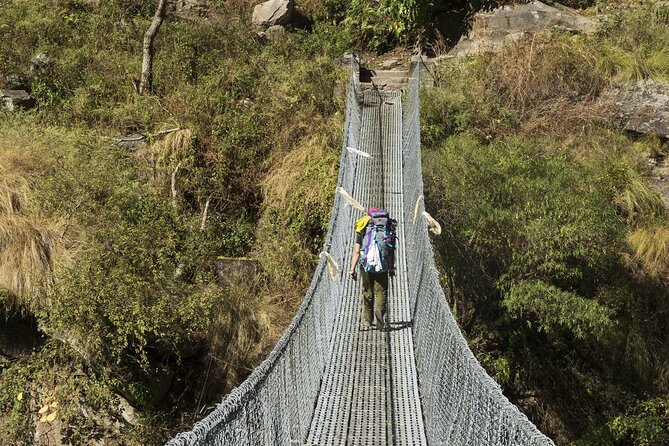
Day 4 goes from Deng to Namrung in about 7 to 8 hours. The description calls out a suspension bridge plus an ascent toward Rana and Bihi Phedi, which usually means more effort than the earlier valley stretches.
What you gain here is “real trekking energy.” This isn’t just village-to-village walking. You’ll feel the trail start to tilt upward, and the air will feel sharper as your body adapts.
If you’re prone to overdoing it early, this is where that habit can cost you later. I’d pace yourself even if the views tempt you to sprint.
Day 5: Namrung to Sama Gaon, plus why this stop is strategic
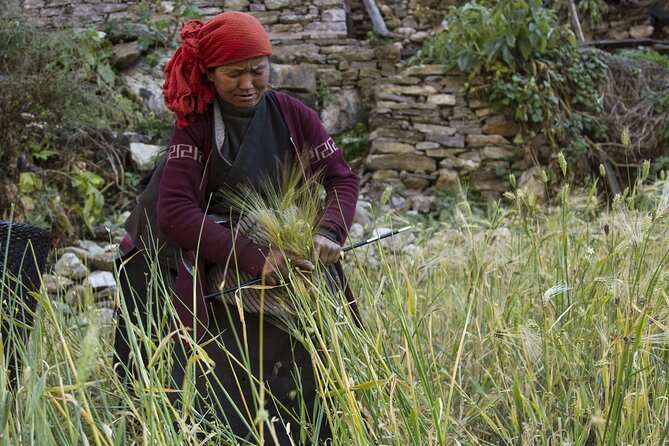
Day 5 is the push to Sama Gaon, roughly 15.5 kilometers (about 9.6 miles) in 6 to 7 hours. That mix—distance plus climbing time—makes Sama Gaon a key “landing” point before your important adjustment day.
Sama Gaon is where you start to feel the Manaslu feel: a quieter village mood, the sense that big mountains are closer, and a shift from early-circuit comfort to high-altitude routine. Even the logistics around you start to matter more: water, breathing, and sleep quality.
If you want the best experience, use day 5 to walk steady and arrive early enough to rest before night. This trek’s later challenge goes smoother when your body isn’t already stressed from the day.
Day 6: Acclimatization in Sama Gaon with two optional hikes
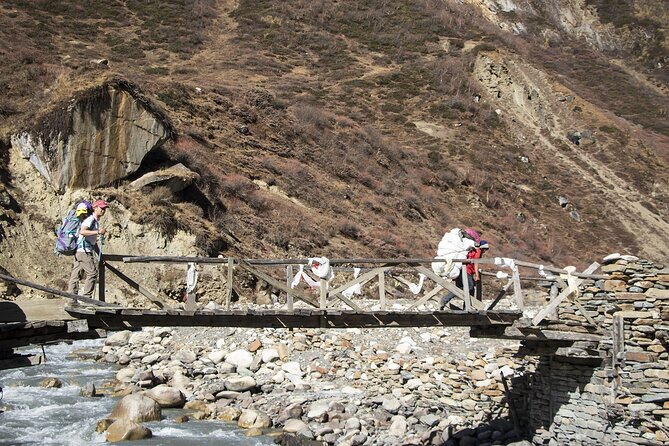
Today is the important day: acclimatization in Sama Gaon. The trek offers two side-trip options—Pungyen Gompa to the east of the Nubri Valley, or Manaslu Base Camp—time is about a 5-hour day trip on paper.
This is one of my favorite parts of this itinerary. It’s not a full rest day. It’s a controlled way to help your body adjust while still moving.
How to choose between the options? Pick based on your comfort with altitude effort. If you feel good, the hike to a base-camp-style destination can be rewarding. If you feel even slightly off, go with the shorter-feeling option and focus on resting after.
Either way, keep the rule simple: acclimatization days exist for a reason. Treat this one like it’s part of the summit plan, because it is.
Day 7: Sama Gaon to Dharamsala and the yak country shift
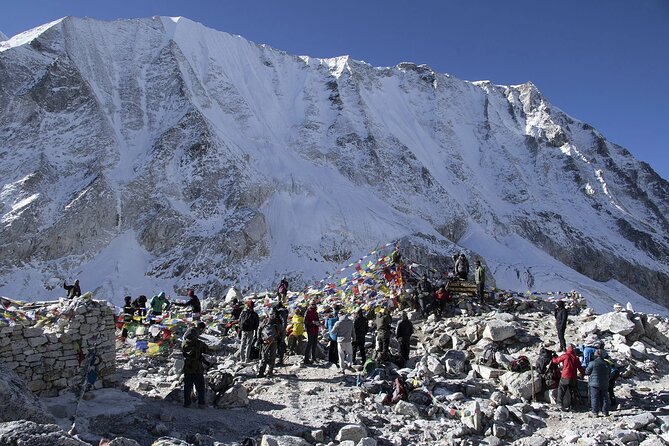
Day 7 takes you from Sama Gaon to Dharamsala, about 6 to 7 hours. The route moves into a zone described as land of yaks, and you’ll likely notice the change in how the valley looks and how the trail feels.
This day matters because it builds you toward the pass window. You’ll want energy for the longest and most demanding walk later.
If you’ve never done an altitude trek before, this is where you’ll start to understand a key truth: the mountains don’t care if you feel excited. Your body has its own agenda. Slow down before you feel forced to.
Day 8: Dharamsala to Bhimtang and the long push toward Larke La
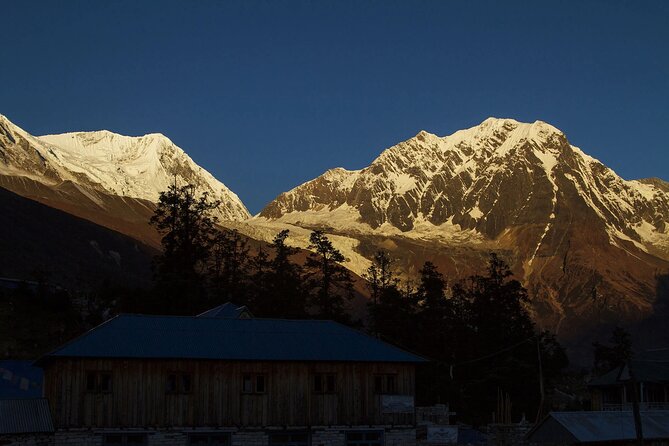
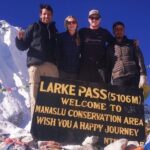
Day 8 is flagged as the longest walk: Dharamshala to Bhimtang in about 8 to 9 hours. The itinerary text points you toward the Larkya La area, and the trek overview identifies Larke La Pass at 5,160 meters as the signature challenge.
This is the day you treat like a summit day, even if the exact timing is weather-dependent. Think steady and careful. Save your big energy for the view moment, not for early acceleration.
One thing I really appreciate here is the safety layer built into the tour. You’re not just told to “go slow.” The trip includes a safety tool—your health checks with an oximeter twice daily—which helps you and your guide make smarter decisions if you start struggling.
Day 9: Bhimtang to Dharapani, descending through Karche
Day 9 goes from Bhimthang to Dharapani in about 8 hours, with a gradual descent through the village of Karche. After the pass challenge day, descending can feel like a relief, but it’s not always easy on your legs.
Descending helps you reset your breathing, but you’ll still work hard. Watch your step on uneven ground and don’t let the excitement of lighter air make you forget balance.
This is also where you start noticing how the trek’s mood changes. The mountain silence stays, but the daily rhythm gets smoother, and you’re heading toward the final leg out.
Day 10: Dharapani to Besisahar, then back to Kathmandu or Pokhara
Day 10 is the exit day. You trek from Dharapani to Besisahar (about 1 hour), then drive to Kathmandu or Pokhara with an estimated 8 to 9 hours to Kathmandu. The option to continue onward toward Pokhara depends on your travel plan.
Why this setup works: you don’t spend your last hours grinding uphill. You end with a quick walk and an easier transition into real-world comfort.
A small caution: that long drive can feel longer than you expect after a high-altitude week. Plan downtime after arrival—no big schedules on the day you get back.
Safety and your team: permits, oxygen checks, and real support
This trek is built with safety and logistics tied together. Permits are included, including ACAP and MCAP and restricted-area entry permits. That matters on this route because it keeps the operation legal and organized.
Your team setup is clear: you travel with a government licensed guide plus a porter (designed as 1 porter for every 2 trekkers). The porter support includes food, accommodation, transport, insurance, and salary—meaning you’re not juggling extra arrangement headaches.
On the health side, the tour includes an oximeter to monitor pulse, oxygen saturation, and heart rate twice daily. There’s also a medical kit with first aid and severe case evacuation management if something serious happens.
In the real world, a good guide makes a difference. The trip has guides you can trust based on prior experiences, including Narayan Ntc and Gopal, with Kathmandu support from Naresh. That kind of continuity tends to make the whole trek calmer when road conditions or weather shift.
Tea-house trekking: what “shared lodges” means for your daily comfort
You’ll sleep in trekking lodges (tea houses) shared with other trekkers. That’s part of how these routes stay affordable and logistically possible.
From a comfort standpoint, the tour does not include hot showers, battery charging, or internet. So if you want your electronics fully topped up, you’ll need to budget and handle it yourself. Also, alcoholic and non-alcoholic drinks are not included, so your post-walk wind-down will depend on what you bring or buy separately.
This isn’t a luxury trek. It’s a practical one. The upside is that the route is set up to keep you moving, with meals and key safety pieces handled.
Who should book this Manaslu Circuit trek
This is a good fit if you have moderate physical fitness and you want a structured circuit that includes both acclimatization and a true high pass goal. It also makes sense if you like small-group teamwork and don’t want to run the permitting and guide/porter side alone.
If you’re curious about your first high-altitude trek, the overall approach can work because the schedule includes a dedicated adjustment day and daily health monitoring. If you’re very sensitive to long drives, basic lodging, or you require private comfort, you may find the setup more rustic than you hoped.
Group size is capped at 20 travelers, which usually helps keep things organized without turning the trail into a crowd.
Should you book the 10-day Manaslu Circuit with Larke La Pass?
I’d book it if you want a serious mountain trek that handles the paperwork, the staffing, and the health checks. The combination of included permits, an oximeter twice daily, and an acclimatization day in Sama Gaon makes this route feel more controlled than most DIY plans.
Skip it if you mainly want luxury comfort, private rooms, unlimited charging, and hot showers included in the price. This is a trekking program built for the trail, not for spa-level downtime.
If you match the fitness level and your expectations are aligned with tea-house reality, this can be one of the most satisfying Himalayan circuits you’ll do.
FAQ
What is the trek duration and overall route timing?
The trek is listed as 10 days (approx.). It includes shared vehicle drives on the first day from Kathmandu to Machha Khola and on the way back from Dharapani to Kathmandu (or onward to Pokhara depending on your plan).
How hard is the trek day-by-day?
Walking times range from about 6 to 8 hours on several days, with the longest day at roughly 8 to 9 hours (Dharamsala to Bhimtang). Some days are shorter (for example, Day 10 includes about 1 hour from Dharapani to Besisahar), while travel days include longer driving.
Is Larke La Pass part of the trip, and what altitude is it?
Yes. The trek highlights conquering Larke La Pass at 5,160 meters.
Are permits included in the price?
Yes. The tour includes necessary permits, including ACAP, MCAP, and restricted area entry permits.
Where do I stay during the trek?
You stay in trekking lodges (tea houses) shared with other trekkers.
Do I get a guide and porter?
Yes. The package includes a government licensed guide and a porter, with a porter ratio of 1 porter for 2 trekkers. Porter support includes food, accommodation, transport, insurance, and salary.
How does the tour handle altitude safety and medical checks?
An oximeter is included to monitor pulse, oxygen saturation, and heart rate twice daily. There is also a medical kit with first aid items and severe case evacuation management.
What meals are included?
Breakfast is included for 10 days, and lunch and dinner are included for 9 days each.
What is not included, so I can budget ahead?
Not included: private transportation, meals and hotel accommodation in Kathmandu, the Nepal entry visa fee, personal expenses, alcohol and drinks, battery charging, internet, and hot shower. Tipping for guide, porter, and driver is also not included.
Are there any luggage or clothing items provided?
The trip includes a trekking map, Trekking Hat, duffel bag, and a trip achievement certificate.