REVIEW · FALSET
Trek & Wine in Priorat
Book on GetYourGuide →Operated by El Brogit - Eco&WineTourism in Catalonia · Bookable on GetYourGuide
Priorat tastes better when you walk first. This Trek & Wine outing pairs an easy vineyard stroll with a winery tasting, so you’re not just drinking wine in a room. You’re getting the story in the place where it’s made.
I like how the walk is led by a local and focused on unspoiled, lesser-known spots between vineyards, which makes the views feel personal and calm. I also like the winery side, because the visit can include time with Jaume Balagué’s vineyard and bodega, where you learn about his wine-making philosophy and how terroir shows up in the glass.
One drawback to factor in: train travel isn’t covered, and the Carthusian monastery stop (if you’re interested) comes with extra tickets and is closed on Mondays.
In This Review
- Quick hits before you go
- Priorat’s wine country works best on foot
- 5 hours, easy half-day pace, and a plan you can actually follow
- Getting there with the train (and why it’s part of the experience)
- The vineyard trek: local guide, unspoiled stops, and changing scenes
- Monastery add-on potential (and the Monday catch)
- Winery visit and tasting: where terroir turns into a lesson
- DOQ Priorat vs DO Montsant: how to taste with context
- What you should pack for a vineyard day
- Price and value: what you’re really paying for
- Language and group style: a day that’s easy to enjoy
- Who this tour suits best
- Should you book Trek & Wine in Priorat?
- FAQ
- How long is Trek & Wine in Priorat?
- What’s included in the tour price?
- What is not included?
- Is pickup available?
- Can the walk or winery visit be adjusted?
- What should I bring?
Quick hits before you go
- A local-led walk through Priorat’s vineyards with stops that feel off the usual route
- Winery visit and tasting included (in reviews, Jaume Balagué’s bodega is a standout)
- Train-first plan that helps you skip driving and parking stress
- Private group, flexible pace so the walk can be adjusted to your needs
- Monastery timing matters since the Carthusian monastery is closed on Mondays
Priorat’s wine country works best on foot
Priorat is the kind of wine region that feels old on purpose. The area has a tradition going back to the 12th century, and the wines are known for a powerful flavour and taste. That matters because on this tour you’re learning the region as a system, not just ticking off tasting notes.
The tour also gives you a way to see how the Priorat wine world is organized today. You’ll hear about the two appellations of origin: DOQ Priorat (tied to the historic Priorat territory) and DO Montsant, a newer DO that still produces surprisingly good wines. On a short trip, that kind of context helps you understand why bottles labeled Priorat can taste different from each other.
5 hours, easy half-day pace, and a plan you can actually follow
The whole experience runs about 5 hours. The walking portion is described as an easy half-day walk, which is key if you want a wine day without turning it into a fitness project. You’ll still want good shoes, though, because vineyards mean uneven ground and outdoor weather.
What I like about the time setup is that it’s long enough for a real taste of the region, but short enough that you can still enjoy the rest of your day after. If you’re scheduling this around a train journey, this duration is also practical.
You also get flexibility: the walk and the winery visit can be customized based on preferences and needs. That’s useful if you want more walking time, less walking time, or if you’re more interested in the vineyard side versus the wine-making side.
Getting there with the train (and why it’s part of the experience)
This tour is built for people who want to avoid driving. It specifically encourages taking the train, and the reason is simple: you get to focus on the day instead of logistics and traffic.
Still, plan ahead for one piece. Train tickets and the train ride to Marçà-Falset aren’t included. So you’ll need to handle that part on your own. The good news is that the tour does handle pickup once you’re in the right place.
Pickup is included, with flexible meeting points from hotels, accommodation, and train stations. You just need to contact the provider at least a day before the tour by phone or email ([email protected]) to set the exact pickup location and time.
The vineyard trek: local guide, unspoiled stops, and changing scenes
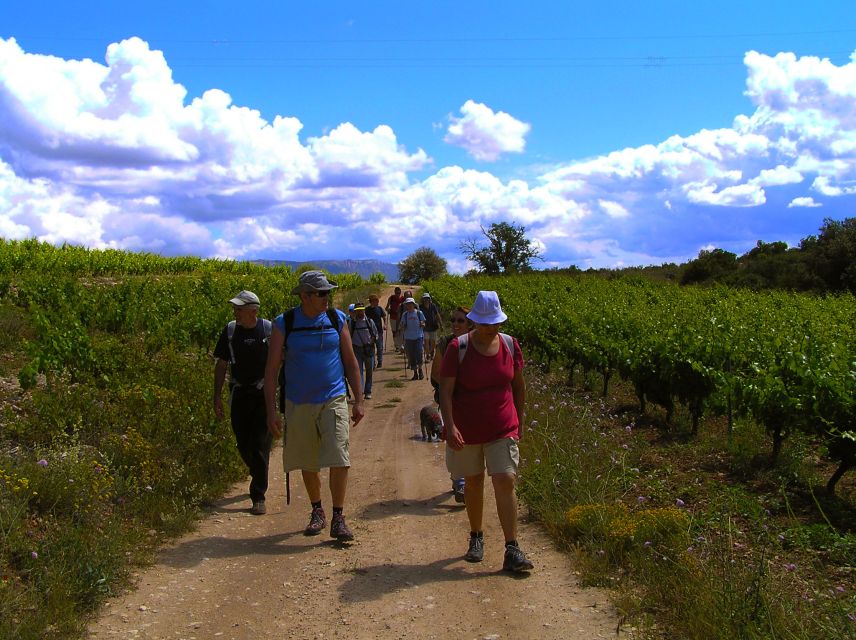
The heart of the day is a guided trek among vineyards in Priorat. You’re not walking in a straight line through one postcard spot. Instead, you’re taken to lesser-known areas and unexpected viewpoints between vineyards, guided by a local.
The tour notes mention that the Priorat scenery shifts through the four seasons, with changing colours and intensive aromas. Even if your trip is only one season, it helps you understand why the region has such a strong sense of place. Wine doesn’t grow in a static environment, and walking the hills and rows makes that feel obvious.
You’ll also get a clear reason why this kind of trek matters for your wine tasting. When you see the terrain and vineyard rhythm firsthand, the later tasting stops feeling random. You’re able to connect what you smell and see outdoors with what ends up in the glass.
Monastery add-on potential (and the Monday catch)
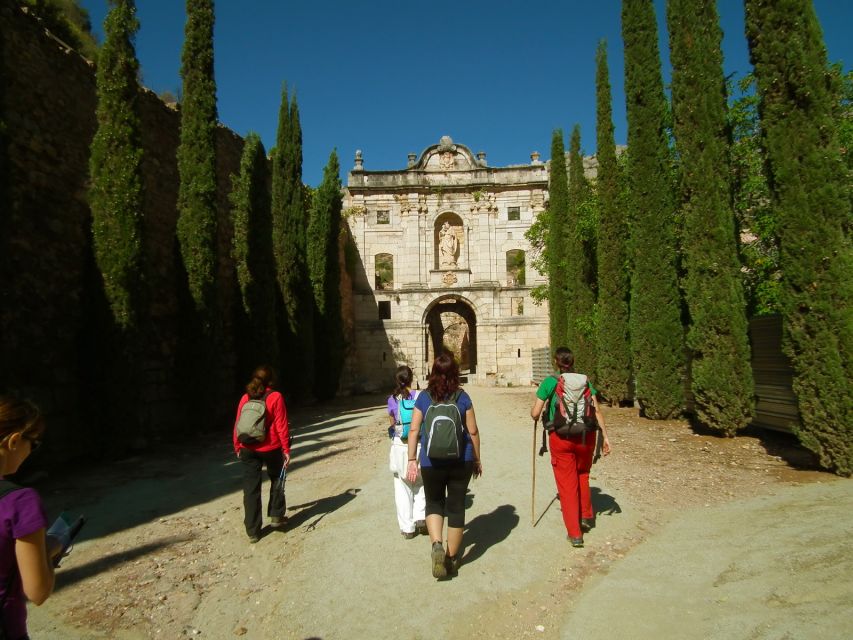
One review mentions exploring a monastery and learning historical bits during the day. That lines up with the tour’s general possibility of adding a Carthusian monastery element, but here’s the practical warning: tickets to enter the Carthusian monastery aren’t included, and the monastery is closed on Mondays. If you’re traveling on a Monday and the monastery matters to you, plan for an alternate focus on vineyards and the winery stop.
Winery visit and tasting: where terroir turns into a lesson
The second half of the day is the winery visit and wine tasting. This is where the tour earns its name, because you’re not just “tasting wine,” you’re being guided through how the region expresses itself.
In reviews, Jaume Balagué’s vineyard and bodega is singled out as a highlight. The standout part wasn’t only the tasting. It was the learning: his wine-making philosophy and how different terroirs can lead to noticeable differences in the wines. That’s the kind of explanation that sticks, especially when you’re trying to make sense of Priorat’s reputation for powerful flavour.
Another detail from the reviews is the guide’s personal connection to wine. For example, Meritxell is praised as rooted in the region and as someone who has produced wine herself. That kind of firsthand perspective tends to change the tone of a visit. Instead of hearing facts, you hear how the whole cycle works—from growing to making the wine to tasting it with intention.
Also, the tour is run as a private group. That usually means you can ask questions without time-pressure, which matters when you’re learning what to look for during tasting.
DOQ Priorat vs DO Montsant: how to taste with context
Priorat has two appellations of origin you’ll hear about on this tour. DOQ Priorat is tied to the historic Priorat territory. DO Montsant is a newer DO, and the tour description points out that it can deliver wines that are surprisingly good.
Why this matters for you on tasting day: if you go in only expecting one style of Priorat, you can miss the point. With the DO context, you’re more likely to notice distinctions between bottles and understand that the region’s identity can show up in different ways.
And because the wines are described as powerful in flavour and taste, your tasting will probably reward attention. You’re likely to get more out of the experience if you take short notes or at least mentally track which bottle pairs with which vineyard story you heard earlier.
What you should pack for a vineyard day
Even though the walk is described as easy, you’ll still be outside. Bring what helps you enjoy the day instead of rushing to fix discomfort.
- Comfortable shoes
- Sun hat
- Sunscreen
- Water
- Comfortable clothes
That list isn’t filler. Vineyard walking means sun exposure and dry air can sneak up fast. Water also helps because the tour is short but active, and you’ll want to stay comfortable during the winery tasting.
Price and value: what you’re really paying for
The price is listed at $106 per person for a 5-hour experience. That’s not a “cheap and cheerful” half-day, so you should judge the value by what’s included.
You’re getting:
- A half-day guided walk among vineyards with a local guide
- A winery visit and wine tasting
Those two pieces are the expensive part of most wine days: a guide for time on the ground plus a tasting visit that goes beyond pouring a couple glasses. Since train tickets and the ride to Marçà-Falset aren’t included, you should also budget for getting to the meeting point.
Where the value starts to look strong is in the personalization and pace control. The route can be adjusted to your needs, and it’s a private group. If you’re traveling with someone who likes asking questions and slowing down, that private format can make a bigger difference than it seems.
If you’re the type who wants a guided day rather than a self-directed vineyard-and-bottle scramble, $106 starts to feel like paying for clarity: where to walk, what to notice, and how to connect it to what you drink.
Language and group style: a day that’s easy to enjoy
The tour runs with a live guide and offers languages including Catalan, Spanish, English, and German. That matters more than you might think, because tasting days get better when you can follow the explanations clearly.
It’s also a private group. That tends to make the day feel calmer and more conversational. Instead of counting on a schedule that fits a large crowd, you get more room for the walk and tasting to match your interests.
And as mentioned earlier, the walk and winery visit can be customized. That’s the kind of flexibility that helps if your party includes different walking comfort levels or different tasting preferences.
Who this tour suits best
This Trek & Wine in Priorat is a great match if you want:
- A guided vineyard walk instead of a drive-and-hope plan
- A tasting that comes with regional context like DOQ Priorat and DO Montsant
- A smaller, private-group feel where you can ask questions
- A half-day structure that doesn’t eat your whole trip
It’s also a good fit if you care about sustainability in a practical way. Taking the train and skipping the car turns the tour into a smoother day overall, not just a “nice idea.”
If you only want a quick sip-and-leave tasting with no walking component, you might find the trek part unnecessary. But if you enjoy connecting scenery, history, and taste, this tour is built for that link.
Should you book Trek & Wine in Priorat?
I’d book it if you’re looking for a Priorat day that’s guided in both directions: you walk the vineyards, then you taste with explanation. The combination of a local-led stroll, wine tasting, and private-group pacing is the core reason this experience works.
I’d hesitate if you’re visiting on a Monday and you specifically want the Carthusian monastery stop, since the monastery is closed and the entry tickets aren’t included anyway. And I’d also plan your train logistics in advance because train tickets and the ride to Marçà-Falset aren’t part of the package.
If you like thoughtful wine tourism—where someone can explain terroir and show you why the region tastes the way it does—this is a strong bet.
FAQ
How long is Trek & Wine in Priorat?
The tour lasts about 5 hours, with a half-day guided walk among vineyards and a winery visit with wine tasting.
What’s included in the tour price?
You get a half-day guided walk among vineyards and a winery visit with a wine tasting.
What is not included?
Train tickets and the train ride to Marçà-Falset are not included. A picnic lunch or restaurant booking isn’t included (though it can be arranged in advance). Carthusian monastery entry tickets are not included, and it’s closed on Mondays.
Is pickup available?
Yes. Pickup is included from hotels, accommodation, train stations, and other flexible locations. You’ll need to contact the provider at least one day before the tour to arrange the pickup time and spot.
Can the walk or winery visit be adjusted?
Yes. The walks can be adjusted to your needs and preferences, and the winery included can be customized as well.
What should I bring?
Bring comfortable shoes, a sun hat, sunscreen, water, and comfortable clothes.