REVIEW · POKHARA
From Pokhara: 3-Day Ghorepani Poonhill Short Trek
Book on GetYourGuide →Operated by Linkage Tour & Travel · Bookable on GetYourGuide
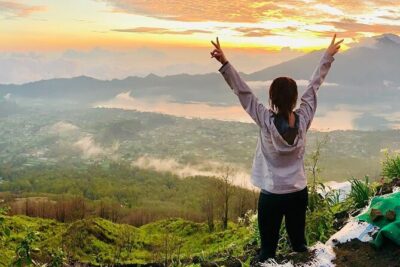
Poon Hill sunrise is the big headline. This 3-day trek from Pokhara ties together Ulleri, Ghorepani, and the Himalayan viewpoint at 3210 m, with transport and lodge stays handled. It’s one of those short trips where you still get real trekking time, not just a walk to a photo spot.
I like two things a lot: first, the route’s mix of river walking and village paths, including time near the Modi Khola and the Magar village of Ulleri. Second, the payoff at dawn—clear views over Annapurna, Dhaulagiri, Nilgiri, Himchuli, and Machhapuchchhre from Poon Hill. If you get a guide like Bidur, Kshitiz, or Paras (names shared in past trips), you’ll likely feel supported on the tougher bits.
One consideration: meals are not included, and prices on the way are higher than average, so you’ll want cash ready and a plan for eating more than just snacks. Also, it starts early enough that you’ll feel the chill at higher elevation compared with Pokhara.
In This Review
- Key things I’d mark on your mental map
- Why this 3-day Pokhara-to-Poon Hill trek works
- Day 1: Nayapul to Ulleri, river paths and village life (about 5–6 hours)
- Day 2: Ulleri to Ghorepani, oak and rhododendron on the climb (about 4–5 hours)
- Day 3: Poon Hill at dawn, then back to Nayapul and Pokhara
- Guides, organization, and why it changes the feel of the trek
- Price and value: what your $160 covers (and what it doesn’t)
- Lodges, comfort, and what to expect at night
- Who this trek is best for
- Should you book the 3-Day Ghorepani Poon Hill Short Trek from Pokhara?
- FAQ
- How long is the trek?
- Where does the trek start from?
- Is pickup and drop-off from Pokhara included?
- How do you travel between Pokhara and Nayapool?
- What kind of accommodations are included?
- Is an Annapurna Conservation Area permit included?
- Do I need a TIMS card?
- Is there an English-speaking guide?
- Are meals included in the price?
- What’s the cancellation policy?
Key things I’d mark on your mental map
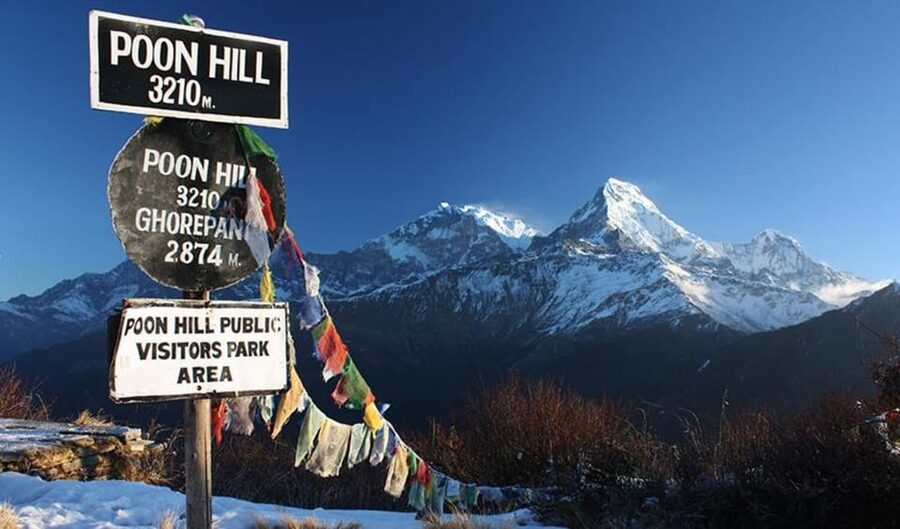
- Poon Hill at 3210 m: a focused, dawn-timed climb designed for big sunrise views.
- Ulleri village walking: you move through Magar settlements and lived-in paths, not just viewpoints.
- Forest sections: you pass through oak and rhododendron areas as the trail rises.
- Lodge overnights at Ghorepani: a short, comfort-friendly base in the Annapurna Conservation Area.
- Permits included: Annapurna Conservation Area entrance fees and TIMS card fees are covered.
Why this 3-day Pokhara-to-Poon Hill trek works
This trek is built for people who want the Annapurna area without committing to a big, many-week adventure. You get three distinct days: a first leg that puts you into the Ulleri area, a second day that climbs into Ghorepani, and a final morning hike up to Poon Hill for sunrise—then a straightforward return to Pokhara.
The value is in the structure. A 3-day itinerary means less uncertainty about schedules, and you get lodge-based sleeping (guest houses/lodges) rather than camping. You also travel with an English-speaking guide, plus the big administrative items are handled: TIMS card fees and the Annapurna Conservation Area entrance permit and fees are included.
And yes, the trek is short, but it’s not weightless. You’ll spend several hours walking each day, and the elevation gain is real enough that pace matters. One past group noted the trek was tough in some parts, but their guide was attentive and kept everyone moving safely.
You can also read our reviews of more tours and experiences in Pokhara.
Day 1: Nayapul to Ulleri, river paths and village life (about 5–6 hours)
Day one starts with an early drive from Pokhara to Nayapul, followed by trekking that gradually transitions from lower terrain toward the Ulleri area. On the trail, the route tracks along the Modi Khola river for a while, which is great because the walking feels grounded—there’s a sense of rhythm as the valley shapes the day.
As you move forward, you’ll pass through small communities, including Birethanti and then onward to Tikedhunga before reaching Ulleri (1940 m), where you’ll spend the night in a cozy lodge.
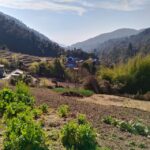
What makes this day special is the texture of the hike. You’re not only “going uphill”; you’re walking past normal village activity—paths, farm edges, and the kind of everyday life that’s hard to catch from a bus window. If you enjoy trekking where you can glance at real homes and local routines, this first day delivers.
The tradeoff is that day one is your warm-up for the effort. If you start feeling slow, it’s usually not a disaster—it’s just the body adjusting. Keep your steps steady and let the scenery work for you.
Day 2: Ulleri to Ghorepani, oak and rhododendron on the climb (about 4–5 hours)
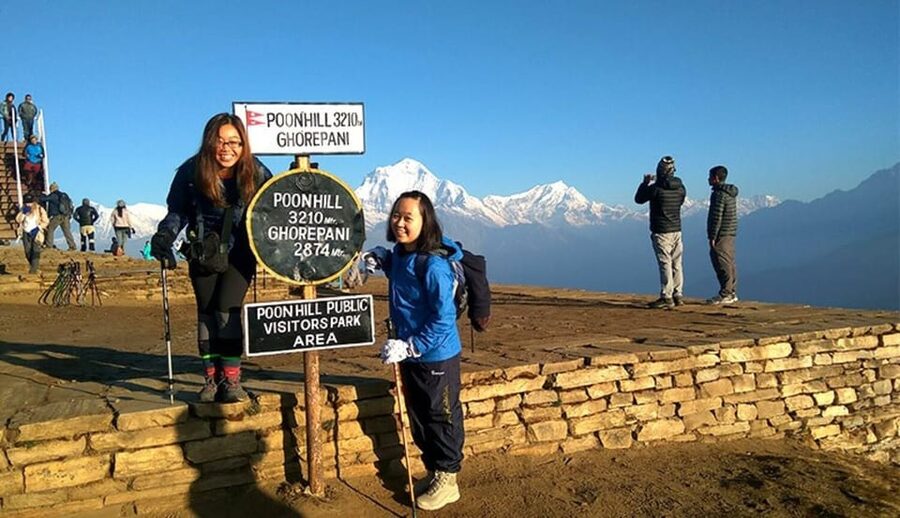
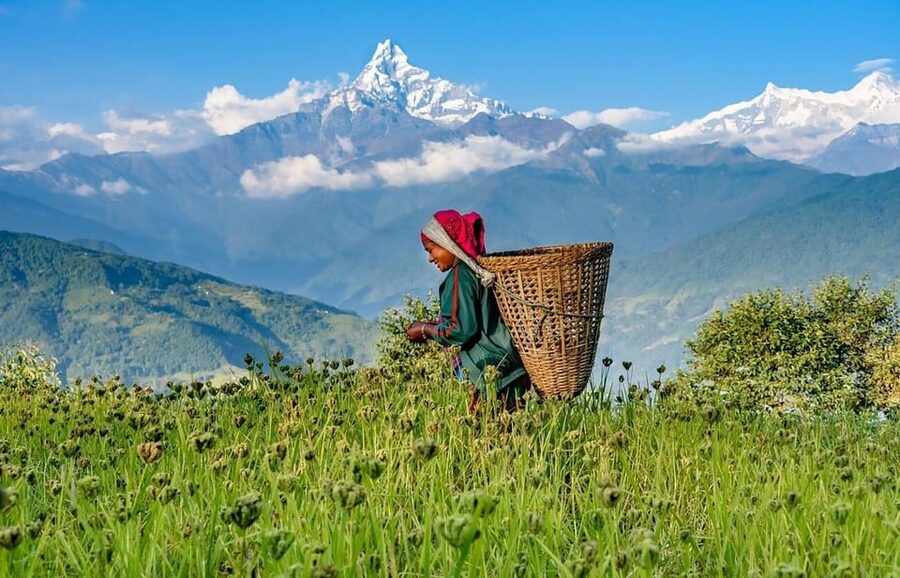
Day two keeps moving uphill and shifts the scenery as altitude rises. After breakfast in Ulleri, you trek toward Banthali (2250 m), then continue through forests—specifically oak and rhododendron areas—before reaching Nangathanti (2460 m). From there the path climbs more, gaining elevation for about an hour before you finally arrive at Ghorepani (2870 m) for the night.
This is the day when you feel the trail become more “mountain trek” and less “valley walk.” Forest shade can help, and the changing plant life gives your eyes something to do besides counting steps. It also tends to make the hike feel like it has chapters, not just one long grind.
If you’re the kind of person who wants sunrise payoff at the end, day two matters because it positions you right where you need to be. Ghorepani is high enough that the next morning’s climb to Poon Hill feels like a clear, short mission instead of a whole additional trekking day.
A practical note from real-world experience: along the route, lodge heating and decent meals can be available, but you should still expect costs for food to be higher than normal. One review specifically called out heating and good food in sleeping places for the overnight stay—still, plan financially for meals since they are not included.
Day 3: Poon Hill at dawn, then back to Nayapul and Pokhara
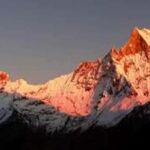
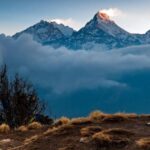
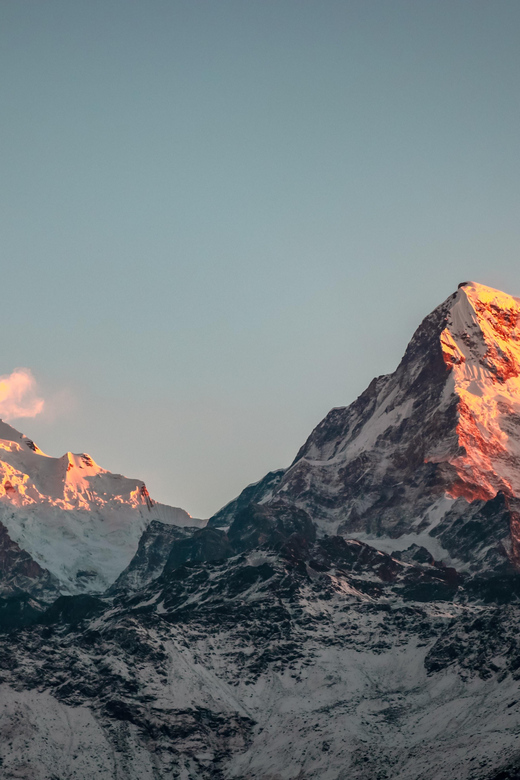
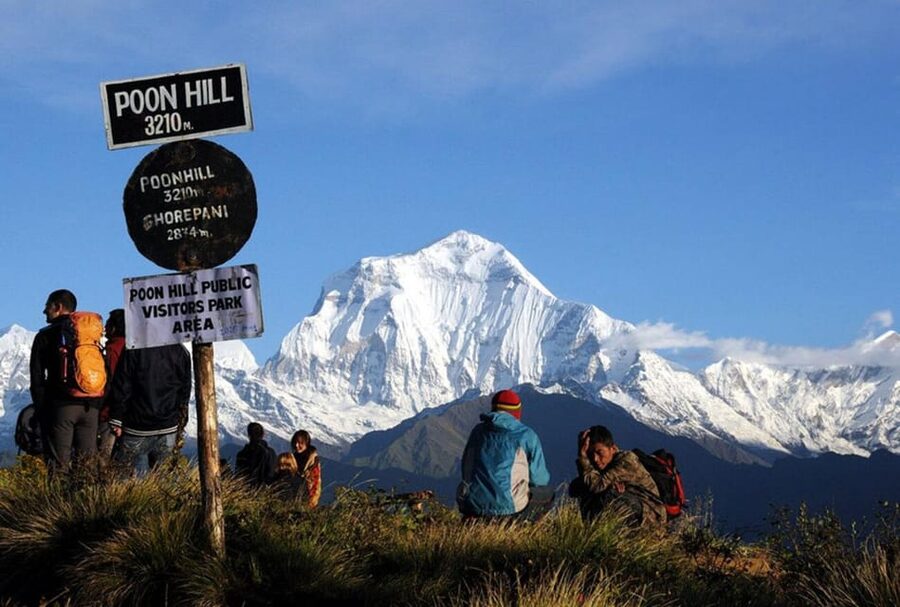
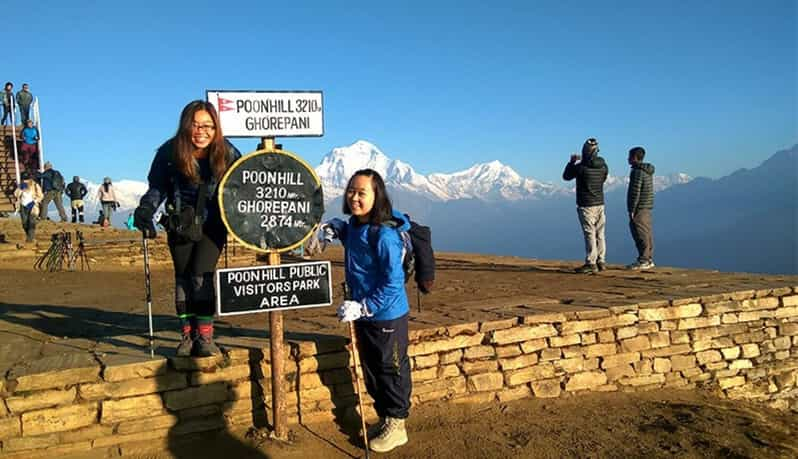
This is the moment most people sign up for. At dawn, you start an approximately 1-hour hike to Poon Hill (3210 m). It’s short, but it’s intentionally timed. You’re chasing light, and you want to be on the viewpoint when the sky starts giving you color.
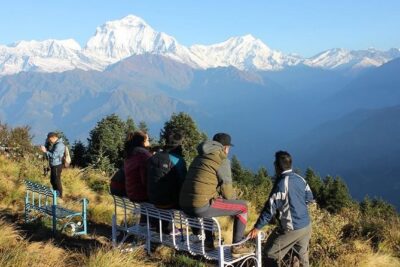
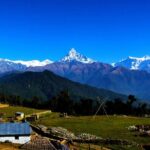
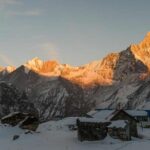
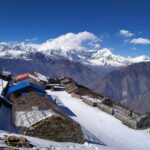
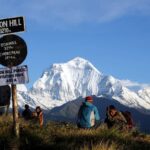
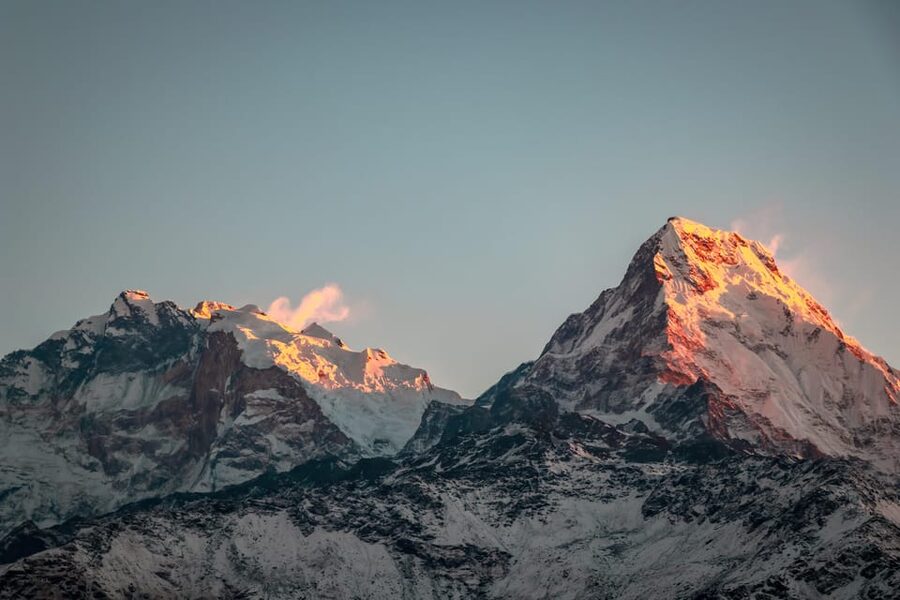
From Poon Hill, you’re in position to see a wide spread of Himalayan peaks, including Annapurna, Dhaulagiri, Nilgiri, Himchuli, and Machhapuchchhre. The list is part of the fun because it turns sunrise into a mini viewing map: you’re not just staring at one mountain; you can spot several famous names in the same horizon line.
After sunrise, you return to your lodge for breakfast. Then it’s time to go down: you trek back to Nayapool and finish with a roughly 2-hour drive to Pokhara, where you’re dropped off at your hotel.
What I like about the pacing is that day three is structured so you don’t end your trip in a fog of fatigue. Sunrise is the goal, breakfast is the reset, and then the descent and drive bring you home in time to feel like the trek was a complete experience rather than a half-day of morning effort followed by endless walking.
Guides, organization, and why it changes the feel of the trek
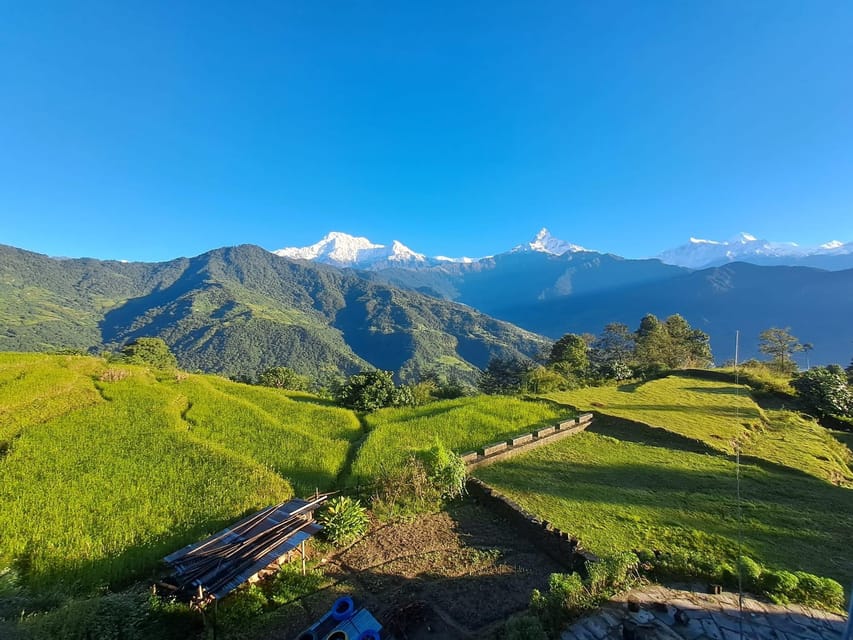
On a short trek like this, the guide’s job is partly logistics and partly morale. You’re hiking for multiple hours over two climb-focused days, then doing the dawn climb. That mix is where good guidance becomes noticeable.
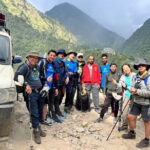
Past groups praised guides for being organized and helpful. One itinerary highlighted Bidur and a porter working in a coordinated way. Another specifically praised Kshitiz for guiding smoothly, and even mentioned walking sticks made from bamboo—one of those small, practical touches that can make the difference when the slope feels steeper than it looks on a map.
There was also a real-life reminder that not every body cooperates on schedule: one trekker got ill on day one, and the guide handled it well. That matters because it shows the guide isn’t only there for narration. They’re there to keep the trip moving and people supported.
So for you, the question isn’t only whether you’ll get English. It’s whether the guide will keep the group calm and practical—especially when the trail gets tough in places.
Price and value: what your $160 covers (and what it doesn’t)
At about $160 per person, this trip is priced like a guided, short trekking package rather than a DIY hike. Here’s what’s included:
- hotel pickup and drop-off in Pokhara
- bus transport between Pokhara and Nayapool
- lodge/guest house accommodation for the trek nights
- an English-speaking trekking guide
- TIMS card fees
- Annapurna Conservation Area entrance permit and fees
What’s not included:
- meals (you pay as you go)
- personal expenses
Is that good value? For many people, yes—because two of the biggest headaches are handled upfront: permits and guide support. Permits can also be a stop-and-start issue if you’re building your own route. And since it’s three days, lodge stays are a major part of the budget either way.
The main “value risk” is meals. Since they’re not included, you’ll spend extra day-to-day, and one review warned that prices along the way are higher than average. That doesn’t mean you’ll overpay, but it does mean you should bring enough cash and avoid assuming meals will be cheap.
Also, this is described as a private group. That’s a win for comfort and flexibility, but transport is via sharing bus between Pokhara and Nayapool. In other words: the trekking feel can be private, while the road portion may still involve shared travel.
Lodges, comfort, and what to expect at night
You’ll sleep in guest houses/lodges at Ulleri and Ghorepani. The experience is “cozy lodge” rather than luxury hotel. Think simple rooms, basic comfort, and the kind of setup that exists to support hikers moving through the area.
One past group mentioned heating and good food at the overnight places. That’s a helpful clue: you’re not stuck with a cold, bare-bones experience at every stop. Still, since meals aren’t included, treat food as an extra line item and be ready for pricing that makes sense for a trekking corridor.
If you want warmth and a quick reset after climbing, the lodge nights are a big part of why this trek is so doable in just three days. It’s not just about sunrise; it’s about ending each day somewhere practical.
Who this trek is best for
This trek is positioned as suitable for all skill levels, and the schedule supports that. You’re not spending a week crossing high passes. It’s more like guided day trekking with lodges each night.
It’s especially good if:
- you want a classic Himalayan viewpoint experience in a tight timeframe
- you like village paths and riverside walking, not just altitude drama
- you’d rather have a guide handle permits and route details
- you’re staying in Pokhara and want transport plus hotel pickup taken care of
It might be less ideal if:
- you want meals included and fixed pricing
- you hate early mornings (the dawn climb is the centerpiece)
- you’re looking for a longer, deeper trekking circuit beyond Ghorepani and Poon Hill
Should you book the 3-Day Ghorepani Poon Hill Short Trek from Pokhara?
If your main goal is Poon Hill sunrise plus lodge-based trekking in a short, organized package, this is a strong choice. The included permits and TIMS fees are a real convenience, and the itinerary is tight enough that you can do it without a major time commitment.
I’d book it if you can handle meals being an extra cost and you’re comfortable walking 4–6 hours on two hiking days plus a short dawn climb on day three. The route also has enough variety—river walking, forest sections, and village life—to keep it from feeling repetitive.
I would hesitate only if you want total cost certainty with meals included, or if you’re sensitive to the idea of waking early for the viewpoint climb. Otherwise, it’s a practical, high-reward way to experience the Annapurna region when time is limited.
FAQ
How long is the trek?
The duration is 3 days.
Where does the trek start from?
It starts from Nayapul, with an early morning drive from Pokhara to Nayapul.
Is pickup and drop-off from Pokhara included?
Yes. Hotel pickup and drop-off are included.
How do you travel between Pokhara and Nayapool?
The package includes sharing transportation by bus between Pokhara and Nayapool.
What kind of accommodations are included?
Accommodation at guest houses or lodges is included for the overnight stays.
Is an Annapurna Conservation Area permit included?
Yes. The Annapurna Conservation Area entrance permit and fees are included.
Do I need a TIMS card?
The package includes the TIMS card fees as part of what’s covered.
Is there an English-speaking guide?
Yes. You’ll have an English-speaking trekking guide.
Are meals included in the price?
No. All meals are not included, but meals are available for purchase.
What’s the cancellation policy?
Free cancellation is available up to 24 hours in advance for a full refund.