REVIEW · KATHMANDU
Annapurna Ghorepani Poon Hill trek from Pokhara short and easy hike in Himalaya
Book on Viator →Operated by Himalaya Holiday service Pvt. Ltd.(HHS) · Bookable on Viator
Poon Hill sunrise is the headline here. This short, easy Annapurna trek is built around that classic Himalayan moment—plus a guided stroll through villages and viewpoints that feel real, not staged. I especially liked the way the plan keeps things short and doable while still delivering big mountain views.
Two things I really appreciate: you get an English-speaking, government-registered guide (the name Dipak comes up a lot in feedback), and you also travel with a porter so the trek feels less like a gear test and more like a walking holiday. The second win is the focus on good mountain stays—your guide helps you choose the best tea houses to match the conditions and views.
One thing to consider: you are signing up for a weather-dependent mountain route. The trek runs in all weather in general, but the experience still needs good conditions, so plan for some variation if skies don’t cooperate.
In This Review
- Key things that make this trek worth your time
- Why Poon Hill Still Wins for a Short Annapurna Hike
- Getting There: Kathmandu, Pokhara, and the Road Legs That Matter
- Ulleri to Ghorepani: The Trek Day That Builds Confidence
- Poon Hill Sunrise: When the Early Wake-Up Actually Pays
- Tadapani and Ghandruk: Village Life on a Trek You Can Finish
- Guides and Porters: Why Dipak (and Your Porter) Changes Everything
- Food, Rooms, and Mountain Comfort Without the Guesswork
- Price and Value: What $1,660 Includes (and What You’ll Pay Extra)
- Weather, Clothing, and What to Expect When Conditions Shift
- Should You Book This Annapurna Ghorepani Poon Hill Trek?
- FAQ
- What time and where does the tour start?
- Is pickup and drop-off included?
- How long is the experience?
- What meals are included during the trek?
- Do meals in Kathmandu and Pokhara cost extra?
- What type of accommodation is provided on the mountain?
- Do I get a guide and porter?
- Is boiled water included?
- Does the trek run in bad weather?
- Can I cancel for free?
Key things that make this trek worth your time
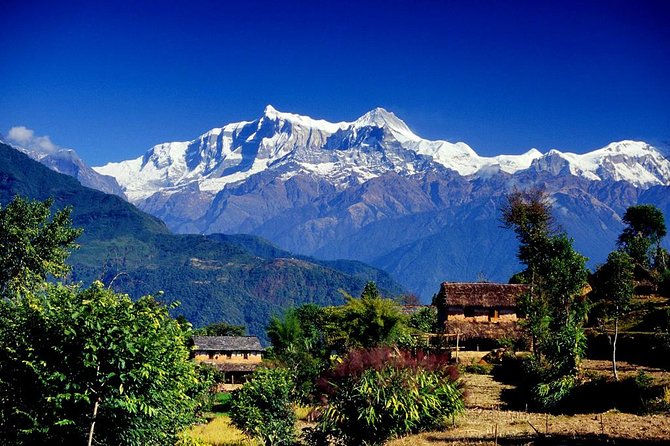
- Poon Hill sunrise focus with a trail that fits people who want an easier Himalaya intro
- Dipak-led guidance that mixes route skills, local context, and plenty of humor
- Porter support (often noted as a game-changer) so you’re not wrestling a heavy load
- Mountain lodging setup that targets comfort: private room and shared toilet
- Tea-house selection with view in mind rather than just grabbing the first available bed
Why Poon Hill Still Wins for a Short Annapurna Hike
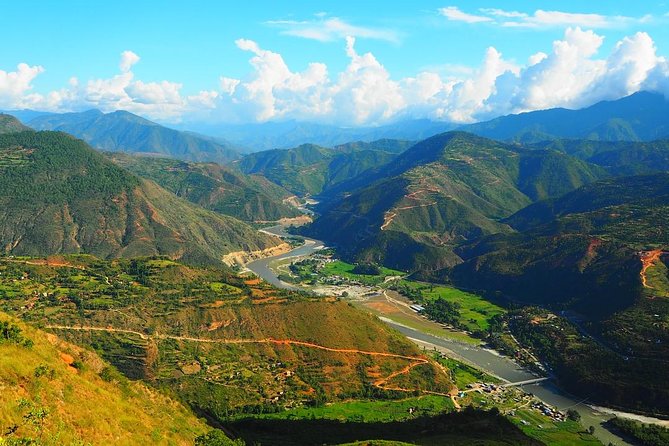
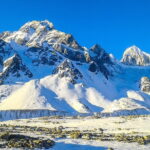
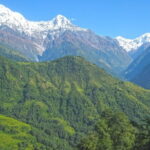
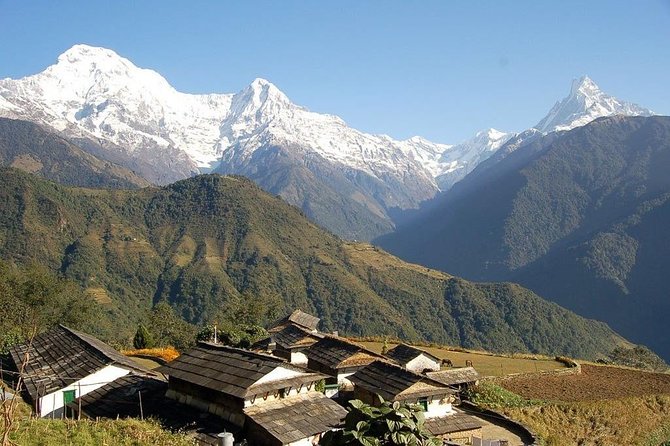
If you want Himalayan scenery without a long, punishing expedition, this is the lane you’re looking for. The whole experience bends toward the Ghorepani–Poon Hill circuit, where the pay-off comes fast: you get early-morning views, then you spend the day moving between viewpoints, ridgelines, and villages.
What makes it work for most people is the pacing. You’re not trying to “survive” a high-altitude mega trek. Instead, you’re walking in stages—climbing in the daytime, then rewarding yourself with rest and scenery at the end of the day. It’s the kind of trek where you can keep a steady rhythm, pause often, and still feel like you made progress.
And yes, Poon Hill is famous for a reason. The best part is that it’s approachable. You don’t need technical climbing skills. You need good early-morning energy, a warm layer, and willingness to stand still for a few minutes to watch the light change over the peaks.
You can also read our reviews of more tours and experiences in Kathmandu.

Getting There: Kathmandu, Pokhara, and the Road Legs That Matter
Your trip starts in Kathmandu with a mix of city time and trek preparation. There’s a short Kathmandu sightseeing block, plus time that’s described as trekking-focused. That matters more than it sounds. Even on an easy hike, it helps to get oriented on what you’ll actually be doing—how to manage your pace, what to expect on tea-house trails, and what kind of gear helps.
Then comes the classic Nepal transfer route: drive from Kathmandu to Pokhara, and later from Pokhara toward Nayapul—the doorway to the trekking area. The road days aren’t just “getting from A to B.” They’re your decompression time and your chance to settle into the rhythm of the journey. After a day or so in the city, the drive sets the mood for the mountains: you’ll start noticing the cooler air and the shift in terrain long before your first big walking section.
Also, you’re not stuck figuring logistics alone. Hotel pickup and drop-off are included, and the meeting point is at Tribhuvan Airport Kathmandu Nepal with a start time of 6:15am. That early start is a real factor—if you hate mornings, take it seriously and pack your day bag the night before.
Ulleri to Ghorepani: The Trek Day That Builds Confidence
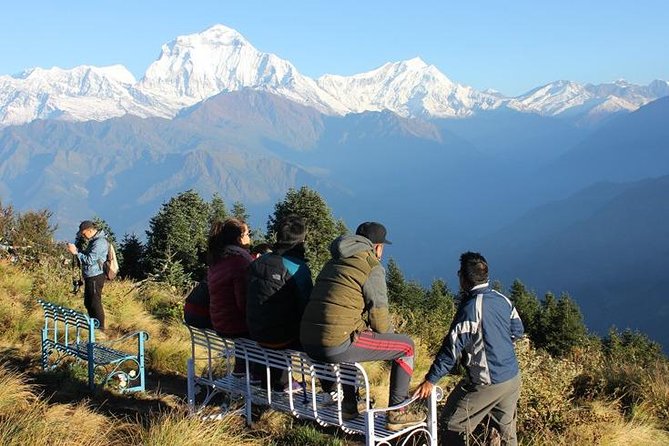
The first main hiking segment is built around Ulleri and Ghorepani. This stretch is the part that helps you feel comfortable with the Annapurna “flow”: stop, breathe, climb gently, and repeat.
Ulleri is where the trail starts to feel more like a trekking world than a local walk. It’s a place where you’ll see the practical side of Nepal hiking—people moving between villages, tea-house traffic, and the steady movement of the trail itself. The good news: this route is presented as short and easy, so you’re not staring at the kind of “one bad day ruins everything” terrain you might worry about on harder treks.
Ghorepani is the reward. It’s where you trade long views in your imagination for actual nighttime air and a warm bed after walking. And this is where guide choice starts to matter. In feedback for this trek, Dipak is repeatedly praised for knowing the best tea houses—places that match the conditions and put you closer to the viewpoints you care about.
Tip I’d give you: don’t rush this day. The best feeling on a short trek is finishing strong without arriving exhausted. Your guide’s job is route timing; your job is steady effort.
Poon Hill Sunrise: When the Early Wake-Up Actually Pays
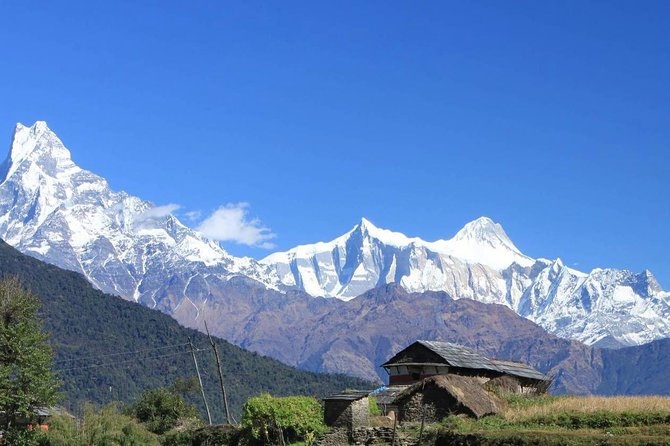
Hiking doesn’t get much more efficient than this: you wake up and go for Poon Hill, then you keep moving after you’ve seen what you came for.
This is the centerpiece of the Annapurna Ghorepani Poon Hill experience. Even if you’ve seen pictures before, sunrise does something photos can’t. Light rolls across the ridgelines, shadows shift, and suddenly the mountains look close enough to touch. You’ll understand why this viewpoint became a classic.
This part also reflects why having a real guide matters. A guide isn’t just a person who points uphill. They help with timing and comfort—getting you to the right place early enough, and managing the pace so you can focus on the views instead of fighting fatigue.
You’ll also find practical value here: Poon Hill is a strong way to judge whether your body is handling the trek well. If you can stand in the cold and wait for the sky to change, you’re in a good place for the rest of the hike.
Tadapani and Ghandruk: Village Life on a Trek You Can Finish
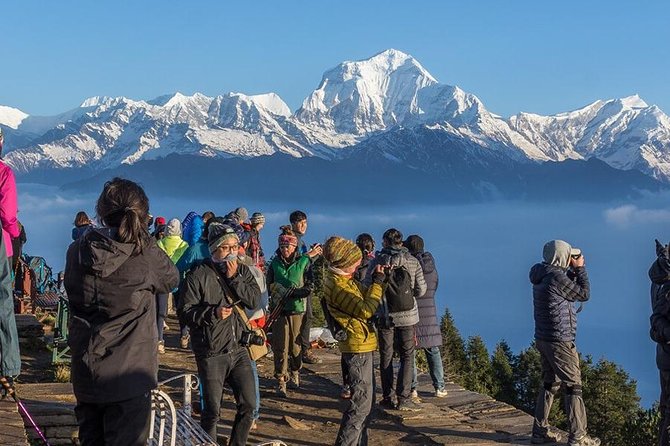
After the Poon Hill moment, the route continues toward Tadapani and then Ghandruk. This is where the trek stops being only a view machine and turns into a cultural walk through the Annapurna region.
Tadapani gives you another shift in scenery—more of that rolling ridgeline feeling, along with a sense of being in a real working trail area where tea houses and guest rooms support the constant flow of hikers. The route continues onward with the same easy-to-manage pacing style.
Then comes Ghandruk, one of the places hikers often remember for the village feel. The big advantage of finishing in a village is that it gives you a change of pace from steep effort to slow wandering. You’re not just collecting photos; you’re soaking up daily life around you—how people live, how trails connect communities, and how the mountain economy shows up in the places you stop.
One more note: the lodging and meal structure helps you here. You’re not spending your day thinking about food planning or where you’ll sleep. Full meals during the trek are included, and that makes it easier to keep your energy even if the trail feels a bit longer than you expected.
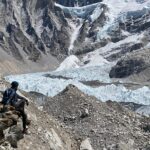
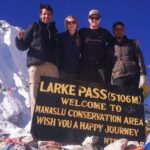
Guides and Porters: Why Dipak (and Your Porter) Changes Everything
The most praised aspect of this experience is the people side. Your guide Dipak is mentioned with real affection—knowledge, kindness, and the ability to keep things fun. In feedback, he’s described as helpful and hilarious, with the kind of attention that makes the trek feel cared for instead of managed.
Your porter is a second huge part of the comfort. Multiple reviews call out the porter as a real MVP—someone who takes care of needs and keeps you moving without carrying the mental burden of logistics and heavy gear. You’ll see the porter name written as Pajeal in one review and Pagil in another, but the message is consistent: the porter support makes a noticeable difference on a trek that’s meant to be easy.
For you, that means:
- you can pack smart and stay comfortable
- you can focus on walking and enjoying stops
- you’re less likely to end the day with unnecessary pain
Also, the group setup is private. The tour is listed as private activity, with only your group participating. That matters because a private guide can adjust pacing and stop frequency more easily than a large group setting.
Food, Rooms, and Mountain Comfort Without the Guesswork
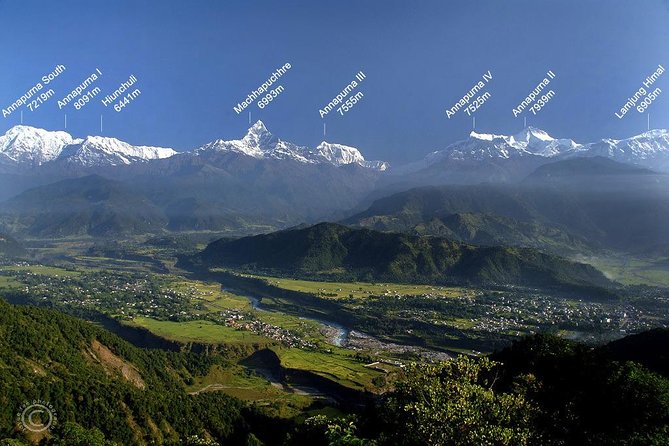
On this trek, meals are included during the hiking portion: breakfast, lunch, and dinner. That is a big value item you might not think about until you’re on the trail. When food planning is off your plate, you’re free to concentrate on the view and the walking.
Accommodation is described as soft comfort with private rooms and shared toilet. That’s a common mountain setup: you get a room to yourself, but you don’t get a private bathroom. The key is that it’s planned and included, so you don’t have to make last-minute decisions about where you’ll sleep.
Tea houses show up in the feedback too. The guide is credited with steering people toward the best tea houses with good views. You’ll still experience the basics of mountain lodging—simple rooms, shared facilities—but the difference is in how well chosen the tea-house stops feel.
Practical advice: in mountain places, hot water can be limited and timing matters. Boiled water is not listed as included, so you’ll want to plan for how you’ll handle hydration day to day.
Price and Value: What $1,660 Includes (and What You’ll Pay Extra)
Let’s talk money without pretending it’s cheap. The price is listed as $1,660 per person. For a short Annapurna trek, that number may surprise you, so it’s worth breaking down what you actually get.
What’s included:
- an experienced English-speaking, government-registered trekking guide
- local porters (not just one person to carry something random—there’s a listed ratio of 2 trekkers: 1 porter)
- full meals during the trek (breakfast, lunch, dinner)
- mountain accommodation in private rooms with shared toilets
- all mountain-related government and local taxes
- hotel pickup and drop-off
- mobile ticket
What’s not included:
- lunch and dinner in Kathmandu and Pokhara
- boiled water
- personal expenses
So where does the value come from? In short treks, costs often cluster in two buckets: people and coordination. Here, you’re paying for a guide, porter support, meals, and planned lodging rather than doing it all yourself. If you want an easy experience where the logistics are handled and the guide adds both safety and local context, that’s where the price starts to make sense.
If you’re traveling super budget-style—self-guided, carrying everything, skipping meals you didn’t pre-plan—then the price might feel steep. But if you want a guided, supported trek that still feels authentic, this package is built exactly for that.
Weather, Clothing, and What to Expect When Conditions Shift
This trek operates in all weather conditions, and you’re told to dress appropriately. That’s good, because mountain weather changes quickly and the trail doesn’t always pause for your schedule.
At the same time, the experience requires good weather. If it’s canceled due to poor weather, you’re offered a different date or a full refund. That’s a more honest setup than pretending weather will always cooperate.
For you, the practical approach is simple:
- bring warm layers for early mornings
- plan for cool mornings and possibly wet trail conditions
- pack a dry bag or waterproof layer so your day items stay usable
If you hate getting cold, prioritize warmth over fashion. On Poon Hill sunrise day, cold can sneak up on you fast while you’re waiting for the light to change.
Should You Book This Annapurna Ghorepani Poon Hill Trek?
I think this is a great booking choice if you want:
- a short and easy Annapurna intro
- a strong Poon Hill sunrise payoff without technical trekking
- a guide who actually talks and keeps things fun (Dipak’s name shows up in a big way)
- porter support so your trek feels lighter and more enjoyable
I’d think twice if you’re the type who wants to fully control every detail and save money by organizing everything yourself. This is a supported, guided package. You pay for that ease.
One more smart reason to book: it’s private, so the guide can adjust the walk to your group. That flexibility is especially helpful on an easy trek where people have different comfort levels and different ideas of how long they want to linger at viewpoints.
If you’re aiming for a Himalayan trip that feels real, not rushed, and not overly complicated, this is a very solid way to do it.
FAQ
What time and where does the tour start?
The start meeting point is Tribhuvan Airport, Kathmandu, Nepal, and the start time is 6:15 am.
Is pickup and drop-off included?
Yes. Hotel pickup and drop-off are included as part of the tour.
How long is the experience?
The experience is listed as 2 days approximately, and the overall plan includes time in Kathmandu and Pokhara plus the trek.
What meals are included during the trek?
Full meals are included during the trek: breakfast, lunch, and dinner.
Do meals in Kathmandu and Pokhara cost extra?
Yes. Lunch and dinner in Kathmandu and Pokhara are not included.
What type of accommodation is provided on the mountain?
You stay in mountain accommodation described as soft comfort, with private rooms and a shared toilet.
Do I get a guide and porter?
Yes. You’ll have an experienced English-speaking government-registered trekking guide plus local porters. The provided ratio is 2 trekkers to 1 porter.
Is boiled water included?
No. Boiled water is not included.
Does the trek run in bad weather?
It operates in all weather conditions and you’re advised to dress appropriately. However, the experience requires good weather, and if it’s canceled due to poor weather you’ll be offered a different date or a full refund.
Can I cancel for free?
Yes. Free cancellation is offered if you cancel at least 24 hours in advance of the experience’s start time for a full refund. If you cancel less than 24 hours before, it won’t be refunded.