REVIEW · SRINAGAR
Kashmir Great Lakes Trek
Book on Viator →Operated by Kashmir Treks · Bookable on Viator
A high pass trek with low-stress logistics. This private Sonamarg to Naranag adventure mixes high-alpine views, lake days, and Hindu pilgrimage at Naranag, all with an English-speaking guide and a plan that handles most of the heavy lifting for you. I love that tents, sleeping bags, mats, cooking gear, and permits are included, so you can show up and trek instead of hunting for rentals. I also love the pace-and-support setup, especially the horse offloading so you carry only a day pack. One thing to consider: you will spend long days at altitude, with highest passes topping out around 4180m, so you’ll want solid moderate fitness and patience with slower steps.
Here’s how it all flows: Srinagar pickup, a drive to Sonamarg, then a multi-day sequence of passes and alpine lakes—Vishansar, Gadsar, Satsar, and Gangabal—before dropping down to Naranag at about 2250m. You get tent camps for six nights and one deluxe hotel or houseboat night in Srinagar. The trip ends with a short transfer to the airport or bus stand.
The main drawback is simple: weather matters here. If conditions are poor, the trek can be swapped to different dates or refunded, and that affects plans for anyone trying to lock in travel tightly.
In This Review
- Key points that make this trek work
- Srinagar to Sonamarg: the easy start that sets your mood
- Day-by-day: passes and lakes without the guesswork
- Sonamarg to Nichnai: 11 km and a real altitude climb
- Nichnai to Vishansar Lake via Nichnai Pass: the pass stretch
- Vishansar to Gadsar via Gadsar Pass: 14 km at long-hours tempo
- Gadsar to Satsar: shorter mileage, still at altitude
- Satsar to Gangabal Lakes via Zajibal Pass: another pass day, another pay-off
- Gangabal to Naranag: the big descent and the temple finish
- Day 8: back to Srinagar, airport or bus stand
- What’s included: gear, tents, meals, and why it matters
- Gear and comfort: how to pack without overthinking it
- Price and value: why $112 can still feel like a lot of trek
- Guides and service: what “English-speaking” usually means on the trail
- When to go: early spring tends to be best, monsoon can be tough
- Who should book this trek, and who should think twice
- Should you book Kashmir Great Lakes Trek with Kashmir Treks?
- FAQ
- What are the main route areas on this trek?
- Is transportation included in both directions?
- What’s included for camping and trekking gear?
- Do I carry all my gear myself?
- Is the guide included, and will they speak English?
- Are meals included?
- What altitude levels should I be aware of?
- Do I need a passport?
- What happens if weather is poor?
Key points that make this trek work
- Horses carry trekking gear (you manage only your day pack)
- Permits and first aid included for smoother trail days
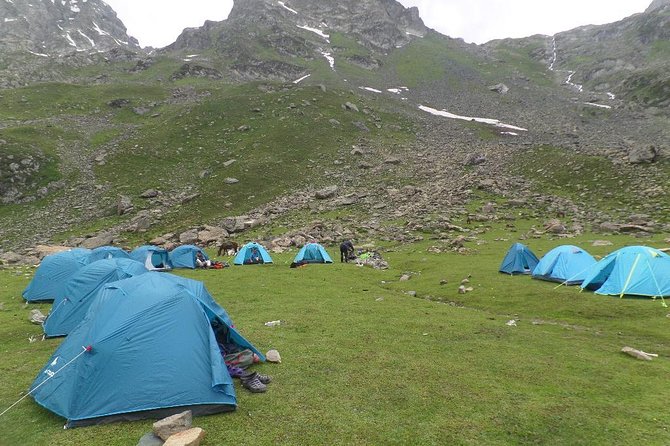
- Tents, sleeping bags, mats, and stove mean less packing stress
- High passes at 4080m to 4180m add real Himalayan challenge
- Srinagar hotel or houseboat for one night after the trek fatigue
- Private, English-speaking guidance keeps navigation and safety straightforward
Srinagar to Sonamarg: the easy start that sets your mood
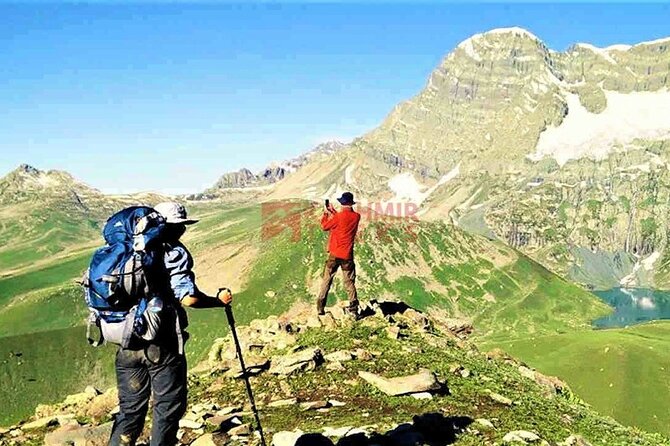
The trek begins with pickup from Srinagar (about a 100 km drive, roughly three hours). You’ll start from around 1600m and roll up to Sonamarg, about 2610m, where you switch from city rhythm to mountain rhythm fast. After the drive, dinner is part of your first night at camp along the Sind riverbank, with tea to ease you in.
This first day matters more than you’d think. It’s not just transport; it’s your chance to get your gear sorted, meet your guide, and understand how the group will move. Since this is a private experience, you’re not sharing the trek with strangers. That helps a lot when you want to keep your pace consistent, especially on the first evening.
You can also read our reviews of more tours and experiences in Srinagar.
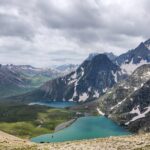
Day-by-day: passes and lakes without the guesswork
What I like about this trek plan is how each day has a clear job: climb to a pass, reach a lake or meadow area, then camp and eat. You’re not left wondering what the next “big thing” is. You also have consistent meal service—breakfast, lunch, tea, and dinner on the trekking days—which makes it easier to keep energy stable.
Sonamarg to Nichnai: 11 km and a real altitude climb
Day 2 climbs from about 2610m up to roughly 3450m. It’s about 11 km and takes around seven hours, with breakfast, lunch, tea, and dinner included. The route is part of the Nichnai Pass trekking line, which is the kind of corridor that makes you earn the views rather than getting them instantly.
This is also a good day to practice how you’ll handle altitude. Expect your breathing to slow down even if your legs feel fine. The best strategy is boring and effective: short steps, steady pace, and drink water when you can.
Nichnai to Vishansar Lake via Nichnai Pass: the pass stretch
Day 3 runs about 12 km, roughly seven hours, moving from about 3450m up toward around 3650m, passing through a high point listed at about 4080m. You’ll camp near the Vishansar Lake area, after a steady climb and the payoff of reaching alpine water and open sky.
This day is the first time you’ll likely feel the trek turning into something distinctly Himalayan. Even with horses handling heavy gear, you still earn elevation yourself. If you’re sensitive to altitude, take it easy at the start of the day rather than trying to “catch up” after lunch.
Vishansar to Gadsar via Gadsar Pass: 14 km at long-hours tempo
Day 4 is longer: around 14 km in about eight hours. Altitude shifts from about 3650m down toward 3550m, but the pass point is listed around 4180m. That means it’s not just distance—it’s time spent working near altitude.
The practical takeaway for you: plan to move slower than you think you need. When a pass tops out near 4180m, your legs can feel fine while your heart rate climbs faster than normal. Keeping a smooth pace is what gets you over that pass without turning the last hour into a struggle.
And yes, even if you don’t feel like you’re “summiting,” the pass height is a serious moment on this trail.
Gadsar to Satsar: shorter mileage, still at altitude
Day 5 drops the distance to about 9 km and around five hours, from about 3550m to about 3650m. That can feel like a breather after the longer day before. You’ll still be in full trekking camp mode, with breakfast, lunch, tea, and dinner handled.
This kind of day is useful if you’re managing energy carefully. It can also be the day you better appreciate camp life—boiling water, sorting layers, and enjoying that slow wind-down while other people in your group recover.
Satsar to Gangabal Lakes via Zajibal Pass: another pass day, another pay-off
Day 6 travels about 11 km in around six hours, from about 3650m down toward around 3580m, while the route crosses a listed pass point around 4080m. You end up at the Gangabal Lakes area.
This is one of those days where timing your effort helps. If the sky clears, lake views tend to look extra crisp at altitude. If clouds move in, you still get the experience—mountain days aren’t always about perfect visibility—but you’ll want patience.
Gangabal to Naranag: the big descent and the temple finish
Day 7 is about 15 km, around six hours of walking, then you drive back to Srinagar. Altitude drops from about 3580m down to around 2250m. You also get transport plus lunch and dinner service, which is a welcome change after several days of nonstop trekking rhythm.
The highlight here is arriving at Naranag, a village and Hindu pilgrimage site with a temple stop. That gives the trek more meaning than just scenery. You’re arriving at a human place after moving through high passes and remote camps—like stepping out of the mountains into something connected to local life.
Day 8: back to Srinagar, airport or bus stand
Day 8 is light: a short drive (about 20 minutes) to the bus stand or around 30 minutes to Srinagar airport, with breakfast and transport included. It’s the day your body finally understands you’re done climbing for now.
If you have a tight departure plan, I’d still build in buffer time. Even on a short transfer day, you don’t control traffic, check-in lines, or weather.
What’s included: gear, tents, meals, and why it matters
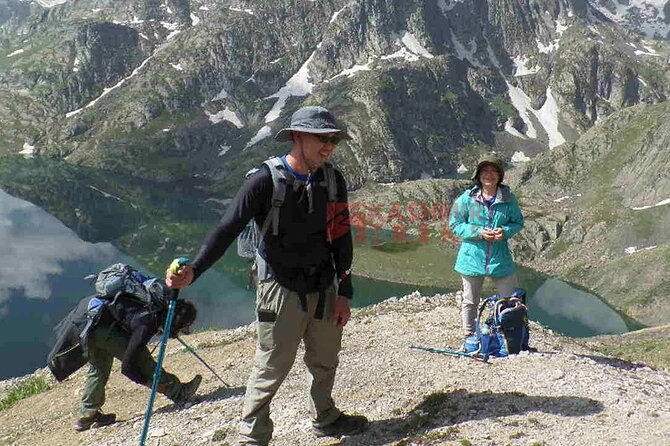
This package is built around removing guesswork and rental hassles. You’re not just paying for guide time; you’re paying for camp infrastructure and food logistics too.
Here’s what you get:
- Tents, trekking poles, sleeping bags, mats, and blankets
- Cooking utensils plus an LPG stove for stove-cooked vegetarian meals
- Horse offloading for trekking gear (you carry day packs yourself)
- Trek and wildlife permits plus first aid
- Bottled water, and coffee and/or tea
- One night deluxe hotel or houseboat in Srinagar
That horse offloading detail is a big deal. On many treks you’re tempted to overpack, then suffer for it every day. Here, you’re meant to travel light with a day pack, while the heavy kit stays with the camp support.
Meal service also reduces stress. When you know breakfast, lunch, tea, and dinner are handled, you spend energy trekking instead of planning. Vegetarian meals are explicitly included, and you can advise dietary requirements at booking.
Gear and comfort: how to pack without overthinking it
Because the core gear is included (tents, sleeping bags, mats, stove kit), your personal packing list is mostly about what you wear and carry day-to-day. The company specifically says personal clothing and equipment are not included.
In practice, you’ll want to bring layers you can adapt as temperatures shift through the day and night. At altitude, mornings and evenings can feel sharp, even when daytime hiking is manageable. Also, since horses handle gear except day packs, bring what you need for your personal comfort inside your day bag without turning it into a suitcase.
One more practical note: the trek requires a moderate fitness level. That doesn’t mean you need to be a race-walker athlete, but you should be ready for hours of hiking, including long pass days.
Price and value: why $112 can still feel like a lot of trek
The published price is $112 for an approximately 8-day private trek. That number can look surprisingly low until you break down what’s covered: private transportation, six nights of tented full-board camps, included trekking gear, permits, and support like horses and first aid. You’re also getting one deluxe night in Srinagar via hotel or houseboat.
What you’re not getting is also clear: travel insurance isn’t included, personal clothing and equipment aren’t included, and tips for staff and guides aren’t included. If you’re budget-minded, the key value move is to plan your extra costs early:
- insurance
- your personal clothing/equipment
- any tips you want to give
The “value” sweet spot for you is if you want to do the trek without spending time on rentals, permits, or camp setup. If you already own everything and don’t need support, the deal might feel less dramatic. But for most people, the bundled gear and permits are exactly what makes this kind of trek doable.
Guides and service: what “English-speaking” usually means on the trail
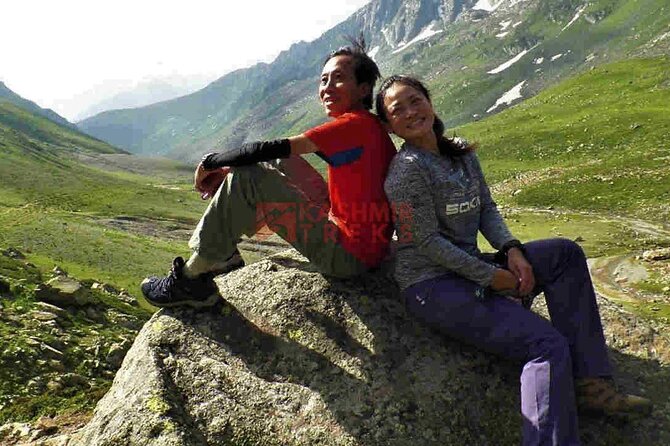
You’ll trek with your own personal English-speaking guide, and this is a private tour, so you’re not juggling multiple groups. From past experiences shared with Kashmir Treks, guides like Wajid and Ali have been mentioned by name, and planning support like Mehraz, Shakeel, and Mudasir has also come up.
I like this setup because it’s practical. When the route includes passes (4080m and 4180m points are listed), you want someone who’s managing the trail pace and safety rhythm. Your guide also makes camp days easier—where to pause, what pace to take, and how to handle the small decisions that become big decisions at altitude.
When to go: early spring tends to be best, monsoon can be tough
The trek depends on good weather. That’s not a slogan here; it’s a condition of doing passes safely. If the trek can’t run due to poor weather, you’ll be offered a different date or a full refund.
Based on practical seasonal hints from people who did it at different times:
- Early March and April are described as very good for the trek with clearer weather.
- Monsoon time is described as difficult for crossing bolder ways.
If you’re flexible on dates, you’ll probably have a smoother experience in the clearer windows. If your trip is fixed to monsoon months, you should expect more uncertainty.
Who should book this trek, and who should think twice
This trek fits you if:
- you want a private experience with a personal English-speaking guide
- you can handle a moderate fitness level and long walking days
- you like the idea of mountain camps with all basic gear handled
- you want passes plus alpine lakes plus a meaningful temple stop in Naranag
You should think twice if:
- you are expecting a gentle stroll. This is several full hiking days, with long hours and high passes listed up to 4180m.
- you don’t want to manage altitude effects. Even with support, your body has to do the climb.
- you have a tight schedule that can’t flex if weather disrupts the plan.
Should you book Kashmir Great Lakes Trek with Kashmir Treks?
If you want the Great Lakes experience without turning your trip into a gear project, I’d say this is a smart booking. The strongest reason to book is the way it handles the hard parts: permits, camping equipment, cooking setup, and even horse offloading for the gear. You spend your limited energy on walking and taking in the views and the rhythm of the camps.
If you’re the kind of traveler who likes full control and already has everything dialed, it might feel more like an organized package than an independent adventure. But for most people, the balance here is excellent: private support, included supplies, and a route that moves from Sonamarg into high pass country and down to Naranag.
If you book, plan for altitude, pack for layers and your day pack only, and pick your travel dates with weather in mind. Do that, and you’ll be set up for a real mountain trek that doesn’t swallow your time in logistics.
FAQ
What are the main route areas on this trek?
You’ll travel from Sonamarg to Naranag in Kashmir, passing through the Nichnai Pass trekking route and visiting alpine lake areas such as Vishansar, Gadsar, Satsar, and Gangabal before reaching the Naranag temple area.
Is transportation included in both directions?
Yes. Pickup is offered from Srinagar at the start, and on the final day you’ll drive back to Srinagar for drop at the airport or bus stand.
What’s included for camping and trekking gear?
The tour includes tents, poles, sleeping bags, mats, blankets, and trekking poles, plus cooking utensils and an LPG stove for vegetarian meals.
Do I carry all my gear myself?
No for most of it. The package includes offloading by horses, which carry the trekking gear. You carry your day pack.
Is the guide included, and will they speak English?
Yes. This is a private trek with your own personal English-speaking guide.
Are meals included?
Yes. You get breakfast, lunch, tea, and dinner on trekking days, and full-board tented accommodation is included for the mountain camps.
What altitude levels should I be aware of?
The trek climbs from about 2610m up to pass points around 4080m and up to around 4180m on the higher day, then you drop down to about 2250m when you reach Naranag.
Do I need a passport?
Yes. A current valid passport is required, and your passport details must be provided at booking.
What happens if weather is poor?
The experience requires good weather. If it’s canceled due to poor weather, you’ll be offered a different date or a full refund.