REVIEW · SRINAGAR
The Best Monsoon Trek: Kashmir Great Lakes
Book on Viator →Operated by Himalaya Shelter · Bookable on Viator
A trek through alpine lakes in monsoon time is special. If you plan it right, you get snow on the high reaches with fresh summer meadows below. I like the way this route strings together passes, lakes, and long walking days with solid support—from the guide and first-aid kit to the camp setup. One thing to consider: weather can swing fast in this season, so you’ll want rain gear and a flexible mindset.
You’ll love the trekking rhythm and the food on the trail. In particular, the team is known for hot, mountain-ready meals, including trout dishes (when available), plus comfort classics like soups, dals, rajma, pasta, and even popcorn. The other big plus is the small group feel, with a maximum of 11 people, and many departures running around 10.
There’s a drawback to be honest about: this is not a light walk. You cross multiple high points—up to about 4,210 m at Gadsar Pass—and you’ll spend long stretches on foot, including a demanding day. If you’re unsure you can handle steady uphill and cold nights, plan a slower pace for your training first.
In This Review
- Key highlights to look for
- Choosing the right week: early July vs late July vs August to September
- What’s included (and why it affects your day)
- Tents, sleeping gear, and camp setup
- Food that’s actually practical
- Guide and safety basics
- Price and value: is $481 fair for what you’re getting?
- Day 1: Srinagar to Sonamarg via Sind River and Anchar Lake
- Day 2: Nichinai Pass direction from Shitkadi to Nichinai camp
- Day 3: Nichinai Pass (~4,100 m) and the walk toward Vishansar Lake
- Day 4: Vishansar to Gadsar Lake over Gadsar Pass (~4,210 m)
- Day 5: Gadsar to Satsar (a comparatively easier day)
- Day 6: Zaj Pass (~13,280 ft) and onward to Gangabal Lake
- Day 7: The final steep descent to Naranag and back to Srinagar
- Camp comfort and the small-team vibe that people remember
- Who this trek suits (and who should reconsider)
- Should you book Kashmir Great Lakes with this operator?
- FAQ
- Where does the trek start and end?
- How long is the trek and how many nights are you camping?
- What’s included for meals and sleeping setup?
- What’s not included in the price?
- Who guides the trek?
- What happens if weather is poor?
Key highlights to look for
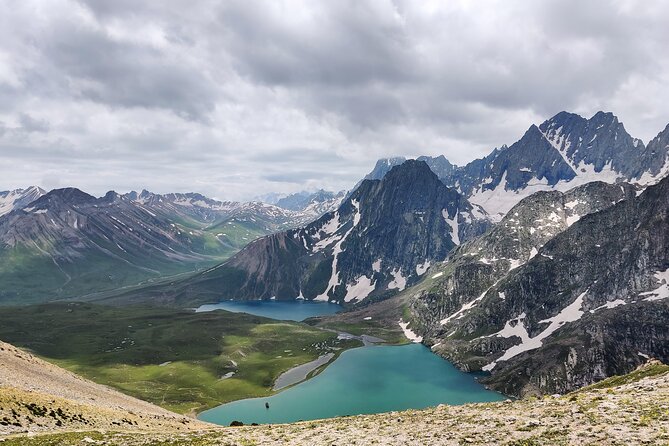
- Snow-meets-wildflowers timing: early July gives snow above and blooming meadows below.
- Small-group trekking: max 11 trekkers, with some groups even smaller.
- High-pass milestones: Nichinai Pass (~4,100 m), Gadsar Pass (~4,210 m), and Zaj Pass (~13,280 ft).
- Camp comfort that matters: A-frame tents plus kitchen, dining, and toilet tents, with mats and sleeping bags provided.
- A guide-led safety net: BMC-certified professionals travel with a first-aid kit; leaders like Surendra Rana and support staff like Rishabh are singled out for calm vigilance.
Choosing the right week: early July vs late July vs August to September
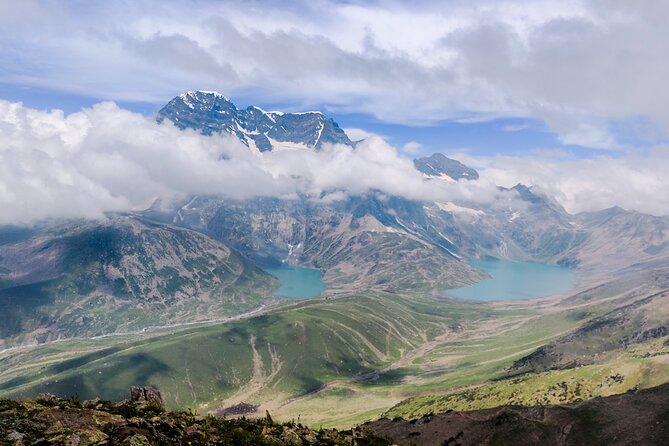
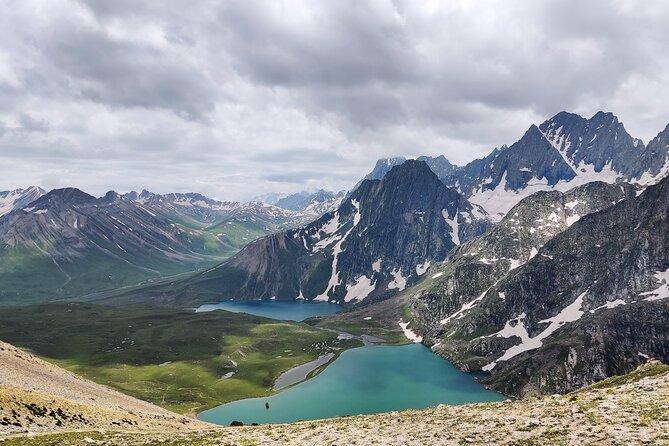
This trek is scheduled for monsoon season, and the timing changes the whole look of the route. Early July is the sweet spot if you want contrasts: you’ll still see snow on the higher reaches, while the meadows are starting fresh and flowering. It’s the kind of scene where the top looks winter-cold and the lower ground looks alive.
By end of July, the snow generally melts away from the lower elevations and the meadows run in full bloom. Days can feel warmer, and the nights are often more comfortable for camping. That matters because tent nights can either be restful or miserable depending on temperature and dampness.
Late August into early September shifts again. The cold tends to move in, flowers start to wither, and rain can come in bursts. Think shorter showers that still soak you, not gentle drizzle. By the second week of September, snow starts to return higher up, and winter conditions start to edge back onto the higher reaches.
If you’re deciding when to go, I’d match your priorities like this:
- Want dramatic snow and blooms together? Target early July.
- Want maximum flower color? Aim for late July.
- Want fewer flowers and cooler air with more weather risk? Consider late Aug–early Sep (bring extra rain coverage).
You can also read our reviews of more tours and experiences in Srinagar.
What’s included (and why it affects your day)
The package is built around camping comfort and basic logistics so you can focus on walking and weather.
Tents, sleeping gear, and camp setup
You get 6 nights in standard A-shape tents, with double occupancy. You also get sleeping bags and mats, plus a camp kitchen, dining tent, and toilet tent with portable seats and camping stools. That sounds like “camp stuff,” but it’s actually a big deal in mountain rain. When everything is organized—cooking, eating, and bathroom space—it reduces the chaos that usually steals energy on treks.
Food that’s actually practical
Meals are part of the price: 6 breakfasts, 5 lunches, and 6 dinners. The standout from past trekkers’ notes is that meals stay warm and filling even when the weather turns rough. Hot soups show up, along with dal and rajma, plus pasta. There are also mentions of trout dishes on the mountain.
If you’re used to trekking where dinner is basically a snack, this is a comfort upgrade. After a long pass day, proper food helps your legs more than you’d think.
Guide and safety basics
You travel with a mountaineering-qualified, BMC-certified professional trek guide with a first-aid kit. Names like Surendra Rana and Rishabh come up in safety and support stories, especially when conditions worsen. That’s not just nice; it’s reassuring when rain turns trails slick.
Price and value: is $481 fair for what you’re getting?
At $481 for about 7 days, this trek stacks up as a value-focused option compared with private guiding and full-on luxury travel. Here’s what you’re paying for in a way that matters:
- All fees and taxes are included, which removes a common budget headache on trips like this.
- Accommodation on the mountain is included for 6 nights in decent tents, not just “a spot to pitch your own bag.”
- Meals are covered for most days. That’s huge because groceries at trailhead towns won’t help much once you’re walking and camping.
- Transport support from Srinagar onwards is included, meaning the trek team handles your movement once you’re in the region’s starting point.
- You’re also paying for professional guide support (and the first-aid kit), which is the “boring but important” part of trekking.
Where costs can creep up is on what isn’t included: tips, personal medicines, and porter service for extra bags. Also, your own travel to reach Srinagar from your hometown is not included. If you can keep luggage light, you’ll likely avoid porter charges (listed as INR 500 per bag per day for bags under 12 kg).
My take: the price feels fair if you want guided camping trekking with meals and safety support, and you don’t mind the physical work.
Day 1: Srinagar to Sonamarg via Sind River and Anchar Lake
This day is mostly about setting the base and adjusting to the region’s pace. You leave Srinagar around 1 PM and reach Sonamarg by about 4:30 PM. The drive follows the Sind River, and you cross to the true right of the river at Wayil Bridge about 25 km ahead.
You’ll also pass Anchar Lake along the way. It’s a quick glimpse rather than a long stop, but it helps you get a sense of Kashmir’s water-and-valley character before you start walking.
Why this day matters: it gets you out of the city and into trek mode without burning your legs on a hike. It also means your first real effort happens the next day, which is smart if the weather is already unsettled.
Day 2: Nichinai Pass direction from Shitkadi to Nichinai camp
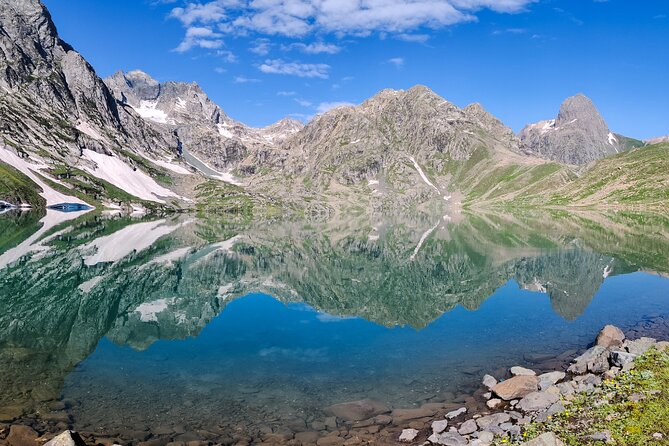
Today starts from the camp at Shitkadi and you head toward Nichinai camp. You follow the Nichinai stream, which stays on your right through much of the trek. This is one of those days where the trail rhythm is steady: uphill walking, close attention to footing, and regular scenery shifts.
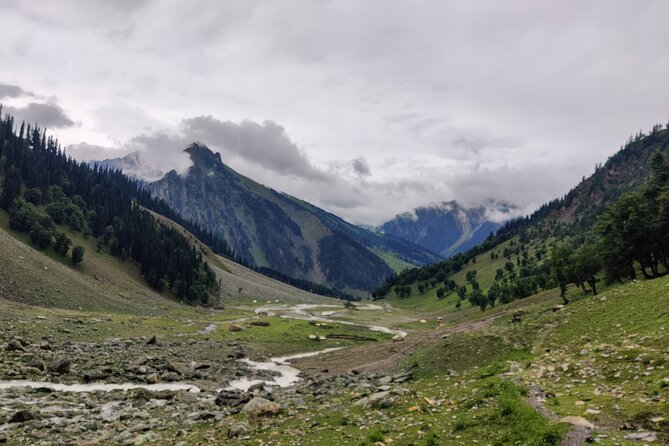
After about 1.5 km upstream, you reach a meadow area with maple trees dotting the view. That’s the kind of detail that makes Kashmir Great Lakes memorable—small forests, open grass, and water running alongside you.
This day is listed at about 5 hours on foot. In monsoon season, that time can feel longer if clouds drop and rain starts. Your focus should be on consistent pace rather than speed. If you go hard today, you’ll feel it later on the big pass days.
Day 3: Nichinai Pass (~4,100 m) and the walk toward Vishansar Lake
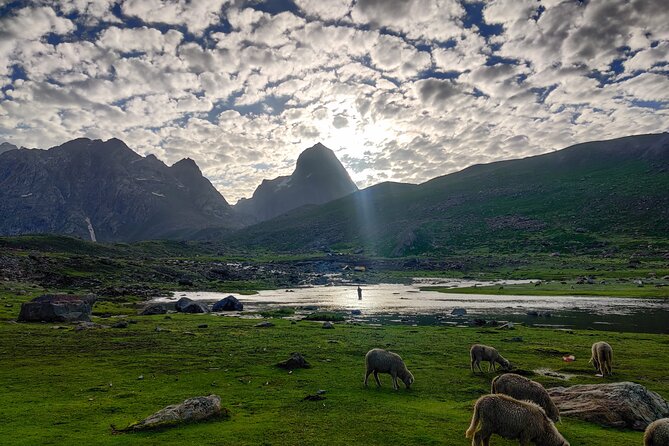
Day 3 is where the trek starts turning more serious. You begin with an ascent to Nichinai Pass, at about 4,100 meters. The climb takes a couple of hours at a moderate pace.
The reward is the crossing itself: once you move over the pass, the route opens into higher lake country. You head toward Vishansar Lake, and the day is paced like a classic “climb, crest, then change scenery” trek.
This section is about 4 hours. That sounds short on paper, but altitude and weather can add effort. If it’s damp, take extra care on slopes and avoid rushing on switchbacks.
Day 4: Vishansar to Gadsar Lake over Gadsar Pass (~4,210 m)
This is your long, demanding day. The walk from Vishansar to Gadsar is described as beautiful but hard, and it includes the highest point of the trek at Gadsar Pass (~4,210 m).
The trail crosses and changes through different terrain types, and you should expect a day that tests endurance. It’s listed at about 10 hours, which is a full-body day—especially if you hit wind or rain.
In monsoon timing, this is the day I’d most strongly respect for safety. Wet rock and thin footing can turn a “manageable” pass into a “slow and careful” climb. Keep your focus on steps, not views. The views will still be there after you arrive.
Day 5: Gadsar to Satsar (a comparatively easier day)
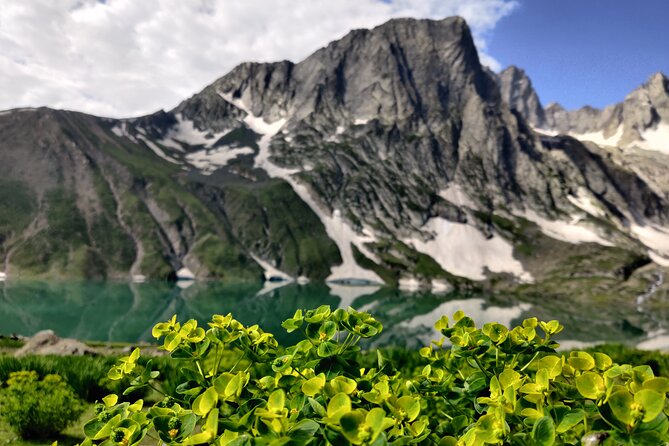
If you’re pacing smartly, you’ll appreciate Day 5. The hike from Gadsar to Satsar starts with a steep push for a little over an hour, then it transitions into a more gradual, mostly level stretch across plains.
This is described as a relatively easier day compared with the pass days before and after. That doesn’t mean it’s effortless; you still walk for about 6 hours. But it should feel more like steady trekking rather than constant climbing.
This is also a good day to conserve energy for the next big weather-sensitive stretch. If rain rolls in, this day’s “level” parts can still be slippery—just not as exhausting as repeated ascents.
Day 6: Zaj Pass (~13,280 ft) and onward to Gangabal Lake
Day 6 brings you to Zaj Pass, listed at about 13,280 feet. The ascent takes around 2 hours, and it’s described as comparatively lower than the earlier passes. That wording helps, but don’t treat it as a walk in the park.
After you reach the pass, you continue toward Gangabal Lake, crossing into more alpine lake scenery. Total trekking time is around 6 hours.
For me, this is the day where you want steady trekking discipline. You’ll likely be tired from earlier walking, and fatigue plus slick ground is a dangerous combo. Slow down a bit as the day wears on. You’re going downhill soon, and you’ll want legs that feel predictable.
Day 7: The final steep descent to Naranag and back to Srinagar
The last day is split into two moods. First, the trail oscillates with minor ascents and descents for about half the route. Then it turns into a steep descent all the way to Naranag, where you’ll wrap up.
You’re set to arrive back in Srinagar between about 5 and 7 PM, depending on when you start from Gangabal. If you’ve got knee sensitivity, this is the day to be extra careful. Long downhill mileage can be more exhausting than an uphill day, even if your total climbing is lower.
After you reach Naranag and finish the trek day, the trip returns you to the meeting point in Srinagar.
Camp comfort and the small-team vibe that people remember
The strongest recurring theme in how people describe this trek is the team quality: guide attention, cooking consistency, and camp setup. Past trekkers specifically mention that the support staff is attentive and that the food stays good even under mountain conditions.
Names like Bachan and Choudhary appear in positive feedback about the overall experience and food. And when weather shifted badly in at least one past season, leaders including Surendra Rana and support staff like Rishabh were praised for keeping the group safe and getting everyone down.
You also benefit from the size. With a maximum of 11 travelers, the trek tends to feel calmer. One reason group trekking can work better is simple: you spend less time negotiating space and more time walking and adjusting to weather.
Who this trek suits (and who should reconsider)
This trek is aimed at people with moderate physical fitness. If you train a bit before you go—especially with hill walking and long stair practice—you’ll be in better shape for:
- long hours (including a 10-hour day),
- multiple high points,
- camping in changing weather.
You’ll enjoy it most if you like route variety: streams one day, pass crests the next, meadows and lake basins after. If you want a gentle nature stroll with no altitude challenge, this one may feel too intense.
Also think about your comfort with rain and cold. The monsoon window is beautiful, but it can mean abrupt rainfall and lower temperatures as late season approaches.
Should you book Kashmir Great Lakes with this operator?
If you want a guided, tent-camping trek that balances high-pass drama with real camp support, this is a strong choice. I’d book it if:
- you can handle a long demanding day around Gadsar Pass,
- you’re ready for changing monsoon weather,
- you appreciate meals and camp comfort more than “rough it” simplicity,
- you like small-group trekking.
I’d pause if:
- downhill days stress your knees a lot,
- you’re not prepared for sudden rain in late season,
- you’ll arrive with heavy luggage and you don’t want extra porter charges.
Overall, the combination of high-altitude route variety, professional guidance, and camp-and-meal support makes this a practical way to experience Kashmir Great Lakes during the monsoon season.
FAQ
Where does the trek start and end?
The trek starts in Srinagar and ends back at the meeting point in Srinagar.
How long is the trek and how many nights are you camping?
It’s about 7 days and includes 6 nights of camping in standard tents (double occupancy).
What’s included for meals and sleeping setup?
You get sleeping bag and mats, plus 6 breakfasts, 5 lunches, and 6 dinners. Camps include tents for kitchen, dining, and toilet.
What’s not included in the price?
Not included: personal expenses (tips, personal medicines, phone calls), transport to reach Srinagar from your hometown, accommodation in Srinagar on the last day, and porter service for personal luggage (listed as INR 500 per bag per day for bags under 12 kg).
Who guides the trek?
The trek is led by a mountaineering qualified and BMC-certified professional trek guide and includes a first-aid kit.
What happens if weather is poor?
This experience requires good weather. If it’s canceled due to poor weather, you’ll be offered a different date or a full refund.