Winter snow hiking sounds serious, because it is. This Kashmir Snow Trek turns a handful of iconic places—Naranag, Trunkhol, and Gangabal Lake—into a step-by-step winter route, with hut stays and snow that can grow from about 1 foot to around 6 feet. What I like most is the practical setup: trekking gear (including poles and ropes) and cooking support are included, so you are not scrambling last minute. I also like the human side, with guidance that keeps the group moving safely, and names like Shakeel and Liyakat showing up in the kind of feedback you hope to see for a winter trek. One consideration: you do need moderate physical fitness and the cold tolerance to enjoy days that involve long, snowy walking over uneven ground.
You start in Srinagar with an arrival transfer that includes an overnight at a Dal Lake houseboat, then the trek portion moves into pine forests, snow meadows, and basic hut life. The plan is private, so your pace is your pace, not a forced group schedule. If you are expecting a warm, cushy hotel experience the whole time, this is not that trek—but if you want winter Kashmir as it actually feels on the trail, it fits very well.
Pricing at $389 per person is reasonable for what you get (transport, permits, meals, and included equipment), but you should budget extra for what is not included, especially travel insurance and your personal cold-weather clothing and gear. If you are the type who hates carrying a heavy checklist, you may love this setup; if you travel light and never pack cold-weather layers, you might feel underprepared.
In This Review
- Key things that matter on this trek
- Srinagar start: Dal Lake houseboat plus a proper base before the snow
- Day 2: Naranag to Bodpathri (pine forest to a gypsy hut camp)
- Day 3: Bodpathri to Trunkhol via the old Gangabal trail and Harigand peak crossing
- Day 4: The long day to Gangabal Lake, then back to Trunkhol for rest
- Day 5: Trunkhol back to Naranag (7 hours) through snow meadows and pine forest
- Gear, porters, huts, and meals: what the package really covers
- Price and logistics: is $389 good value for a winter snow trek?
- Who this trek is for (and who may want a gentler option)
- Cold reality check: what 1 to 6 feet of snow changes on the trail
- The “human factor” that keeps winter treks from going sideways
- Should you book the Kashmir Snow Trek?
- FAQ
- What is the Kashmir Snow Trek route?
- Where does the tour start?
- How long is the trek?
- What are the main overnight accommodations?
- What is the typical snow depth on the route?
- Are pickup and transfers included?
- What trekking gear is included?
- Are meals included?
- What permits are included?
- Is travel insurance included?
- Is free cancellation available?
Key things that matter on this trek
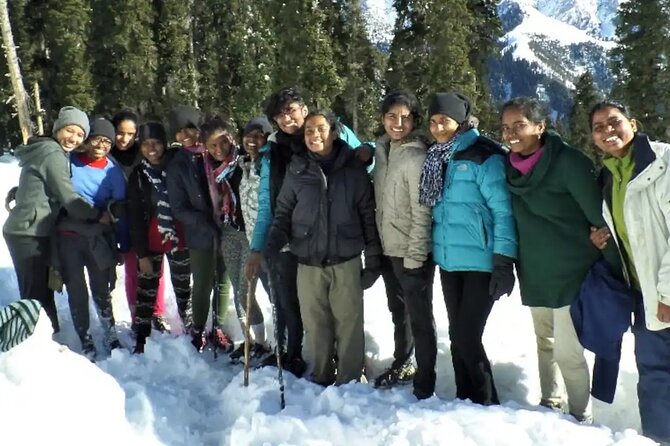
- Snow depth changes fast: roughly 1 foot near Naranag and up to about 6 feet at Trunkhol
- Three main trek zones: Naranag to Bodpathri, then Trunkhol, then out to Gangabal Lake and back
- Huts and camping included: gypsy hut at Bodpathri and forest huts at Trunkhol
- Porter offloading: reduces the load you carry day to day
- Trekking gear is included: sleeping bags, mats, blankets, poles, and climbing ropes are part of the package
- Private, small-group feel: it is listed as private, with only your group participating
Srinagar start: Dal Lake houseboat plus a proper base before the snow
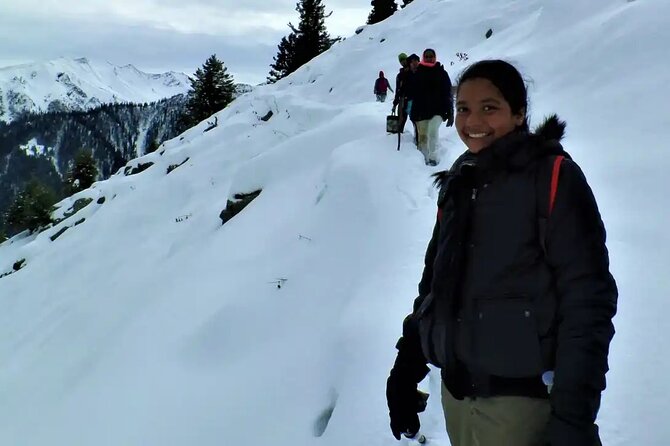
Most Kashmir snow treks feel like they start the moment you leave Srinagar. Here, you ease into it. On arrival at Srinagar airport or the bus station, a representative meets you and transfers you to a Dal Lake houseboat for an overnight stay. You get a night in the city before the cold routine of trekking camps begins, which matters when you are traveling from far away.
After that first night, the trek is supported by a Srinagar hotel base (Hotel Ash Vale is named in the included details). This combo is a smart rhythm: city comfort to reset, then you go into the mountains with less stress. For me, that usually makes the difference between a trek that feels exciting and one that feels like work.
You are also starting with a plan that includes private transport. That matters in winter because road conditions can be unpredictable, and you do not want to be negotiating logistics while everyone is tired and cold.
You can also read our reviews of more tours and experiences in Srinagar.
Day 2: Naranag to Bodpathri (pine forest to a gypsy hut camp)
Day 2 is where the trek begins in earnest. You start with a drive from Srinagar-area logistics to Naranag, then you switch to hiking with porters. The day is listed as about 3 hours driving plus around 5 hours of trekking.
This is a slightly steep start, which is exactly what you want early on. A climb early in the week helps you find your pace and warm up the legs before the longer snow days. Your route passes through pine forest near Butsheri, so even when the ground is snowy, the walk has a real winter forest feel rather than looking like one long white slope.
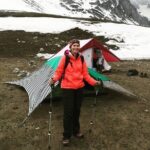
You finish at Bodpathri, sleeping overnight in a gypsy hut. “Hut life” in Kashmir winter usually means basic, warm-enough shelters built for the season. You will likely appreciate the simplicity once you realize you are not trying to recreate a luxury vacation up there. You are there to move, rest, and watch snow turn everything quiet.
What to watch for on this day: your footing. Early snow can look manageable until you hit packed areas where traction changes. Since the package includes trekking poles (and even climbing ropes), you are not going into this blind.
Day 3: Bodpathri to Trunkhol via the old Gangabal trail and Harigand peak crossing
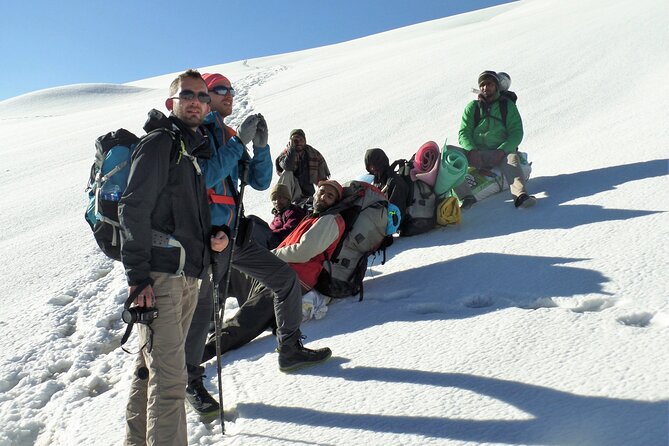
Day 3 moves you from Bodpathri to Trunkhol, listed as about 5 hours of trekking. This is where the route design shows its thinking. You follow the old Gangabal trail, and the plan specifically mentions a crossing near Harigand peak to help avoid slipping on snow.
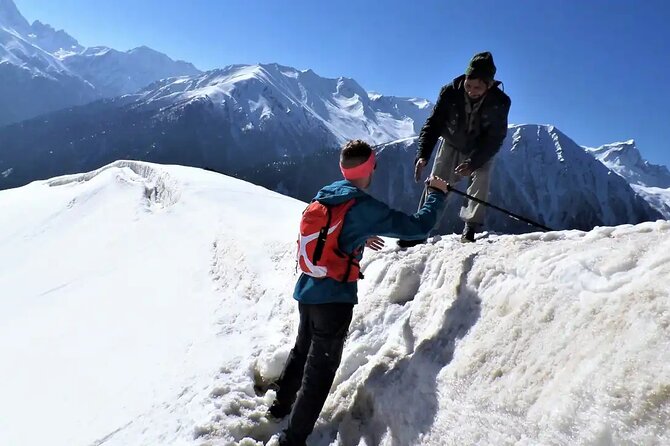
That detail is important. In winter trekking, “avoid slipping” is not a minor note. Snow hardness and hidden ice can change how safe your steps feel. By using a known winter-friendly line, you are stacking the odds in favor of an enjoyable day.
Trunkhol is also where the snow gets serious. The overall expedition description notes snow depth ranges from roughly 1 foot at Naranag to around 6 feet at Trunkhol. That likely means more time thinking about each step, not just power-walking. The good news is you are not doing this solo: you have trekking support, and the itinerary is built around returning to hut nights instead of pushing too far.
You sleep at Trunkhol Hut overnight. This matters because Trunkhol is the camp center for the day trek to Gangabal Lake the next day. By making Trunkhol your base, the schedule reduces backtracking and keeps your energy available for the longest scenic push.
Day 4: The long day to Gangabal Lake, then back to Trunkhol for rest
Day 4 is your “big view day.” It is listed as about a 6-hour trek to Gangabal Lake, returning to Trunkhol for another overnight.
The route leaves the Trunkhol snow meadow and walks through ice fields. That description alone tells you the day will feel different from days on forest trail. Ice fields can be tricky because you might not get consistent snow footing everywhere. When the itinerary says your day plan will consider snow depth and hardness, it is basically telling you the guides will manage risk and pacing based on conditions, not on a fantasy clock.
If you like hikes where you earn the payoff, this is the day. It is longer, it is more technical underfoot, and it is not just “walk and take photos.” You are moving through a winter environment that can be visually stunning precisely because it is hard and quiet.
Then you return to Trunkhol Hut. I appreciate this kind of structure. Too many treks make the last day a grind. Here, the lake day is “big,” but you still get an actual base night afterward, so you can recover with the team.
Day 5: Trunkhol back to Naranag (7 hours) through snow meadows and pine forest
Day 5 is the return day, and it is long: about 7 hours trekking from Trunkhol to Naranag. You start by leaving Trunkhol, then trek through snow meadows, descending to Naranag village via the pine forest near Bodpathri.
This day can feel deceptively tiring. Descents on snow often cost more energy than you expect, especially when the ground is uneven. Think controlled movement rather than speed. When a trek is built around long return legs, your legs get a workout beyond your cardio.
Once you reach Naranag, the itinerary switches back to a car drive to Srinagar for an overnight stay. That transition matters: you go from winter footing to dry timing and warm beds, and it is a clean finish to the walking portion.
Gear, porters, huts, and meals: what the package really covers
The best part of this trek for many people is how much support is baked into the price. The included details list trekking and camping gear such as sleeping bags, mats, blankets, trekking poles, and climbing ropes. It also includes trekking/ wildlife permits, first aid, and offloading by porters.
Porters handling offloading doesn’t mean you will carry nothing, but it does reduce the load you manage in deep snow. On a winter trek, that can be the difference between enjoying the day and feeling like you are fighting your own pack.
You also get cooking support: cooking utensils plus an LPG stove are included, which helps explain how you get full-board meals on camp nights. Meal counts are listed (with breakfasts and dinners covered, plus lunch on several days). Even without seeing the exact menu, that structure is usually what keeps people from getting hungry and cold at the wrong time.
Accommodation is practical rather than fancy. You have forest huts at Trunkhol (two nights) and a gypsy hut at Bodpathri (one night), plus hotel nights in Srinagar and the houseboat overnight on arrival. In other words, you should expect a warm place to sleep and eat, not a spa.
Price and logistics: is $389 good value for a winter snow trek?
At $389 per person for about 6 days, this trek can be good value, mainly because the package covers the hard-to-assemble parts of winter trekking:
- Accommodation across multiple nights (hotel and hut-style camps)
- Private transportation tied to the itinerary
- Trekking and wildlife permits
- Included gear like sleeping bags, poles, and ropes
- Offloading support by porters
- Cooking setup (utensils and LPG stove)
- First aid
The trade-off is what is not included. You still need travel insurance, plus your personal clothing and equipment. Winter trekking clothing is not optional fluff; it is survival-level comfort.
So when you compare price, compare the full “winter cost stack,” not just the listed fee. If you have your own winter layers and you do not mind simple hut stays, the package can feel like a smart shortcut. If you need to buy everything from scratch, your total cost will creep upward fast.
Who this trek is for (and who may want a gentler option)
This is described for people with moderate physical fitness. That sounds broad, so here is what that likely means in practice: you should be comfortable hiking for roughly 5 to 7 hours on snowy ground, with some steep sections and long winter footing. If you are active and you can walk at a steady pace for several hours, you will likely enjoy it.
You’ll also enjoy this more if you want an offbeat winter rhythm rather than a quick sightseeing loop. This route is built around walking, camping/huts, and the changing snow textures from place to place. If your ideal trip is scenic but not technical, this might feel like more work than you want.
It is also a private tour/activity with only your group participating. That matters for families or friends who like control over timing and pace, especially in winter.
Cold reality check: what 1 to 6 feet of snow changes on the trail
The expedition notes snow depth ranges from about 1 foot in Naranag to around 6 feet at Trunkhol. That is not a small change. It usually means:
- traction and step planning matter more as the snow deepens
- walking feels slower and heavier in deeper powder or packed snow
- camp-to-camp movement takes more time than you expect on flat ground
- you need to keep your hands, feet, and core warm (and act early, not late)
Even with included sleeping bags and huts, you will want to bring the right personal cold-weather items. The trek includes a lot of gear, but not personal clothing. Gloves, warm socks, thermal layers, a hat, and waterproof outer layers are the sort of essentials you should plan around before you go.
The itinerary also hints at snow hardness planning, especially on the lake day. That is good thinking. When snow changes hardness throughout the day, you want a guide who adapts and keeps the group safe.
The “human factor” that keeps winter treks from going sideways
Winter hiking can go two ways: it becomes a joy, or it becomes a slog. What tips it toward joy is guidance that stays clear and organized.
In feedback about this operator, guides named Shakeel and Liyakat stand out for being informative and for keeping people comfortable and confident. That kind of guidance matters when visibility drops or snow makes footing less predictable. In practice, having a guide who can explain what the terrain is doing and why certain routes get chosen helps you relax and walk better.
The same feedback also highlights strong hospitality and care—support that feels attentive when you are tired and cold. For a trek like this, that emotional comfort is not fluff. It is part of how you end the day feeling human again.
Should you book the Kashmir Snow Trek?
If you want a winter trek in Kashmir that feels grounded and supported, I think this one is a solid choice. It is built around real snow conditions (not just pretty pictures), with included gear, porter offloading, hut-based camping, and a private structure that lets your group move at a sensible pace.
You should book if:
- you can handle 5 to 7 hour trekking days on snow
- you want the Naranag–Trunkhol–Gangabal Lake route
- you want a package that takes care of permits, transport, and camp basics
You might skip or reconsider if:
- you do not want cold-weather trekking at all
- you are missing key winter clothing and would need to buy most of it last minute
- you want hotel comfort every night rather than huts and camps
If you decide to go, plan your personal clothing carefully, and treat the trip like a true winter hike, not a casual walk. Do that, and you will likely come away with the kind of quiet Himalayan memory that sticks.
FAQ
What is the Kashmir Snow Trek route?
The trek follows the Naranag–Trunkhol–Gangabal trail.
Where does the tour start?
You start in Srinagar, with a representative meeting you at the Srinagar airport or bus station.
How long is the trek?
It’s listed as 6 days (approx.).
What are the main overnight accommodations?
The plan includes a Dal Lake houseboat overnight on arrival, hotel accommodation in Srinagar (Hotel Ash Vale), forest huts at Trunkhol, and a gypsy hut at Bodpathri.
What is the typical snow depth on the route?
Snow depth is described as about 1 foot at Naranag and up to about 6 feet at Trunkhol.
Are pickup and transfers included?
Pickup is offered, and private transportation is included for the itinerary.
What trekking gear is included?
Included gear covers sleeping bags, mats, blankets, trekking poles, and climbing ropes, along with trekking and camp support items.
Are meals included?
Yes. Breakfast and dinner are included for multiple days, and lunch is included on four days, as listed in the inclusions.
What permits are included?
Trek and wildlife permits are included.
Is travel insurance included?
No. Travel insurance is not included.
Is free cancellation available?
Yes, free cancellation is available up to 24 hours in advance of the experience start time for a full refund.