REVIEW · POKHARA
Pokhara: 2-Day Ullerai, Ghorepani & Poon Hill – Sunrise Trek
Book on GetYourGuide →Operated by Snow Peak Tours and Travels pvt. ltd. · Bookable on GetYourGuide
That first light over the Annapurnas hits hard.
This 2-day Pokhara trek keeps the effort reasonable while still delivering the big payoff: sunrise from Poon Hill over the Annapurna and Dhaulagiri ranges. You’ll also hike through rhododendron and oak forests and pass local villages and terraced fields, so it feels more like Nepal than just a viewpoint run.
I especially love how much care you get with the professional English-speaking guide. I also like that the route builds in a real overnight at Ghorepani (simple tea house/lodge), not just a quick climb and drop. Guides like Sandeep Timilsina, Bishnu, Jeet Bahadur (and even Chandra when communication needed adjusting) are repeatedly praised for making the mountains understandable and the whole walk smoother.
One thing to watch: sunrise treks start cold and early. If you’re sensitive to chill, you’ll want to be ready for very low morning temperatures at higher spots like Poon Hill.
In This Review
- Key things to know before you go
- Why this 2-day Poon Hill sunrise trek feels like the right dose
- The route: Pokhara drive to Ulleri, then Ghorepani by rhododendron
- Ghorepani tea-house night: why this stop matters
- Poon Hill at sunrise: the golden light and the morning work
- The return to Ulleri and back to Pokhara: keeping the legs happy
- Guides, permits, and the small details that make it smooth
- Price and value: what you’re really paying for at $108
- What to pack for Poon Hill cold, sun, and quick mornings
- Who this trek suits best (and who should be cautious)
- Should you book this 2-day Poon Hill trek from Pokhara?
- FAQ
- How long is the Poon Hill sunrise trek from Pokhara?
- What are the main hiking stops and their approximate elevations?
- Do I need trekking permits and TIMS fees, and are they included?
- What meals are included?
- What kind of guide do I get?
- Are luggage storage facilities available in Pokhara?
- Is a porter included?
- What should I bring for the trek?
Key things to know before you go
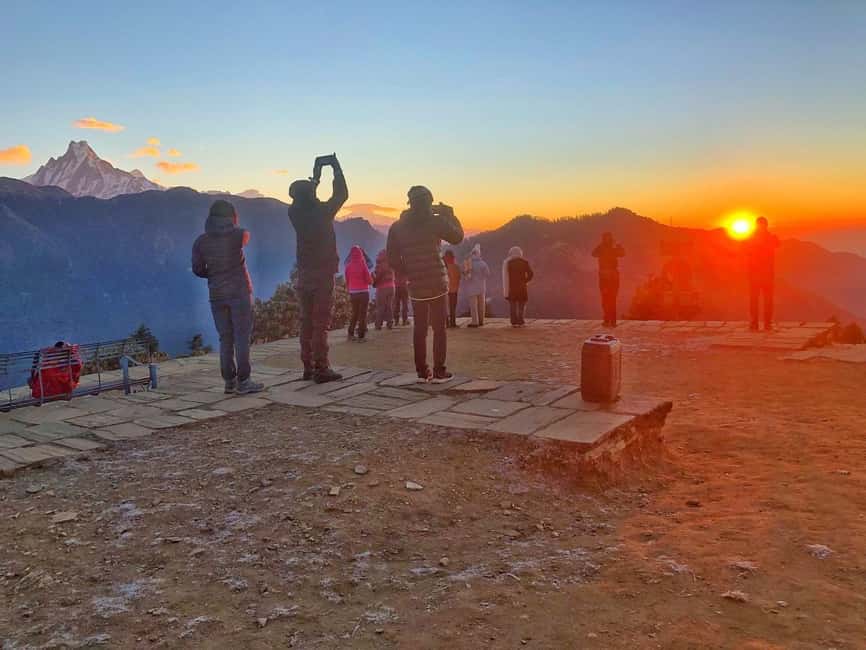
- Sunrise at Poon Hill (3,210 m): short hike, big reward—Annapurna, Dhaulagiri, Machhapuchhre, and more glow at first light.
- Rhododendron + oak forests: a gentle daytime walk with birds, seasonal flowers, and real trail atmosphere.
- Ghorepani overnight: you sleep in the Annapurna foothills, then return for breakfast before descending.
- Village walking: terraced fields, waterfalls along the drive, and traditional Gurung/Magar village life on the way.
- Guide-led flow: names you may recognize—Sandeep Timilsina, Bishnu, Jeet Bahadur, Chandra—known for encouragement and practical help.
- Permits handled: TIMS and trekking permits are included, with passport copies arranged ahead of time.
Why this 2-day Poon Hill sunrise trek feels like the right dose
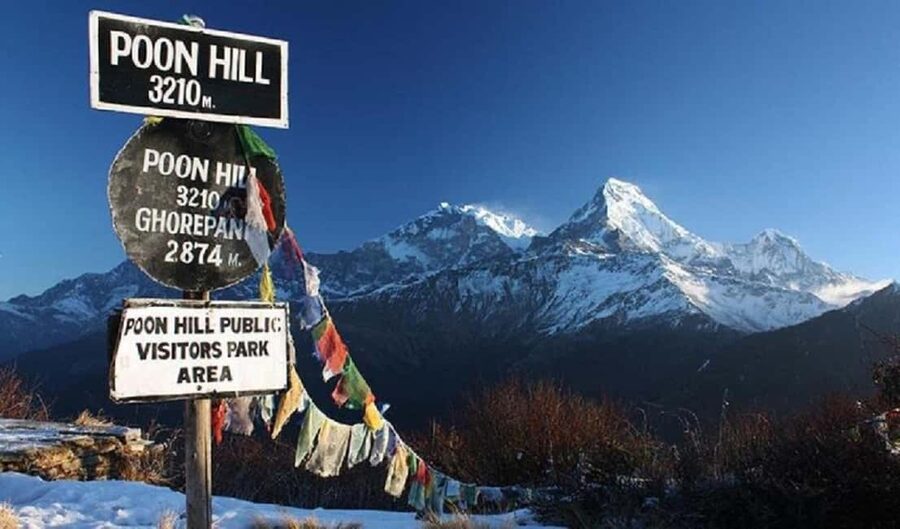
Poon Hill is popular for a reason: you can see a lot of Himalayan stars in a short amount of time. This trek stays focused on the essentials—drive into the region, hike to Ghorepani, then catch sunrise at Poon Hill. The result is a trip that feels big on views but not heavy on time.
I also like the pacing. Day 1 has a steady climb from Ulleri up to Ghorepani, with plenty of chances to stop for photos and breathe. Day 2 starts early, but the push to the viewpoint is short enough that first-timers can usually handle it with the guide’s pace and breaks.
And yes, sunrise is the headline. But the quieter parts matter too: forest trails, village lanes, and the way the mountains begin to look different once you’ve already walked through the region for a day.
You can also read our reviews of more tours and experiences in Pokhara.
The route: Pokhara drive to Ulleri, then Ghorepani by rhododendron
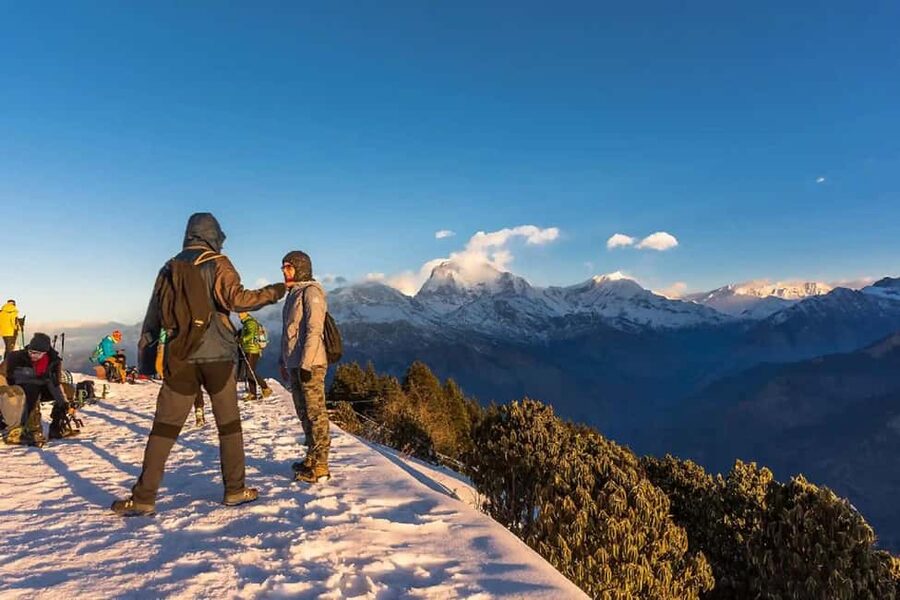
Your day starts in Pokhara, with pickup from the Lakeside area (or other listed pickup spots). From there, you’ll drive toward the trek starting point, passing places like Nayapul, Birethanti, Hile, and Tikhedhunga. The drive climbs through terraced farmland and village scenery, and you may see sparkling waterfalls along the way.
The jeep/SUV drive is about 2.5 hours, while the bus/coach option is about 3 hours. Either way, it sets your legs up for a trekking day without forcing a long day of travel.
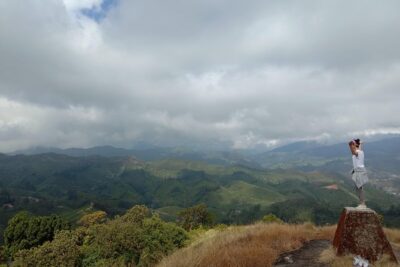
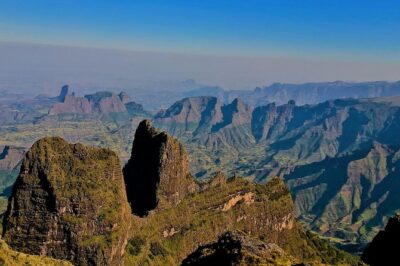
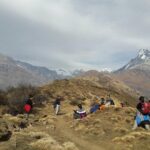
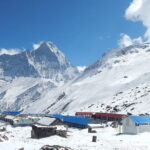
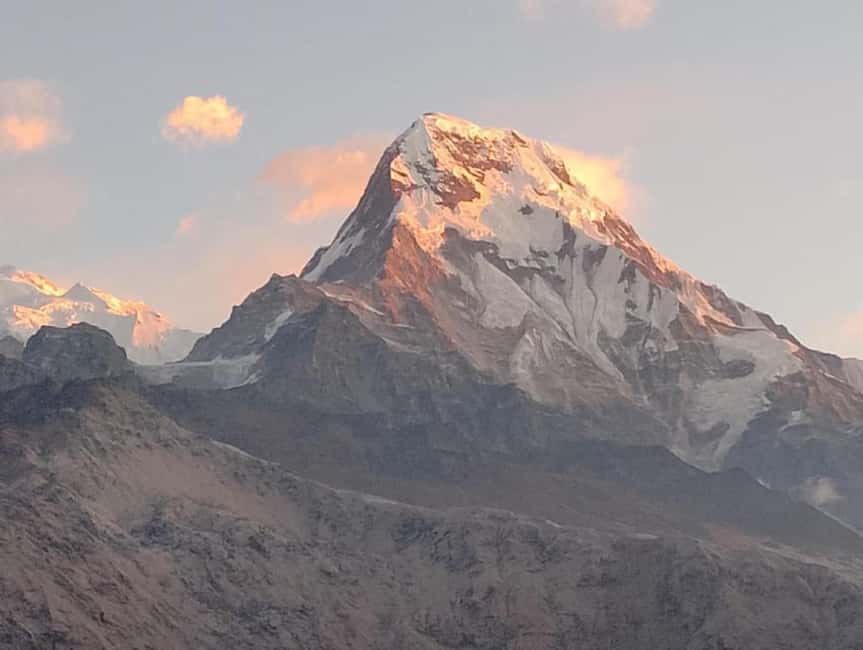
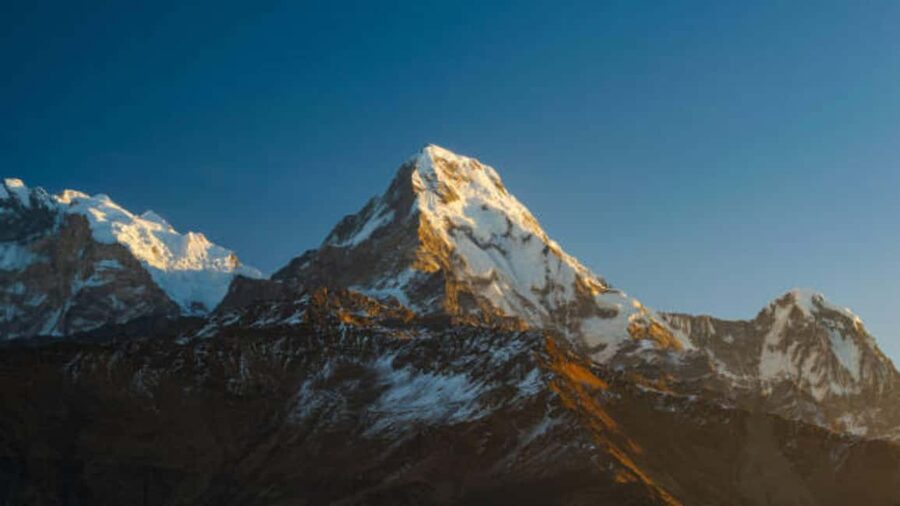
You reach Ulleri (about 1,960 m), a hillside village with great views of Annapurna South and Machhapuchhre—the Fish Tail. Then the actual hiking begins. From Ulleri, the trail moves through rhododendron and oak forests, with birds and seasonal flowers that can make the walk feel lively even before you’re thinking about the mountains.
The trek to Ghorepani (about 2,880 m) usually takes around 4–5 hours. You’re not just climbing; you’re transitioning from forest to village edges. The trail also includes wildlife viewing opportunities, and at least one hiker mentioned seeing monkeys along the route—so it’s not only quiet scenery.
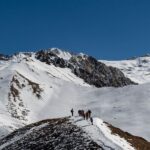
What to watch for on Day 1 is stamina, not technical difficulty. The route is often described as easy, but “easy” in the mountains still means you’ll be walking uphill for hours. Go at the guide’s pace, take breaks when offered, and you’ll feel better than if you try to sprint.
Ghorepani tea-house night: why this stop matters
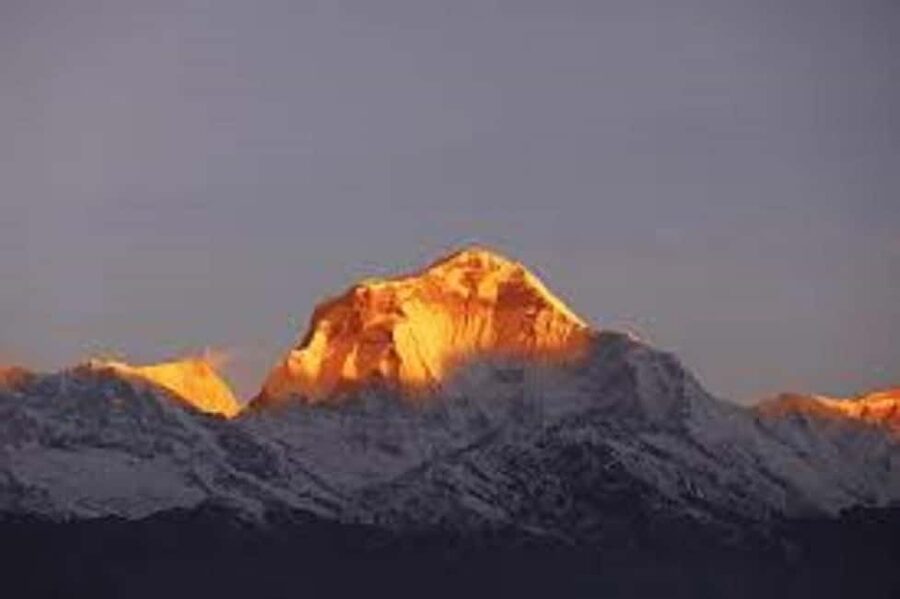
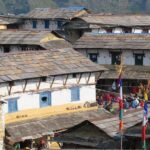
Ghorepani is a practical base with the kind of small comforts that make morning feel possible. After your Day 1 hike, you’ll sleep in a simple tea house/lodge, which is exactly the vibe you want on a short trek: clean-enough rooms, local food, and easy access to the morning start.
This is also where the trek turns from exercise into experience. You can eat something warm, slow down your breathing, and get a realistic feel for village life in the Annapurna region. Ghorepani sits below the big viewpoint area, so you’ll wake up already “in position” for sunrise instead of starting from Pokhara and rushing everything.
Dinner isn’t listed as included, and drinks are available for purchase, so plan to treat meals on this trek like a budget you choose. The upside: you can keep your day simple while still eating hearty food when you need it.
If you’re traveling with a sensitive schedule (or you’re just tired after the drive), this overnight stop is a win. It turns a two-day trek into a full rhythm: hike, rest, sunrise, then descend.
Poon Hill at sunrise: the golden light and the morning work
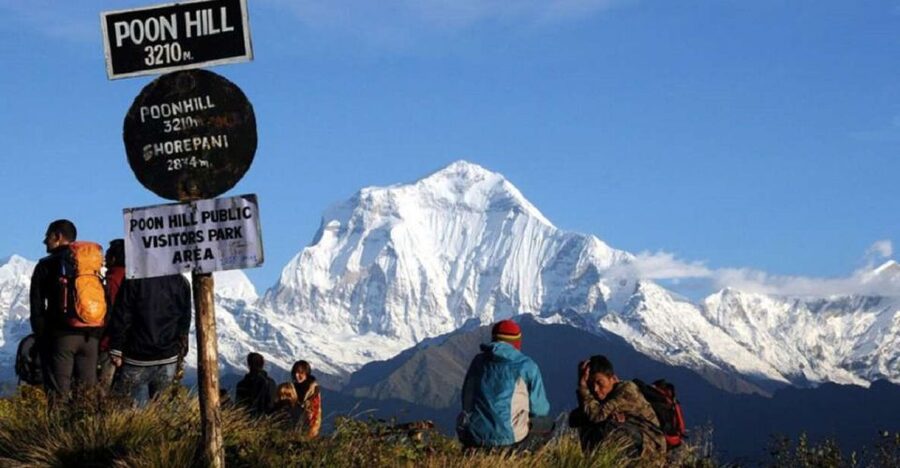
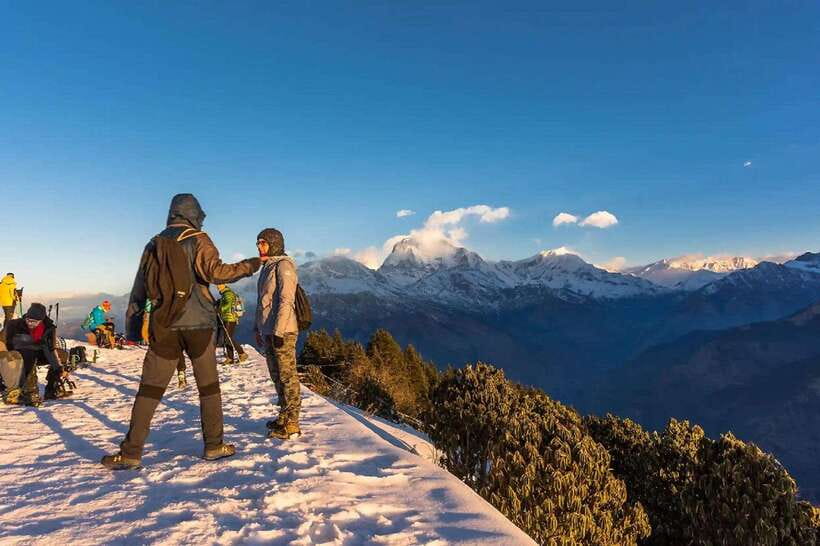
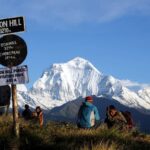
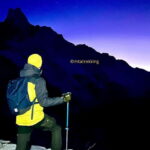
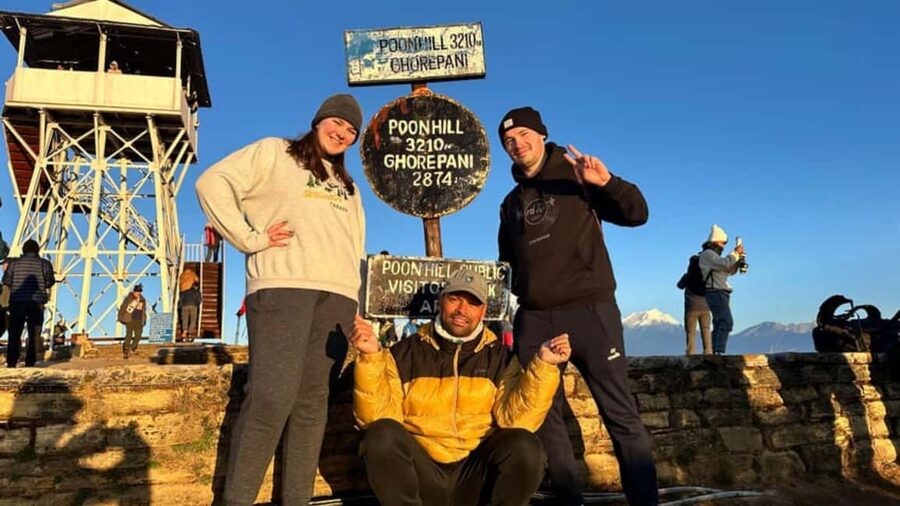
Day 2 begins with an early start. You’ll hike up to Poon Hill (3,210 m) in about 1.5 hours, and it’s short enough that the main challenge is cold air and early-morning legs—not a long altitude grind.
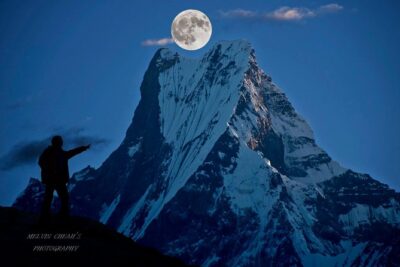
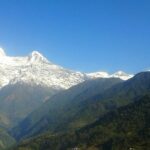
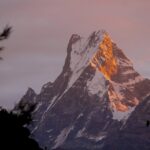
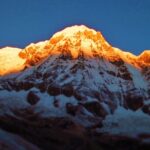
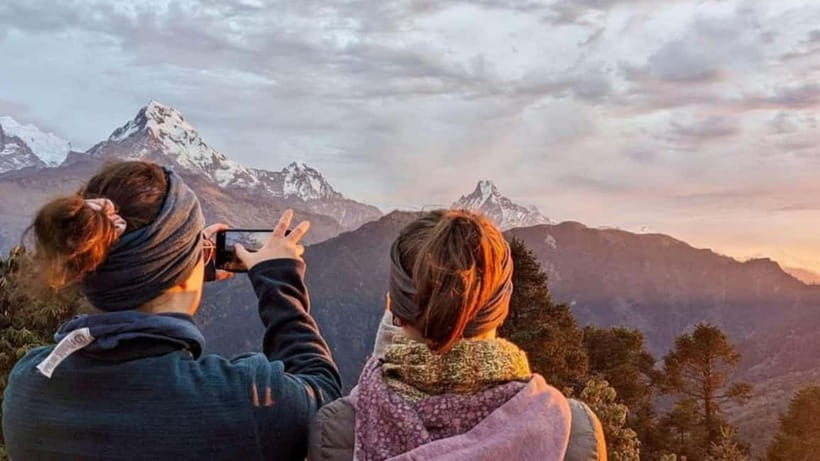
The payoff is the sunrise over the Himalayas. From Poon Hill, the peaks you may see glowing include Dhaulagiri, Nilgiri, Annapurna, Machhapuchhre, Lamjung, and Manaslu. The key word here is “watch”—you’re there to witness light change on real mountains, not to win a race to the top.
Practical tip: bring warm layers you can actually move in. You’ll likely feel fine while hiking, then chilly while stopping for photos. A warm hat and gloves (even if you’re only packing for morning) make a big difference at this elevation.
In the experience reports, guides are praised for helping people understand what they’re looking at. On this trek, names like Bishnu and Jeet Bahadur come up for being positive and encouraging. That matters because it keeps you from focusing only on your breathing. When you can name a peak and understand where it sits, sunrise feels more personal—and less like just taking pictures.
After sunrise, you’ll return to Ghorepani for breakfast, then follow forested trails and villages back down toward Ulleri. This descent phase is often quicker than the climb, but it’s still real hiking—so keep your footing careful.
The return to Ulleri and back to Pokhara: keeping the legs happy
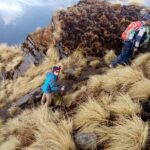
Once breakfast is done, your day shifts from viewpoint mode to legs-down mode. The trek down from Ghorepani toward Ulleri takes about 4 hours of hiking. This is where having decent footwear matters, because downhill can be harder on knees than uphill feels in the moment.
After reaching Ulleri, you’ll take a shared jeep/SUV or bus/coach back to Pokhara. The driving time listed is about 2.5 hours by jeep/SUV or about 3 hours by bus/coach. Then you’re dropped back at your chosen drop-off location in the Lakeside/Pokhara area.
I like this structure for two reasons. First, you don’t lose a full extra day to transportation. Second, you finish the trek while you still have enough energy to enjoy a comfortable end-of-trip meal or a relaxed afternoon in Pokhara.
Guides, permits, and the small details that make it smooth
This trek includes a professional guide who is English-speaking and certified by the Nepal Government. Having a real trekking guide means the plan stays organized, and it also helps with the “what am I seeing?” part of Poon Hill.
In the reports, guides repeatedly get credit for encouragement and practical problem-solving. I love that the guide doesn’t just talk during the climb; they also help with sensible stops and logistics, like choosing good lunch spots along the way and coordinating to keep jeep and lodge bookings aligned.
Permits can be a stress point for visitors, but here they’re included: trekking permits and TIMS fees are handled. You’ll still need to submit a copy of your passport at least one day before the trek so the paperwork can be arranged properly. That’s one of those “do it early and life is easy” tasks.
Also included: a first aid kit, and emergency rescue services are available if needed during the trek. It’s not something you want to think about, but it’s part of what makes a short trek feel safer and more professional.
Price and value: what you’re really paying for at $108
At $108 per person for a two-day experience, the value comes from what’s bundled, not just from the trekking itself. You’re getting:
- Round-trip transport between your Pokhara hotel area and the trek starting point
- Trek permits/TIMS paperwork handled
- One overnight in simple tea houses/lodges
- A trekking guide (with insurance, meals, accommodation, and expenses covered)
- Breakfast included (and listed as included even with a without-meals option)
- Trekking support items like a trekking stick and sleeping bag as needed
- Luggage storage facilities in Pokhara
The “meals” piece is where you’ll want to pay attention. Lunch and dinner aren’t guaranteed as included in every option, and drinks are available for purchase. Breakfast is the constant win.
One more value point: this is a private group experience. Even when the trek route is popular, private guiding usually means less waiting around and more flexibility in pace. That’s worth something if you’re traveling as a couple, small group, or solo person who doesn’t want to feel rushed.
If you add up permits, a guide, transport, and an overnight in the Annapurna region, the package cost starts to look more fair. It’s not a budget “just wing it” trek—but it’s a thoughtful, organized way to get the sunrise payoff without extra headaches.
What to pack for Poon Hill cold, sun, and quick mornings
Even for a short trek, conditions can change fast. Higher points get very cold, especially in the early hours. You’ll want layers and gear you’ll actually use.
Bring:
- Warm clothing (for sunrise and morning waits)
- Sun hat and sunscreen (Poon Hill sun can be intense)
- Hiking shoes with grip
- Comfortable clothes for walking
- Snacks if you like extra energy
- A waterproof camera option (or protective bag)
- A waterproof bag or cover for weather changes
- Travel insurance (mandatory for safety)
- Hiking pants
- Travel documents for the permit process (passport copy ahead of time)
The guide provides trekking gear as needed, like a trekking stick and sleeping bag, but I’d still pack like you’ll be using your own comfortable layers. You’ll thank yourself when you stop for photos at altitude.
Who this trek suits best (and who should be cautious)
This is a great option if you want a short Himalayan experience from Pokhara. It’s ideal for:
- First-time trekkers who want real scenery without a huge schedule
- People who want the Annapurna sunrise viewpoint without committing to a longer trek
- Travelers who enjoy village walking—fields, forests, and local culture on the way to the top
One review specifically mentioned that it felt doable even with asthma. That doesn’t mean it’s medically suitable for everyone, but it does suggest the route can be paced to your comfort level with a supportive guide. If you have any breathing issues, talk with a clinician before you go and move slowly at the start.
Be cautious if you:
- Don’t handle cold mornings well
- Have knee problems for downhill hiking
- Are not comfortable walking for hours with elevation changes
The good news is the trek is short and guided. The better news is you’ll likely be in control of the pace when you use the planned breaks and stop when the guide suggests.
Should you book this 2-day Poon Hill trek from Pokhara?
I’d book it if you want the classic Poon Hill payoff with minimal time in logistics. The package makes sense for people who want transport, permits, and a guide handled, plus a proper overnight at Ghorepani so sunrise feels real rather than rushed.
Skip it or consider another option if you hate cold mornings or you’re worried about downhill strain. This trek doesn’t claim to be technical, but it still asks you to walk uphill and downhill for a couple of days.
If you book, do two things well: pack warm layers for sunrise, and trust the guide’s pace. When Sandeep Timilsina, Bishnu, Jeet Bahadur, or Chandra can keep people confident and organized, the mountains look better—and the whole trek feels easier.
FAQ
How long is the Poon Hill sunrise trek from Pokhara?
It runs for 2 days.
What are the main hiking stops and their approximate elevations?
You’ll trek from Ulleri (about 1,960 m) up to Ghorepani (about 2,880 m), then hike to Poon Hill (about 3,210 m) for sunrise.
Do I need trekking permits and TIMS fees, and are they included?
Yes, trekking permits and TIMS fees are included as part of the package, but you must submit a copy of your passport at least one day before the trek so the documents can be arranged.
What meals are included?
Breakfast is included. Lunch and dinner are available for purchase, and meals may be included depending on the option you select.
What kind of guide do I get?
You’ll have a professional, friendly, experienced English-speaking guide certified by the Nepal Government. The guide can also speak Hindi and Nepali.
Are luggage storage facilities available in Pokhara?
Yes, luggage storage facilities in Pokhara are included.
Is a porter included?
A porter is optional and can be hired separately for $20 per day.
What should I bring for the trek?
Bring warm clothing, a sun hat, hiking shoes, sunscreen, snacks, and travel insurance. Also consider a waterproof camera setup, comfortable clothes, hiking pants, and a waterproof bag.