REVIEW · KATHMANDU
Annapurna Base Camp Trek
Book on Viator →Operated by Red Carpet Journey · Bookable on Viator
One trek, a whole world of peaks. This short route strings together Pokhara lakeside views and classic Gurung villages, then ends at Annapurna Base Camp for a wide-open mountain panorama.
I like how the trip is organized enough that you can focus on the trail, not logistics. You get a government-certified English-speaking guide, plus a porter setup (shared 1 porter to 2 trekkers) so your pack stays reasonable. And I really enjoyed the cultural rhythm: village stops like Ghandruk and Chhomrong, a chance to check out local life, and a Kathmandu farewell dinner with local food and performances.
One thing to consider: ABC packs a lot into a limited time, and the big day is tough. Plan for cold, long effort, and that knee-testing up-and-down, especially around the steeper sections.
In This Review
- Key takeaways before you lace up
- From Kathmandu airport to a lakeside warm-up in Pokhara
- Ghandruk and Chhomrong: Gurung villages and step-count reality
- Bamboo forests to Deurali: the quiet grind toward bigger views
- Annapurna Base Camp day: Machhapuchre Base Camp to the 360 panorama
- The return leg via Bamboo, Jhinu hot springs, and Naya Pul
- Tea house living: food, sleep, and managing cold
- Price and logistics: what $810 really covers (and what it leaves out)
- Who this trek suits and who should pick a gentler option
- Should you book this Annapurna Base Camp trek?
- FAQ
- How long is the Annapurna Base Camp trek?
- How much does the tour cost?
- Where does the trek start?
- Do I get airport or hotel pickup?
- What kind of lodging is included?
- Are meals included?
- Is there a guide and porter?
- Is insurance required, and what should it cover?
- Is cancellation free?
Key takeaways before you lace up
- Pokhara first, not last: a lakeside warm-up day in Fewa Lake before the trek starts.
- Gurung villages with character: Ghandruk and Chhomrong give you real community stops, not just photo pulls.
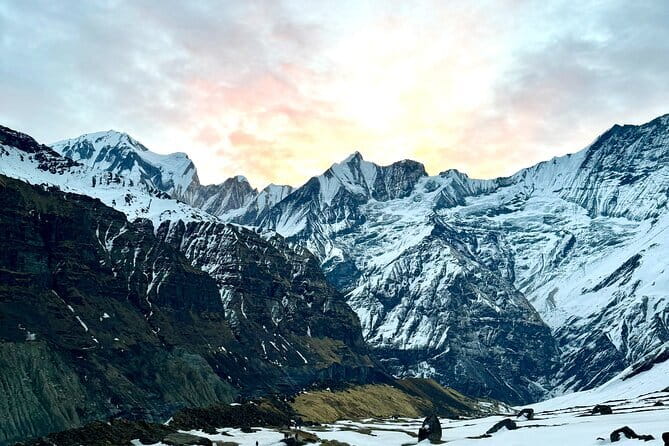
- Bamboo-to-altitude feel: the trail shifts from bamboo forest to drier sections and bigger views.
- The strenuous payoff day: Day 7 pushes hard and then delivers the main ABC panorama.
- Jhinu hot springs for recovery: soak after the return climb before heading back to Pokhara.
From Kathmandu airport to a lakeside warm-up in Pokhara
Day 1 is all about getting settled. After you land at Tribhuvan International Airport, your representative picks you up and drops you at your hotel in Kathmandu. Later, around 7 pm, you’ll have a pre-trip orientation and briefing with your trek leader. It’s a good moment to ask practical questions—what to wear, how to pace, what to expect from lodge life, and how the team handles weather changes.
If you arrive early, you can use that extra time to get your bearings in Thamel, or walk around Ason (the ancient market). It’s a small thing, but it helps when you’re about to leave the city rhythm behind and start moving on mountain time.
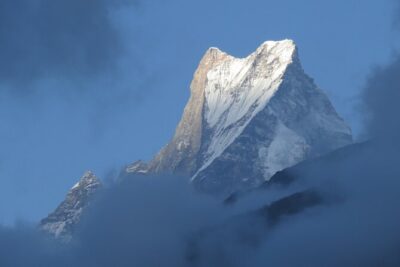
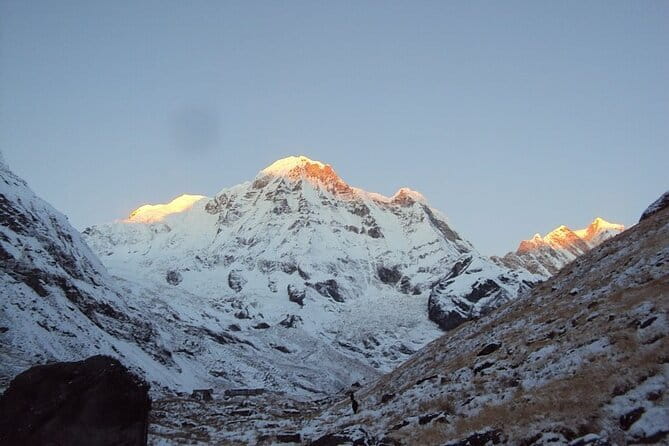
Day 2 then flips the scene. You drive to Pokhara, check into a lakeside hotel, and get a full “no pressure” day. Fewa Lake boating and Tal Barahi Temple are on the schedule, and if visibility cooperates you’ll see big names on the horizon—like Mt. Fishtail (Machhapuchhre), Annapurna, and Dhaulagiri in the north. Even if the views aren’t crystal clear, Pokhara still works as a mental reset. You eat, you wander the lakeside area, and you get used to being outside with cooler air instead of Kathmandu traffic.
Why this matters: starting in Pokhara makes the trek feel earned. You’re not thrown straight onto rough trail on Day 2, and you’re less likely to arrive tired on the first walking days.
You can also read our reviews of more tours and experiences in Kathmandu.
Ghandruk and Chhomrong: Gurung villages and step-count reality
Your actual trek starts Day 3 from Naya Pul, after a drive from Pokhara to Nayapul (via Birethanti). From there, you walk into dense forest and some steep terrain before reaching Ghandruk. The village is known for one of the biggest Gurung settlements in Nepal, and it’s the kind of stop that helps you understand the region as more than scenery. If you have time, you can explore the village and visit the Gurung Museum.
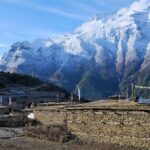
Day 4 brings Chhomrong. You start early, reach Kimrung Danda, then it’s a steep descent into Kimrung Khola. Another ascent after crossing the river brings you to Chere Danda, and then you move gently toward Chhomrong at the base of the Annapurna massif. Chhomrong tends to feel like a hub: you’re still surrounded by forests and paths, but the scale of the mountains starts to feel more present.
Day 5 is where you’ll feel the “short trek, serious effort” vibe. You descend through about 2,500 steps to Chomrong Khola, then climb steeply toward Sinuwa. After that, you’ll pass through forest and reach Kuldihar, and the day ends with an easy downhill section into Bamboo.
A gentle heads-up: those step sections are real. Your legs will adjust, but expect the soreness to show up later rather than immediately. Pack a little patience, and keep your pace steady. Slow and controlled beats heroic.
Bamboo forests to Deurali: the quiet grind toward bigger views
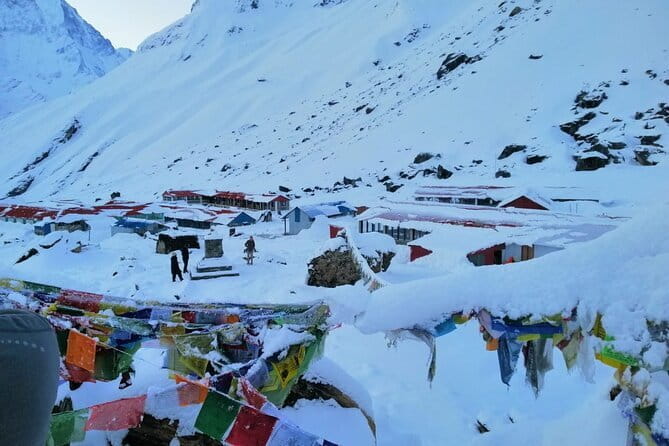
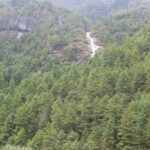
Day 6 is a classic “approach” day. The trail leads through dense, cool, damp bamboo forest. After some steep climbs, you reach the Himalayan Hotel—an iconic landmark trekkers recognize for a reason: it signals you’re in the Annapurna Base Camp zone, not just “walking in the hills.”
The forest then opens up, and you get views of the glacial river below. From there, you climb through drier sections of forest, reach Hinku Cave, and then the trail descends closer to the river before rising again to Deurali.
Why I like this day: you’re not just collecting altitude; you’re collecting variety. Bamboo changes your visual world, and the shifts in terrain help you stay mentally engaged even when the walking feels repetitive. It’s also a good day to practice how you’ll move on Day 7—short stops, steady breathing, and no sprinting just because you see peaks in the distance.
One caution: bamboo forest can be damp and chilly. If you tend to get cold easily, you’ll want a reliable layering plan (base layer, warm mid layer, and something windproof).
Annapurna Base Camp day: Machhapuchre Base Camp to the 360 panorama
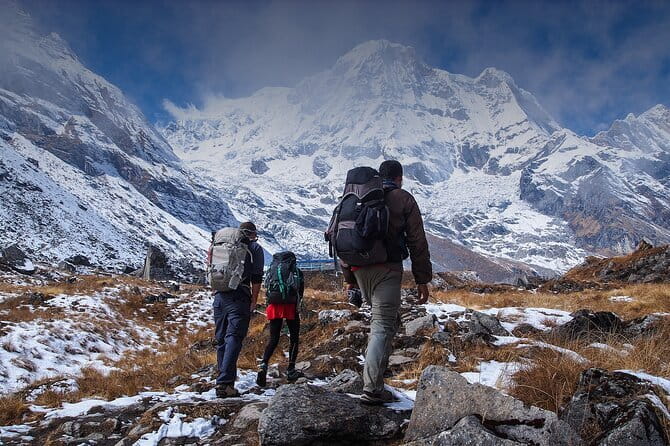
Day 7 is the headline. It’s described as the most strenuous day, and the itinerary backs that up: you start early to Bagar, hike up to Machhapuchre Base Camp (MBC), then continue onward to Annapurna Base Camp (ABC).
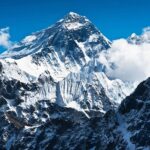
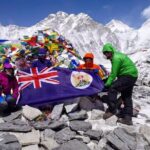
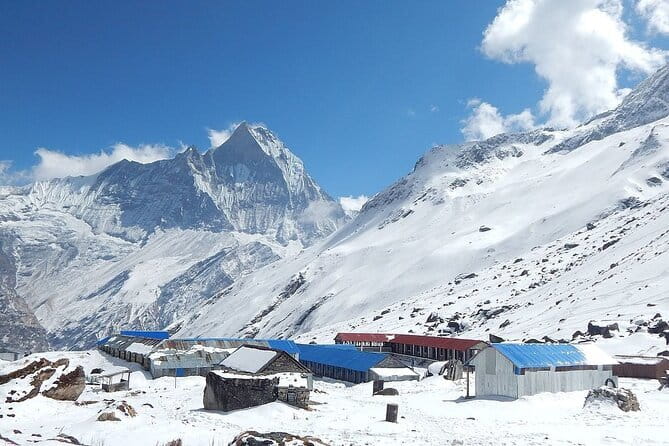
This is also where weather matters most. When conditions are clear, you’re in for the kind of moment people talk about for years: a phenomenal 360 panorama from ABC. And along the way, you move through the Annapurna sanctuary area—wider paths, sparse vegetation, and that sense that you’ve reached the part of the map where mountains dominate everything else.
Now, a practical thought: Day 7’s difficulty isn’t just about effort. It’s about timing. Starting early is not a suggestion—it’s how you avoid getting hit late in the day by cloud cover or colder temperatures. Your guide’s pace and your own hydration matter. Even when the trail is busy, you’ll want to keep sipping water and eating consistently so you don’t crash when the steepness shows up.
You overnight at Annapurna Base Camp on Day 7. That means you wake up in the zone and can adjust if conditions improve overnight. It also means you’re not rushed right away into the return. If you care about that “stare at the peaks without a schedule” feeling, this setup helps.
The return leg via Bamboo, Jhinu hot springs, and Naya Pul
Day 8 is mostly retracing your route back to Bamboo, and it’s described as primarily downhill and relatively easy. That’s your chance to let your body recover without turning it into a rest day. Even “easy downhill” still takes effort, but it’s a different kind of strain than the climbs.
Day 9 adds a fun reward. You trek uphill to Kuldighar, descend to Chhomrong Khola, continue, and climb back up to Chhomrong (again, those 2,500 steps come into play). Then you go down to Jhinu Danda. The best part: a walk from Jhinu Danda to the popular hot springs—time is short enough that it works even if you’re tired, but it’s long enough to help you feel human again.
Day 10 follows with the long “finish” rhythm: trek downhill from Jhinu to Naya Pul, then drive back to Pokhara and transfer to your hotel on arrival. Day 11 brings the return to Kathmandu, with a chance to explore Thamel and pick up souvenirs and Nepali handmade products.
Day 12 is simple: your representative drops you at the airport about 3 hours before your scheduled flight.
What I like about the return: it mixes recovery (mostly downhill) with one concrete reset moment (the hot springs). That’s a better combo than just walking and suffering your way back down.
Tea house living: food, sleep, and managing cold
This trek uses trekking lodges/tea houses for your 8 nights in the Annapurna trekking areas. You’ll get daily breakfast, lunch, and dinner during the trek, and you’ll also have a Kathmandu farewell dinner with local cuisine and performances.
Even with meals included, tea house life comes with tradeoffs. Your room may be basic, and warmth depends on how cold it gets and how busy the lodge is. Some people love that simplicity. Others want a bit more comfort than they expected.
My practical advice:
- Bring layers you can adjust quickly. The trek has sun one moment and chill the next.
- Expect mornings to feel colder than afternoons.
- Keep your sleep routine simple. Don’t overpack your evening with extra tea and late snacks if you already know you get wired.
On this trek, the schedule is tight enough that a decent night’s rest makes the next day feel fair. And yes, cold can make you feel like you’re working harder than you are—so plan to stay warm even when you think you’re fine.
Price and logistics: what $810 really covers (and what it leaves out)
At $810 per person for a roughly 12-day program, you’re paying for more than a “guided hike.” Here’s what stands out as good value:
- Meals during the trek: daily breakfast, lunch, and dinner are included once you’re on the trail.
- Lodging: standard tourist hotels in Kathmandu and Pokhara (on a BB plan), plus trekking lodge/tea house stays for the long walking stretch.
- Guide and porter support: a professional, government-certified English-speaking trekking guide, and a porter (shared 1 porter to 2 trekker basis).
- Transportation: private car for airport and hotel transfers, plus long-distance Kathmandu–Pokhara–Kathmandu on a tourist bus.
- Permits and entry fees: trekking permits and entry fees are included.
- Practical extras: a duffel bag is provided.
What I’d flag so you don’t get surprised:
- Tips for guide and porter aren’t included. That’s normal in Nepal, but it’s still a cost you should budget.
- Personal expenses like drinks and laundry aren’t included.
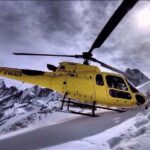
- Travel insurance must cover helicopter rescue in case of emergency. That’s a key requirement, and you should read your policy carefully before you go.
Also, this is a private tour/activity, meaning only your group participates. That’s great if you don’t want to be merged into a random crowd for every step of the journey.
Who this trek suits and who should pick a gentler option
This package is aimed at travelers with moderate physical fitness. In plain terms: you should be comfortable hiking several hours a day, handling uneven paths, and dealing with steeper sections. The itinerary includes multiple climbs and descents, including long stair stretches, and Day 7 is explicitly the toughest day.
This trek fits you if:
- You want one of the most famous mountain destinations without needing a month off.
- You like a mix of villages and forest walking, not just “always climb.”
- You want a guided experience with porter support so you can enjoy the scenery instead of carrying everything.
It might not fit you if:
- You want a truly relaxed trek with minimal effort.
- You’re very sensitive to cold or you struggle with long days after travel.
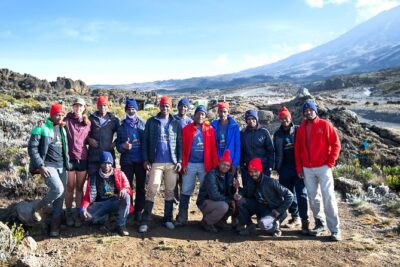
One more note from the vibe of feedback: many people talk about the friendships they made, the laughs around tea houses, and the sense of being grateful at the end. The camaraderie isn’t guaranteed, but this route is popular enough that group energy often forms naturally.
Should you book this Annapurna Base Camp trek?
If your dream is to reach Annapurna Base Camp without reinventing logistics, I think this one is a strong choice. The combination of lodge stays, included trek meals, and a certified English-speaking guide keeps the focus on walking and mountains. And the itinerary’s pacing has a clear shape: village days to acclimate, bamboo-and-river approach days, one hard push to ABC, then a return that includes hot springs.
I also like that the organizing team seems to support good guiding. In feedback about this company, guides such as Khem and Shree get direct credit for making the trek run smoothly and keeping the experience enjoyable.
My final suggestion for your decision: book if you’re ready for the Day 7 effort and you’ll take cold-weather prep seriously. If you’re not sure about your fitness for that steep, strenuous day, consider training before you go—or look for a longer itinerary with more rest.
FAQ
How long is the Annapurna Base Camp trek?
The program is listed as 12 days (approx.).
How much does the tour cost?
The price is $810.00 per person.
Where does the trek start?
The trek starts from Naya Pul (after a drive from Pokhara), which is the origin point of the trek.
Do I get airport or hotel pickup?
Yes. Pickup is offered, and private car transfers are included for airport and hotel transfers.
What kind of lodging is included?
You get 2 nights in standard tourist hotels in Kathmandu and Pokhara (on a BB plan), and 8 nights in trekking lodges/tea houses during the trek.
Are meals included?
Yes. Daily breakfast, lunch, and dinner during the trek are included, plus a Nepali cultural farewell dinner in Kathmandu.
Is there a guide and porter?
Yes. You’ll have a professional, government-certified English-speaking trekking guide, and a porter shared on a 1 porter to 2 trekker basis.
Is insurance required, and what should it cover?
Travel insurance must cover helicopter rescue in case of an emergency.
Is cancellation free?
Yes. Free cancellation is available if you cancel up to 24 hours in advance for a full refund, and the experience requires good weather (if canceled due to poor weather, you’ll be offered a different date or a full refund).