Everest Base Camp begins with a risky hop. This 14-day trek is the real thing: a flight from Kathmandu to Lukla, then steady hiking through Sherpa towns like Namche Bazaar and Tengboche, ending at Everest Base Camp and the sunrise viewpoint of Kala Patthar. I like how the route mixes big altitude goals with practical stops for acclimatization, so you get both drama and a plan. One thing to weigh up: this is moderate to difficult, and the high-altitude days take stamina and patience, especially if weather or flights run late.
I also like the way Third Rock Adventures seems to run the human side of the trip. The trek includes a trained, first-aid guide and porter support (a 2 trekkers to 1 porter setup), and the guide team gets praised by name—people highlighted guides like Gnawang, Deepak, and Dawa—including how they respond when altitude makes things tricky.
Another plus for your budget and comfort: you get two nights in Kathmandu at a 3-star deluxe hotel with breakfast, and then clean, comfortable tea house stays on the trail, plus all trek meals (breakfast, lunch, dinner) with a cup of tea/coffee each day. The trade-off is that your costs on the ground can still grow (visa, insurance, tips, and personal expenses), so it’s not a “pay once and forget it” kind of trip.
In This Review
- Key things that make this Everest Base Camp trek worth your time
- Everest Base Camp, day by day: what you’re really hiking for
- Day 1: Kathmandu arrival and getting gear sorted
- Day 2: Lukla flight and the valley trek to Phakding
- Day 3: Suspension bridges, Sagarmatha National Park, and the climb to Namche
- Day 4: Acclimatization in Namche, plus a sunrise window
- Day 5: Forest walking and Tengboche monastery views
- Day 6: Pangboche and into Dingboche
- Day 7: Nagarjun Hill (5,100 m) and a second acclimatization block
- Day 8: Rugged high terrain to Lobuche (8 km)
- Day 9: Lobuche to Gorak Shep, then Everest Base Camp
- Day 10: Kala Patthar sunrise for the big 360-degree moment
- Day 11: Descend from Pheriche to Namche (via Tengboche)
- Day 12: Namche down to Lukla with the Hillary Suspension Bridge
- Day 13: Lukla to Kathmandu flight and market time
- Day 14: Final transfer to the airport
- Price and value: what $1,799 buys you (and what it doesn’t)
- Comfort on the trail: tea houses, food, and altitude safety basics
- Guides, porters, and small-group pacing: why names matter
- What to expect from each major stop (and any gotchas)
- Who should book this trek, and who should rethink it
- Should you book Everest Base Camp with Third Rock Adventures?
- FAQ
- What’s the duration of the Everest Base Camp trek?
- Are flights to Lukla included?
- What kind of accommodation do I get during the trek?
- Are meals included?
- Do I get porter support?
- What costs are not included in the price?
Key things that make this Everest Base Camp trek worth your time
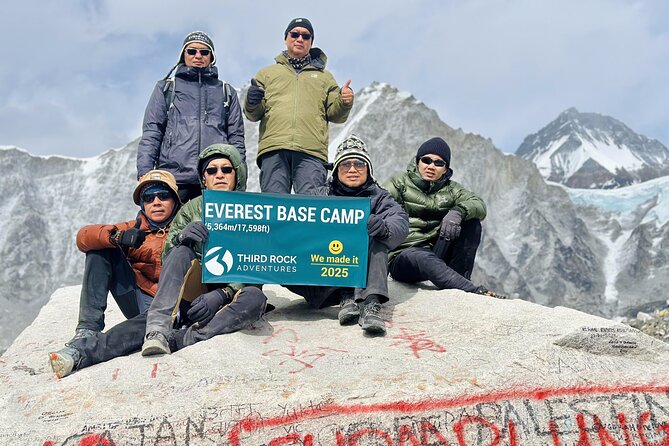
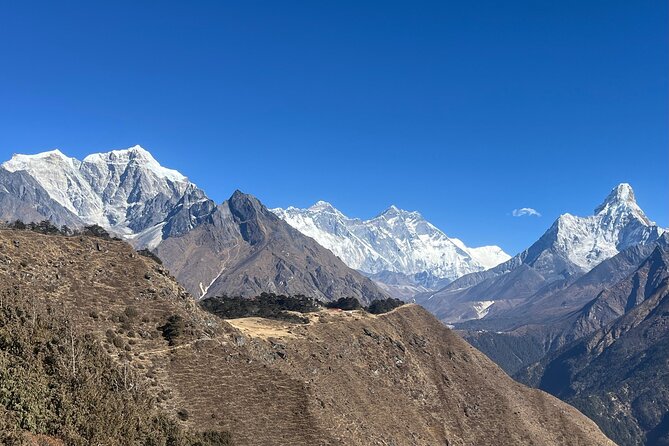
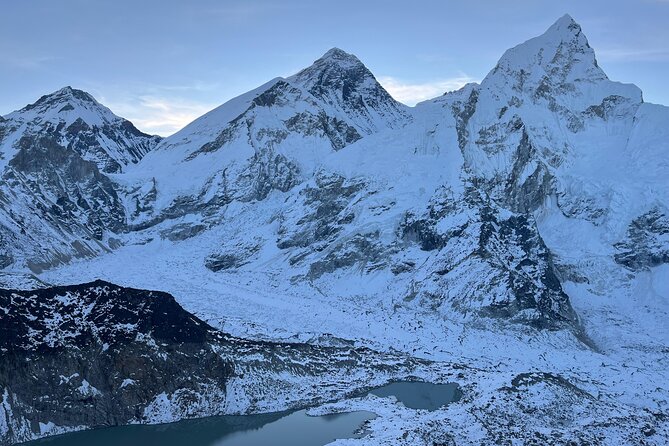
- Kala Patthar at 5,550 m for sunrise and a wide-angle view of Everest, Lhotse, Nuptse, and Pumori
- Small group size (max 12), which usually makes logistics and pacing feel calmer on busy trail days
- Trained first-aid guide plus pulse oximeter and essential meds carried on trek
- Porter support (2 trekkers : 1 porter) so you can hike without turning your pack into a weightlifting program
- Tea house comfort + all trek meals included, so you’re not spending most of your effort hunting for food
- Lukla logistics handled via domestic flights (Ramechhap/Kathmandu to Lukla and back), with Kathmandu transfers included
Everest Base Camp, day by day: what you’re really hiking for
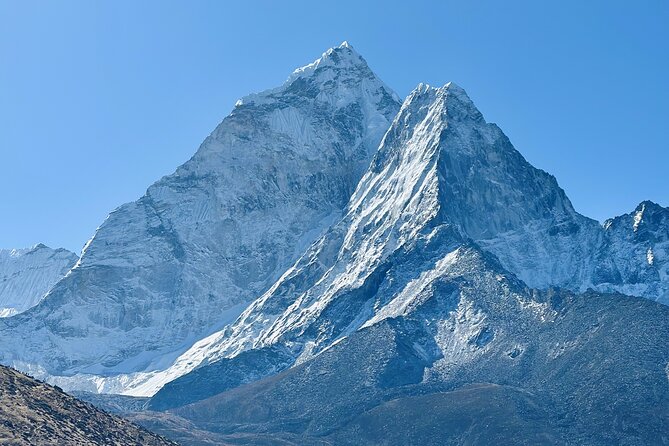
This trek is famous for a reason. You’re chasing views, yes—but the better story is how the trail walks you from foothills into the high Khumbu world. You’ll feel that change in small ways at first (villages, prayer flags, Sherpa monasteries), then in big ways (steeper climbs, thinner air, longer breath pauses).
And your itinerary does a classic Everest Base Camp progression: gain altitude, acclimatize, gain altitude again. That pattern matters, because the high points here are not just for bragging rights. They’re your built-in breathing checks.
You can also read our reviews of more tours and experiences in Kathmandu.
Day 1: Kathmandu arrival and getting gear sorted
You land in Kathmandu and get picked up in a private vehicle, then transferred to your hotel. A representative meets you for briefing, and you spend the day getting set: check your gear, shop around Thamel, and meet the trek leader and team.
What this day gives you: margin. Altitude treks run on timing, and Kathmandu is where you catch up on anything you forgot—extra layers, headlamp, a good water bottle, or basic trekking supplies.
Practical tip: don’t overplan your first evening. You’ll want an early night, especially if you’re arriving from a long-haul flight.
Day 2: Lukla flight and the valley trek to Phakding
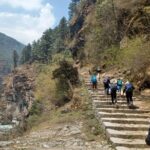
Day two is the moment the mountains start to feel close. You fly to Lukla, meet your crew, and begin trekking through Chauri Kharka, following the Dudh Koshi River. You’ll end in Phakding, a Sherpa village in the valley.
This is a “wake up your legs” day. The walking helps you adjust to the rhythm of daily hikes. Also, the river valley gives you an easier mental transition from city life to mountain life.
Day 3: Suspension bridges, Sagarmatha National Park, and the climb to Namche
You cross the Dudh Koshi on suspension bridges (including the famous Hillary Bridge). Then you enter Sagarmatha National Park, stop for lunch at Jorsale, and continue with a steep climb to Namche Bazaar, the Sherpa capital and trading hub.
Namche is where the trek turns from countryside hiking into high-altitude culture. It’s also where you’ll start seeing more trekkers, more lodges, and a stronger sense that you’re part of a shared mission.
A consideration: the climb into Namche can feel punchy after the earlier valley day. Go slow and steady, not heroic.
Day 4: Acclimatization in Namche, plus a sunrise window
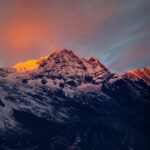
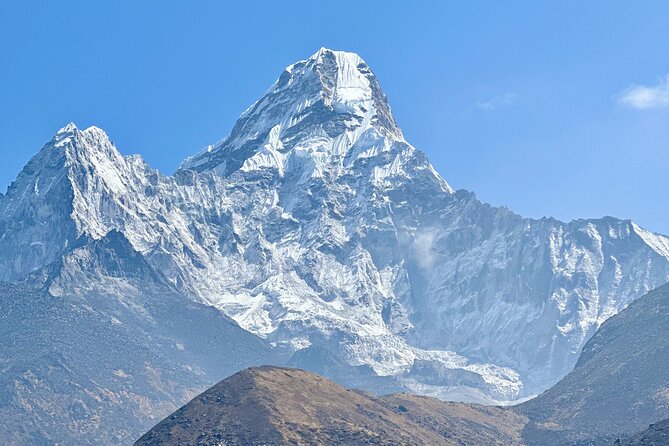
This is your acclimatization day in Namche. You can explore bakeries, shops, and the Saturday Market, then do a sunrise hike with views toward Everest, Ama Dablam, and Lhotse.
Why this day matters: staying longer at altitude helps you adjust before the trek starts stacking higher camps. It’s one of the best days for getting your bearings and learning your own pace.
This is also a great day for real-world prep: you can ask your guide questions about breathing, hydration, and what “normal” discomfort should feel like.
Day 5: Forest walking and Tengboche monastery views
You hike through rhododendron and juniper forests with mountain views. You’ll arrive in Tengboche, home to the region’s largest monastery. Expect close-up views of Ama Dablam, plus a chance to visit the monastery area.
This is a classic spiritual-plus-scenic stretch. Forest walking at altitude can feel strange—cool air, thinner breathing, but softened trails compared to exposed ridgelines.
Day 6: Pangboche and into Dingboche
You cross the Imja Khola and pass through Pangboche, described as the highest permanent Sherpa settlement. Then you continue to Dingboche, with views of Island Peak and Ama Dablam.
Dingboche is a big step up. The air feels different, and you’ll likely notice how even a small uphill requires more time.
Day 7: Nagarjun Hill (5,100 m) and a second acclimatization block
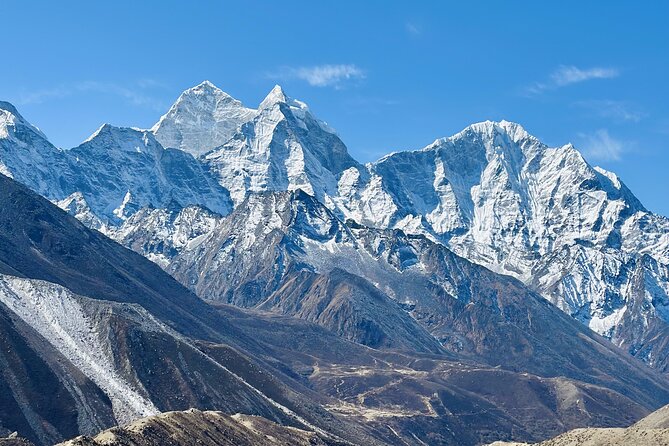
You hike to Nagarjun Hill (5,100 m) for panoramic views of Makalu, Lhotse, Ama Dablam, and Island Peak, plus a close-up view of the Imja Glacier. Afternoon is free for rest or exploring Dingboche.
This is your “work the acclimatization” day. Hiking up while you’re still at a camp helps your body learn, so later pushes feel less like a shock. Your guide and group pacing make a difference here.
From the feedback you can take a hint: guides like Dawa were specifically praised for supporting altitude-sickness situations and adjusting plans when needed.
Day 8: Rugged high terrain to Lobuche (8 km)
You trek 8 km over rugged high-altitude terrain to Lobuche. You’ll get sweeping views of Lobuche, Pumori, and Nuptse. There’s also a stop at Thukla Pass to honor Everest climbers at memorial stupas before continuing toward the Nepal–Tibet border area.
This day is about exposure and emotional context. The memorial stupa stop gives the trek a deeper meaning—this is not just a viewpoint hike; it’s part of the larger Everest story.
Day 9: Lobuche to Gorak Shep, then Everest Base Camp
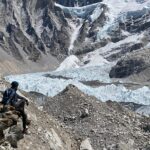
You trek from Lobuche to Gorak Shep, then hike alongside the Khumbu Glacier to reach Everest Base Camp. Expect epic views of the Khumbu Icefall and surrounding peaks before returning to Gorak Shep for the night.
This is the day you came for. Even if you’ve seen photos, you’ll still get that “wait, this is real” feeling when you arrive. The icefall views in particular are often a huge visual impact because they show the mountain’s scale and motion.
Practical note: Base Camp days can be long. Plan for slow walking and don’t burn energy racing to the landmark.
Day 10: Kala Patthar sunrise for the big 360-degree moment
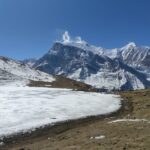
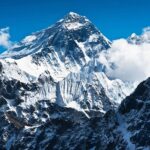
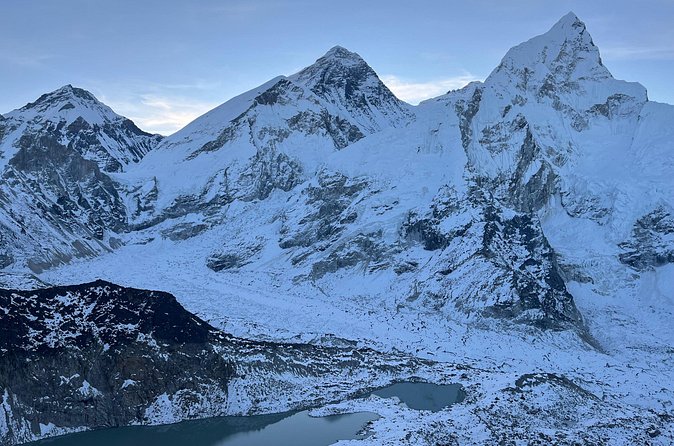
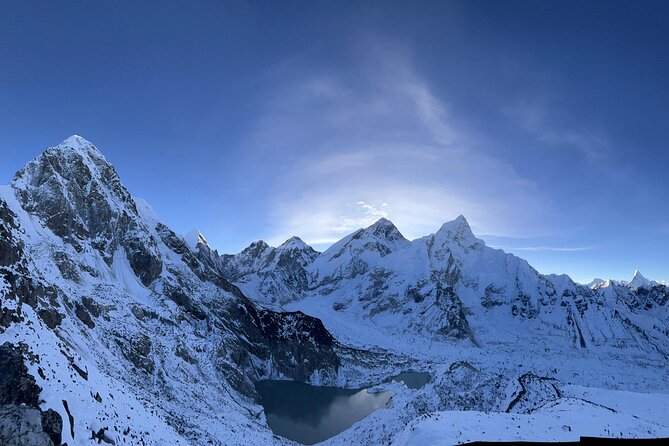
After breakfast, you hike to Kala Patthar, the highest point of the trek. It’s set up for stunning 360-degree views of Everest, Lhotse, Nuptse, and Pumori. Then you watch sunrise lighting up Everest’s peak. After that, you return to Gorak Shep and descend.
This is the most intense day in the itinerary. Even if you’re acclimatized, your body will treat 5,500+ meters like a big deal. The sunrise part adds early start pressure, so keep your sleep and hydration game tight the night before.
Day 11: Descend from Pheriche to Namche (via Tengboche)
You descend from Pheriche through scenic trails, passing Tengboche along the way, then make your way back to Namche Bazaar. There’s an afternoon climb and a more normal village atmosphere for the evening.
This is a relief day physically, but not an easy stroll. Descents can still beat up knees. Take short steps and use trekking poles if you have them.
Day 12: Namche down to Lukla with the Hillary Suspension Bridge
After breakfast, you descend from Namche through local villages and cross the Hillary Suspension Bridge, then reach Lukla in the afternoon. The day includes a final push to complete your Everest adventure and your final night in the area.
This is where you start mentally unthreading the trek—still walking, still dealing with altitude, but the finish line becomes real.
Day 13: Lukla to Kathmandu flight and market time
You take a scenic flight from Lukla back to Kathmandu and get transferred to your hotel. You rest or explore nearby shops for handicrafts and souvenirs. You can also visit Ason Market for spices, tea, and decorative items. Evening includes a farewell dinner.
This day is underrated. It’s when you can process the trip without the mountain doing the talking nonstop.
Day 14: Final transfer to the airport
A representative transfers you to the airport about three hours before your flight.
You’ll finish tired but proud. The best part is you’ll have a real timeline of progress—altitude gains, acclimatization days, the big peak days—so the whole story feels coherent.
Price and value: what $1,799 buys you (and what it doesn’t)
At $1,799 per person, this trek isn’t “cheap,” but it’s also not just paying for a map and a prayer. The included value stack is meaningful:
- Two Kathmandu nights in 3-star deluxe accommodation with breakfast
- All meals on trek (breakfast, lunch, dinner) plus tea/coffee during the trek
- Tea house lodging that’s described as clean and comfortable
- Porter support (2 trekkers : 1 porter), plus down jacket and sleeping bag support that you return after completion
- Sagarmatha National Park and community fees
- Domestic flights for the Lukla routing and back (via Ramechhap/Kathmandu to Lukla to Ramechhap/Kathmandu)
- Private vehicle pickup/drop off in Kathmandu
- A government-licensed trained guide, first-aid kit, pulse oximeter, and essential meds carried
What’s not included matters for your final budget. You’ll still need to plan for Nepal visa fee, travel and medical insurance, tips, and personal costs like bottled/boiled water, snacks, phone use, laundry, hot showers, and charging. The data given also notes personal trekking gear costs are extra.
A quick way to think about it: the price covers a lot of the unavoidable logistics and food on trek. Your “extra” spending is mostly your choices and comfort upgrades, not the core trek mechanics.
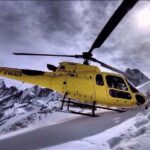
Also note: if flights get canceled or you want a faster return, there’s a sharing helicopter flight option priced at $1,200 per person, but that’s only if you choose it.
Comfort on the trail: tea houses, food, and altitude safety basics
This plan leans on tea house trekking, with “best available” clean and comfortable accommodation during the hike. That’s important because Everest Base Camp logistics work best when your lodging is reliable. You’re not meant to scramble daily.
Meals are included—breakfast, lunch, dinner—with tea/coffee during the trek. That reduces daily decision fatigue. At altitude, food timing and hydration can help more than you’d expect, and having meals handled means you spend energy on walking and breathing.
On the safety side, the trek includes a trained English-speaking, government-licensed guide, plus a first aid kit and pulse oximeter, and essential meds carried (examples given include Paracetamol and Diamox). You still need your own common sense and medical preparation, but it’s good to know safety tools are part of the kit rather than left to luck.
One small reality check: the trek is listed as moderate to difficult. You’ll want to accept that you might not feel like a hero every day. You’re working a high-altitude system, not just a walking route.
Guides, porters, and small-group pacing: why names matter
The strongest theme in the feedback is how people felt supported day after day. Guides were praised not only for route knowledge, but for being practical when conditions changed.
In particular:
- Gnawang and Somdey were highlighted for being polite, funny, and helpful, with answers to questions while keeping things organized.
- Deepak was praised for helping the group when weather prevented leaving Kathmandu on schedule, getting things back on track.
- Dawa was praised for altitude sickness support and adjusting plans when someone needed changes.
That last point is key for you. At Everest Base Camp, things don’t always go perfectly on paper. Having a guide who can respond—rather than forcing the plan—can make your trek safer and more comfortable.
Also, the group size max of 12 travelers helps. Crowds happen on popular days, but smaller groups often mean fewer bottlenecks and more flexible pacing.
Porter support (2 trekkers: 1 porter) also matters for value and enjoyment. When your main luggage is carried, you can focus on breathing and leg rhythm.
What to expect from each major stop (and any gotchas)
Here’s the practical meaning behind the big locations:
- Phakding: a valley start that helps you ease in after Lukla. Expect a gentle rhythm and river scenery.
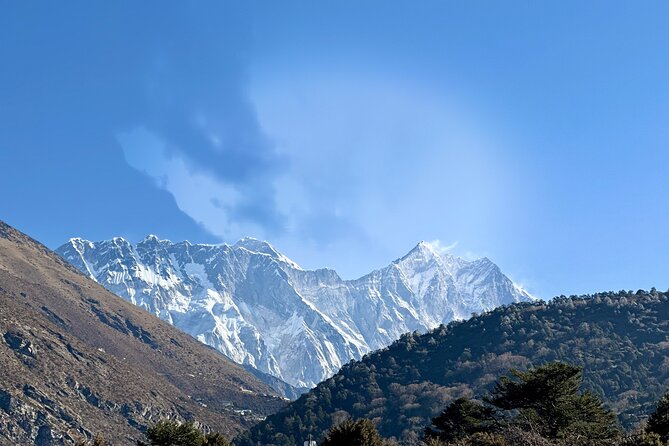
- Namche Bazaar: acclimatization plus supplies. It’s also where you’ll feel the culture shift toward trekking life. The Saturday market is part of the Namche appeal.
- Tengboche: monastery energy and close views of Ama Dablam. It’s a psychological high point.
- Dingboche: high-country living. You’ll acclimatize more intentionally here with a hike to Nagarjun Hill.
- Lobuche and Thukla Pass: tougher terrain and a memorial stop that adds context.
- Everest Base Camp via Gorak Shep: the goal. Icefall views are the kind that stick in your brain.
- Kala Patthar at sunrise: the grand finale view. Expect an intense climb and early timing.
- Return via Namche and Lukla: finishing is its own phase—descents, bridge crossings, and then Kathmandu.
Gotchas to plan for:
- Altitude fatigue can affect even the best days, especially around Kala Patthar and the approach to Base Camp.
- Weather and flight timing can change the feel of your schedule. The itinerary includes domestic flights and doesn’t hide that reality, so build mental slack.
- Daily effort adds up. This is why acclimatization days exist—use them to rest, not race ahead.
Who should book this trek, and who should rethink it
This itinerary is best for you if:
- you have a moderate fitness base and you’re willing to train before you go
- you want a structured plan with acclimatization days built in
- you prefer having logistics handled (meals, tea house stays, guide, park fees, flights)
It might be a less good fit if:
- you’re looking for an easy walk with minimal altitude strain
- you don’t want to do early starts for sunrise hiking
- you’re not ready for the reality of high-altitude trekking where conditions can force changes
Should you book Everest Base Camp with Third Rock Adventures?
If you want the classic Everest Base Camp experience with solid support, I think this is a strong option. The best reasons to choose it are the practical value pieces: meals included on trek, porters carrying your main luggage, Kathmandu accommodations covered, park/community fees handled, and a trained first-aid guide with pulse oximeter. Add in the fact that multiple guide and porter names came up positively, including support during altitude issues and schedule disruption, and you’re not just buying scenery—you’re buying day-to-day help.
My advice: book if you’re ready for altitude work and you want a reliable, well-run route. Don’t book if you want a low-effort trip or you’re hoping the mountains will behave like a theme park.
FAQ
What’s the duration of the Everest Base Camp trek?
The trek is listed as 14 days approximately.
Are flights to Lukla included?
Yes. Domestic flights (Ramechhap/Kathmandu to Lukla to Ramechhap/Kathmandu) are included, plus Kathmandu pickup and drop-off.
What kind of accommodation do I get during the trek?
You stay in tea house accommodation during the trek, described as clean and comfortable.
Are meals included?
Yes. During the trek, breakfast, lunch, and dinner are included, along with a cup of tea/coffee.
Do I get porter support?
Yes. Porter service is included with a 2 trekkers to 1 porter ratio for carrying your main luggage.
What costs are not included in the price?
The tour data lists items like Nepal visa fee, travel and medical insurance, tips, lunch and dinner in Kathmandu, and various personal expenses (including bottled or boiled water).