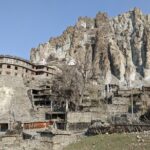
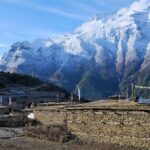
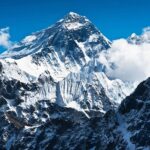
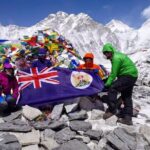
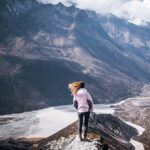
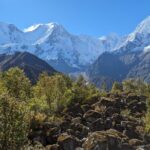
Manaslu Circuit feels like a slow reveal of giants. You get those early, real views of Mt. Manaslu (8163m) and then work your way toward the main event: the high, windy crossing at Larkya La Pass (5160m), where the mountains really fill your whole day. I also like the practical setup: airport transfers, Kathmandu hotel with breakfast, teahouse lodging, and English-speaking leadership handled in one package.
The main consideration is altitude and effort. This route climbs above 5000m, and some days run long (often 6–9 hours of walking), so moderate fitness helps you enjoy the views instead of just surviving the schedule.
In This Review
- Key highlights
- Manaslu Circuit: Mt. Manaslu and Larkya La, without the guesswork
- Kathmandu prep in a 3-star comfort bubble
- Transport days: why the drives matter on Manaslu
- Early trek legs: river valleys, rhythm, and local life
- Namrung and Samagaon: where altitude starts to feel real
- Samdo and Dharamsala: building toward the pass day
- Larkya La day: what makes it worth the suffering
- Downhill days: Tilije, Tal, and Syange
- Teahouses and meals: included fuel, not gourmet surprises
- Guides and porters: the human difference
- Permits, paperwork, and why included means less friction
- Value check: is $1,550 per group a good deal?
- Weather and packing reality
- Who should choose this Manaslu Circuit trek
- Should you book Manaslu Circuit with Mount Mania Treks Expedition?
- FAQ
- FAQ
- How many days is the Manaslu Circuit trek?
- What is the highest point on this trek?
- Where does the trek start?
- Are airport transfers included?
- Is accommodation provided in Kathmandu and during the trek?
- Are meals included?
- What trekking permits are included?
- Do you get porter support?
- Is travel or rescue insurance included?
- What is the free cancellation window?
Key highlights
- Mt. Manaslu focus with big-mountain scenery from the start, not just at the end
- Larkya La Pass at 5160m, the dramatic crossing that shapes the whole trek
- Permits and paperwork included (ACAP, MCAP, TIMS), plus a medical kit carried by the leader
- All meals during the trek and teahouse accommodation, so you are not constantly planning food
- Porter support (2 trekkers: 1 porter) that helps you keep a lighter load
- Guides known for care and adaptation, with names like Ganesh and Balu Acharya showing up in feedback
Manaslu Circuit: Mt. Manaslu and Larkya La, without the guesswork
Manaslu is the kind of trek where your attention keeps getting grabbed. You start near Kathmandu and then transition into the river-valley walking rhythm. As you gain altitude, the views tighten and sharpen, and the mountain scale starts to feel personal instead of postcard-big.
What makes this trek especially compelling is how the itinerary builds toward the pass. You are not thrown from low altitude straight into the hardest day. You gain height step by step, with a key high-stay sequence around Samdo and Dharamsala / Larkya Base Camp before pushing on toward Larkya La. That matters because altitude is the real main character here, not distance.
I also like that the package is built around clarity. Your trek leader is English-speaking and government-licensed, and the team handles permits (ACAP, MCAP, TIMS) and the necessary paperwork. For you, that means less time at desks, fewer last-minute surprises, and more time actually walking the route.
You can also read our reviews of more tours and experiences in Kathmandu.
Kathmandu prep in a 3-star comfort bubble
You begin in Kathmandu (TIA arrival), with airport pickup and drop in a private vehicle. After a long flight, you get to reset without playing logistics roulette. You also get 3-star hotel accommodation in Kathmandu with breakfast, which is a nice buffer before teahouse days.
Your second day is built for readiness: sightseeing around Kathmandu and trek preparation. That blend is useful. It gives you a chance to get your bearings in a busy city while you also finalize gear and mental stamina for the trekking days ahead.
One small but real value: farewell dinners are included. After nearly three weeks of being in “trail mode,” a proper food moment in Kathmandu is a good landing. It also helps you celebrate with your group before you head back to normal schedules.
Transport days: why the drives matter on Manaslu
Trekking in Nepal often looks like a simple formula: drive, walk, sleep, repeat. On Manaslu Circuit, the first big drive sets your tone. You travel from Kathmandu down to Sotikhola (710m) by private vehicle, roughly 8–9 hours. Then you start walking the next day from Soti Khola to Maccha Khola, around 6–7 hours.
Later, you do another long drive back from Syange to Kathmandu, again about 8–9 hours. These road days are not about adventure. They are about getting you into position so the trek can do what it does best: take you through valleys, villages, and high passes over many days.
A consideration: you are using a private vehicle for the major transfers, which is convenient, but it still means long sitting time. If you have a sensitive back or knees, bring layers and consider compression socks for the drive days.
Early trek legs: river valleys, rhythm, and local life
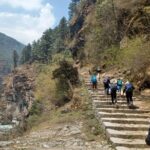
The early walking days move you through changing terrain without sky-high drama. You go from Soti Khola to Maccha Khola, then onward to Jagat (1410m), Deng (1804m), and Namrung (2630m). These segments usually run 6–7 hours, which is a manageable build.
That slow climb is not just for altitude reasons. It also helps you find a steady pace. On a trek like this, your comfort often comes down to whether you can keep a rhythm. The itinerary gives you several days where you can settle into your walking cadence before the higher-altitude sequence.
You also get a glimpse of local heritage as you move through villages. Even if you spend most of the day walking, the places you pass through matter. They break up the trek into human-scale moments rather than nonstop scenery.
Namrung and Samagaon: where altitude starts to feel real
Namrung (2630m) and Samagaon (3530m) are key waypoints. By the time you reach them, you are no longer just “getting higher.” Your body starts to notice the thin air, and you begin to plan your day differently: slower starts, fewer rushes, more time to breathe and recover at each stop.
From Namrung to Samagaon is another 6–7 hour walk. That segment is where you start valuing consistent trekking habits—steady steps, smart hydration, and not overdoing your first hour just because you can see far.
Then you get a special day option built around Pungyen gompa and exploration, plus a short return back to Samagaon. This is the kind of pause that makes a high trek feel like a journey, not a grind. It also gives you a chance to stretch, wander slowly, and enjoy the cultural side of the region.
Samdo and Dharamsala: building toward the pass day
At Samagaon you continue the ascent with a move to Samdo (3860m) in about 4–5 hours. That shorter walking time is intentional. It helps you keep momentum without stacking too much strain on top of altitude.
Then you head to Dharamsala / Larkya Base Camp (4460m), again around 4–5 hours. This is a crucial altitude band for acclimatization. The real point is not just reaching a number on a map. It is giving your body time to adjust before the long, high push that follows.
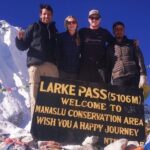
The next day brings the main crossing: trekking from Dharamsala to Larkya La (5160m) and then onward to Bimthang (3720m), usually 8–9 hours. This is the day that defines Manaslu Circuit. The work is harder, the air is thinner, and the weather matters more.
Practical thought: this is where you notice whether your layering system works. Even in a well-planned trek, mountain weather changes fast. Dress appropriately, keep your wind protection handy, and plan for colder conditions at high elevation.
Larkya La day: what makes it worth the suffering
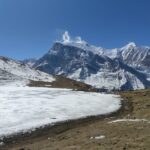
The Larkya La Pass crossing is widely believed to be one of the most dramatic mountain passes in the region. In plain terms: it is the day you remember later. Even if your legs are heavy, you feel the achievement when the pass appears and you can look back at what you’ve done.
The route continues to Bimthang (3720m) after the pass. That means you get the reward of descending to a lower altitude, even if your total day still runs long. This matters because a high pass can be mentally exhausting as much as physically demanding. Reaching Bimthang gives you a real chance to recover and sleep well.
Safety note: you are not just walking at high elevation. You are dealing with potential wind, cold, and changing visibility. This is where an experienced leader earns their spot. The trek leader’s job is pace-setting and decision-making if conditions shift.
Downhill days: Tilije, Tal, and Syange
After the pass, your trek moves into a different phase. You start shedding altitude and the route becomes more about endurance than altitude panic.
You trek from Bimthang to Tilije (2300m) in about 5–6 hours, then Tilije to Tal (1700m) around 5–6 hours, and Tal to Syange (1080m) about 6–7 hours. That is a lot of walking on the way down, and it can still be tough on knees and quads.
If you are prone to knee pain, take downhill steps carefully. Shorter steps and controlled descents help. Also, keep expectations realistic: “downhill” does not automatically mean easy.
Finally, you drive Syange back to Kathmandu (8–9 hours). It feels long, but it is also a relief. You’ve already done the hard altitude work. Now you just need to stay comfortable until you reach the city.
Teahouses and meals: included fuel, not gourmet surprises
Teahouse accommodation is included during the trek, along with all meals (breakfast, lunch, dinner) during the walking days. This is a big deal for value and stress reduction.
Food logistics are one of the biggest hidden challenges on long treks. When meals are handled, you stop spending energy asking what you’ll eat later. You also tend to eat more consistently, which helps when altitude makes your appetite unpredictable.
That said, it is still a trek in remote areas. Your meals will be practical, and your room will be basic. The good part is that the trip design assumes this and covers it with inclusions. You are not paying extra at every stop for core needs.
What is not included: lunch and dinner in Kathmandu, plus personal expenses like bottled or boiled water, phone calls, wifi, laundry, and battery charging. Plan for those. The trek will feel smoother if you keep a small daily buffer for the things that are outside the package.
Guides and porters: the human difference
On this trek, the “team” matters almost as much as the scenery. Included in your package is an experienced, English-speaking, government-licensed trek leader, plus porter service with a 2 trekkers to 1 porter ratio.
Porters are a real help on multi-week treks. They can reduce the load enough to keep your pace steady. It also helps you avoid the classic mistake: packing too much because you think you can power through.
In feedback, guide names like Ganesh and Balu Acharya show up more than once, and the tone is consistent: caring, attentive, and quick to adapt when someone struggles. There is also mention of porters like Bijaya or Biyaya being friendly and safety-minded.
For you, that means you should expect support that goes beyond pointing the route. A good leader helps you manage your effort, adjust pace, and keep morale up when the day feels long.
One more practical point: a medical kit is carried by your trek leader. Travel and rescue insurance is not included, so you should arrange your own insurance before you go.
Permits, paperwork, and why included means less friction
This trip includes the necessary trekking permits and paperwork: ACAP, MCAP, and TIMS. It also includes all ground transportation, staff costs (salaries, insurance, equipment, food, accommodation), and local and government taxes.
Here is why you should care: permits are not just paperwork. They are how the trek operates legally and safely in controlled regions. When your operator handles this, you avoid awkward delays and last-minute errands that steal time from training and gear checks.
Also included: medical kit and the leader’s support, which ties back into safety and planning. If something changes due to weather or conditions, a prepared operator can move with the flow.
Value check: is $1,550 per group a good deal?
The price is listed as $1,550 per group (up to 15). That structure can be smart if you can share costs with at least a couple of people, and the minimum booking is 2 people.
What makes the pricing feel more reasonable is what is actually included:
- airport pickups and drops in private vehicle
- Kathmandu hotel with breakfast (3-star)
- all meals during the trek
- teahouse accommodation
- ground transportation per the route
- permits and required paperwork
- porter service and staff costs
You are also getting a private tour setup, meaning only your group participates. That matters because it usually makes pacing and adjustments more personal.
What could cost extra: the Nepalese visa fee, international airfare to and from TIA, travel insurance, and personal items like water purchases and charging. If you are budgeting tightly, make sure you account for those.
My take: if you want a low-stress way to do Manaslu with the main logistics handled, this pricing looks fair. If you are trying to do it on the absolute lowest budget possible, you may be able to cobble something together independently—but you will trade comfort and time savings for the DIY version of risk.
Weather and packing reality
This trek operates in all weather conditions, with advice to dress appropriately. That tells you the operator is not assuming perfect skies every day.
At minimum, pack for temperature swings between Kathmandu and the higher camps. The pass day at 5160m can feel brutally cold, especially with wind. Even on clear days, mountain weather can shift quickly.
Also plan for an environment where buying or charging extra items costs money. Since personal expenses are not included, decide what you truly need daily. Keep your phone battery plan simple, and do not count on unlimited wifi.
Who should choose this Manaslu Circuit trek
This trek is for you if:
- you have moderate physical fitness and you want a structured climb toward a major pass
- you prefer teahouse trekking with meals handled
- you want permits and logistics taken care of
- you like the idea of a private group with an English-speaking, government-licensed leader
- you want real altitude challenge without improvising the hard parts
It may not be ideal if:
- you are traveling with a child aged 10 and under (not recommended in the provided info)
- you have no flexibility at all with effort, because some days are long and altitude is a factor
- you hate long drives, even though they are planned as part of the trek route
Should you book Manaslu Circuit with Mount Mania Treks Expedition?
If you want Manaslu without turning it into a logistics project, I think this is a strong choice. The combination of permits included, all trek meals, teahouse lodging, private transfers, and porter support is exactly how you keep your attention on the mountains instead of paperwork.
I’d book it if you value planning that is specific enough to feel safe, but not so rigid that it removes your flexibility. The positive emphasis in guidance and care—names like Ganesh and Balu Acharya appearing in feedback—suggests the human side is taken seriously, not treated like an afterthought.
If you are unsure, ask yourself a simple question: do you want altitude drama managed with a team that handles the essentials? If yes, book. If your style is DIY and you enjoy handling permits, food planning, and pacing decisions yourself, then you might choose a different route.
FAQ
FAQ
How many days is the Manaslu Circuit trek?
It runs for about 17 days, including arrival in Kathmandu and the final departure day.
What is the highest point on this trek?
The highest point is Larkya La Pass at 5160m.
Where does the trek start?
It starts in Kathmandu, Nepal (TIA arrival in Kathmandu).
Are airport transfers included?
Yes. Airport pickups and drops are included in a private vehicle.
Is accommodation provided in Kathmandu and during the trek?
Yes. You get a 3-star hotel in Kathmandu with breakfast, and teahouse accommodation during the trek.
Are meals included?
Yes. All meals (breakfast, lunch, and dinner) during the trek are included. Lunch and dinner in Kathmandu are not included.
What trekking permits are included?
The package includes permits and paperwork: ACAP, MCAP, and TIMS.
Do you get porter support?
Yes. Porter service is included with a 2 trekkers to 1 porter ratio.
Is travel or rescue insurance included?
No. Travel and rescue insurance is not included.
What is the free cancellation window?
You can cancel up to 24 hours in advance for a full refund.