REVIEW · KATHMANDU
Poonhill Trek
Book on Viator →Operated by Green Valley Nepal Treks & Research Hub Pvt Ltd · Bookable on Viator
Poon Hill gives you Himalayan drama fast. This 7-day trek is a sweet spot: you get Poon Hill sunrise plus a slower pace than the 2–3 day sprints, so you can adjust to altitude and enjoy the changing trail. I especially like the small-group setup (max 14) and the way the route gives you plenty of time in classic villages and forest paths. The main thing to consider is that even with a gradual feel, you still face steep climbs and lots of stairs—especially around Ulleri and the early push to Poon Hill.
This route also keeps logistics pretty painless: permits are included, most meals are covered, and you ride organized transfers between Kathmandu, Pokhara, and the trailheads. If you want a mountain trek that feels demanding but not rushed, this one makes a lot of sense.
In This Review
- Key things that make this Poon Hill trek worth your time
- What you’re really buying: a calm pace for a big view
- Kathmandu to Pokhara: the start matters more than you think
- Day 2: Nayapool to Ulleri—where the effort shows up
- Day 3: Ghorepani via rhododendron and oak forests
- Day 4: Poon Hill at 3210m, then down toward Tadapani
- Day 5: Gurjung and the hot springs recovery day
- Day 6: Modi Khola back to Birethanti, plus Fish Tail and Annapurna views
- Day 7: Pokhara to Kathmandu and a farewell dinner finish
- Price and value: what $600 covers (and why that’s not a bad deal)
- Tour team and group size: why it feels organized on the trail
- How hard is it, really? (And who this suits best)
- Practical tips to make the trek easier (without overplanning)
- Should you book this Poon Hill trek?
- FAQ
- Where does the trek start and when?
- How do you get from Kathmandu to Pokhara on Day 1?
- What’s included in the trip price?
- Are permits included?
- How big is the group?
- What should I know about difficulty?
- What meals are provided?
- Can children join?
- What if I need to cancel?
Key things that make this Poon Hill trek worth your time
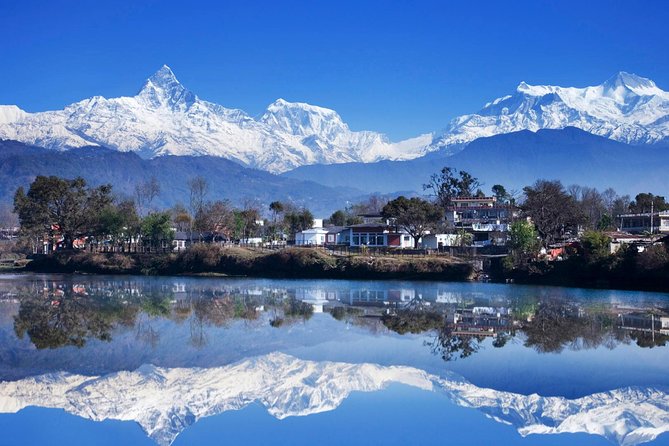
- Poon Hill at 3210m: start early, walk steady, and earn the big panoramic reward
- Seven days, not three: more time for acclimatization and changing views day to day
- Hot springs stop in the Jhinu area: a real payoff after a long day of walking
- Permits and park fees included: you don’t have to manage paperwork mid-trip
- Small group (up to 14): easier pace control and more personal guide support
- Lots of included meals: breakfast, lunch, and dinners are planned around trekking days
What you’re really buying: a calm pace for a big view
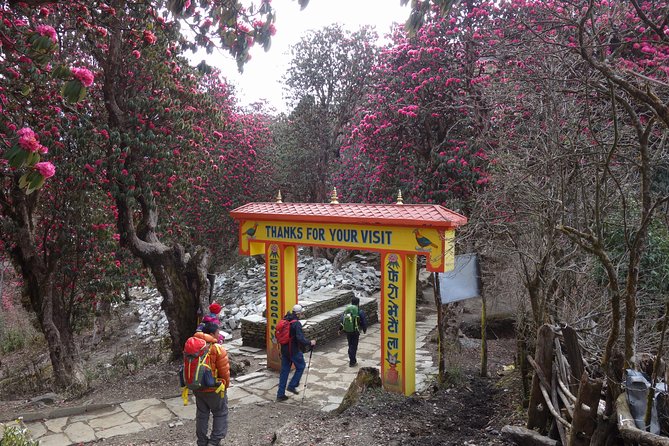
Poon Hill is one of Nepal’s best “big payoff” hikes. The trick is that many versions feel like a sprint. This 7-day plan slows you down just enough to make the mountains feel less like a blur and more like a daily experience.
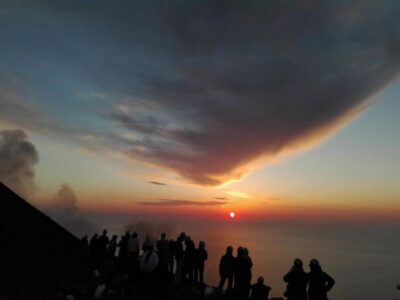
You’re not just collecting photos. You’ll walk through different forest tones, pass through villages with distinct local character, and get that sunrise moment at Poon Hill without feeling like you’re constantly chasing the clock. The trail also includes a hot springs day, which gives your legs an actual break and adds variety beyond viewpoints.
You can also read our reviews of more tours and experiences in Kathmandu.

Kathmandu to Pokhara: the start matters more than you think
You begin in Kathmandu with a 6:30am start and pickup/drop-off only if you choose that option. From there, you’ll head to Pokhara, about 200 km away. Most departures do it by bus (around six hours), with lunch along the way. There’s also a flight option (around 30 minutes), and then you’ll have time to explore Pokhara on your own before sleeping in a guesthouse.
I like this first move because it separates “travel tired” from “trek ready.” Even if you choose the bus, the day gives you food, a lunch stop, and a proper base in Pokhara before the first hike day. That buffer helps if you’re not used to altitude or long walks.
Day 2: Nayapool to Ulleri—where the effort shows up
Your trek begins with a short ride from Pokhara to Nayapool (about an hour). Then you start on foot after walking along the banks of the Modi River. This is a good warm-up section: enough time to get your legs moving, but not so long that you’re drained before the real climbing begins.
From there you pass through key waypoints—Birethani, then a climb toward Hille and Tikhedhunga—with teahouses along the route. Expect the day to build: you’ll cross villages and then face a steep ascent to Ulleri, a larger Magar village. This is one of the sections that tends to feel tough because it’s steep and direct. If you’re moderately fit, pace yourself early. Short breaks beat a slow-down later.
You sleep in Ulleri, which is perfect for setting up the next day’s forest walk toward Ghorepani.
Day 3: Ghorepani via rhododendron and oak forests
Day 3 shifts from steep to more gentle ascent. From Ulleri, the trail eases as you walk through rhododendron and oak forests, which changes the feel of the hike from “stairs and effort” to “steady trekking rhythm.”
You’ll reach Banthanti, and then continue onward to Ghorepani, a classic base for the Poon Hill sunrise hike. Ghorepani is popular for a reason: you’re positioned for that early morning viewpoint experience and for a panoramic look across the broader mountain ranges.
You’ll sleep in a guesthouse in Ghorepani. That matters because tomorrow’s start is early enough that having your plan and gear organized the night before can make the difference between smooth and stressful.
Day 4: Poon Hill at 3210m, then down toward Tadapani
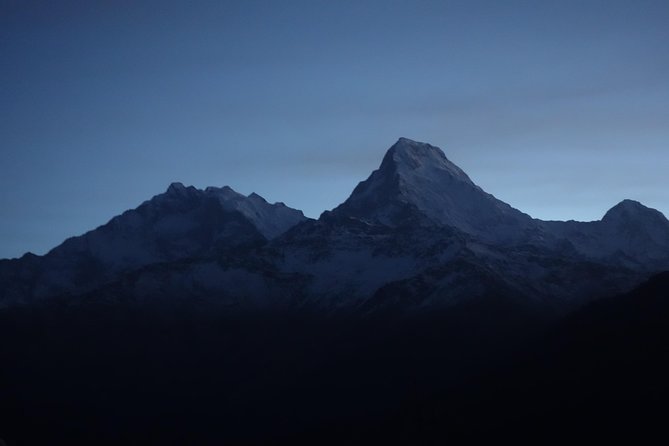
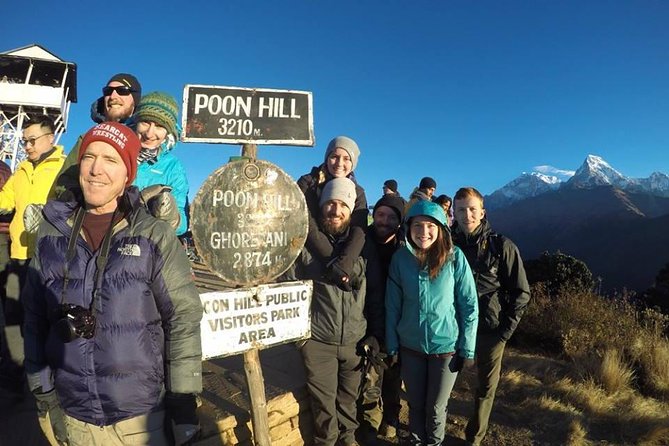
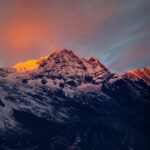
Today is the big moment. The day starts with a short hike to Poon Hill, described as the best viewpoint along this route. It’s around a 45-minute walk to the top at 3210m. Since this is the moment most people come for, go easy on the first steep parts and save your breath for the last push.
After you return for breakfast in Ghorepani, you head toward Deurali via a steep climb. Then you continue to Banthanti on an easier jungle route, where you might spot monkeys and Langurs. Nature is active in this zone, and it’s one of those “watch closely” segments rather than a “look at everything at once” segment.
The day ends in Tadapani for the night. This is a nice staging point because it keeps you moving through varied terrain without making every day the hardest day of the trip.
Day 5: Gurjung and the hot springs recovery day
After breakfast in Tadapani, you walk gradually down through rhododendron forests, cross the Kimsung River, and then ascend again toward a Gurung village (Gurjung). The village part matters: you’re not just hiking through scenery—you’re walking through living communities with their own daily rhythm.
From there, the trail leads to Hot Spring. This is the built-in reward day. Instead of finishing the trek with only viewpoints, you get a chance to soak and reset your legs. For many people, that hot springs stop is the day they remember most—not because it’s fancy, but because it gives your body a break and makes the final day feel less punishing.
You overnight at a guesthouse.
Day 6: Modi Khola back to Birethanti, plus Fish Tail and Annapurna views
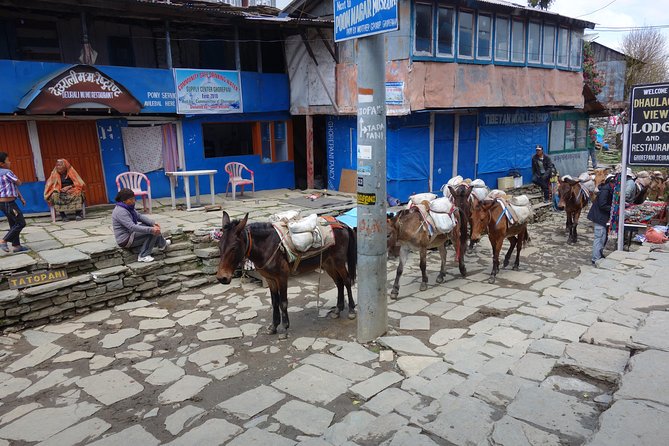
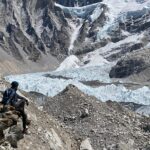
Day 6 turns into the “grand goodbye” hike. From Jhinu, you take the trail down toward Modi Khola, where you get magnificent views of Fish Tail and the Annapurna range. The walking continues along the banks of Modi Khola until you reach Birethanti, back near where the trek started.
Then you finish with a short walk to the van and return to Pokhara. You sleep in a hotel in Pokhara, which is the right move after trekking—beds matter on the last night.
This day is also psychologically important. You can feel the trip’s end coming, which helps you keep energy for the final miles.
Day 7: Pokhara to Kathmandu and a farewell dinner finish
On the final day, you ride by bus from Pokhara back to Kathmandu (around 6–7 hours). The day ends with a farewell dinner and an overnight stay in Kathmandu.
This is a good finish for people who want closure without scrambling for their own transport. And because you end back at the meeting point, the handoff feels tidy rather than chaotic.
Price and value: what $600 covers (and why that’s not a bad deal)
At $600 per person for an about-7-day trek, the key value isn’t just the mountain—it’s the way the trip removes the expensive friction points.
From the included list, you get:
- Accommodation and most meals (breakfast 5, lunch 5, dinner 4)
- Permits / national park fees included
- A professional guide
- Round-trip shared transfer between cities and trail access
- Hotel pickup and drop-off if you select that option
In other words, you’re not paying extra to handle the paperwork, and you’re not paying extra to cobble together logistics while you’re already tired from hiking. The group cap of 14 also helps keep the hike from becoming too crowded.
What’s not included is also clear: drinks, excess luggage charges (if they apply), and pickup/drop-off if you don’t choose the option. That’s normal, but it means you should budget for water and personal spending so you don’t get surprised midway.
Tour team and group size: why it feels organized on the trail
This is a small-group trek (maximum 14), which usually means you’ll walk at a realistic rhythm instead of getting lost in a big herd. A professional guide also makes a big difference on a route like this because the trail includes steep segments and multiple day-to-day navigation choices.
Past departures have highlighted guides such as Krishna, Phurba, Kishore, Rajan, and Gopal within the Green Valley Nepal Treks team. If you’re lucky enough to get one of these experienced local leaders, you’ll likely feel supported on pace, stops, and how to manage the tougher climbs.
It’s also worth noting that the trek design itself helps: it mixes steady days with harder days, and it gives you guesthouse nights in the right towns so you don’t lose time tracking down places to sleep.
How hard is it, really? (And who this suits best)
The trek is best suited to moderately fit travelers. There are steep ascents—most notably the climb up to Ulleri—and the early push up to Poon Hill can feel challenging simply because it’s early and you’re already at altitude.
If you’re used to hiking hills and can handle steep sections at a slow pace, you’ll probably be fine. If you only do flat walks and mostly avoid stairs, this will feel like a workout more than an easy nature stroll.
That said, the longer seven-day structure is designed to be more forgiving than the short itineraries. You get day-to-day transitions that help your body adapt rather than asking you to “hit everything” in two rushed days.
Practical tips to make the trek easier (without overplanning)
A few common-sense things will make a big difference on this route:
- Start early with a calm mind. The Poon Hill viewpoint depends on being ready for the early morning effort.
- Bring layers. Even in a short trek, morning and afternoon conditions can feel different.
- Plan for stairs and steep climbs. Ulleri is the section you’ll feel in your legs later.
- Keep your pace steady, especially on ascent days. Short breaks help more than pushing until you’re out of breath.
- Pack for guesthouses. You’ll be using small lodging stops throughout the trek, so carry what you need without loading up your bag unnecessarily.
If you’re traveling with kids, the trip data shows families have done this route, but you’ll still want to be honest about how your group handles stairs and early starts.
Should you book this Poon Hill trek?
If you want a Himalayan-view hike that feels like it has breathing room, I think this is a strong pick. The combination of sunrise at Poon Hill, a classic village-and-forest route, included permits, planned meals, and a hot springs recovery day makes it good value for the time you spend.
Book it if:
- You’re moderately fit and comfortable with steep climbs and early mornings
- You want organization with transfers, lodging, and food handled
- You like the idea of a small group and a professional guide
Consider a different plan if:
- You’re expecting a very easy walk with minimal climbing
- You’d rather do a shorter, faster itinerary and accept less acclimatization time
If those climbing parts don’t scare you, this is one of the most practical ways to “get the big views” without committing to a weeks-long trek.
FAQ
Where does the trek start and when?
The trek starts at Green Nepal Tourism Pvt Ltd at 6:30am in Kathmandu.
How do you get from Kathmandu to Pokhara on Day 1?
You’ll travel to Pokhara by shared bus (about six hours, 200 km), with lunch in between. A flight option is also mentioned (about 30 minutes).
What’s included in the trip price?
Accommodation as per the itinerary, national park fees, all activities, a professional guide, round-trip shared transfers, and most meals (breakfast 5, lunch 5, dinner 4).
Are permits included?
Yes. All necessary permits and national park fees are included.
How big is the group?
The tour has a maximum of 14 travelers.
What should I know about difficulty?
It’s best suited to moderately fit travelers, with steep ascents such as the climb to Ulleri and a challenging early hike toward Poon Hill.
What meals are provided?
Breakfast is included on 5 days, lunch on 5 days, and dinner on 4 days.
Can children join?
Children must be accompanied by an adult, and most travelers can participate.
What if I need to cancel?
Free cancellation is offered up to 24 hours before the experience start time for a full refund.