REVIEW · SA PA
Easy Trek in Sapa mountain : Y Linh Ho – Lao Chai – Ta Van
Book on GetYourGuide →Operated by HELEN · Bookable on GetYourGuide
Rice terraces and village paths hit fast. This easy-feeling day trek links Y Linh Ho and Ta Van with a real walking route, starting with a van ride down toward Cat Gat’s road and then crossing the Muong Hoa hanging bridge. You’ll spend the day moving through bamboo, past giant rice terraces, and ending back in Sapa with time to head onward the same day.
Two things I really like: the lunch with locals in Y Linh Ho (not a tourist buffet), and the chance to walk village-to-village with an English-speaking guide who explains how ethnic groups differ in daily life. It’s also a smart small-group setup (max 10), so the stops feel more like a route than a crowd shuffle.
One consideration: even if it’s called easy, the terrain has real up-and-down slopes. If you’re sensitive to hills, or if weather makes footing slick, expect it to feel like a workout, not a stroll.
In This Review
- Key takeaways before you go
- Why this Sapa trek feels doable in a single day
- Meeting in Sapa, then heading toward Cat Gat’s road
- Crossing the Muong Hoa hanging bridge for instant wow factor
- Bamboo forest, uphill rhythm, and the Hoàng Liên Sơn viewpoint
- Y Linh Ho lunch: traditional food with real conversation
- Lao Chải (Black Hmong) and Ta Van (Giay): seeing differences up close
- The walking reality: what makes it feel easy or hard
- Price and value: why $20 can make sense here
- Small group size: the difference between a walk and a guided day
- Who this trek is best for (and who should skip it)
- Should you book this Y Linh Ho to Ta Van trek?
- FAQ
- How long is the trek from Y Linh Ho to Ta Van?
- Where is the meeting point?
- Is the tour guided in English?
- How many people are in the group?
- What’s included in the price?
- What is not included?
- What should I bring for this trek?
- Is this trek suitable for kids or families?
- Who should avoid this trek?
- Is there a massage discount after the trip?
Key takeaways before you go
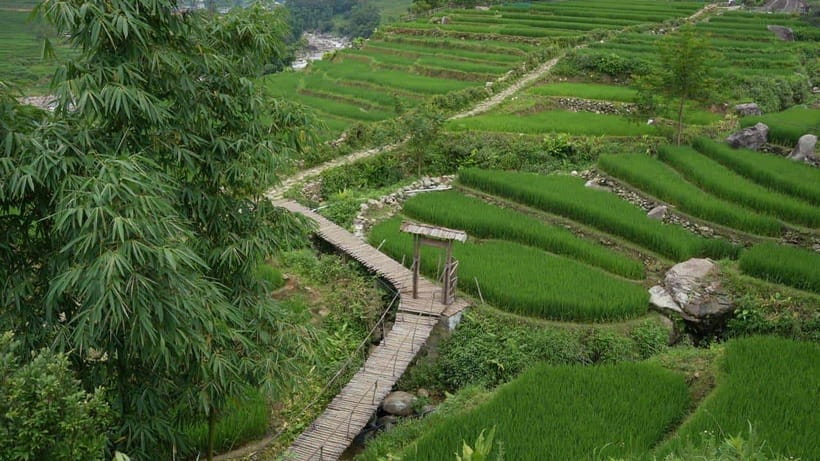
- Big rice-terrace views: you get high viewpoints and classic terraced scenery instead of only village alley walks
- Muong Hoa hanging bridge: a fun, photogenic crossing early in the day that sets the tone
- Lunch with a Hmong family: included, traditional, and part of why this trek feels authentic
- Ethnic minority context on the route: you visit Black Hmong areas and then Ta Van to compare groups
- Small group pace (10 max): easier conversations with your English guide and fewer delays
- Massage discount afterward: a 20% cut at Massage Lits, 01 Hoang Van Thu, helps soothe sore legs
Why this Sapa trek feels doable in a single day
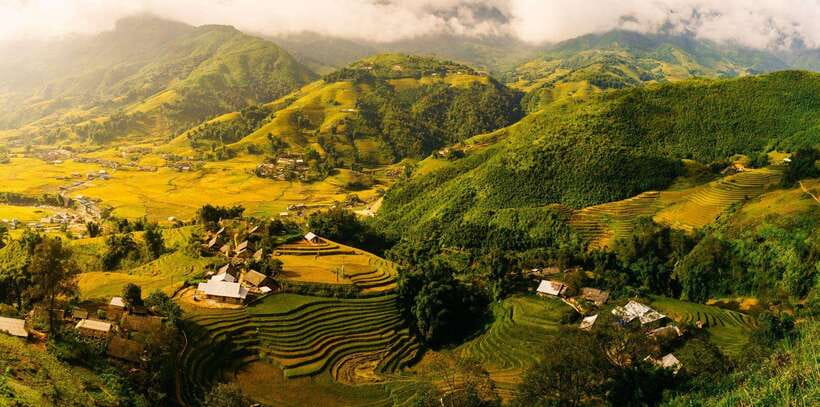
This is a 7-hour Sapa mountain trek designed for people who want culture plus scenery without committing to an overnight. The route is packed into one day, but it’s not a nonstop grind. You’ll have breaks for photo stops, village visits, and that included lunch.
The “easy trek” label is a fair guideline, but the hills still matter. One thing I’d trust more than the word easy is your own body. If you’re comfortable walking on uneven ground and climbing some slopes, you’ll likely enjoy the rhythm: walk, pause, look, listen, eat, then walk some more.
Group size is also a hidden advantage here. With up to 10 people, you usually get clearer guidance at crossings and steeper sections. That matters in Sapa, where paths can be slippery after rain.
You can also read our reviews of more tours and experiences in Sa Pa.
Meeting in Sapa, then heading toward Cat Gat’s road
Your day starts at 01 Hoang Van Thu St., at Massage Lits (that’s the stated meeting point). You’re picked up around 9:00 from your accommodation by guide and van, then the trip begins with a short vehicle transfer—about 15 minutes on the day’s schedule.
From there, you go roughly 2 km down to Cat Gat’s road, a known village area linked to the Hmong minority. This first stretch is practical: it gets you out of the town flow fast, and it sets you up for the walk before you feel too tired.
You’ll likely start with a quick orientation from your English-speaking guide, then move into the more scenic portion—where the bridges and terraces start doing their thing.
Crossing the Muong Hoa hanging bridge for instant wow factor
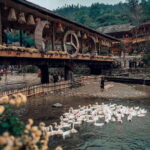
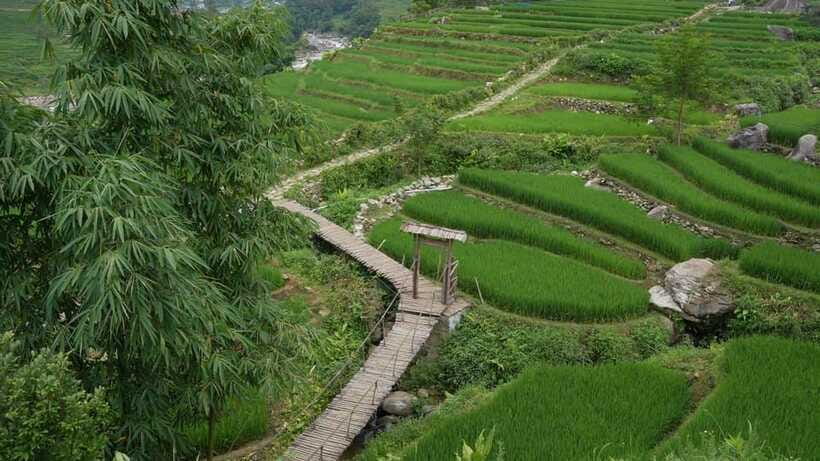
One of the best early “start strong” moments comes at the hanging bridge of the Muong Hoa river. It’s the kind of stop that makes people slow down without being told to. Even if you’re not a big photo person, it’s a natural checkpoint—fresh air, river views, and the sense of being on a real route, not a staged attraction.
After the crossing, the walk turns uphill into the mountains and continues through a bamboo forest. Bamboo corridors tend to feel cooler and shaded, which helps early in the day when the sun might still be climbing.
This part of the trek also teaches you the day’s pacing. You’re not just chasing views—you’re moving along paths used by locals, and your guide helps you stay oriented.
Bamboo forest, uphill rhythm, and the Hoàng Liên Sơn viewpoint
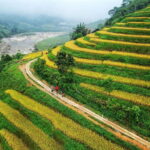
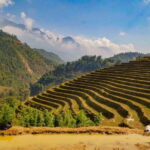
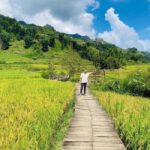
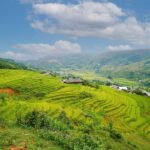
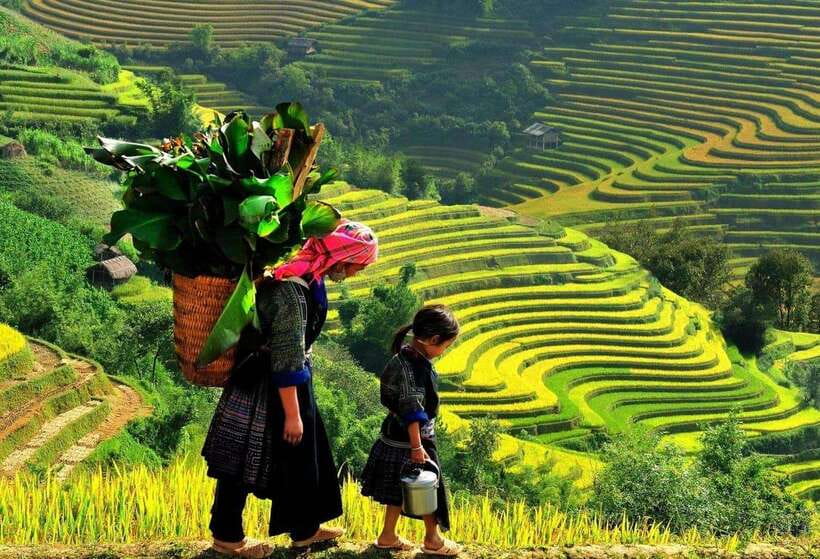
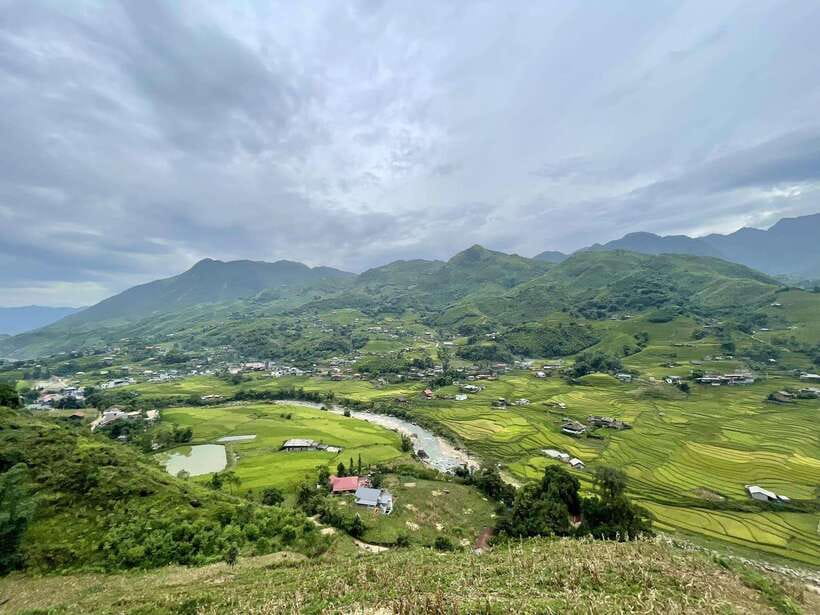
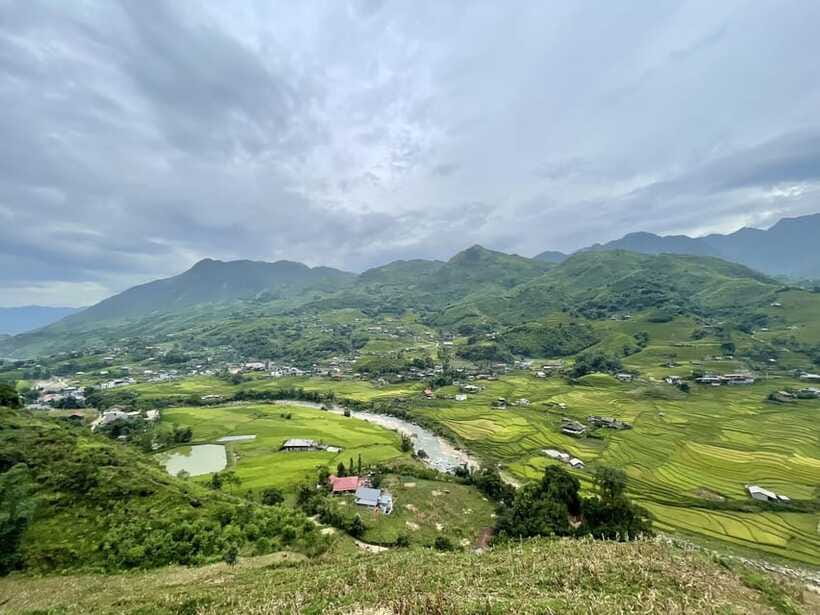
Once you’re through the bamboo, you’ll reach the terrain where Sapa’s rice terraces show up in full. The day highlights some of the biggest and most beautiful rice terraces in Vietnam, plus majestic mountain views near Hoàng Liên Sơn.
This is where “easy trek” can surprise people. The steep sections aren’t constant, but there is uphill movement, and you’ll feel it in your legs. If you’ve been sitting on a bus or spending a few days in town, this is a solid way to reset your energy.
What I’d do to make this section enjoyable:
- wear comfortable shoes that grip well
- bring a hat and sunscreen, because terrace viewpoints can be exposed
- keep your water bottle handy (stated as a good idea in the tour guidance)
The payoff is that you get both the terraces and the broader mountain sense of place. You’re not stuck at one viewpoint—you’ll get multiple chances to look as you move.
Y Linh Ho lunch: traditional food with real conversation
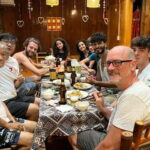
Lunch is one of the main reasons I think this trek is good value. You stop in Y Linh Ho and eat at a small, traditional restaurant run by a local Hmong family.
Because lunch is included, you can budget the day without worrying about finding a place on your own mid-trek. More importantly, it’s not a quick snack stop. It’s a break that lets the walk settle, and it gives you a chance to talk with your guide about what you’re seeing.
If you want the most out of this meal, the best “strategy” is simple: slow down. Watch how people move, ask your guide how village life connects to the terraces, and be respectful with customs. Small manners make a big difference in places like this.
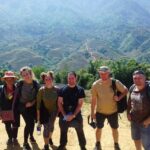
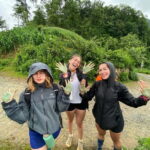
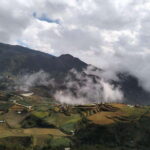
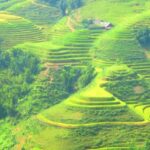
Lao Chải (Black Hmong) and Ta Van (Giay): seeing differences up close
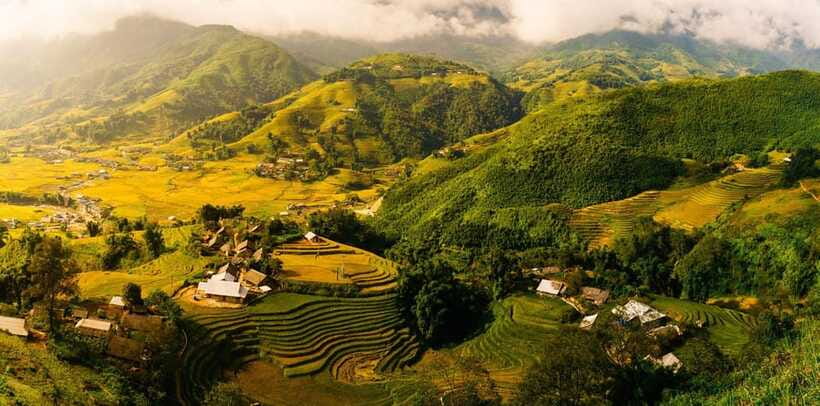
After lunch and your break, the route shifts into more village-to-village living context.
You’ll reach Lao Chải, known as a Black Hmong village area. Expect photo stops and guided time here. Then you continue trekking toward Ta Van, where you meet the Giay minority.
The real value in this portion isn’t just the views. It’s the explanation of differences between ethnic minority groups—how they live, how their communities are organized, and what sets the groups apart. That’s the kind of cultural information that clicks more when you can see the setting.
Guides named Mama Mao and Su have been praised for friendliness and clear English, with stories that help turn the route into something you understand—not just something you walk through. In some cases, guides have even offered extra touches like tea at the end of the day, so ask questions and stay open to small moments.
The walking reality: what makes it feel easy or hard
The trek is scheduled for about 7 hours total, ending in Sapa around 15:30. You also have short van transfers on the day—one 15-minute segment early and another later—so you’re not walking the full time.
But the tour guidance is clear that there will be a significant amount of walking. And one important clue from real experiences: people sometimes find it more challenging than the easy label suggests, mainly due to slopes and seasonal conditions.
So here’s how to plan realistically:
- If rain hits, paths can get slippery. Bring shoes with grip and walk slower than you think you need.
- If you have back issues, this likely isn’t the right choice. The tour itself flags back problems as a no-go.
- If you’re trying to keep the day comfortable, plan for sun exposure. A hat and sunscreen aren’t optional if the weather is bright.
Also note what’s not allowed: smoking and alcoholic drinks in the vehicle. It sounds obvious, but it matters for how the day runs.
Price and value: why $20 can make sense here
At $20 per person, this tour is priced like a budget day trip, but it includes the big cost pieces you’d otherwise pay separately. What you get:
- transportation (van pickup and return)
- an English-speaking guide
- lunch with locals
What you don’t get:
- drinks
- a tax invoice
- visa (which is standard, but it’s listed here)
In plain terms, you’re paying for a guided route plus transport plus lunch. That’s a lot for one day in northern Vietnam, especially when the meal is part of local life rather than a generic restaurant stop.
And there’s a small “aftercare” bonus in the highlights: 20% discount for massage at Massage Lits, 01 Hoang Van Thu after the trip. If your legs feel it, that discount can soften the cost of recovery.
Small group size: the difference between a walk and a guided day
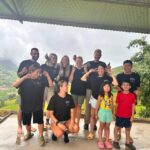
With 10 participants max, you’re less likely to get lost in the group. You can ask questions without shouting across the trail, and your guide can keep an eye on people on uneven ground.
This matters because the trek includes:
- a hanging bridge crossing
- uphill sections through bamboo
- terrace viewpoints
- village stops with guided time
In a small group, those moments feel coordinated instead of chaotic.
The guide quality is also a big part of what makes this work. People have highlighted Mao and Su for being kind, knowledgeable, and patient—especially when the path gets slippery or when guests have questions about ethnic minority life.
Who this trek is best for (and who should skip it)
This is a good fit for:
- active walkers who enjoy villages and viewpoints
- people who want a single-day route with rice terraces plus cultural context
- anyone who appreciates learning about ethnic groups through guided explanation during real visits
It’s not a good fit for:
- children under 10
- pregnant women
- people with back problems
- wheelchair users
- people over 80 (and also flagged for over 70)
- anyone with recent surgeries
- babies under 1 (not applicable for most day-trippers, but it’s listed)
- people over 95 (yes, it’s listed too)
If you’re unsure, use this as your quick test: if you’d struggle on steep, uneven paths for hours—even with breaks—choose a shorter, flatter outing instead.
Should you book this Y Linh Ho to Ta Van trek?
I’d book it if you want three things in one day: big rice terraces, a real lunch with local hosts, and village visits that come with clear cultural context. The included guide and transport make it feel low-stress, while the small group keeps it personal enough to ask questions.
I wouldn’t book it if you’re hoping for a flat, easy stroll. The route has uphill moments and slopes, and some people experience it as more demanding than the label suggests—especially with rain or if your body doesn’t like hills.
My decision checklist:
- You’re comfortable with a full day of walking on uneven terrain
- You want Hmong and Giay village context, not just photos
- You can bring water, sunscreen, and solid shoes
- You’re ready to finish back in Sapa around 15:30 for your next plan
If that sounds like you, this trek is a strong way to see Sapa beyond the main streets—on foot, with a guide who helps the place make sense.
FAQ
How long is the trek from Y Linh Ho to Ta Van?
The total duration is listed as 7 hours, and you return to Sapa around 15:30.
Where is the meeting point?
The meeting point is 01 Hoang Van Thu St., at Massage Lits.
Is the tour guided in English?
Yes, the tour includes an English-speaking guide.
How many people are in the group?
The group is small, limited to 10 participants.
What’s included in the price?
Included items are transportation, an English-speaking guide, and lunch with locals.
What is not included?
Drinks, a tax invoice, and visa are not included.
What should I bring for this trek?
Bring comfortable shoes, sun hat/hat, breathable comfortable clothes, and a charged smartphone. Water and sunscreen are specifically recommended too.
Is this trek suitable for kids or families?
No. It is not suitable for children under 10 years old.
Who should avoid this trek?
The tour states it’s not suitable for pregnant women, people with back problems, wheelchair users, and people over 80 (and also lists people over 70, plus recent surgeries).
Is there a massage discount after the trip?
Yes. You receive a 20% discount for massage at Massage Lits, 01 Hoang Van Thu after the trip.