REVIEW · CUSCO
Trek to Choquequirao 4 days
Book on GetYourGuide →Operated by Exploor Trip E.R.L · Bookable on GetYourGuide
Choquequirao feels like Machu Picchu’s tougher twin. I love the combo of serious hiking and reaching the archaeological complex with a guide who helps you make sense of what you’re seeing. The site has that slow-burn feeling of history and mystery, not just a quick look-and-go stop. The possible drawback is simple: this is one of the hardest treks around Cusco, with long descents and uphill days that punish weak stamina.
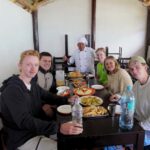
What makes it work for me is the way the trip is run. Cooks and staff handle the hard logistics on the trail, so you’re mostly focused on walking and taking it all in. You’ll even get hot coca tea at camp in the morning, and the meals during the trek are a genuine highlight. With a small group capped at 15, the whole thing feels organized without turning into a big shuffle.
In This Review
- Key things I’d focus on before you go
- Choquequirao: the Machu Picchu “sister city” you’ll earn
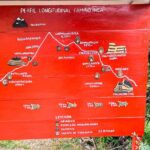
- Day 1: Curawasi transfer, Capuliyoc viewpoint start, and the Santa Rosa camp night
- Day 2: Maranpata base, a guided Choquequirao morning, then camp again
- Day 3: Apurímac River canyon descent, lunch by the water, and Chiquisca culture time
- Day 4: the early uphill to Mirador Capuliyoc, lunch with mountain views, and back to Cusco
- Price and logistics: what $366 really includes (and what you’ll pay extra)
- The difficulty level is real, so train your expectations
- Food and camp comfort: the part you’ll thank yourself for
- Packing tips that match this itinerary
- Who should book this Choquequirao trek?
- Should you book this 4-day Choquequirao trek?
- FAQ
- How long is the Trek to Choquequirao?
- What does the tour cost?
- How early is pickup from Cusco on Day 1?
- Are meals included?
- Do I need to pay an entrance ticket for Choquequirao?
- Is water included for drinking and canteens?
- What group size and languages are offered?
- Is a hot shower included?
Key things I’d focus on before you go

- It’s built for hikers: long walking days, including steep sections and multiple camps
- Choquequirao gets your attention: you arrive around 9:30 am for guided context plus time to explore
- Food is part of the experience: breakfast routines, cooked lunches, camp dinners, and warm coca tea
- Mule support helps: extra luggage is carried with a mule and a dedicated 5 kg bag allowance
- Early starts are non-negotiable: 5 am starts show up on the schedule twice
- Water costs extra: rehydration water and canteen water aren’t included, so plan for that
Choquequirao: the Machu Picchu “sister city” you’ll earn

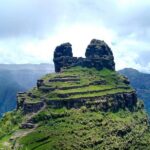
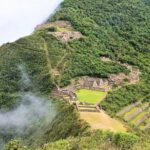
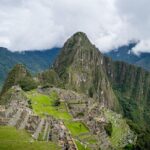
Choquequirao is often framed as a sister city to Machu Picchu, and after this trek, that comparison makes sense in a practical way. Machu Picchu is famous for its setting and drama. Choquequirao hits you differently: it feels more remote and harder to access, so you arrive with effort behind you. That changes how you look at the ruins.
This is also a good trek if you like archaeological sites that reward patience. You don’t just stand at a fence line. You spend time in the complex, with a guide explaining what’s going on, then you get enough room to wander and form your own picture. The trip’s pacing matters here. You reach the site during the morning on Day 2, which gives you daylight and energy before fatigue takes over.
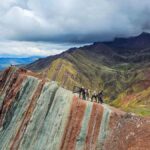
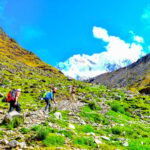
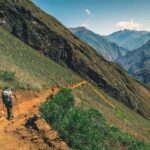
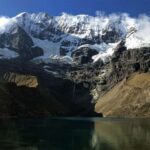
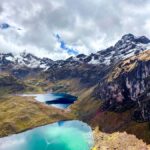
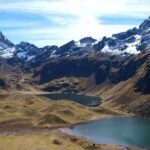
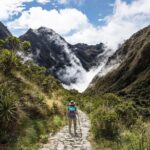
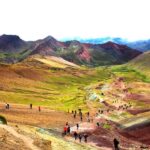
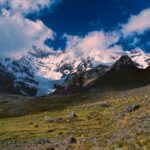
The other big “why” is the nature factor. You’re moving through rural sections, descending into river country, climbing back up, and finishing with mountain views at Mirador Capuliyoc. The trek is hard, yes. But it keeps swapping scenery so you’re not stuck grinding through the same monotone trail.
You can also read our reviews of more tours and experiences in Cusco.
Day 1: Curawasi transfer, Capuliyoc viewpoint start, and the Santa Rosa camp night
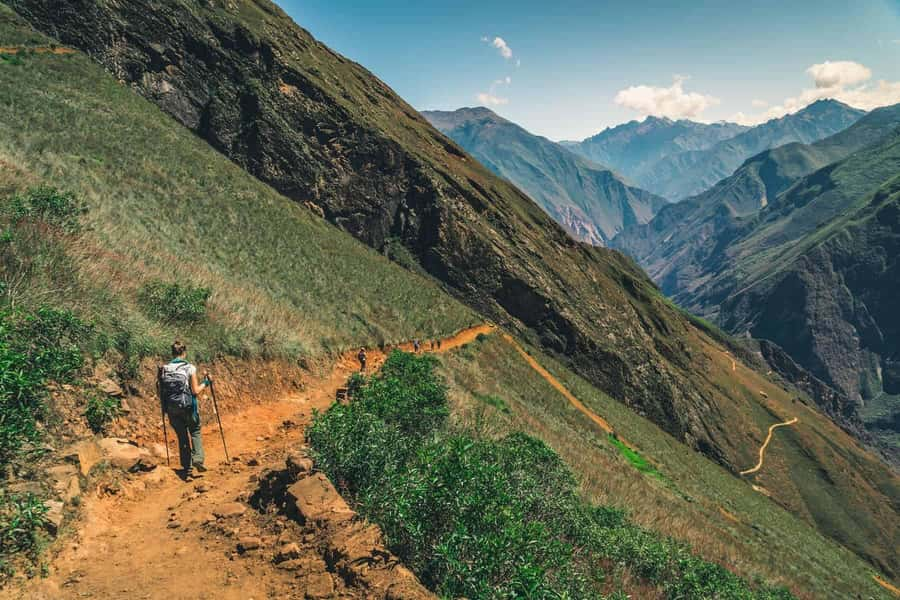
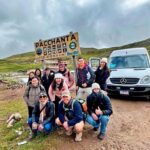
Your first morning begins early in Cusco. You’re picked up from the meeting point at 5:00 am, then you ride to Curawasi for about 3 hours. There’s a brief stop for breakfast, then you continue for roughly 1 more hour to the Capuliyoc Viewpoint, where the walking begins.
Here’s what Day 1 is really about: getting your legs used to the rhythm of descent and recovery. After you start at Capuliyoc, you descend for about 3 hours to Chiquisca for lunch. You’ll eat with the cooks already set up, which is a small detail that makes a big difference. At this point, you want food waiting for you, not a scramble.
Then the trek continues downward toward Playa Rosalinas for a rest. After that, you switch gears and do a 2-hour climb to Santa Rosa camp. You’ll set up camp as a group, have dinner, and sleep there.
What I like about this day is that it’s structured. It gives you a long downhill early, then a manageable climb at the end. That means you get a taste of the challenge without being thrown straight into maximum uphill suffering from the first hour.
What to consider: you’ll spend a lot of Day 1 adjusting to stairs-like walking. If your knees don’t love steep downhills, this part will be the one you remember most. That’s where trekking poles can help a lot (more on that in packing).
Day 2: Maranpata base, a guided Choquequirao morning, then camp again

Day 2 starts with camp routine: around 6:00 am, cooks wake you with hot coca tea, then you get breakfast and head out. The morning walk is an uphill push: about 2 hours to Maranpata.
Maranpata isn’t just a passing point. It’s the operation hub. The muleteers, horses, and cooks stay behind to prepare lunch and manage the logistics of bringing food to the group at Choquequirao. You’re already walking uphill when the lunch plan is quietly working in parallel, which is why the Day 2 structure feels smoother than you’d expect on a trek this hard.
You arrive at Choquequirao around 9:30 am. That timing matters. You get daylight for ruins exploration, and you’re still fresh enough to care about details while the guide is explaining the site. After the guided portion, you get time to explore on your own—enough to slow down and look without feeling chased by the clock.
In the afternoon, you return to Maranpata for dinner and another night at camp.
The biggest strength of Day 2 is the balance: guided context first, then freedom. This is one of those situations where having an expert explain what you’re seeing prevents the ruins from becoming just stone shapes. And then the self-guided time lets you connect the dots for yourself.
The main downside is the emotional rollercoaster. Day 2 is when the trek starts feeling real: you’ve hiked hard already, then you reach the place you came for, then you hike again. Pace yourself so you enjoy the ruins instead of rushing through them.
Day 3: Apurímac River canyon descent, lunch by the water, and Chiquisca culture time

Day 3 begins later than Day 1, around 8:00 am with breakfast and getting ready. Then you head for the Apurímac River canyon, starting with a 3-hour descent. Reaching the river part is the payoff of this day. Once you’re down there, you get some time to relax and take in the canyon environment, not just keep moving.
Lunch is prepared by the expert chefs once you’re at the river. This is a key practical point: on tough treks, the quality of the food can make the difference between “I can do this” and “I’m counting minutes.” Having lunch handled for you keeps the day from turning into survival mode.
After lunch, the hike changes again. You climb for about 2 hours to the third camp in Chiquisca. Once you arrive, you prepare for the night and you also get a chance to interact with local life. There’s even an opportunity to taste a typical drink made from sugar cane.
Then it’s dinner and another camp night.
Why this day matters: it mixes physical challenge with a human moment. The sugar cane drink and the local interaction break up the trek-only focus and remind you that you’re passing through a living rural region, not a themed hike loop.
What to think about: this is the day that can feel mentally long because it’s a descent first, then a climb back up. If you’re the type who hates being tired and cold at the wrong times, plan to keep your layers ready and dry.
Day 4: the early uphill to Mirador Capuliyoc, lunch with mountain views, and back to Cusco

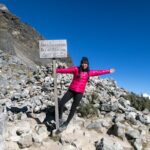
Your last day starts very early again, around 5:00 am after breakfast. The final hike is uphill to Mirador Capuliyoc. It takes about 4 hours walking.
The reason for the early start is practical: the tour aims to avoid the intense sun that hits later in the day. When you arrive at the mirador, you wait for lunch, then you enjoy the views over the surrounding mountains and the Apurímac canyon.
After that, the ride back to Cusco begins, and you should arrive around 4:30 pm.
I like Day 4 because it flips the mood. You’re finishing with views instead of camp setup, and the end feels clear. The long uphill can be brutal, but you’re also walking toward a payoff that matches the effort.
The main consideration: plan for fatigue. Even if you can hike, the last day often runs out your mental energy. Hydrate early, eat what you can, and keep the pace steady rather than sprinting.
Price and logistics: what $366 really includes (and what you’ll pay extra)

The price is $366 per person for a 4-day trek, and most of what makes it manageable is included. You get transportation from Cusco to Cachora and back, meals throughout the trek (with a couple exceptions), 3 nights in rural accommodation, a tour guide, and mule support for extra luggage.
Also included is 1 Dafort bag for extra luggage (5 kg). That’s an important detail. It means you can travel lighter on the trail portion while the team handles some of the load. The trek would be harder without that kind of support.
Now the costs that aren’t included. Budget for:
- Entrance ticket: 60 soles for adults, 30 soles for students
- First breakfast (you eat breakfast on Day 1 at the car stop, but the listing notes first breakfast is not included)
- Last dinner (you’ll have lunch on Day 4, then return to Cusco)
- Rehydration water and water for canteens
- Hot shower and towels: 40 soles per person
- Trekking poles: 30 soles per pair (and you can also bring your own)
- Horseback riding: not included, 200 soles if you add it
So is $366 good value? For this kind of remote 4-day hike, I’d say yes, mainly because the big operational pieces are taken care of: guides, camp nights, meal planning, and mule logistics. The extras mostly fall into two categories: optional upgrades (horseback, hot shower) and items you’ll manage day-to-day (water, poles, tickets).
If you’re the type who likes to arrive prepared, the “extra” list won’t surprise you. If you assume everything is covered, it can feel like the bill keeps growing at the last moment.
The difficulty level is real, so train your expectations
The trek is described as one of the hardest in the Cusco area. That matches the schedule you’re signing up for: multiple steep segments, a long Day 1 descent, uphill pushes on Day 2 and Day 4, and a canyon day with a long descent followed by a climb.
That doesn’t mean it’s only for elite athletes. It does mean you should go in honestly. Bring a pace strategy, not just motivation. Think: steady steps, short breaks, and focus on finishing each segment rather than calculating the whole trek.
One of the things I’d borrow from the strongest feedback is the emphasis on the guide and the route. People call out how great the guide is and how the path feels manageable even when it’s tough. A good guide matters on a hard trek because it keeps you from wasting energy, second-guessing turns, or getting sloppy at the wrong time.
Food and camp comfort: the part you’ll thank yourself for
Meals are included, and that’s not a small point on a trek this demanding. You’ll get:
- breakfast and hot tea wake-ups in camp routines
- lunch set up at key points along the route
- dinners in the camp each night
On Day 1, you eat lunch at Chiquisca after the long descent. On Day 2, lunch is organized so the cooks can bring it to the group at Choquequirao while you explore. On Day 3, lunch is prepared once you reach the river canyon. That pattern matters: it reduces decision fatigue.
Camp itself is rural accommodation for three nights, with dinner and sleep handled. You’ll also do camp setup on at least Day 1 when you arrive at Santa Rosa.
What’s worth noting: hot showers and towels are not included, and they cost extra. That’s normal for this style of trek, but it’s still something you should plan for mentally.
Packing tips that match this itinerary

You’re likely to be walking early mornings and then dealing with sun later. The trip also includes multiple days of descent and uphill. So pack with trail reality in mind:
- Trekking poles: not included, but they’re available for 30 soles per pair, and they can save your knees on descents
- Water planning: rehydration water and canteen water aren’t included, so plan to buy or bring what you need
- Layers: mornings can feel cooler at camp, and you’ll switch from shade to sun
- A way to handle rain: nothing here says rain is expected, but mountain weather changes fast
- Cash for extras: entrance tickets (60/30 soles), hot shower (40 soles), and optional items like poles or horseback riding
For luggage, remember you have mule support plus that 5 kg Dafort bag allowance. Keep your essentials in a daypack: snacks, water, a layer, and anything you need to stay comfortable between camp breaks.
Who should book this Choquequirao trek?
Book it if:
- you want an in-depth archaeological visit at Choquequirao, not a quick photo stop
- you’re comfortable with a hard trek schedule: early starts, downhill stretches, and uphill climbs
- you like the idea of guided explanations plus time to explore on your own
- you appreciate staff support—guides, cooks, and mule logistics—so you can focus on walking
Skip it or reconsider if:
- you dislike long days and steep descents
- you’re hoping for a relaxed pace or guaranteed comfort upgrades like a hot shower
- you’re not ready to manage extra costs like entrance tickets and water
Should you book this 4-day Choquequirao trek?
If you’re craving the feeling of earning a major site, I think this is a strong choice. The schedule is intense, but it’s also thoughtful: you get to Choquequirao in the morning, you have a guide explaining what matters, and you’re not left improvising meals or camp basics.
For the decision, I’d use this quick checklist:
- Are you truly okay with a tough trek that includes multiple climbs and descents?
- Will you budget for entrance ticket, water, and optional poles/hot shower?
- Do you want a guided archaeological day plus real time exploring?
If you said yes to all three, you’ll probably love this trek’s blend of challenge, nature, and the satisfaction of reaching Choquequirao the hard way.
FAQ
How long is the Trek to Choquequirao?
It’s a 4-day trek.
What does the tour cost?
The price is $366 per person.
How early is pickup from Cusco on Day 1?
Pickup is at 5:00 am from the meeting point.
Are meals included?
Meals are included, but the first breakfast and the last dinner are not included.
Do I need to pay an entrance ticket for Choquequirao?
Yes. The entrance ticket costs 60 soles for adults and 30 soles for students.
Is water included for drinking and canteens?
Rehydration water is not included, and water for canteens is also not included.
What group size and languages are offered?
The group is limited to 15 participants, and the guide speaks Spanish and English.
Is a hot shower included?
No. Hot shower and towels cost 40 soles per person.