REVIEW · MHAMID
4 days trek – The legs of camels
Book on Viator →Operated by L'oiseau du désert · Bookable on Viator
Cold air, hot sand, real nomads.
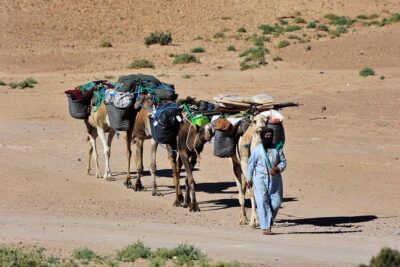
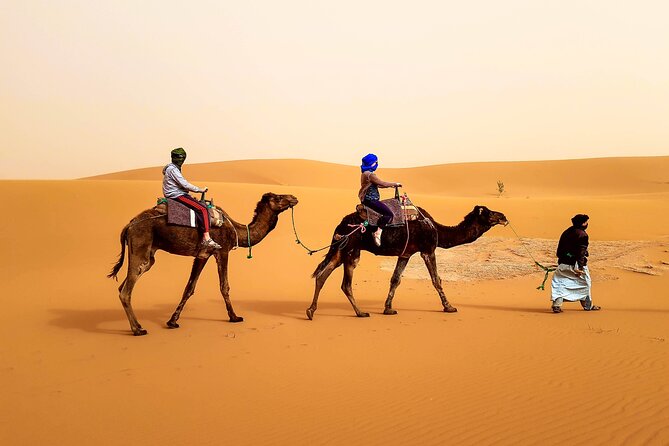
This 4-day trek from M’Hamid follows the Draa Valley through a wild, uncrowded route where the scenery keeps switching forms: rocky massifs, hard hamadas, then big erg dunes. I especially love the human side of it—the team of nomads behind the route includes guides Hasan, Ibrahim, Mohamed, and Bakar, and you’re fed well while learning how nomadic life really runs on teamwork. The one consideration: you’ll be out in heat, wind, and sand, and a sleeping bag isn’t included, so cold-night comfort is on you to plan for.
You’re traveling with a private group, with pickup offered and a mobile ticket. The trek ends back at the meeting point in M’Hamid, so you’re not stranded or scrambling for the next connection while your legs are still yelling at you.
In This Review
- Key highlights I’d bet you’ll care about
- Why M’Hamid and the Draa Valley feel different than most deserts
- The camel-focused rhythm: what four days of motion feels like
- Day 1: Getting into the Draa Valley mood
- Day 2: Hamadas and the hard, stony kind of beauty
- Day 3: Rocky massifs to mountain edges near the Algeria border
- Day 4: Erg dunes, big sand, and the slow finish back to M’Hamid
- Nomad-led magic: how guides shape the whole trip
- Meals, camp setup, and why comfort matters in real desert time
- Price and value: is $528.55 really fair for 4 days?
- What to pack (based on what’s actually missing)
- Who should book this trek, and who might want a different one
- Book or skip? My honest take on the Legs of Camels trek
- FAQ
- How long is the trek?
- Where does the trek start and end?
- Is pickup available?
- Is this a private experience?
- What’s included in the price?
- What isn’t included?
- What fitness level do I need?
- What’s the physical setting like during the trek?
- Who are the guides?
- What is the cancellation window for a full refund?
Key highlights I’d bet you’ll care about
- A mineral-world route: rocky plateaus, hamadas, and large dunes in one multi-day walk
- Uncrowded Draa Valley energy that feels quieter than the headline Sahara spots
- Nomad-led camp life with guides including Hasan, Ibrahim, Mohamed, and Bakar
- Food that keeps pace with the work (breakfast, lunch, dinner, plus energy dates)
- Private group comfort: it’s just your group, not a mixed crowd
Why M’Hamid and the Draa Valley feel different than most deserts
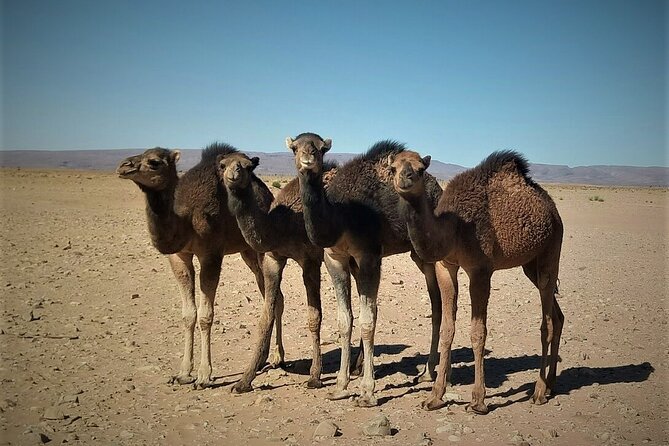
Most people picture the Sahara as one flat idea. This trek starts in a place where you feel the Draa Valley first—changeable, rough, and far from the performance version of desert travel. As you move along, the ground keeps telling a different story: rock gives way to harder desert surfaces, and then you end up in areas built more from sand than stone.
What I like here is the sense of space. The route is described as wild and uncrowded, and you feel that in the pacing. You’re not watching a line of tourists file past a viewpoint. You’re walking with the elements and the team.
You can also read our reviews of more tours and experiences in MHamid.
The camel-focused rhythm: what four days of motion feels like
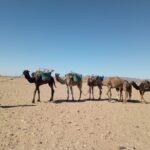
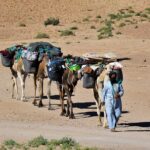
This trek is built as a 4-day journey that follows the Draa Valley and links together several desert environments. Even without a day-by-day named itinerary in front of you, the sequence is clear: Draa Valley travel → hamadas and mountain edges → ergs and large dunes → back toward M’Hamid.
Day 1: Getting into the Draa Valley mood
Day 1 is about settling your body and your expectations. You’ll begin from M’Hamid (start point) and get moving along the Draa Valley corridor, where the terrain can feel tough underfoot even before you reach the deep sand zones later. The big win on day one is mental: you start to understand that the trek isn’t just one long “walk into the dunes.” It’s a sequence of different ground textures.
Practical tip: plan your water and pace early. When you’re adjusting to heat and distance, starting too fast can cost you the whole week of good energy.
Day 2: Hamadas and the hard, stony kind of beauty
By day two, you’re in the hamada phase—rocky, arid, and spare. Hamadas are the kind of desert surface that can feel deceptively simple until you’re stepping across it for hours. It tends to change your stride: you’ll move with more caution, and your muscles work differently than on sand.
This day is where the mineral theme really comes through. The experience is described as discovering the mineral world in many forms, and the hamada portion is one of the clearest examples. You get that desert geology feel: the ground looks like it has a history you can almost read.
Potential drawback: hard ground can be rough if your shoes aren’t set up for it. Good soles matter.
Day 3: Rocky massifs to mountain edges near the Algeria border
Day three ties together mountains visible on the border of Algeria and Morocco and the surrounding mineral terrain. You’re not just crossing distance—you’re crossing the “shape” of the desert. Rocky massifs and mountain edges can mean more wind exposure and sometimes sharper temperature swings.
In the reviews, people talk about pushing past limits. That matches what this kind of day tends to feel like: physically demanding, but also rewarding because the scenery is doing something all the time—unlike a flat day where you just count steps.


Day 4: Erg dunes, big sand, and the slow finish back to M’Hamid
The final day is where the route leans into the erg and large dunes side of the experience. Erg dunes aren’t just prettier—they change how you move. Sand takes energy. Even when the group pace is steady, you feel it in your calves and feet.
This is also the day that often sticks in your memory for the camp feeling. After days of heat and work, you get that moment of relief: you’ve earned the last night and the next morning feels like closure, not just another day.
Final practical note: finish strong with your gear. On the last day, double-check you have what you need for the trek back to the meeting point in M’Hamid.
Nomad-led magic: how guides shape the whole trip
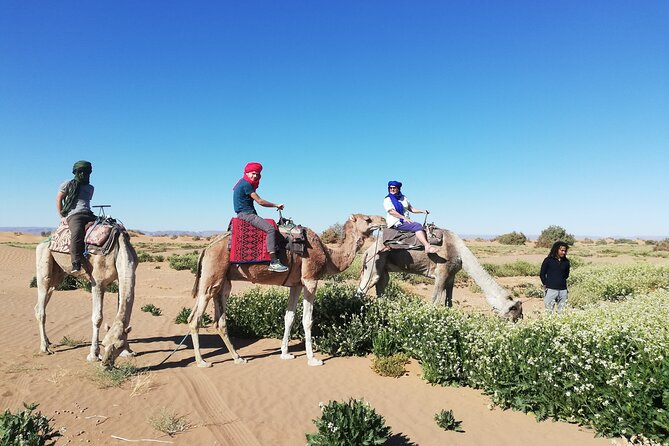
The biggest praise tied to this trek is clearly the people. Guides named Hasan, Ibrahim, Mohamed, and Bakar come up repeatedly in the experience write-ups, and not in a polite, generic way. The theme is care and real involvement—guides helping you feel comfortable fast, teaching the culture through daily life, and building a camp rhythm that makes the desert feel welcoming instead of intimidating.
One review talks about guides cooking delicious meals and making you experience the true nomadic life. Another describes magical shared moments between nomads and the group. That matters because desert travel can feel like a “nature show.” Here, you get the “how people live out here” piece too.
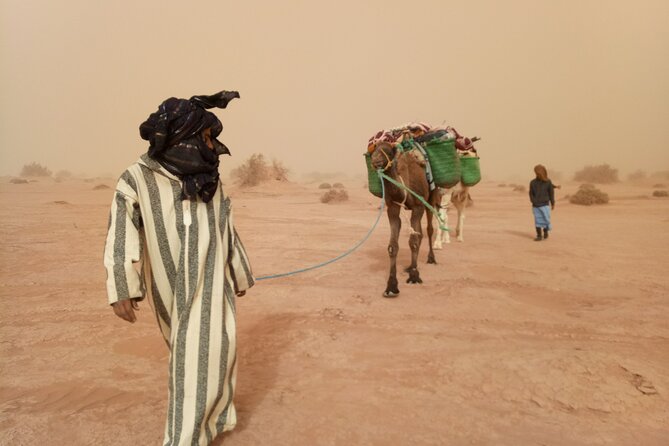
What you’ll likely notice on the trail: the guides set expectations early and keep things organized even when weather shifts. That’s not just nice—it makes you safer and calmer when the wind picks up.
Meals, camp setup, and why comfort matters in real desert time
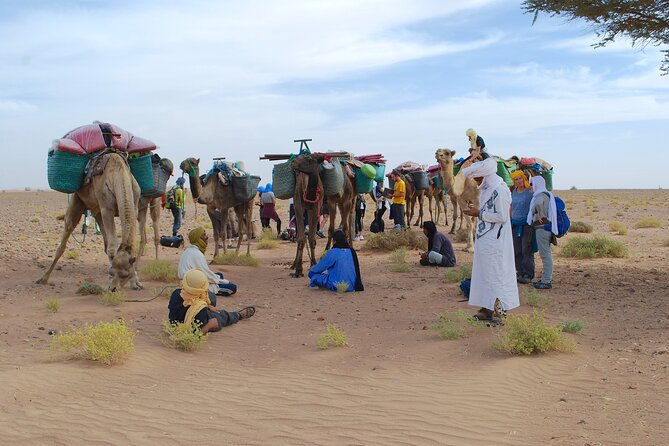
This trek includes eating and sleeping equipment, and it includes all fees and taxes. You’ll still need to manage your own comfort smartly, because the desert has its own schedule.
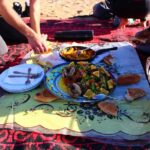
Food-wise, the reviews emphasize that the meals are tasty across the day cycle—breakfast, lunch, dinner—and that there’s energy support along the way (including dates). That’s exactly what you want on a trek with heat and sand. You need steady fuel, not random snacks.
Sleeping comfort is where the fine print hits:
- A sleeping bag is not included
- You do get sleeping equipment, but you should not assume it replaces a proper bag for your comfort
Desert nights can be chilly after hot days. If you run cold easily, bring a sleeping bag you trust. If you don’t, you’ll spend the night thinking about blankets instead of resting.
Price and value: is $528.55 really fair for 4 days?
At $528.55 per person, the value comes down to what’s covered and what you don’t have to juggle yourself.
You’re getting:
- Included eating and sleeping equipment
- Included all fees and taxes
- A private tour (only your group participates)
- A multi-day route following the Draa Valley through different desert environments
- Pickup offered (so you’re not always relying on your own transport)
What you pay extra for:
- Sleeping bag
- Private transportation (though pickup is offered)
So where’s the real value? It’s in the “support system.” Guides, camp logistics, and meals for multiple days cost money—and you’re also paying for the route expertise needed to move through hard desert terrain safely. If you tried to recreate this on your own, you’d quickly spend more on transport, logistics, and equipment, and you’d still miss the nomad-led camp experience.
If you want a desert trek where you’re not managing every detail day after day, this price can look reasonable fast.
What to pack (based on what’s actually missing)
The only explicit “not included” item that changes your choices is the sleeping bag. Everything else you’ll need you should pack to match a real 4-day outdoors rhythm.
Here’s what I recommend you bring:
- A sleeping bag you can tolerate in cool desert nights
- Wind and sun protection (hat, scarf or buff, and decent sunscreen)
- Shoes that handle both hard surfaces and sand (and socks you won’t regret after day two)
- A refillable water plan (you’ll need to stay ahead of heat)
- A small daypack for the stuff you’ll want while walking
If you tend to get irritated by sand, bring something to protect your eyes and throat. Even when the team is great, the desert doesn’t soften.
Who should book this trek, and who might want a different one
This trek is a fit if you:
- Have moderate physical fitness (the trek is physically demanding by nature)
- Want a wild, uncrowded desert experience rather than a crowd circuit
- Care about meeting people who live the culture day-to-day, not just photographing scenery
- Prefer a private group atmosphere
You might choose something else if:
- You hate hot weather and plan to do minimal walking
- You don’t want to bring a sleeping bag and handle your own cold-night comfort
- You need full control over logistics (this experience is guided and organized, which is the point)
This is also a great option for people who want their desert time to be more about rhythm and relationships than about checking boxes.
Book or skip? My honest take on the Legs of Camels trek
I’d book it if you want the desert as a living place, not just a postcard. The combination of Draa Valley solitude, the mineral-world variety (hamadas, dunes, rocky and mountain edges), and the nomad team—especially guides like Hasan, Ibrahim, Mohamed, and Bakar—is what makes the difference.
The main reason not to book is simple: it’s physically challenging and the desert doesn’t care about comfort unless you plan for it. If you’re ready for heat, wind, and sand—and you bring a sleeping bag you trust—this is the kind of trip you’ll still talk about when you’re back in normal life.
FAQ
How long is the trek?
It’s listed as a 4-day trek, approximately.
Where does the trek start and end?
It starts in M’Hamid, Morocco and ends back at the meeting point.
Is pickup available?
Yes, pickup is offered.
Is this a private experience?
Yes. It’s described as a private tour/activity, and only your group will participate.
What’s included in the price?
Included items are eating and sleeping equipment, plus all fees and taxes.
What isn’t included?
A sleeping bag is not included, and private transportation isn’t included.
What fitness level do I need?
The info says travelers should have moderate physical fitness.
What’s the physical setting like during the trek?
Expect a route through wild and uncrowded desert terrain with hamadas, rocky massifs, and large dunes (ergs), plus mountain areas visible near the Algeria border.
Who are the guides?
The provided experience details mention nomad guides including Hasan, Ibrahim, Mohamed, and Bakar.
What is the cancellation window for a full refund?
You can cancel up to 6 days in advance for a full refund. Less than that reduces the refund amount per the policy.