REVIEW · MHAMID
4 Days Trekking To The Heart Of Desert
Book on Viator →Operated by Desertbrise Travel · Bookable on Viator
One look at the dunes and your phone feels silly. This Sahara hike pairs Marrakech departure and High Atlas kasbah stops with time in the sand where the day runs on sun, silence, and tea.
What I like most is the setup: a professional nomadic guide and camel drivers who handle the rhythm of the trek while camels carry the luggage. I also love the feeling the itinerary is trying to protect: calm, small-group energy (private tour for your group), and moments to study animal and plant life without rushing through them.
One thing to consider: this is a sun-paced walk. Expect long outdoor stretches where the day’s intensity sets the pace, so plan for heat, glare, and limited control over timing.
Key Points at a Glance
- High Atlas drive via Tichka Pass (2260 m) before the desert, with kasbah stops like Ait Benhaddou
- Camel-carried luggage so you walk more, and stress less about bags and bulky gear
- Walking from M’Hamid with tea and lunch served in the shade of Tamaris
- Sidi Naji sanctuary visit tied to local oral tradition (18 grandfathers)
- Bivouac at the foot of the dunes at night, built around real silence and big-sky views
In This Review
- High Atlas to Sahara: why this trek starts long (and worth it)
- Kasbah stops with real stop-and-look time (Ait Benhaddou included)
- Getting to M’Hamid: the moment the desert stops being a word
- Palm grove lunch shade: why tamaris matters more than you think
- Sidi Naji sanctuary: local tradition you’ll want a guide for
- Bivouac at the dunes: how the night portion feels different
- Camels, luggage, and why the walk feels better this way
- Meals that match the pace: breakfast, lunches, dinner, and wood-fired comfort
- Group size, privacy, and how guides shape the whole trip
- Sunrise and sunsets: when the day’s best part is scheduled for you
- Price and value: $341.63 looks high until you count what’s included
- Who this trek is best for (and who should reconsider)
- Should you book this desert trek?
- FAQ
- Where does the trek start and end?
- What happens on the travel day from Marrakech?
- When does the desert walking begin?
- Are meals included?
- Are camels part of the trek?
- Is this a private tour and can I cancel?
High Atlas to Sahara: why this trek starts long (and worth it)
The best desert moments don’t start in the sand. They start on the way there, when the world gets quieter mile by mile and the views shift from busy Morocco to something far more empty.
This trip begins with an early departure from your riad or hotel in Marrakech at 8:00 am. You’ll travel through the High Atlas Mountains via the Tichka Pass (2260 m), the highest road pass in Morocco. Even if you’ve seen photos of the Atlas, you’ll feel the scale when the road snakes through valleys and Berber villages. It’s the kind of drive that knocks the edge off your day—because by the time you reach the desert zone, you already feel like you’re going somewhere different.
And because this is a private tour/activity, only your group travels together. That matters on a trek like this, where conversation volume tends to rise and fall with the landscape and the heat.
Kasbah stops with real stop-and-look time (Ait Benhaddou included)
Day 1 isn’t just a transfer. You get meaningful breaks that help the desert feel earned.
The route includes several kasbahs along the way, with Tamnougalte and Ait Benhaddou specifically mentioned. Ait Benhaddou is a 16th-century UNESCO site, and it’s famous as a filming location for Hollywood productions. That means even if you’re not into movie trivia, you’re stepping into a place that’s been watched and photographed for decades. The bonus is that you’re not just driving past—you’re building context for the rest of the journey.
After the kasbah area, the trip continues through the Draa River valley, known for palm-lined stretches, before you reach Zagora, often described as the capital of dates. This is a practical stop as much as a scenic one: it’s a reminder that the desert isn’t only dunes. It’s also agriculture, water channels, and communities that live with harsh weather year-round.
One small detail: the day’s first listed stop includes an admission ticket. If you care about which sites are covered, it’s worth asking your operator what that ticket is for, but either way, the day is designed to be more than a car ride.
You can also read our reviews of more tours and experiences in MHamid.
Getting to M’Hamid: the moment the desert stops being a word
M’Hamid is where the walking truly starts. That’s the key shift in this experience.
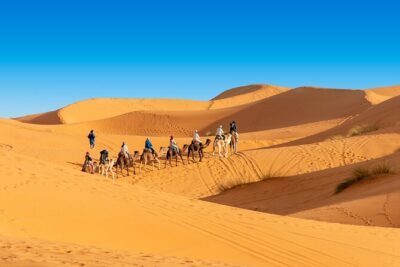
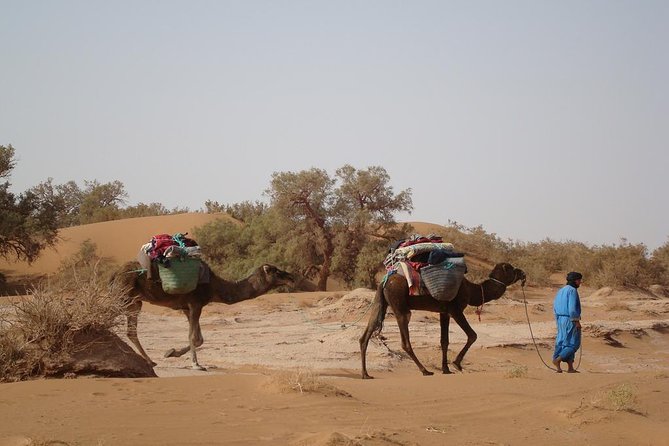
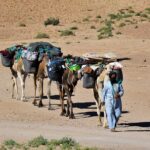
After breakfast in the camp area, the plan is to leave on foot from M’Hamid with your guide and the camel caravan. The idea is simple: you keep moving through dunes with the support of camel drivers while your day becomes slower, more sensory, and more focused on what’s around you.
In the reviews, people repeatedly mention the kind of disconnection they were aiming for—quiet, distance from crowds, and a break from the modern pace. That matches what the itinerary is set up to do: once you’re moving with a caravan, your time horizon changes. You notice wind direction. You watch plants instead of scrolling. Even meal breaks feel different when they’re tied to shade and recovery rather than schedules.
Also, the experience description emphasizes learning and observation—animal and plant life, plus the general study of what exists in the Sahara ecosystem. Even if you aren’t a science person, having a guide who can point out details changes the whole walk.
Palm grove lunch shade: why tamaris matters more than you think
The first full walking segment is designed around the comfort breaks that keep a trek enjoyable.
From M’Hamid you head toward the Palm Grove. Tea and lunch are served in the shade of Tamaris. That shade isn’t just pleasant—it’s smart planning for staying steady in desert conditions. When you’re walking, your body needs micro-resets: hydration, warmth management, and a pause to let the heat cycle come down a notch.
After that break, you rest, then continue toward the next stop: the sanctuary of Sidi Naji. In other words, the day is structured with recovery moments that prevent the trek from turning into a constant slog. It also gives you a reason to look up and around. When you stop in the right place—tamaris shade you actually want to sit under—you start paying attention.
Sidi Naji sanctuary: local tradition you’ll want a guide for
This stop adds meaning. It’s not only scenery.
The itinerary includes the sanctuary of Sidi Naji, with local oral tradition describing that this marabout lived there, “18 grandfathers.” Even if the story’s details aren’t your focus, the bigger point is this: you’re connecting the desert to people and belief systems, not treating the dunes like a blank stage.
In the review highlights, guides are named in a way that suggests they weren’t just leading—some were shaping the experience through care and storytelling. Names that came up include Khalil and Alwali Bohjr. One family trek story also called out a camel driver named Mohamed and a guide/caretaker named Abidin, described as especially attentive when a child wasn’t feeling well and the route was adapted.
That’s what you want from a desert guide: practical judgment plus human warmth. When something changes—weather, energy levels, a child who needs extra attention—you need flexibility. The itinerary here at least signals that the experience is built around working with real conditions, not a rigid script.
Bivouac at the dunes: how the night portion feels different
Night is where desert treks become more than exercise.
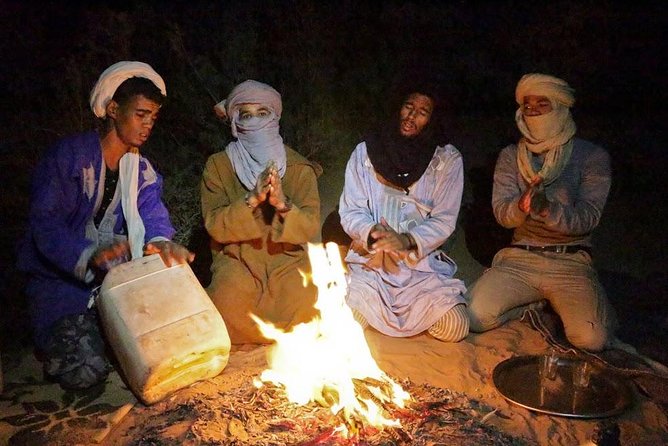
This plan sets the bivouac at the foot of the sand dunes. That’s the moment you’ll notice the shift from daytime bustle to nighttime stillness. The experience description also points to relaxation, silence, and the “forgetfulness of civilization” in absolute calm, especially tied to unforgettable sunsets.
You’re also living by the rhythm of the sun. That’s not just poetic. It’s practical: mornings cool down, afternoons heat up, and evenings turn magical. The day’s pacing matters when you’re outside, and this trek is clearly designed around that natural timing.
Meals are included, which helps at night. You don’t have to hunt for food or figure out restaurant decisions in a place where options don’t work like your home town.
Camels, luggage, and why the walk feels better this way
One of the clearest strengths in the concept is the camel support.
The tour description says camel drivers and that a camel caravan carries the luggage. In plain terms, you walk with less weight. That’s a big deal on sand, where every step costs more than you expect.
It also means your gear stays more organized. You’re not juggling backpacks, water bottles, and heavy layers all at once. Instead, you can focus on what you’re doing: walking, stopping for shade, and taking in the dunes when they shift color.
The included list also calls out mineral water. Hydration matters more in the desert than on most hikes, and having water provided keeps you from doing math while your body is already working hard.
Meals that match the pace: breakfast, lunches, dinner, and wood-fired comfort
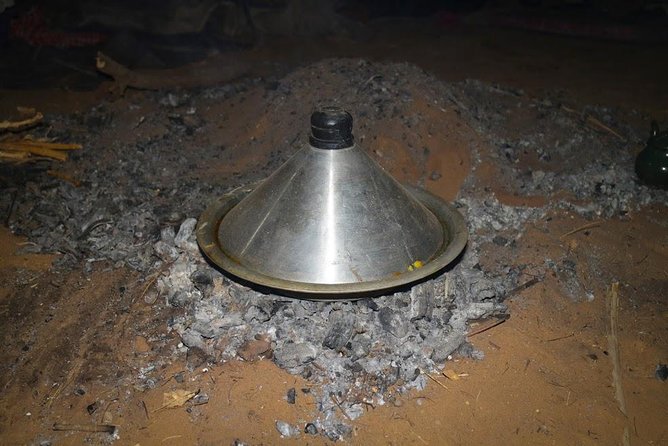
Food on this kind of trek isn’t just nourishment. It’s energy for the next push.
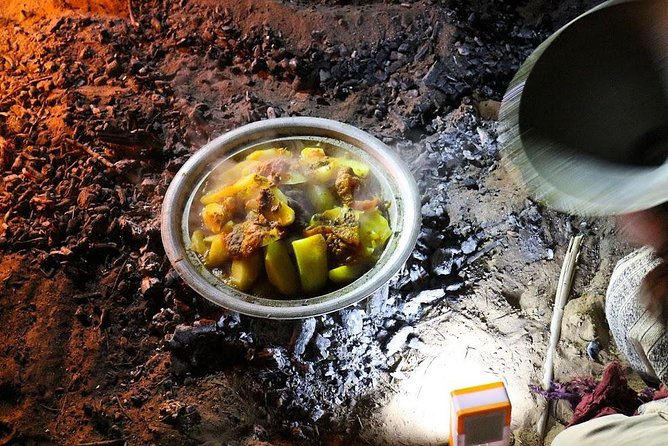
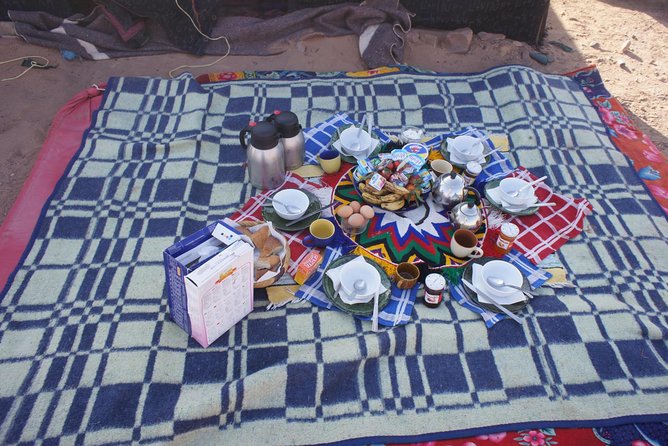
Included meals cover breakfast, lunch(es), and dinner. The list specifically includes 4 lunches plus dinner, along with 3 nights accommodation. That combination suggests the overall package supports multiple meal stops rather than one long day followed by “figure it out” eating.
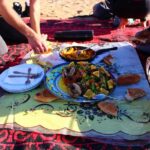
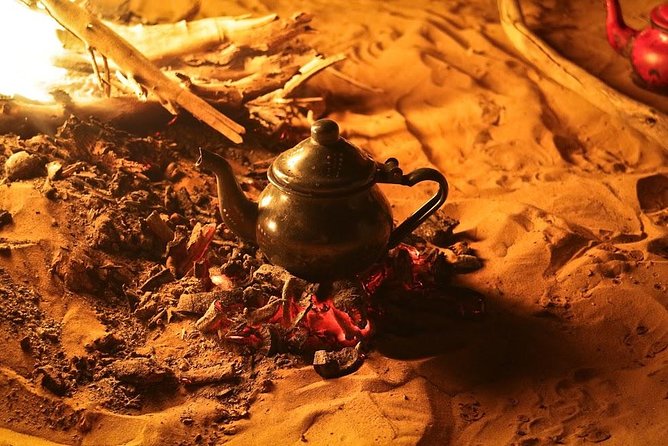
One review also mentioned a chef cooking tajines on a wood fire every day, plus bread cooked in the fire. That’s exactly the sort of detail that makes desert food feel connected to the place instead of like a campsite version of home.
Even without assuming every meal will match those exact dishes, the structure is clear: you won’t be scrambling for food in the middle of nowhere. That’s a major value point.
Group size, privacy, and how guides shape the whole trip
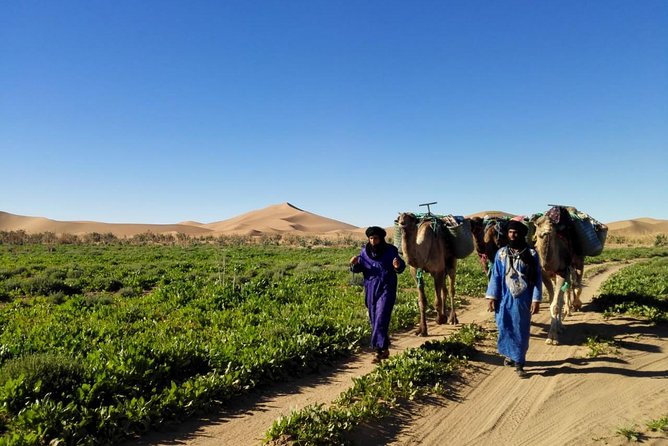
This isn’t a giant bus tour. It’s built as a private tour/activity, meaning only your group participates. In practical terms, that reduces waiting, supports better pacing, and makes it easier for the guide to adjust if someone needs more water breaks or slower steps.
In the reviews, people praised the professionalism and the general mood of the trek, including walking with a small group rather than a crowd. You’ll probably notice this in the way conversation naturally changes: less talk, more listening to wind and footsteps, more checking on the people next to you.
Guide names that show up in the review set include Khalil and Alwali Bohjr. A family trek story also highlighted Abidin handling care for a sick son and adapting the route accordingly. Those examples matter because in the desert, adaptation is everything. The dunes are predictable only until they aren’t—heat changes how people move, and small needs become big needs quickly.
So if you care about an experience led by people who take responsibility, this type of guide-driven setup is one of the reasons to pick this option.
Sunrise and sunsets: when the day’s best part is scheduled for you
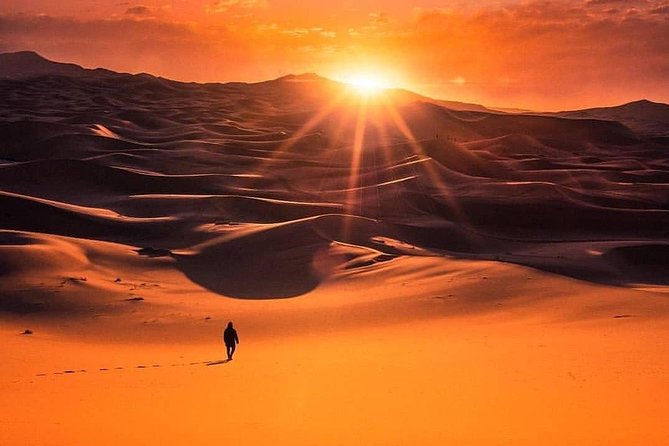
The experience description calls out fascination with desert immensities and “unforgettable sunsets,” plus sunrise moments. It’s easy to say that in marketing, but the structure of a trek makes it believable.
If you’re walking during daylight with shade stops, your evenings naturally land in the right places to watch light change over dunes. Your bivouac at the foot of the sand dunes also sets you up for orange-to-purple color shifts without needing a long hike after dinner.
This is also where the “rhythm of the sun” idea becomes real. You’re not just outside; you’re timing your rest and movement around natural light. That can feel relaxing in a way that’s hard to replicate on day trips.
Price and value: $341.63 looks high until you count what’s included
At $341.63 per person, this isn’t a budget desert day. But it also doesn’t look like a barebones tour once you see what’s inside.
The included items list breakfast, lunch(es), dinner, mineral water, 3 nights accommodation, a guide, and camels. Add in private group participation and the fact that you’re traveling from Marrakech through the High Atlas (including the Tichka Pass and multiple kasbah stops), and the price starts to make sense as a bundled experience.
Here’s the value logic I’d use if you’re deciding:
- You’re paying for transportation + guided desert walking + meals + lodging + camel support.
- You’re not paying separately for meals every day or for luggage hauling.
- You’re buying time in a place where being organized is part of safety and comfort.
The one cost not included is tips. That’s common, and if you like giving feedback in a tangible way, it’s an extra line item to plan for.
Also note: the trip is sold as 4 Days Trekking To The Heart Of Desert, while one duration field says 2 days (approx.). What’s clear from the inclusions is that you’re getting 3 nights accommodation, and the walking starts from M’Hamid. Before booking, I’d ask the operator to clarify how many walking days you personally will have, so your expectations match your energy level.
Who this trek is best for (and who should reconsider)
This experience fits best if you want:
- A real desert hike with a professional guide, not a quick photo stop
- More quiet and fewer people than you’d get from mass-market Sahara routes
- Camel support so you can actually enjoy the walking
It’s also ideal for families who want an adaptable route. One review specifically praised Abidin for caring for a sick child and adjusting the itinerary on the go. That suggests the guide team can handle changing needs.
You might reconsider if:
- You want a fully predictable daily schedule with fixed distances (this is sun-paced)
- You dislike early mornings and long driving days from Marrakech
- You need very clear details for every day beyond the main walking segment (the provided day-by-day specifics focus heavily on the transfer day and the first desert walking day)
Should you book this desert trek?
If your goal is to get away from the noise and spend days moving through dunes with a guide who understands desert rhythms, this is a strong match. The combination of High Atlas start, kasbah context, M’Hamid walking, camel support, and included meals creates a complete package that doesn’t require you to think too hard about logistics once you’re there.
Book it if you’re excited by sunrise and sunset timing, like the idea of sleeping near the dunes, and you’re comfortable walking at a pace influenced by the sun. Skip it if you want a relaxed “look but don’t walk” version, or if you’re sensitive to heat and glare without a flexible plan.
FAQ
Where does the trek start and end?
It starts in Marrakech with an early 8:00 am departure from your riad or hotel, and it ends back at the same meeting point in Marrakech.
What happens on the travel day from Marrakech?
You travel through the High Atlas via the Tichka Pass (2260 m), visit kasbahs such as Tamnougalte and Ait Benhaddou, then continue through the Draa River valley before reaching Zagora.
When does the desert walking begin?
The walking begins after breakfast at M’Hamid, traveling on foot with the guide and the camel caravan toward the Palm Grove, then onward to the sanctuary of Sidi Naji.
Are meals included?
Yes. The tour includes breakfast, lunch(s), and dinner, plus mineral water.
Are camels part of the trek?
Yes. Camels carry the luggage, while you walk with the guide and caravan support.
Is this a private tour and can I cancel?
It’s a private tour/activity for your group only. You also have free cancellation up to 24 hours in advance for a full refund.