REVIEW · KATHMANDU
Annapurna Base Camp Trek
Book on Viator →Operated by Mountain Kick Private Limited · Bookable on Viator
One trek can feel both sacred and athletic. This Annapurna Base Camp trip strings together Kathmandu and Pokhara, hilltop villages, forest walks, and a final big day to 13,550 feet.
What I like most is the built-in support. You’re with a local government-licensed guide, plus porters and local staff who handle the trekking logistics so your brain stays on the views and the next climb.
One consideration: even though many days sit in the lower Himalaya, you still hit long, leg-burning stretches above 10,000 feet, so moderate fitness is not optional.
In This Review
- Key highlights worth caring about
- Sacred Arrival on the Annapurna Foot of the Gods
- Route at a Glance: Altitude, Effort, and Why the Order Works
- Kathmandu Start: Hotels, Valley Sights, and a Real Pre-Trek Setup
- Pokhara Transfer and the First Trail Day: Nayapool to Tikhedhunga
- Ghorepani and Poon Hill: Views Before the Serious Climbing
- Chomrong to Himalaya Hotel: When the Route Turns Mountain-Serious
- Annapurna Base Camp Day: The 13,550-Foot Payoff
- Descent via Bamboo and the Way to Jhinu Hot Springs
- Final Stretch: Pokhara Back to Kathmandu and a Farewell Dinner
- Price and Value: What $1,300 Buys You Here
- Comfort Level: Guesthouses, Twin Rooms, and Food Reality
- Who This Trek Is For (and Who Might Feel Strained)
- Book It or Keep Looking: My Decision Guide
- FAQ
- What is the duration of the Annapurna Base Camp trek?
- What are the highest altitude and altitude range on this trip?
- What is included in the tour price of $1,300 per person?
- Is travel insurance included, and do I need it?
- Is trekking equipment included?
- What does the itinerary look like before the trek starts?
- Is this a private tour?
- Can I cancel for a full refund?
Key highlights worth caring about
- Licensed guide + porter setup that keeps the trek practical from day one
- Kathmandu and Pokhara built in, so you’re not rushing straight to the trail
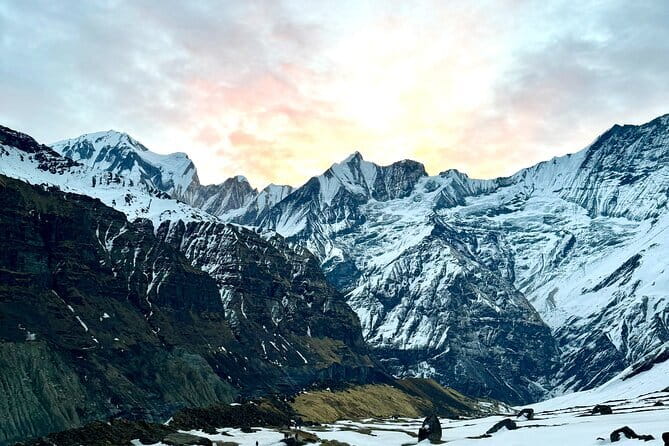
- Poon Hill for early views before you push deeper toward the base camp
- Altitude changes are real, with the hike culminating at 13,550 feet
- Flexibility and problem-solving, especially when travel days get messy
- Guesthouses with shared rooms, a solid value tradeoff for staying on schedule
Sacred Arrival on the Annapurna Foot of the Gods
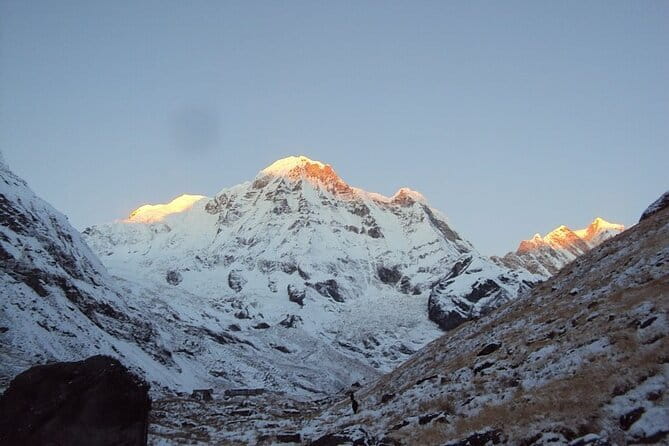
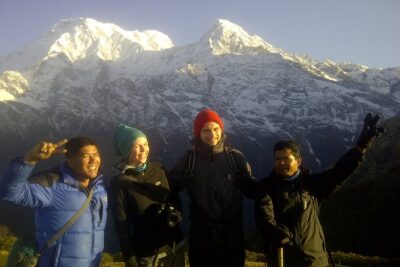
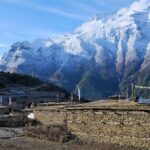
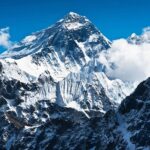
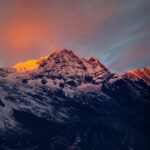
Annapurna Base Camp has a mythic pull. Locals call it the home of the gods, and by the time you stand there, the place has a spiritual “weight” that’s hard to fake with marketing. It’s not just a scenic stop. The Annapurna massif is right there, and your body finally believes what your eyes have been seeing for days.
This trek also has variety that matters. You’re not walking in one dull line. You shift from Kathmandu’s city rhythm to Pokhara’s lakeside energy, then into hilltop villages, forest paths, and narrow sections above gorges. Even the altitude profile tells a story: you go from about 4,600 feet in Kathmandu up to 13,550 feet at Base Camp, which is exactly the kind of gradual suffering you want for acclimatization—with enough of a challenge to feel earned.
If you like trips where you can feel both culture and effort, this one fits. And if you love clear structure—start time, day-by-day movement, guesthouse nights—this plan is built for it.
You can also read our reviews of more tours and experiences in Kathmandu.
Route at a Glance: Altitude, Effort, and Why the Order Works
This is a 14-day program, with trek days mixed with driving and sightseeing. The altitude description is honest: most days sit in the lower Himalayas, but you will still go over 10,000 feet and climb for hours. That’s where your legs do the negotiating.
Here’s the altitude arc in plain terms:
- Kathmandu begins around 4,600 feet
- Pokhara sits around 3,000 feet
- You step upward through days that reach roughly 9,400–10,500 feet
- The big peak experience is Annapurna Base Camp at 13,550 feet
Why the order matters: you don’t jump straight to the highest point. You build from village trekking to higher ridge walking, and you get a major viewpoint day (Poon Hill) before the long push to Base Camp. That’s a practical way to reduce the chance that you’ll feel wrecked too early.
Also, you’re trekking on a route that aims to hit the key villages on the way there and back. That’s useful because some base-camp trips feel like one-direction grinding. Here, your return journey still gives you scenery and small-world village moments.
Kathmandu Start: Hotels, Valley Sights, and a Real Pre-Trek Setup
Your first two days are about landing smoothly and getting your bearings. Day 1 is an overnight at a three-star hotel in Kathmandu, on a twin-sharing basis, with breakfast included. Day 2 is sightseeing around the Kathmandu Valley, then a pre-trip meeting, and another hotel night.
This matters more than people think. Multi-day trekking failures often start before the first step—lost details, unclear expectations, or equipment stress. A pre-trek meeting gives you a chance to ask about pacing, what to expect when elevations rise, and how the trek team supports you.
The program also notes you’ll meet at 7:45 am (start time). That’s the kind of clarity that helps early mornings feel less chaotic.
Pokhara Transfer and the First Trail Day: Nayapool to Tikhedhunga
Day 3 is the drive from Kathmandu to Pokhara (around 3,000 feet), by tourist bus, then an overnight hotel stay.
Day 4 is where the trek begins: you drive to Nayapool (3,477 feet) and start hiking to Tikhedhunga (5,060 feet), sleeping in a guesthouse.
What I like about starting this way:
- You ease into trekking after a buffer city day.
- The first hike is climbable without pretending it’s easy.
- Guesthouse nights begin right away, so you learn the rhythm: walking all day, then eating and sleeping at a trail-side rhythm.
This is also where you begin meeting the world that surrounds the route—small local economies, basic hospitality, and the constant sense of “everyone is part of the same movement.”
Ghorepani and Poon Hill: Views Before the Serious Climbing
Day 5 is a hike to Ghorepani (9,416 feet), then a guesthouse night. Day 6 adds the star viewpoint: a hike to Poon Hill (10,535 feet), then trekking to Tadhapani (8,628 feet) for the night.
Poon Hill is often chosen for a reason: it turns a tiring ascent into a payoff moment. Even with the altitude building, you get a viewpoint day that feels more like a reward than a march.
Practical tip for this stage: treat the morning hike with respect. You’re climbing at altitude, and you’re doing it early. Pace yourself like you’re trying to stay comfortable, not like you’re trying to set a speed record.
Then you sleep lower again in Tadhapani. That up-then-down rhythm is helpful. It keeps the trek from turning into one endless upward grind.
Chomrong to Himalaya Hotel: When the Route Turns Mountain-Serious
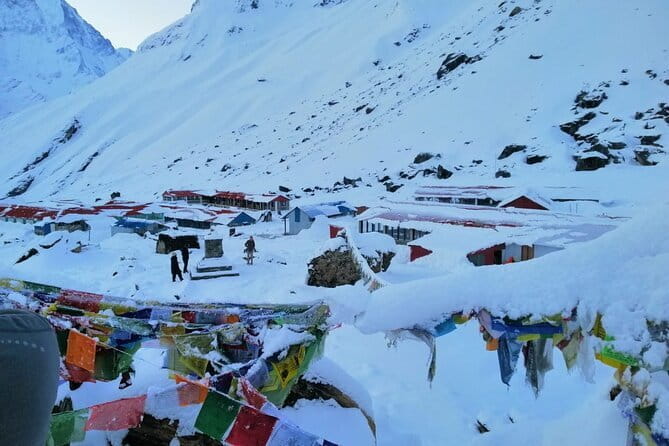
Day 7 takes you to Chomrong (7,120 feet). Day 8 continues to Himalaya Hotel (9,678 feet).
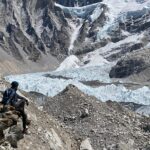
This is a classic “you’re past the cozy part” moment. The scenery shifts, the air feels thinner, and walking starts to demand more from your pacing and breathing. Even if the days aren’t always at the highest altitude, the cumulative climbing is real.
What makes this valuable: you’re training your body gradually while still moving toward a serious high point. You also get those village nights early on, so you’re not just living in the same hotel-like guesthouse box every day.
Annapurna Base Camp Day: The 13,550-Foot Payoff
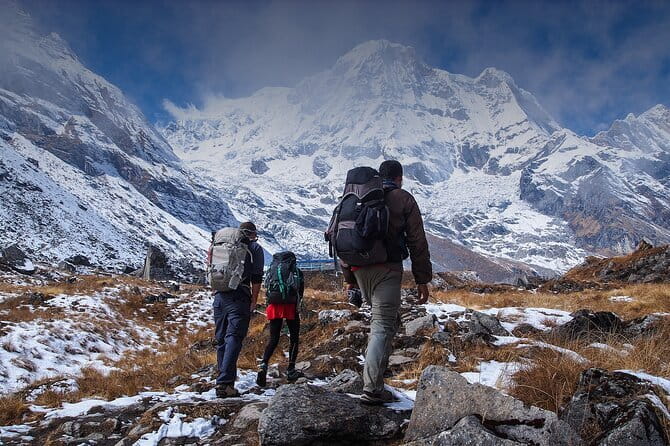
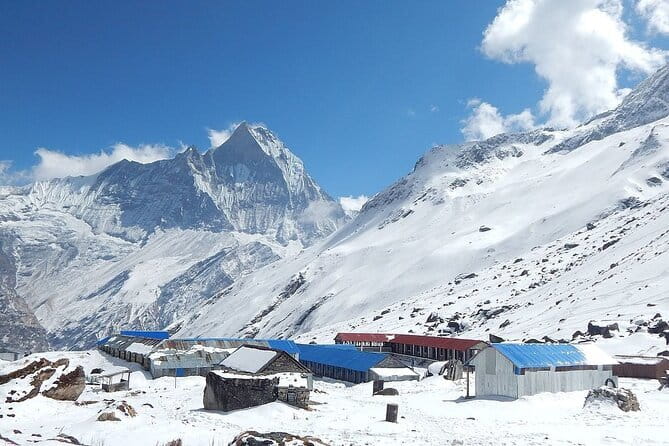
Day 9 is the big one: trekking to Annapurna Base Camp (13,550 feet). Overnight at a guesthouse.
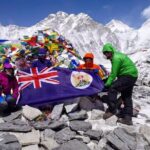
This is where the “home of the gods” feeling hits hardest. By now, you’ve spent days walking under the Annapurna massif, seeing it grow bigger in your mind long before it grows bigger on the horizon. At Base Camp, it becomes a presence instead of a backdrop.
It’s also the day to be extra disciplined with effort. You don’t need to push hard to prove fitness. At this elevation, steady movement and smart pacing matter more than willpower.
One good thing about this trip’s structure: you get a viewpoint day earlier (Poon Hill) and then a gradual build, so you’re not arriving to Base Camp totally blind to altitude effects.
Descent via Bamboo and the Way to Jhinu Hot Springs
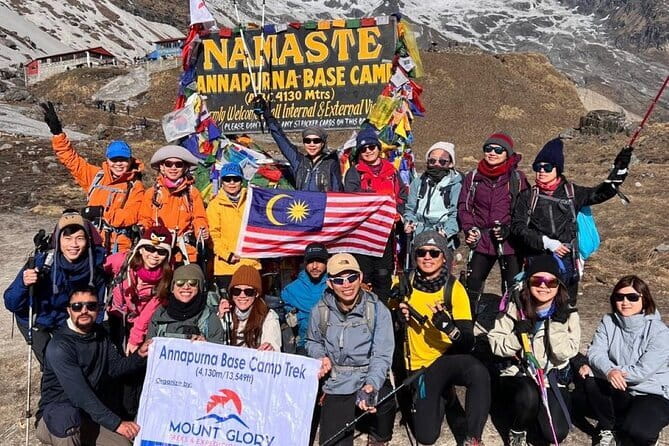
Day 10 is a trek to Bamboo (7,695 feet). Day 11 takes you to Jhinu Hot Spring (5,840 feet) for the night.
These two days change your relationship with the trail. Going down can feel good on your mind, but it can be rough on knees and quads. Still, dropping in altitude tends to make the body feel more normal again.
Jhinu Hot Spring is a big morale booster. You’ve earned a soak after days of walking and elevation stress. The trek turns from “reach the goal” into “recover like a human.”
Day 12 is the retreat to Nayapool (3,477 feet), then you drive to Pokhara and do sightseeing, with an overnight hotel.
Final Stretch: Pokhara Back to Kathmandu and a Farewell Dinner
Day 13 drives you back to Kathmandu. There’s a farewell dinner, then another hotel night.
Day 14 is final departure.
This is the part I appreciate most: you’re not forced to do a long, exhausting buffer trek right before flying. The trip wraps in a way that respects that your body needs decompression after Base Camp.
Also, the program is private (your group only). That’s a quiet advantage when you want pacing that fits your group, and when you want support without feeling like you’re in a moving crowd.
Price and Value: What $1,300 Buys You Here
The price is $1,300 per person for the 14-day trip. That number can look high until you map what’s included:
Included:
- Three-star Kathmandu hotel (twin-sharing) with breakfast
- Guesthouse nights during the trek (twin-sharing)
- Local government-licensed guides
- Porters (one each for a pair of travellers) and local support staff
Not included:
- Travel insurance (mandatory)
- International airfare to/from Kathmandu
- Nepal visa fees
- Trekking equipment
So what’s the value? You’re paying for the structure: hotels, guided planning, porter support, and the staffing that keeps you on track. Annapurna Base Camp logistics aren’t trivial, and a licensed guide plus local support can protect your time and reduce the chance of confusion on route days.
Two money-saving notes, based on the program’s own rules:
- Trekking equipment isn’t included, but you can purchase or rent in Kathmandu if you forget something.
- Insurance isn’t just a good idea; it’s required and must be arranged before arriving.
If you want a trek where your day-to-day decisions are simplified—what time to leave, where to stay, who handles the local coordination—this price is easier to justify.
Comfort Level: Guesthouses, Twin Rooms, and Food Reality
On the trek, you’ll stay in guesthouses on a twin-sharing basis. On paper, that’s basic. In practice, guesthouses are what keep trekkers moving on schedule and keep costs from ballooning.
The key comfort tradeoff: you’ll be sharing rooms, and you’ll have simple trail accommodations rather than resort amenities. What you gain is flexibility and access. You’re sleeping close to where the trail network actually lives.
Also, this trip runs with real support staff and porters, which helps your load stay manageable. In a multi-day trek, that can be the difference between enjoying the trail and spending the whole day thinking about your bag weight.
Who This Trek Is For (and Who Might Feel Strained)
This works best for people with moderate physical fitness. You don’t need to be an experienced mountaineer, but you do need to handle long climbs and big altitude days.
It’s also a good fit if you:
- Want a clear itinerary with day-by-day structure
- Like viewpoint moments like Poon Hill
- Prefer guided support over self-planning
- Want Kathmandu and Pokhara included so the trip feels like more than only the trek
You might think twice if:
- You’re not comfortable with steep climbs for hours (the trek includes sections above 10,000 feet)
- You’re likely to skip fitness prep and rely on motivation alone
- You can’t travel with the mandatory travel insurance requirement
One nice detail: the program allows service animals, so if that applies to you, you should be able to bring them.
Book It or Keep Looking: My Decision Guide
I’d book this Annapurna Base Camp trek if you want:
- A high-impact destination with a realistic altitude build
- Strong on-the-ground support with licensed local guides
- A trip that balances effort with comfort through hotels and guesthouses
- A plan that includes both Kathmandu and Pokhara, so your arrival doesn’t feel abrupt
I wouldn’t book if your goal is a light stroll with minimal altitude stress. This is an adventure with a serious final day and long elevation climbing.
One more practical note: the itinerary can change if travel delays, accidents, or natural hazards force it. You’ll still be trekking, but expect some flexibility in the exact rhythm.
FAQ
What is the duration of the Annapurna Base Camp trek?
It’s listed as 14 days (approx.), including drives and sightseeing days in Kathmandu and Pokhara.
What are the highest altitude and altitude range on this trip?
The trek starts around 4,600 feet in Kathmandu and reaches 13,550 feet at Annapurna Base Camp. The route also includes days above 10,000 feet.
What is included in the tour price of $1,300 per person?
The price includes a three-star hotel in Kathmandu (twin-sharing) with breakfast, guesthouse stays during the trek (twin-sharing), local government-licensed guides, and porters with local support staff.
Is travel insurance included, and do I need it?
Travel insurance is not included, and it is mandatory. It must cover emergency rescue and evacuation, and it can’t be taken in Nepal.
Is trekking equipment included?
No. Trekking equipment is not included. You’re expected to bring your own, but you can purchase or rent essentials in Kathmandu if needed.
What does the itinerary look like before the trek starts?
You arrive in Kathmandu and stay overnight at a hotel (Day 1). Day 2 includes Kathmandu Valley sightseeing and a pre-trip meeting, then Day 3 is the drive to Pokhara.
Is this a private tour?
Yes. It’s a private tour/activity, so only your group participates.
Can I cancel for a full refund?
Yes. You can cancel up to 24 hours in advance for a full refund. If you cancel less than 24 hours before the start time, the amount is not refunded.