REVIEW · HANOI
From Hanoi: Trek and Stay: 3-Day Sapa Highlands Adventure
Book on GetYourGuide →Operated by Mountain Light Homestay · Bookable on GetYourGuide
Sapa feels close, even when it is far away. This 3-day Hanoi to Sapa trek-and-stay mixes ethnic village walks with real overnight time in Ta Van, so you do not just speed through. I especially like the local-guided routes and the way the schedule gives you village time on multiple days. The main drawback to plan for is the group pace plus rustic stays, especially if you expect hotel-level comfort.
You start with a long ride that is actually part of the deal, then you get two solid days of walking around terraced valleys. On the way, you visit places like Cat Cat Village and Sin Chai, then move deeper toward Ta Van and the Red Dao area. If you hate group tours or you want warm, private rooms, this may feel less your style.
In This Review
- Key things to know before you book
- From Hanoi to Sapa: the ride that shapes the whole trip
- Day 1 in Sapa: Cat Cat Village plus Sin Chai
- Day 2 trekking loop: Y Linh Ho, Lao Chai, then Ta Van homestay
- Night in Ta Van: what the homestay is really like
- Day 3 Red Dao and Supan: the 8 km trek and the final villages
- How hard is this trek, really?
- Price and logistics: is $98 good value?
- English-speaking guides: why names keep popping up
- Who should book this Sapa trek-and-stay (and who should skip)
- FAQ
- What is the duration of this Sapa trek-and-stay?
- Where does pickup happen in Hanoi?
- What language is used by the guide?
- What types of accommodation are included?
- Are meals included?
- What trekking distances are listed for the route?
- What is Cat Cat Village included for?
- Is there any extra cost for solo travelers?
- Are there holiday surcharges?
- What is the cancellation policy?
- Should you book this tour?
Key things to know before you book
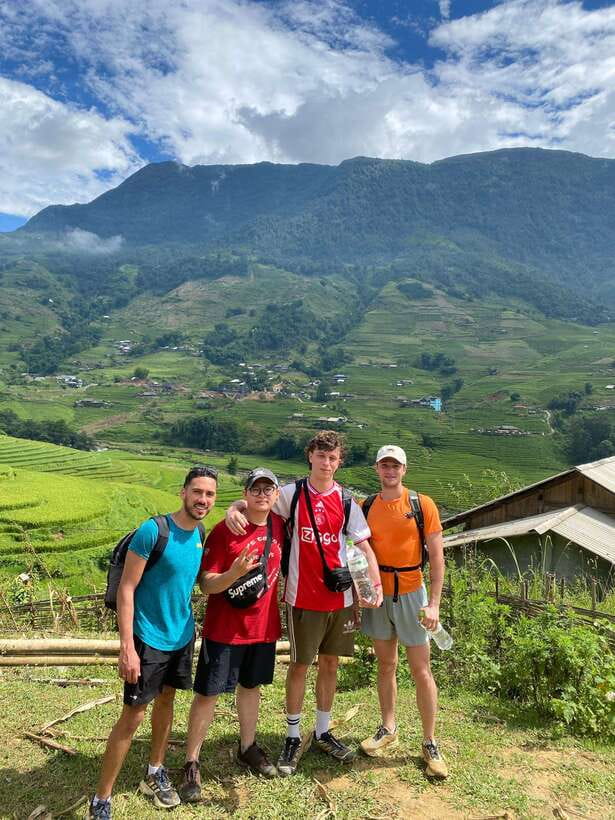
- Two days of village trekking with specific routes through Y Linh Ho, Lao Chai, Ta Van, and Giang Ta Chai
- An overnight homestay in Ta Van (dorm room style) that trades luxury for closeness to daily life
- English support from an on-the-ground guide in Sapa so you are not guessing what you are seeing
- Guides can steer you toward the more scenic hard route through rice fields and forests
- Cat Cat Village is fun for context, but also tourist-heavy so go with the right expectations
- Meals and entrance tickets are handled which is where this price earns value
From Hanoi to Sapa: the ride that shapes the whole trip
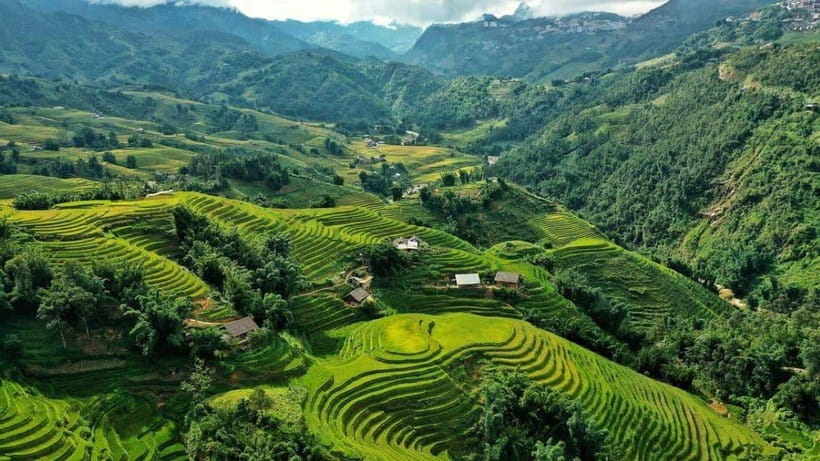
This is a 3-day experience that begins early in Hanoi—pickup starts around 06:00 to 06:30 from hotels in the Old Quarter. You head out on the Noi Bai–Lao Cai highway, with a break around 10:00 in Lao Cai City. By about 13:00 to 13:30, you are in Sapa.
Why this matters: that early start means you get daylight for the first village walk, and you also get an organized buffer for check-ins and meals. It also means the ride can be the hardest part of the trip, depending on the bus conditions. In the feedback I read, some people found the sleeper bus comfortable, while others called out narrow, crowded parts of the journey.
If you are sensitive to cramped seating, plan to be practical: bring a neck pillow if you use one at home, wear layers, and keep your most important stuff on you so you do not have to rummage after stops.
You can also read our reviews of more tours and experiences in Hanoi.
Day 1 in Sapa: Cat Cat Village plus Sin Chai
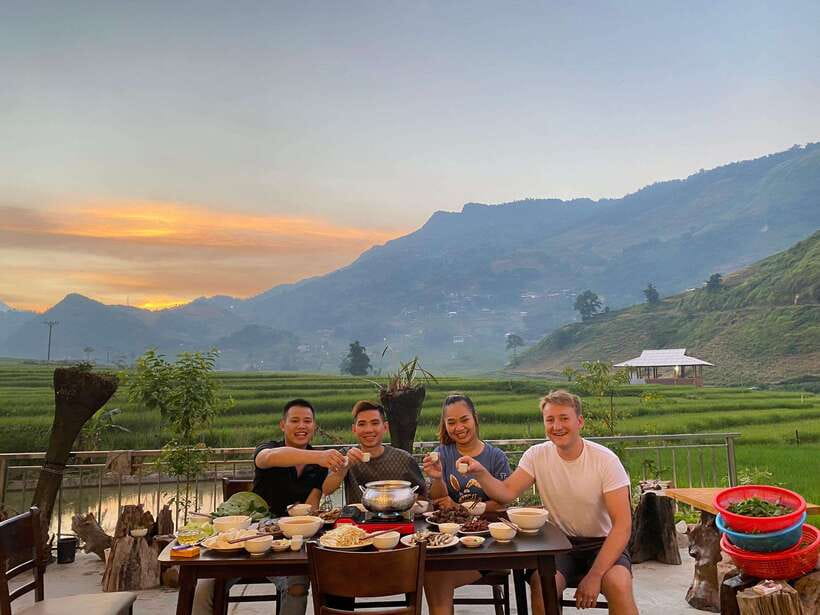
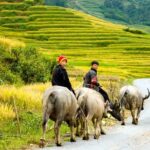
Day 1 is about arrival, orientation, and first contact with village life. After lunch in Sapa town, you trek to Cat Cat Village. You also visit a waterfall and the historic Hydraulic Power Station, which gives you something more than photo stops.
Then you move to Sin Chai village for the late afternoon. By around 17:00, you return to Sapa town for dinner and some free time.
The Cat Cat Village tradeoff: it is easy to enjoy the setting, and you get a structured introduction to local life. But it can also feel like a stop with lots of shops along the route. If you like browsing, great. If you prefer quiet nature and fewer sales pitches, keep your expectations grounded and use Cat Cat as a first taste, not the whole meal.
Practical tip: because you arrive in the afternoon, you will likely spend more time walking in daylight on Day 1 than you might on a trip that starts hiking immediately at sunrise. Bring a rain layer anyway. Sapa weather can turn fast.
Day 2 trekking loop: Y Linh Ho, Lao Chai, then Ta Van homestay

Day 2 is the day you feel Sapa in your legs. After breakfast at the hotel (around 07:00 to 08:00), you start a trek that totals about 9 km across the valley area—roughly 6 km to Y Linh Ho, then about 3 km to Lao Chai.
You have lunch in Ta Van village, then you check in and rest. In the afternoon, you visit more local villages before returning to the homestay around 17:00 to prepare dinner.
This day is where the “stay” part earns its keep. You are not just sleeping in Sapa town again. You are getting at least a night in Ta Van, which means you experience village rhythm after the group walking hours are over.
What I like about this setup: it spreads the trekking rather than stacking everything into one brutal day. You walk, eat, rest, then walk again lightly in the afternoon. If you start to feel tired, the homestay check-in gives you a clean moment to reset.
Also, the route can vary. Some guides are known to take groups on a harder, higher route through rice fields and forests, while others may take lower paths. That difference can change the scenery a lot, so it is worth asking your guide what route you will take and how steep it is.
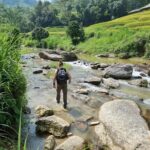
Muddy conditions: when conditions are wet, the trails can get muddy. I saw specific advice like using rain boots. If you have them, bring them. If you do not, pack shoes that can handle wet ground and keep traction.
Night in Ta Van: what the homestay is really like
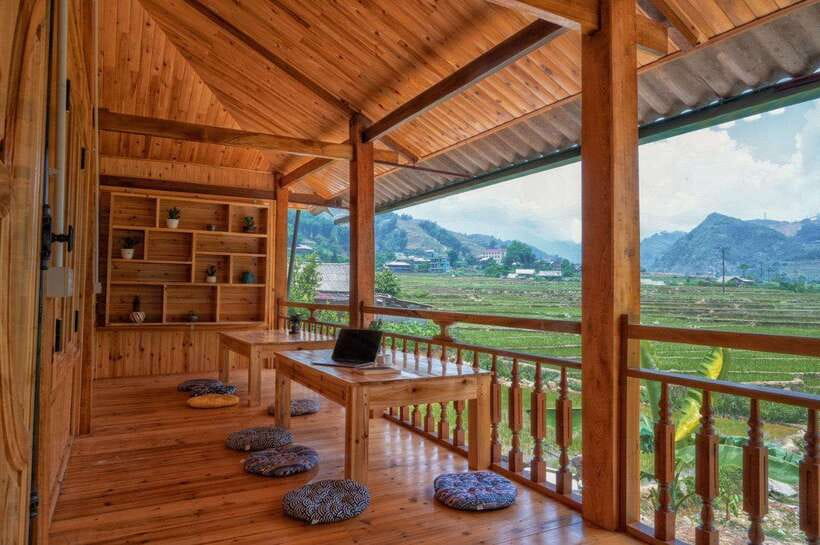
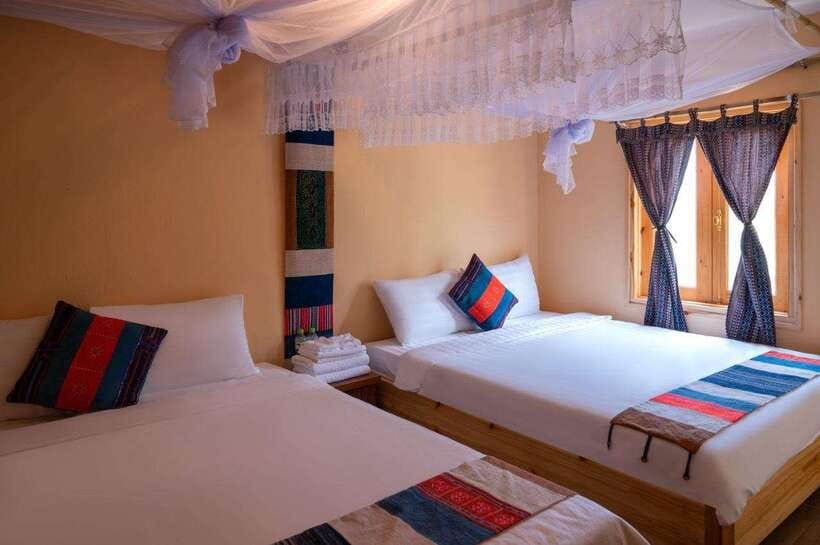
The homestay in Ta Van is a dorm-room style stay for one night. That is the big headline, and it affects comfort expectations more than anything else. You may sleep in shared space, and you should expect a more rustic setup than a hotel.
Food is included, and it is part of the deal: you get dinner on Day 2 and breakfast on Day 3. One caution from the feedback is that some meals can feel repetitive, and some people found the homestay food similar from meal to meal. That is not a reason to skip it, but it helps to know what you are getting into.
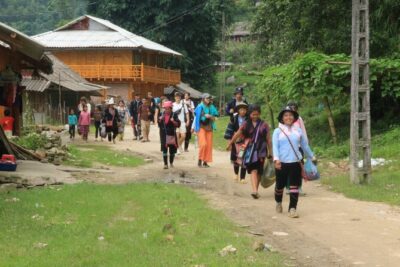
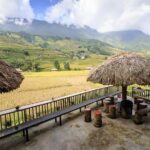
One reason people rate this trip highly is the “off the road” feeling—homestays can be in quieter spots with views, and you get time to talk with the people living there. Several comments praised the homestay experience itself as welcoming and well run by the host community.
If you are expecting heat: in colder months, you might find the rooms chilly. I saw notes about the lack of heat in both hotel and homestay. In Sapa, that matters. Pack warm layers even if the sun is out when you leave the hotel.
Day 3 Red Dao and Supan: the 8 km trek and the final villages
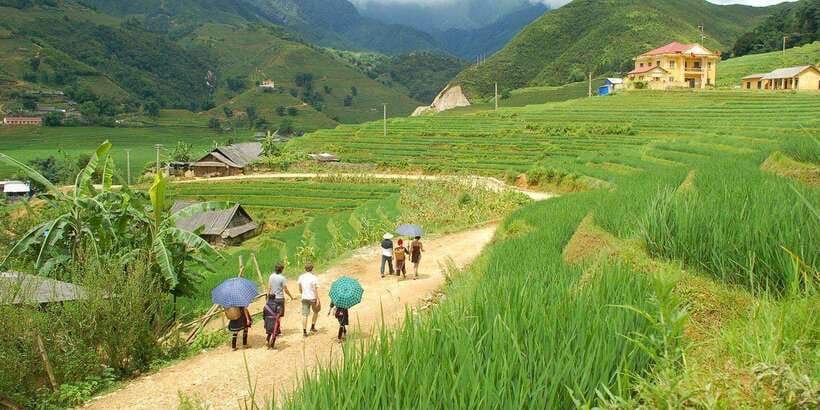
Day 3 starts with breakfast at the homestay around 07:00. Then you visit Giang Ta Chai Village and Supan Village.
After that, the main trek is about 8 km to Giang Ta Chai village of the Red Dao people. After your walking morning, you have lunch and then rest back at the homestay.
In the afternoon, you get picked up by car to Sapa around 14:00. You then board the bus back to Hanoi. Arrival is typically around 21:00.
This day is a nice balance: it keeps walking time substantial, but it also gives you structured village visits early. It also means you end before midnight, so you can actually sleep and recover in Hanoi instead of arriving at an ungodly hour.
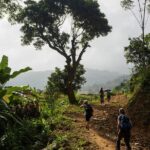
If you are a first-time trekker: pace matters more than speed. The long walking distances are spread across the day, so you can take breaks, hydrate, and keep moving without sprinting.



How hard is this trek, really?
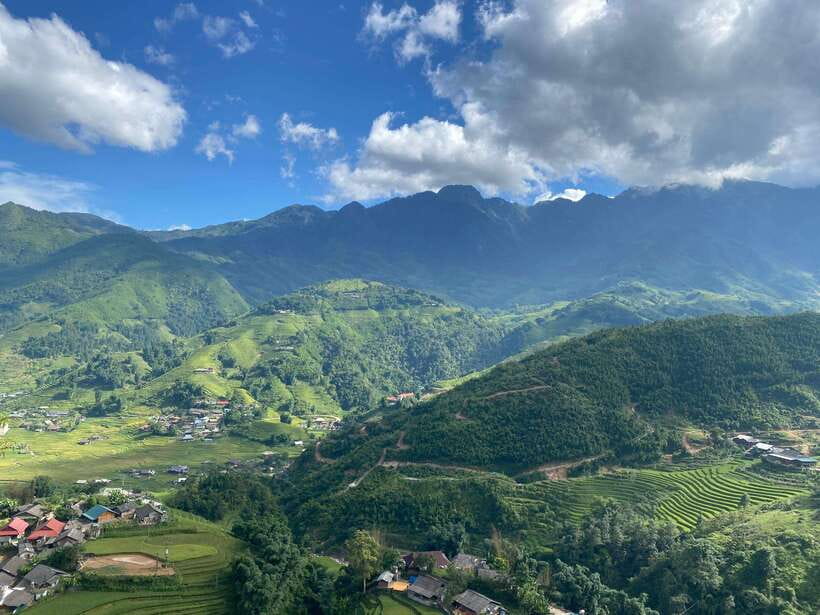
The trekking is the core of the experience, so let us be honest about effort.
- Day 2 includes roughly 9 km of walking across village areas.
- Day 3 includes roughly 8 km, with village visits woven in.
In the feedback I read, people often described this as a good “minimum” to truly enjoy Sapa without making it an extreme expedition. Many also noted that it is not too difficult for most people, but conditions like mud can make it harder.
So here is the practical take: plan for hills, uneven paths, and changing footing. Wear shoes you trust. Bring a rain layer. And if you get motion sick on the bus, take precautions ahead of time since the trip includes multiple ride segments.
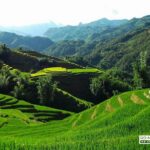
If you want the best scenery: ask whether your guide can take the higher route through rice fields and forest paths. That is the kind of choice that turns a normal walk into a memorable one.
Price and logistics: is $98 good value?
At $98 per person, the value is tied to what you do not have to arrange yourself.
You are getting:
- A Hanoi–Sapa–Hanoi sleeper bus with modern facilities
- An English-speaking guide in Sapa
- 1 night in a 3-star hotel in Sapa town (shared rooms, 2 people per room)
- 1 night in a Ta Van homestay (dorm room)
- Meals: 3 lunches, 2 dinners, 2 breakfasts
- Entrance tickets as needed for the itinerary
What you give up:
- Hotel-level comfort on the homestay night
- Total freedom of pace and group-only logistics
- The possibility of bus discomfort, depending on the vehicle setup on your date
In other words, this price makes sense if you want a guided structure and included meals without planning the route, arranging homestays, or figuring out village logistics yourself. If you want private guides, flexible hikes, or a guaranteed warm room, then $98 is cheap for the wrong reasons.
Also note: there is a solo supplement of 400,000 VND for solo travelers, though sharing may be offered if another solo traveler is found.
English-speaking guides: why names keep popping up
A pattern shows up in the feedback: when the guide’s explanations are clear and relaxed, the whole trip clicks.
I saw strong praise for guides such as Pang, Ku and Cheng, Khu Ly, Thao thi sò, Sao, Phin, and Cha. People specifically called out that guides knew the area well, spoke easy-to-understand English, and made questions feel normal rather than awkward.
Even more useful: some guides are local to the surrounding communities. That often means better context—how people live, why certain routes are chosen, and what to look for on the trails.
What you should do: treat your guide like your translator and your local map. Ask what route you will take that day and what the weather may do. If you get a guide like the ones praised above, you will likely get a smoother hike and a better understanding of what you are seeing.
Who should book this Sapa trek-and-stay (and who should skip)
This tour fits best if you:
- Want an easy entry into Sapa trekking without planning every step
- Like village visits and do not mind a group format
- Are okay with shared rooms and a dorm-style homestay night
- Care more about walking and people than luxury hotel amenities
It is less ideal if you:
- Want a private, quiet, no-group experience
- Expect a warm, hotel-like room in cold weather
- Strongly dislike touristy stopovers like Cat Cat Village
- Have a strict comfort-only approach to transport and accommodation
If you are on the fence, think about your real priority. If your priority is the trek plus the overnight homestay experience, this checks a lot of boxes for the money.
FAQ
What is the duration of this Sapa trek-and-stay?
It runs for 3 days and 2 nights, with pickup in Hanoi on Day 1 and return to Hanoi by around 21:00 on Day 3.
Where does pickup happen in Hanoi?
Pickup is included from hotels in the Hanoi Old Quarter. If your hotel is outside the Old Quarter, you should go to 54 Hang Tre, Hoan Kiem, Hanoi.
What language is used by the guide?
The guide is English-speaking during the Sapa portion of the trip.
What types of accommodation are included?
You get 1 night at a 3-star hotel in Sapa town (shared, 2 people per room) and 1 night at a homestay in Ta Van village (dorm room style).
Are meals included?
Yes. The trip includes 3 lunches, 2 dinners, and 2 breakfasts.
What trekking distances are listed for the route?
Day 2 includes about a 6 km trek to Y Linh Ho and then about 3 km to Lao Chai. Day 3 includes about an 8 km trek to Giang Ta Chai.
What is Cat Cat Village included for?
It is part of Day 1, along with a waterfall visit and the historic Hydraulic Power Station.
Is there any extra cost for solo travelers?
Yes. A single supplement of 400,000 VND applies for solo travelers, but if another solo traveler is found you may be able to share and the supplement is waived.
Are there holiday surcharges?
Yes. A public holiday surcharge of 40% of the total tour price can apply, especially around Tet and on 29th April to 1st May.
What is the cancellation policy?
Free cancellation is available up to 24 hours in advance for a full refund.
Should you book this tour?
If you want a solid Sapa introduction with guided village trekking plus a real overnight in Ta Van, this is a strong pick for the price. The included meals, entrances, and English guide in Sapa remove most of the planning stress.
I would book it if you can handle group pacing and shared lodging. I would hesitate if you need guaranteed comfort on the overnight and you hate tourist-driven stops like Cat Cat Village.
If you tell me your travel month and your trekking comfort level, I can help you decide whether this is the right difficulty for you and what to pack for typical conditions.