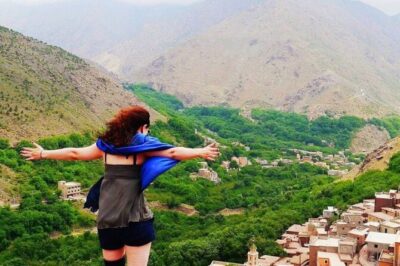
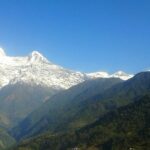
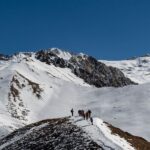
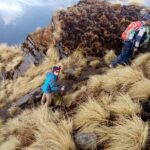
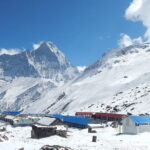
You get mountain views for days, then a hot spring reward. This Annapurna Base Camp trek threads through Gurung villages and high suspension bridges before dropping you into the Annapurna basin. I love how the route mixes scenery with real culture, and I also like that the plan stays practical with an English guide, permits, and your meals handled.
The one possible drawback: you’ll be hiking 5 to 8 hours most days, so you need moderate fitness and good pacing if you’re coming from sea level.
If you’re lucky with your guide, you may get the kind of steady, patient support people rave about from guides connected with ABC treks PVT Ltd, like Janak Karki (organizer) and guides such as Mr. Gurung or Damodar dai. Just don’t plan on breezy weather—hot and cold can happen fast at altitude.
In This Review
- Why This Annapurna Base Camp Trek Hits the Sweet Spot
- Key Points You’ll Care About Before You Go
- Day-by-Day: What Your 5 Days Look Like on the Trail
- Day 1: Pokhara to Sinuwa via Nayapul, Chhommrong, and Lower Sinuwa
- Day 2: Sinuwa Up Steps, Past Bamboo and Dovan, Ending at Deurali
- Day 3: The Big View Day—Machhapuchhre Base Camp to Annapurna Base Camp
- Day 4: Pre-Sunrise Annapurna Base Camp Views to Lower Sinuwa Descent
- Day 5: Jhinu Danda Hot Spring Detour and Back to Pokhara
- Permits, TIMS, and the Real Value of Having Everything Handled
- What’s Included vs Not: A Clear Checklist
- Fitness Level: Who This Trek Suits Best
- Gear and Packing: Don’t Underestimate Weather Swings
- Culture Along the Way: Gurung Villages and Everyday Mountain Life
- Logistics and Timing: Start Time and Daily Flow
- Price and Logistics: Is $450 Good Value for Annapurna Base Camp?
- Should You Book This Annapurna Base Camp Trek?
- FAQ
- What is the duration of the Annapurna Base Camp trek?
- Where does the trek start and end?
- How much does it cost?
- Is this trip private?
- What’s included in the trekking permit and TIMS?
- Are meals included during the trek?
- Are there options for dietary restrictions?
- Will I have a guide?
- Is hotel pickup and drop-off included?
- Is insurance and rescue included?
- Cancellation Policy
- Can I cancel and get a full refund?
Why This Annapurna Base Camp Trek Hits the Sweet Spot
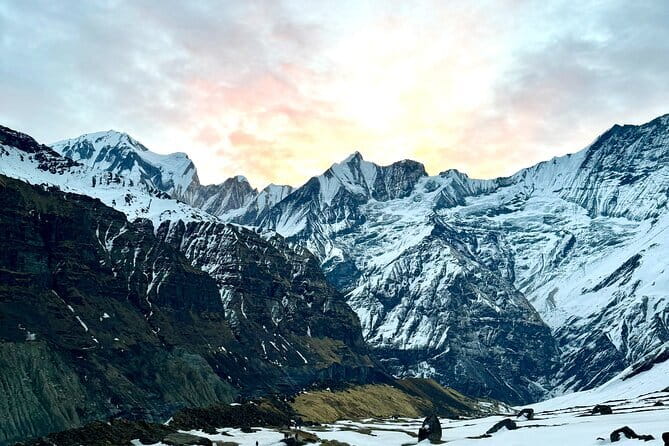
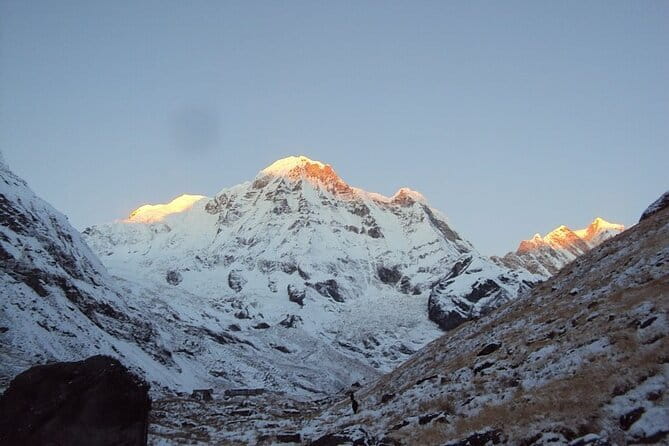
This is one of those treks where the trip feels like it has a plot: you start with river valleys and village life, you climb through forests and farmland edges, and then—when you reach Annapurna Base Camp—the mountains fill your field of view like you’ve stepped into a panorama you can’t put away.
A key value here is pacing. It’s only about 5 days, which keeps the trek from turning into a long, slow grind. At the same time, it’s not a “stamp and pose” hike. You spend real time walking the ridgelines and valley paths that reveal different sides of the Annapurna region.
And yes, the end has a payoff: after hiking back down toward Pokhara, you detour to the Jhinu Danda hot spring. It’s a simple pleasure that feels earned.
Key Points You’ll Care About Before You Go
A short, high-impact schedule: five days means you still get the Annapurna basin feeling without committing to a two-week trek.
Guides who manage details: the package includes an English-speaking guide, plus permits and TIMS handling.
Village-to-mountain transition: Gurung villages, suspension bridges, and views of Machhapuchhre and Annapurna peaks appear throughout.
Meals and lodging logistics are covered: tea house/lodge stays plus breakfast, lunch, and dinner for the trekking days are included.
Weather can flip quickly: bring layers; cold mornings and warmer afternoons both show up on this route.
You can also read our reviews of more tours and experiences in Pokhara.
Day-by-Day: What Your 5 Days Look Like on the Trail
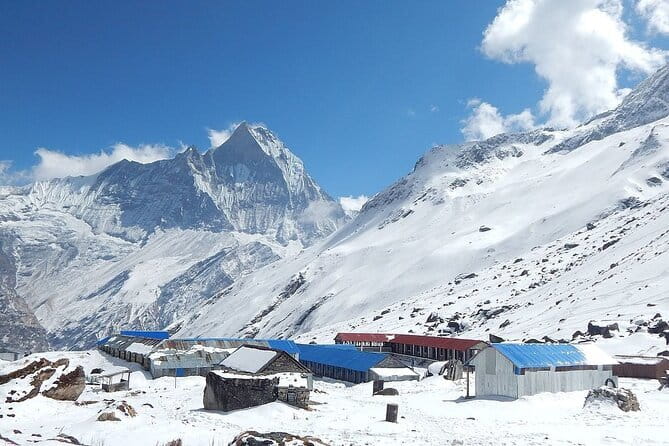
This itinerary has the structure I like for beginners and first-timers: get in, settle fast, then hike gradually enough that your body can adapt before the big view moments.
Day 1: Pokhara to Sinuwa via Nayapul, Chhommrong, and Lower Sinuwa
Day one is a mix of road travel and the first walk into the Annapurna foothills. After breakfast, you’ll be picked up and driven about 3 hours to Jhinu Dada via Nayapul. You’ll also pause in Birethanti for permit checks before you head onto the trekking path.
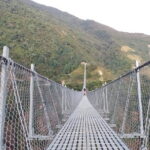
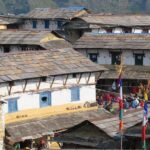
Then you shift gears. The walk takes you through Gurung villages and includes memorable crossings like high suspension bridges. Your route passes through places such as Jhinu Danda, Chhommrong, and ends around Lower Sinuwa (with a stop for a breather in areas like Simrong along the way).
What I like about this day: it gives you that instant “I’m really here” feeling without dumping you into the steepest parts right away. What to watch: day one is described as around 5 to 6 hours of trekking, so don’t assume the road segment means you can skip being ready to walk.
Day 2: Sinuwa Up Steps, Past Bamboo and Dovan, Ending at Deurali
On day two, you start with morning mountain views and tea or coffee. After breakfast, the trek takes about 7 hours, and it’s built around gradual altitude gain with some variety.
You climb up to Sinuwa using stone steps, then descend toward Bamboo. From there, you continue on to Dovan, have lunch in Himalaya, and keep hiking for about two more hours to reach Deurali.
Why this day matters: the route changes as you go, so your legs don’t just do one long rhythm. You’ll also get a better feel for how your body handles repeated climbs and descents—useful prep for the colder mornings later.
The consideration: stone steps can be a workout even when they don’t feel dramatic on paper. If you’re new to trekking, keep your pace steady and let your breathing guide you. Slow beats fast here.
Day 3: The Big View Day—Machhapuchhre Base Camp to Annapurna Base Camp
Day three is the short day on the plan, and that’s exactly what makes it work. You’ll start with an easier segment to Bagar (first hour), then tackle a slightly tougher stretch toward Machhapuchhre Base Camp with some steep parts.
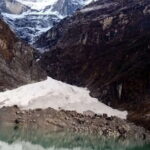
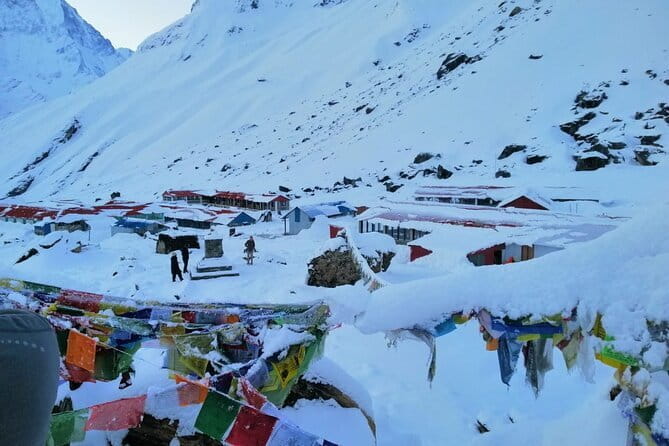
After lunch, you continue for about two hours to Annapurna Base Camp. This is the day where the physical effort fades because the scenery takes over. The Annapurna region is famous for a reason: you’re not just looking at one peak. You’re in the basin where the giants around Annapurna seem to frame the sky.
What I like most about this design: you’re not stuck hiking all day just to reach the view. Instead, you earn it, eat, and then spend real energy on taking it in.
The tradeoff: steep parts on this day mean you’ll want good footwear and a plan for managing your steps carefully. Bring something you trust on uneven stone and dirt.
Day 4: Pre-Sunrise Annapurna Base Camp Views to Lower Sinuwa Descent
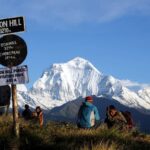
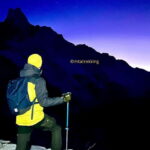
Day four starts before sunrise. If you’re into dramatic light and quiet moments, this is where it happens. You’ll be treated to panoramic views from Annapurna Base Camp, including iconic peaks such as Machhapuchchhre (Fishtail), Himchuli, Annapurna South, and more.
After enjoying breakfast, you hike down to Lower Sinuwa.
This is a day many people underestimate—because it starts early and ends with a longer descent. The good news: it’s a satisfying “see it, then come home” rhythm. If you’ve had cold mornings earlier, day four confirms why layers matter: sunrise can be gorgeous and chilly at the same time.
Unique tip from the vibe I’ve heard shared in similar treks: the track lighting can be cinematic at night, and moonlight can make early-morning hikes feel different than daylight. Either way, start with your warm gear ready so you’re not rushing for it.
Day 5: Jhinu Danda Hot Spring Detour and Back to Pokhara
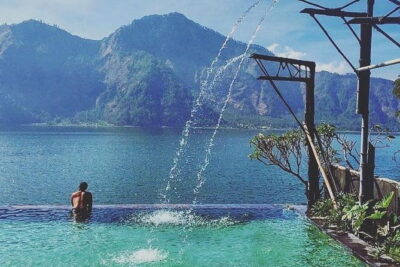
Your final day begins with leaving Sinuwa and heading back to Pokhara. The route includes a detour to a natural hot spring at Jhinu Danda. This is the decompression moment: soak, relax, and let your body stop feeling like it’s made of rocks.
After the hot spring, it’s a short hike—about 30 minutes—before you connect with transportation back to Pokhara. Once you’re back, you’re dropped off at your hotel, ending the trek.
This is a smart finale. Trekking ends fast when you don’t have a decompression plan. Here, you do.
Permits, TIMS, and the Real Value of Having Everything Handled
The package includes your trekking permit and TIMS. For Nepal treks, that matters. Paperwork can become the annoying bottleneck if you’re trying to manage it alone.
It also includes a guide in person (English) and hotel pick up and drop off. Plus, you get available tea house/lodge on the route and all main meals for the trek days: breakfast (5), lunch (5), dinner (5).
Now the value math: for $450 per person, you’re not just paying for walking. You’re paying for logistics and time-saving. You won’t be negotiating permits mid-trip or trying to coordinate meals and lodging day to day. You can focus on walking and deciding when to stop for photos.
The one thing you should bring to the budget: insurance and rescue are not included, and gratuity isn’t included either (though it’s optional).
What’s Included vs Not: A Clear Checklist
Included:
- Hotel pick up and drop off
- Trekking permit and TIMS
- English-speaking in-person guide
- Private trip (only your group participates)
- Sharing transport to the trek start and from the ending point
- Tea house/lodge along the way
- Meals: breakfast, lunch, dinner (5 each)
Not included:
- Insurance and rescue
- Gratitude (optional)
Practical takeaway: before you book, confirm you’re comfortable with a setup where transport is shared even though the trek itself is private.
Fitness Level: Who This Trek Suits Best
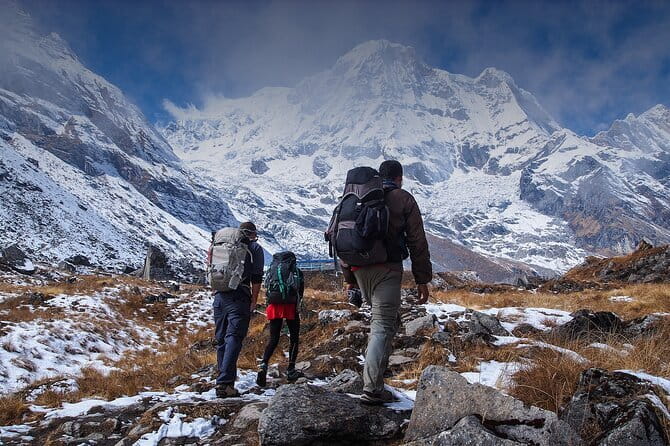
The program is aimed at travelers with moderate physical fitness. The daily hiking windows are often 5 to 8 hours, and there are sections with stone steps and steep bits (especially around Machhapuchhre Base Camp).
This trek is a good fit if:
- You can walk for several hours at a steady pace
- You’re okay with early starts and long descents
- You’re not trying to “race the mountain”
It’s also a reasonable first serious trek for people who want the Annapurna Base Camp feeling without an ultra-long itinerary. In the trekking stories tied to ABC treks PVT Ltd, a common theme is that with patient guidance, first-time trekkers find their rhythm and end up loving the experience.
Gear and Packing: Don’t Underestimate Weather Swings
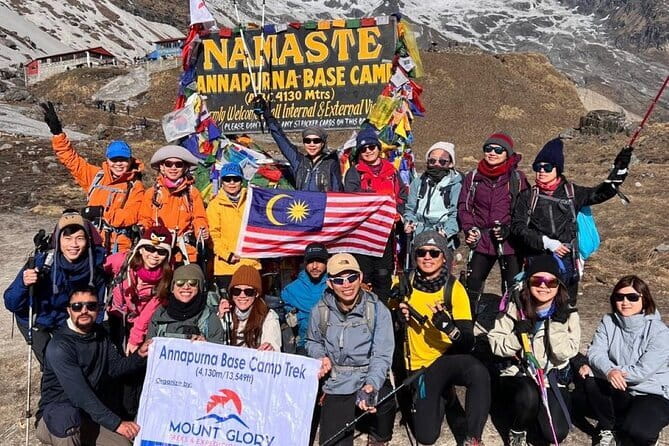
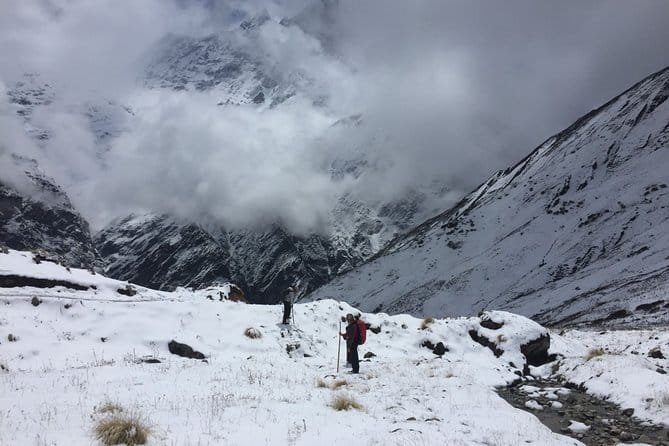
The route climbs into a zone where mornings can feel sharply cold and afternoons can be warmer, fast. One of the trekking notes from people who did ABC-style routes is simple: bring stuff for cold and hot.
Because the itinerary includes:
- pre-sunrise hiking
- descents after breakfast
- nights in tea house/lodge areas
…you should plan layers that handle temperature changes throughout the day.
If you’re unsure what to pack, aim for:
- layers you can add or shed quickly
- warm gear for early starts
- footwear you trust on stone steps and uneven trails
That’s not fancy advice. It’s the difference between enjoying the views and spending the day thinking about your toes.
Culture Along the Way: Gurung Villages and Everyday Mountain Life
This trek doesn’t just move you between view points. It passes through Gurung villages, and that’s a major part of why the experience feels human.
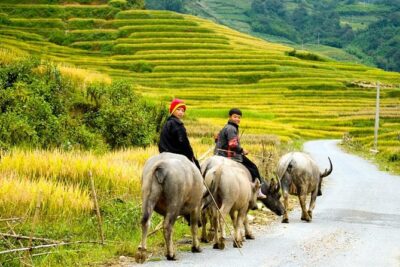
You’ll walk through village settings, cross suspension bridges, and see terraced farmlands and everyday mountain routines. You also get a sense of Nepal’s cultural heritage without it feeling like a museum visit.
Even better: the itinerary gives you multiple chances to absorb that rhythm—starting on day one and continuing as the trail pushes deeper into the Annapurna region.
Logistics and Timing: Start Time and Daily Flow
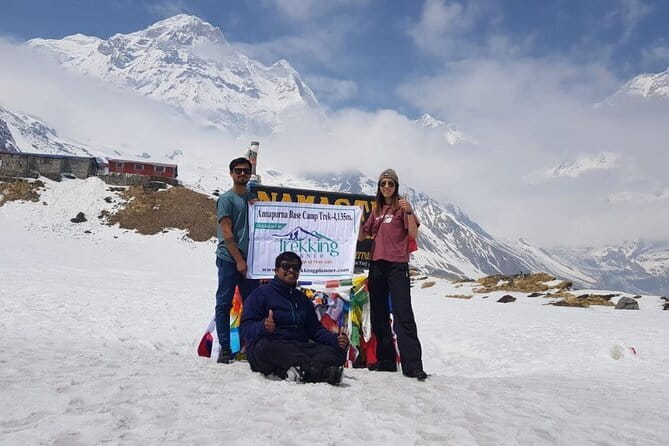
One detail you should notice: the listed start time is 12:15 am at ABC Treks Pvt Ltd in Pokhara. That suggests an early departure. Don’t ignore it.
Also, the plan uses the classic pattern:
- drive and permit checks early
- long walking days with lunch breaks
- a big view morning at sunrise
- a hot spring finale
If you’re planning flights or other tours around this, keep your schedule flexible on the margins. Early starts are part of the deal.
Price and Logistics: Is $450 Good Value for Annapurna Base Camp?
At $450 per person, this trek can feel like good value because it includes the parts that often balloon costs when you try to organize everything yourself:
- guide (English)
- permits and TIMS
- transport to and from the trail start
- meals for the trekking days
- tea house/lodge accommodation
What it doesn’t include is also clear: insurance/rescue and optional gratuity. That’s normal, but it’s still your responsibility.
If you want the practical feel of a trek where the big moving parts are handled, this price level makes sense.
If you’re the type who loves planning logistics yourself and already has permits, gear, and a guide lined up, then you might find other options that are cheaper. But you’ll trade off convenience.
Should You Book This Annapurna Base Camp Trek?
Book it if you want:
- a 5-day trek with the Annapurna Base Camp payoff
- English support and permit handling taken care of
- a plan that ends with a real recovery moment in the Jhinu Danda hot spring
- private group trekking (with shared transport only at the start/end)
Think twice if:
- you hate early mornings (day four starts before sunrise)
- you’re not confident with 5 to 8 hour days of walking
- you’re counting on insurance or rescue being included (it isn’t)
My bottom line: this trek is built for people who want the mountains and the culture, without turning the trip into a logistics project. If that sounds like you, you’ll probably find it a solid, satisfying way to experience the Annapurna region.
FAQ
What is the duration of the Annapurna Base Camp trek?
It’s listed as 5 days (approx.).
Where does the trek start and end?
The meeting point is ABC Treks Pvt Ltd on Lakeside Rd, Pokhara 33700, Nepal, and the activity ends back at the meeting point.
How much does it cost?
The price is $450.00 per person.
Is this trip private?
Yes. It’s a private tour/activity, and only your group will participate.
What’s included in the trekking permit and TIMS?
The package includes your trekking permit and TIMS.
Are meals included during the trek?
Yes. Breakfast (5), lunch (5), and dinner (5) are included.
Are there options for dietary restrictions?
You can request accommodations such as vegetarian, vegan, or gluten-free. You should indicate dietary needs at booking.
Will I have a guide?
Yes. The package includes an English-speaking trekking guide during the trek.
Is hotel pickup and drop-off included?
Yes. Hotel pick up and drop off are included.
Is insurance and rescue included?
No. Insurance and rescue are not included.
Cancellation Policy
Can I cancel and get a full refund?
You can cancel up to 24 hours in advance of the experience for a full refund.